30-day challenges to try in January
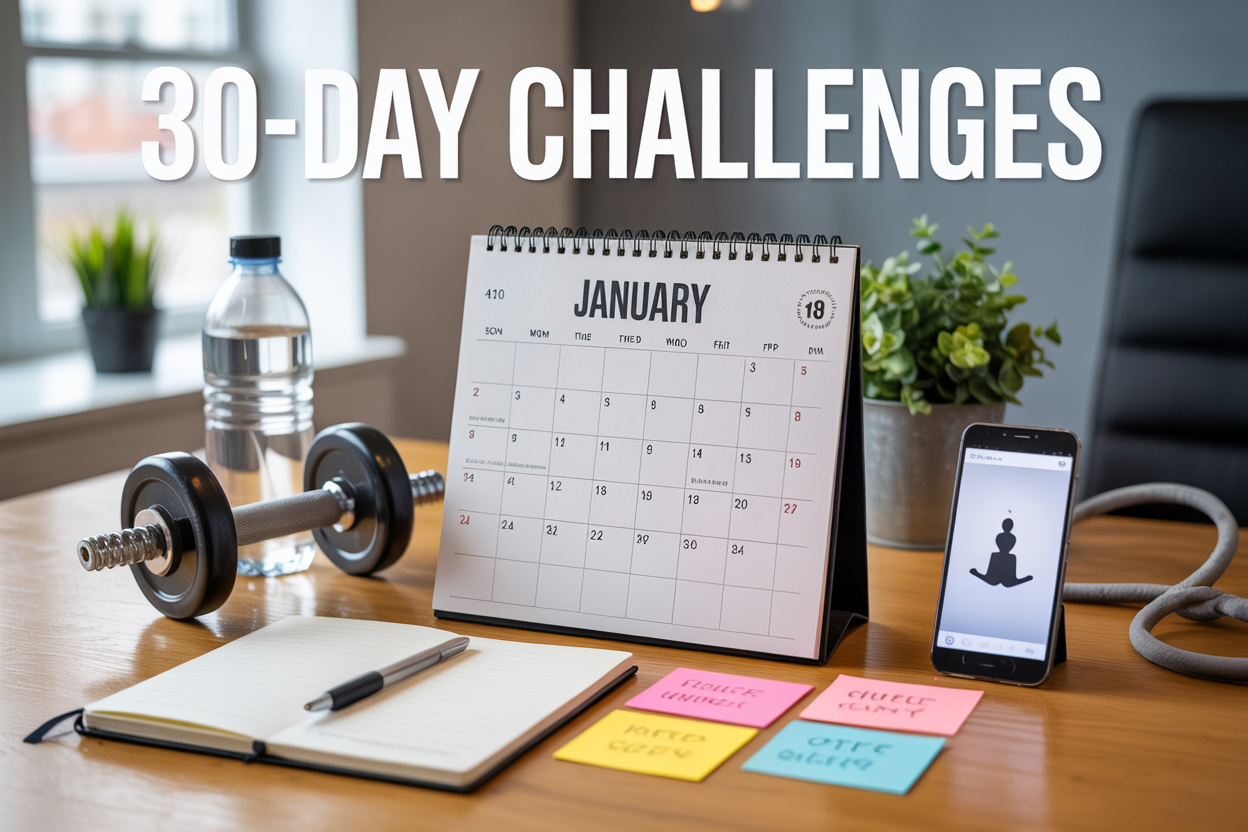
January marks a fresh start, and 30 day challenge ideas offer the perfect way to kick off meaningful change without overwhelming yourself. These new year challenges are designed for anyone ready to build better habits, learn new skills, or improve their overall well-being in bite-sized, manageable steps.
January challenges work because they're short enough to stay motivated but long enough to see real progress. You'll discover proven fitness challenges 30 days that can reshape your body and energy levels, along with productivity challenges that streamline your daily routine and boost your focus. We'll also explore creative challenges that unlock hidden talents, financial goals 30 days strategies to improve your money habits, and mindfulness challenge options that support your mental health.
Each challenge comes with clear daily actions, progress tracking tips, and realistic expectations so you can choose what fits your lifestyle best. By February 1st, you'll have built momentum for lasting change that extends far beyond these initial 30 days.
Health and Fitness Challenges to Transform Your Body

30-Day Water Challenge to Boost Energy and Clear Skin
Drinking enough water sounds simple, but most people don't realize they're chronically dehydrated. This 30 day challenge focuses on consuming at least 8-10 glasses of water daily while tracking your intake and energy levels.
Start each morning with a full glass of water before coffee or breakfast. Keep a water bottle at your desk and set hourly reminders on your phone. Add lemon slices, cucumber, or mint to make plain water more appealing. Track your intake using a simple app or water bottle with measurement markings.
The benefits kick in faster than you'd expect. Within the first week, you'll notice improved energy levels and fewer afternoon crashes. Your skin will start looking more radiant, and you might experience better digestion and reduced headaches.
Daily 10,000 Steps Challenge to Improve Cardiovascular Health
Walking 10,000 steps daily transforms your cardiovascular health without requiring gym memberships or special equipment. This fitness challenge works perfectly for beginners and busy professionals.
Use your smartphone's built-in step counter or invest in a simple fitness tracker. Break your steps into manageable chunks: morning walk (2,000 steps), lunch break stroll (3,000 steps), and evening walk (5,000 steps). Take stairs instead of elevators, park farther away, and walk during phone calls.
Most people start around 3,000-5,000 steps daily, so reaching 10,000 requires intentional effort. The cardiovascular benefits include lower blood pressure, improved circulation, and increased stamina. You'll also burn approximately 300-500 extra calories daily, supporting natural weight management.
Sugar-Free Challenge to Reset Your Metabolism
Eliminating added sugars for 30 days resets your taste buds and metabolism while breaking sugar addiction cycles. This challenge excludes processed foods, sugary drinks, desserts, and hidden sugars in sauces and dressings.
Read every food label carefully - sugar hides in unexpected places like bread, yogurt, and salad dressings. Focus on whole foods: vegetables, lean proteins, fruits, nuts, and whole grains. Prepare meals at home to control ingredients completely.
Week one brings sugar cravings and potential headaches as your body adjusts. By week two, energy levels stabilize and cravings diminish. Week three showcases improved mental clarity and better sleep quality. The final week reveals how artificially sweet processed foods taste once your palate resets.
30-Day Exercise Challenge to Increase Flexibility and Reduce Stress
This transformative challenge combines yoga, stretching, and bodyweight exercises to improve flexibility while managing stress levels. Commit to 20-30 minutes of movement daily, focusing on different muscle groups throughout the week.
Create a weekly schedule: Monday (upper body stretches), Tuesday (yoga flow), Wednesday (core strengthening), Thursday (leg flexibility), Friday (full-body yoga), and weekends (gentle stretching or nature walks). Use free YouTube videos or fitness apps to guide your sessions.
Start slowly if you're new to exercise - even 10 minutes counts. Focus on proper form over intensity. The combination of physical movement and mindful breathing activates your parasympathetic nervous system, naturally reducing cortisol levels and promoting relaxation.
Regular stretching improves posture, reduces muscle tension from desk work, and prevents injury. The stress-reduction benefits include better sleep, improved mood, and enhanced mental clarity throughout your day.
Productivity and Personal Development Challenges

Wake Up Early Challenge to Maximize Your Day
Starting your year with an early rising personal development challenge can completely transform how you approach each day. The Wake Up Early Challenge involves setting your alarm 30-60 minutes earlier than usual and using that extra time for activities that fuel your personal growth.
Pick a consistent wake-up time that feels challenging but achievable. If you normally wake up at 7 AM, try 6:30 AM for the first week, then gradually move to 6 AM. The key is creating a morning routine that excites you enough to get out of bed.
What to do with your early morning time:
-
Exercise or stretch
-
Journal or practice gratitude
-
Read personal development books
-
Plan your day with intention
-
Work on a passion project
-
Meditate or practice mindfulness
Track your energy levels, mood, and productivity throughout the day to see how this habit building challenge impacts your overall well-being. Many people discover they're more focused, less rushed, and feel more accomplished when they start their day with purpose rather than scrambling to catch up.
30-Day Reading Challenge to Expand Your Knowledge
A reading challenge ranks among the most rewarding 30 day challenge ideas for mental stimulation and personal growth. Set a realistic goal based on your current reading habits - this could be reading for 20 minutes daily, finishing one book per week, or exploring a specific genre you've never tried.
Different approaches to structure your reading challenge:
| Challenge Type | Goal | Best For |
|---|---|---|
| Time-Based | 15-30 minutes daily | Busy schedules |
| Page-Based | 20-50 pages daily | Consistent readers |
| Book-Based | 1-2 books total | Slow readers |
| Genre-Based | Different genres weekly | Reading variety |
Choose books that align with your goals. Mix fiction for creativity and relaxation with non-fiction for skill development. Consider audiobooks during commutes or while exercising to maximize your reading time.
Create a reading list beforehand and keep a journal to track insights, favorite quotes, and how each book impacts your thinking. This self improvement challenge builds knowledge while developing focus and discipline that carries into other areas of life.
Digital Detox Challenge to Improve Focus and Mental Clarity
Digital overwhelm has become a modern epidemic, making a digital detox one of the most impactful productivity challenges you can undertake. This challenge involves intentionally reducing screen time and creating boundaries around technology use.
Start by tracking your current device usage through built-in screen time apps. Most people are shocked to discover they spend 3-5 hours daily on their phones. Set specific rules like no phones during meals, no screens one hour before bed, or designating phone-free zones in your home.
Progressive digital detox strategies:
-
Week 1: Remove social media apps from your phone
-
Week 2: Turn off non-essential notifications
-
Week 3: Implement phone-free mornings until 9 AM
-
Week 4: Take a full 24-hour digital sabbath weekly
Replace digital time with face-to-face conversations, outdoor activities, reading physical books, or pursuing hobbies that don't require screens. Many participants report better sleep, improved concentration, reduced anxiety, and stronger real-world relationships.
The goal isn't to eliminate technology completely but to use it intentionally rather than compulsively. This mindfulness challenge helps you regain control over your attention and creates space for deeper thinking and genuine connections.
Creative and Skill-Building Challenges

Daily Writing Challenge to Develop Your Voice
Starting a daily writing challenge can dramatically improve your communication skills and help you discover your unique voice. This creative challenge involves committing to write every single day for 30 days, whether it's 250 words, 500 words, or even just a single paragraph.
Choose your format based on your goals. Fiction writers might tackle short stories or work on chapters of a novel. Non-fiction enthusiasts could write personal essays, blog posts, or journal entries. Poetry lovers can experiment with different forms like haikus, sonnets, or free verse. The key is consistency, not perfection.
Set up a dedicated writing space and establish a specific time each day. Many successful writers swear by morning sessions when their minds are fresh. Don't worry about editing during the initial draft – just focus on getting ideas down on paper. You'll be amazed at how your writing flows more naturally after the first week.
Track your progress using a simple calendar or writing app. Celebrate small wins along the way, like completing your first week or writing your longest piece yet. This creative challenge builds discipline while helping you develop a sustainable writing habit that extends far beyond January.
Photography Challenge to Capture Life's Moments
A 30-day photography challenge transforms how you see the world around you. Each day presents a new theme or technique to explore, from macro shots of everyday objects to street photography that captures human emotions.
Popular themes include "shadows and light," "textures," "reflections," "colors," and "perspectives." You don't need expensive equipment – smartphone cameras are incredibly capable these days. Focus on composition, timing, and storytelling rather than technical perfection.
Create a shot list at the beginning of the month or find pre-made challenges online. Some photographers prefer structured prompts like "Day 1: Something Blue" or "Day 15: Leading Lines," while others enjoy more abstract concepts like "solitude" or "movement."
Share your photos on social media using hashtags to connect with other participants. This creates accountability and inspiration as you see different interpretations of the same prompts. Review your work weekly to identify patterns in your style and areas for improvement.
Document your progress by creating a photo journal or digital album. By month's end, you'll have 30 unique images that showcase your growth and a newfound appreciation for visual storytelling.
Learn a New Language Challenge to Broaden Your Horizons
Dedicating 30 days to language learning can create a solid foundation and momentum for continued study. This skill building activity opens doors to new cultures, career opportunities, and personal connections.
Choose a language that excites you or aligns with your goals. Spanish and French offer practical benefits for many English speakers, while languages like Japanese or Arabic provide fascinating cultural insights. Start with basic greetings, numbers, and common phrases before progressing to simple conversations.
Use a combination of learning methods for maximum effectiveness:
-
Mobile apps like Duolingo, Babbel, or Memrise for daily lessons
-
YouTube channels for pronunciation and cultural context
-
Language exchange apps like HelloTalk to practice with native speakers
-
Music and podcasts in your target language for immersion
-
Flashcards for vocabulary building
Set realistic daily goals, such as completing one lesson or learning five new words. Practice speaking out loud, even if you're alone – this builds confidence and improves pronunciation. Join online communities or local language groups for support and motivation.
Track new vocabulary in a notebook and review regularly. By the end of January, you'll have learned hundreds of words and phrases, giving you the confidence to continue your language journey.
Art or Drawing Challenge to Unleash Your Creativity
An art challenge pushes you to create something new every day, regardless of your current skill level. This creative challenge builds artistic confidence while exploring different techniques, subjects, and styles.
Choose your medium based on availability and interest. Pencil sketching requires minimal investment, while watercolors offer vibrant possibilities. Digital art opens up endless tools and techniques. Don't limit yourself to one medium – experimentation leads to discovery.
Popular challenge formats include:
| Challenge Type | Description | Skills Developed |
|---|---|---|
| Inktober-style | Daily prompts with ink drawings | Line work, composition |
| Portrait Challenge | Different face each day | Proportion, shading |
| Nature Studies | Plants, animals, landscapes | Observation, texture |
| Abstract Exploration | Colors, shapes, emotions | Creativity, expression |
Start each session with a 5-minute warm-up sketch to loosen your hand and mind. Don't aim for masterpieces – focus on learning and enjoying the process. Study other artists' work for inspiration, but avoid comparing your Day 3 attempts to someone's years of practice.
Keep all your artwork, even pieces you dislike. Looking back at early drawings will show incredible progress and remind you how much you've grown. This personal development challenge builds patience, observation skills, and creative confidence that extends beyond art into other areas of life.
Financial and Career-Focused Challenges

No-Spend Challenge to Build Better Money Habits
Taking on a no-spend challenge for 30 days can completely transform how you think about money. The rules are simple: you only spend money on absolute essentials like rent, utilities, groceries, and transportation. Everything else – dining out, impulse purchases, entertainment subscriptions, and those late-night online shopping sprees – gets put on hold.
This financial goals 30 days approach forces you to get creative with what you already have. You'll rediscover forgotten items in your closet, use up pantry staples you've been hoarding, and find free entertainment options in your community. Many people discover they own way more than they actually need.
The real magic happens when you start tracking every dollar you would have spent. Create a simple spreadsheet or use your phone's notes app to record each avoided purchase. By the end of January, you'll likely have saved hundreds of dollars while breaking the cycle of mindless spending.
Key strategies for success:
-
Plan meals using ingredients you already have
-
Find free activities like hiking, library events, or home workouts
-
Unsubscribe from retailer email lists to avoid temptation
-
Use the 24-hour rule for any "emergency" purchases
Daily Networking Challenge to Advance Your Career
Professional networking doesn't have to feel awkward or forced. This 30 day challenge ideas focuses on making one meaningful professional connection every single day throughout January. The goal isn't to collect business cards but to build genuine relationships that benefit everyone involved.
Start by reaching out to people you already know – former colleagues, classmates, or industry contacts you've lost touch with. Send a brief, personalized message asking about their current projects or sharing an article they might find interesting. LinkedIn makes this incredibly easy, but don't overlook text messages or emails for closer connections.
As you build momentum, expand your reach by commenting thoughtfully on industry posts, joining professional online communities, or attending virtual events. Many conferences and meetups happen virtually in January, making participation more accessible than ever.
Daily networking activities to try:
-
Send one LinkedIn connection request with a personalized note
-
Comment meaningfully on three industry-related posts
-
Share an insightful article and tag relevant contacts
-
Reach out to one person to offer help or advice
-
Join a new professional group or forum
Track your networking activities in a simple journal. Note who you connected with, what you discussed, and any follow-up actions needed. This systematic approach turns networking from a dreaded task into a habit building challenges routine that feels natural and productive.
Side Hustle Challenge to Create Additional Income
January presents the perfect opportunity to launch a side hustle and start generating extra income within 30 days. This personal development challenge combines entrepreneurial thinking with practical action steps to get your first dollar earned before February arrives.
Start by identifying skills you already possess that others would pay for. Can you write compelling copy? Design graphics? Organize spaces? Teach a language? Pet sit? The fastest path to income comes from monetizing existing abilities rather than learning completely new skills.
The beauty of modern side hustles lies in their accessibility. Platforms like Upwork, Fiverr, TaskRabbit, and Etsy allow you to start selling services or products immediately. Local opportunities through Nextdoor or Facebook community groups can also yield quick results for services like tutoring, cleaning, or handyman work.
Week-by-week side hustle roadmap:
| Week | Focus Area | Action Items |
|---|---|---|
| 1 | Skill Assessment | List abilities, research market demand, choose niche |
| 2 | Platform Setup | Create profiles, write compelling descriptions, set pricing |
| 3 | Marketing Push | Share on social media, reach out to network, optimize listings |
| 4 | Delivery & Scaling | Complete first orders, gather reviews, plan expansion |
The key to success lies in starting small and delivering exceptional value. Rather than trying to build the next unicorn startup, focus on solving immediate problems for real people. Whether you earn $50 or $500 during your first month, you'll have proven that generating income outside your day job is entirely achievable.
Document your journey by tracking applications sent, responses received, and money earned. This data becomes invaluable for scaling your efforts beyond January and turning your monthly challenge ideas into a sustainable income stream.
Mindfulness and Mental Health Challenges
.png)
Meditation Challenge to Reduce Anxiety and Stress
Transform your mental wellbeing this January with a simple yet powerful mindfulness challenge. Start with just 5 minutes daily for the first week, gradually building to 20 minutes by month's end. The beauty of this approach lies in its accessibility - you don't need special equipment or experience.
Choose from guided apps like Headspace or Calm, or try unguided sessions focusing on breath awareness. Morning meditation sets a calm tone for the day, while evening sessions help process daily stresses. Track your progress using a simple journal, noting changes in sleep quality, emotional reactions, and overall mood.
Many participants report decreased anxiety levels within the first week. The key is consistency over perfection - missed days happen, just restart the next morning.
Gratitude Journal Challenge to Cultivate Positivity
Rewire your brain for happiness by writing three specific things you're grateful for each day. This mental health activity goes beyond generic entries like "family" or "health." Instead, focus on detailed moments: the barista's smile, a colleague's helpful email, or how sunlight streamed through your window.
Research shows gratitude journaling increases life satisfaction by 25% and improves sleep quality. Write your entries at the same time daily, whether morning coffee or before bed. Use prompts like "What made me smile today?" or "Who showed me kindness?" to spark deeper reflection.
Digital options work, but handwriting engages different brain regions that enhance memory formation and emotional processing.
Random Acts of Kindness Challenge to Spread Joy
Commit to one intentional act of kindness daily, creating ripple effects that extend far beyond the initial gesture. Your self improvement challenge could include paying for someone's coffee, leaving encouraging notes, helping neighbors with groceries, or volunteering an hour weekly at local charities.
Document your experiences and the recipients' reactions. Notice how giving affects your own mood and perspective. Small gestures often create the biggest impact - a handwritten thank-you note to your mail carrier or bringing homemade cookies to coworkers costs little but means everything.
This challenge builds empathy, strengthens community connections, and naturally combats feelings of isolation or purposelessness that often peak in January.
Minimize Complaining Challenge to Improve Your Mindset
Break the negativity cycle by becoming aware of complaint patterns disrupting your mental peace. Wear a rubber band on your wrist, switching it between hands each time you complain, criticize, or gossip. This physical reminder creates conscious awareness of unconscious habits.
Replace complaints with solutions or gratitude statements. Instead of "Traffic is terrible," try "I'm grateful for this podcast time" or "How can I leave earlier tomorrow?" The goal isn't toxic positivity but intentional communication that builds rather than tears down.
Track complaint-free hours, then days. Most people discover they complain 15-30 times daily initially. By week three, many achieve full complaint-free days, reporting improved relationships and increased optimism.
Sleep Hygiene Challenge to Enhance Rest Quality
Quality sleep forms the foundation of mental health, making this habit building challenge essential for January success. Create a consistent bedtime routine starting 30 minutes before sleep: dim lights, put devices away, and engage in calming activities like reading or gentle stretching.
Optimize your sleep environment by keeping bedrooms cool (65-68°F), dark, and quiet. Invest in blackout curtains or a white noise machine if needed. Avoid caffeine after 2 PM and large meals three hours before bedtime.
Track sleep and wake times, plus daily energy levels. Most participants notice improved mood, focus, and stress management within two weeks. The ripple effects enhance performance in other 30 day challenge ideas you're pursuing simultaneously.
Starting a 30-day challenge this January gives you the perfect chance to kick off the year with real momentum. Whether you pick a fitness routine that gets your body moving, dive into productivity habits that organize your life, or explore creative skills you've always wanted to learn, each challenge offers a manageable way to create lasting change. The beauty of these monthly commitments is that they're long enough to build genuine habits but short enough to stay motivated.
Pick the challenge that excites you most right now. Maybe your finances need attention, or perhaps your mental health could use some extra care through mindfulness practices. Whatever you choose, remember that small daily actions add up to big transformations. Don't wait for the perfect moment – grab a calendar, mark your start date, and begin building the version of yourself you want to become. Your future self will thank you for taking this first step.


Comments
Post a Comment