Beyond Resolutions: Building Habits That Last For a Lifetime
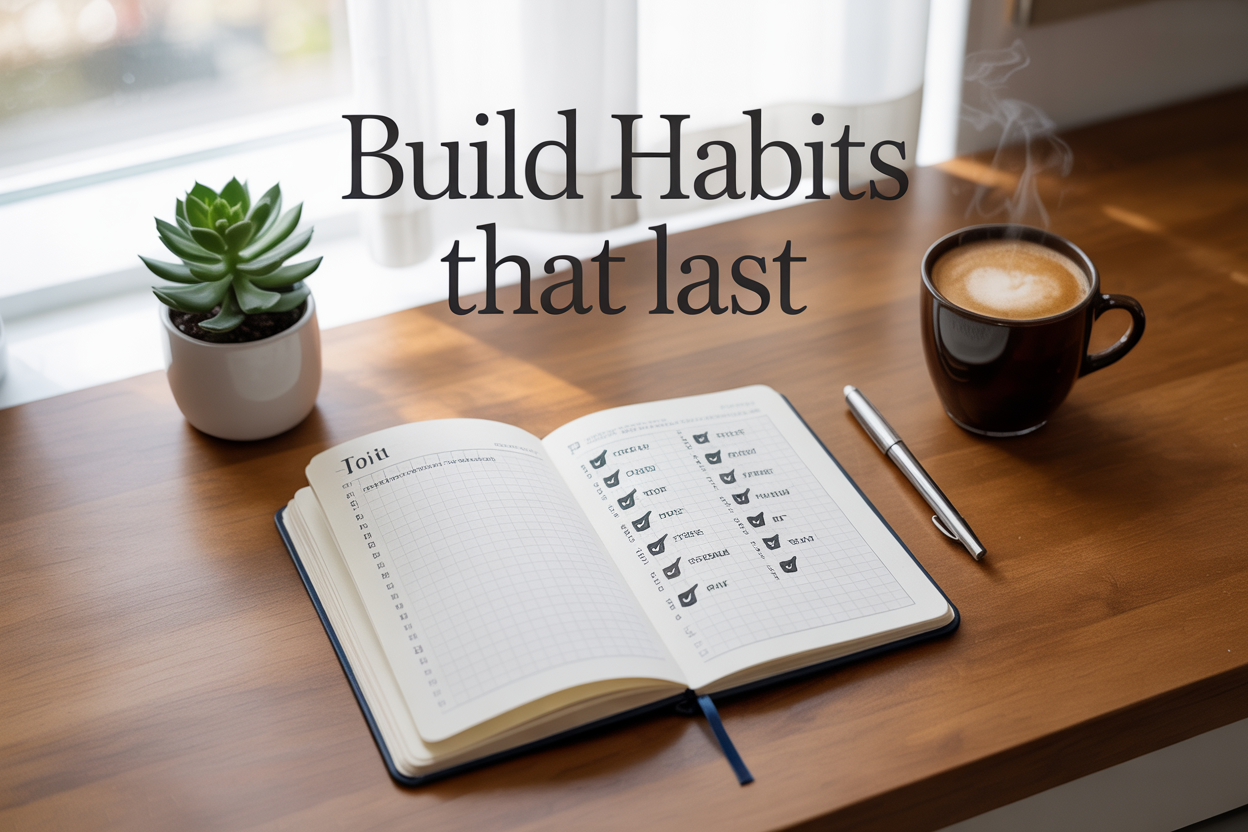
Most people abandon their New Year's resolutions by February, but the problem isn't lack of willpower—it's the approach. If you're tired of the endless cycle of setting goals only to watch them crumble within weeks, this guide will show you how to build lasting habits that become second nature.
This comprehensive approach is designed for anyone who wants to create real, sustainable change without relying on motivation or perfect conditions. You'll discover why resolutions fail and learn proven habit formation science that actually works.
We'll explore how to identify your core values so your new habits align with what truly matters to you. You'll learn the power of starting with ridiculously small actions that guarantee early wins and build momentum. We'll also cover environment design for habits—simple changes to your surroundings that make good choices automatic and bad choices harder.
By the end, you'll have a clear roadmap for building habits that stick for life, not just until next Monday.
Why New Year's Resolutions Fail and How to Break the Cycle

The Psychology Behind Resolution Abandonment
Our brains are wired to resist change, even when we desperately want it. When you set a resolution, you're essentially asking your brain to override years of established neural pathways. The prefrontal cortex, responsible for decision-making and willpower, operates like a muscle that gets tired throughout the day. This explains why your morning motivation to eat healthy crumbles by 3 PM when you're reaching for that candy bar.
The phenomenon of "false hope syndrome" plays a major role in why resolutions fail. We systematically underestimate how difficult change will be while overestimating our ability to maintain willpower. Your brain loves the dopamine hit from setting ambitious goals, but it doesn't prepare you for the reality of daily execution.
Research shows that only 8% of people actually keep their New Year's resolutions. The drop-off happens predictably: 25% quit within the first week, and 60% abandon their goals by March. This pattern reveals that traditional resolution-setting ignores fundamental principles of human psychology and habit formation science.
Common Pitfalls That Sabotage Your Progress
The biggest trap people fall into is the "all-or-nothing" mentality. You decide to work out for an hour daily, then miss one day and conclude you've failed completely. This black-and-white thinking kills more goals than lack of willpower ever could.
Here are the most destructive patterns that derail progress:
-
Setting vague goals: "Get healthy" means nothing to your brain
-
Relying on motivation alone: Feelings are temporary and unreliable
-
Ignoring your environment: Keeping cookies in your kitchen while trying to lose weight
-
Going too big, too fast: Jumping from zero to hero overnight
-
Lacking accountability systems: No one knows about your goals except you
-
Missing implementation details: No clear plan for when, where, and how
Another killer is the "what-the-hell effect." Once you break your streak, your brain decides the whole effort is ruined. You eat one slice of pizza and end up finishing the entire box because you've already "blown it" for the day.
Social pressure adds another layer of complexity. You announce your resolution publicly, get initial support, but then feel shame when you struggle. This shame often leads to isolation, making it even harder to get back on track.
The Difference Between Motivation and Sustainable Change
Motivation is like lighting a match – it burns bright but burns out quickly. Sustainable habit building requires a completely different approach that doesn't depend on feeling motivated every single day.
Motivation is external and emotion-driven. You watch an inspiring video, feel pumped up, and commit to dramatic changes. But emotions fluctuate constantly. Some days you'll feel energized, other days you'll feel exhausted. Basing your progress on motivation means your success depends on circumstances outside your control.
Building habits that stick focuses on systems instead of outcomes. Instead of "I want to lose 30 pounds," you think "I want to become someone who moves their body daily." This identity-based approach creates internal momentum that doesn't require external motivation.
The magic happens when you design micro-habits so small that motivation becomes irrelevant. You can't fail at doing two push-ups or reading one page. These tiny actions might feel insignificant, but they're building the neural pathways that support bigger changes later.
Sustainable change also requires accepting imperfection. You'll have off days, missed workouts, and moments of weakness. The difference between people who succeed long-term and those who quit is simple: successful people get back on track immediately instead of waiting for Monday to start over.
Your environment plays a bigger role than willpower. When healthy choices become automatic and convenient, you don't need motivation to maintain them. Breaking bad habits cycle means recognizing that most of our daily actions happen without conscious thought – and designing your surroundings to support the person you want to become.
The Science of Habit Formation That Creates Lasting Change

Understanding the Habit Loop and Neural Pathways
Your brain operates on autopilot more than you realize. Neuroscientists have discovered that habits follow a predictable pattern called the habit loop, which consists of three key components: a cue, a routine, and a reward. The cue triggers your brain to engage in a specific behavior, the routine is the actual action you take, and the reward satisfies a craving that your brain associates with the behavior.
When you first learn something new, your prefrontal cortex works overtime, consciously directing every decision. But as behaviors become habits, the activity shifts to the basal ganglia, a primitive part of your brain that handles automatic functions. This neurological handoff explains why habits feel effortless once they're established – your brain literally creates dedicated neural pathways that make the behavior automatic.
Think about driving to work. Initially, you had to consciously think about every turn, but now you can arrive without remembering the journey. Your brain has carved out efficient neural highways for this routine. Building habits that stick works the same way – repetition creates stronger neural connections that eventually become your default response to specific triggers.
How Long It Really Takes to Form New Habits
The popular myth that habits take 21 days to form comes from outdated research. Dr. Phillippa Lally's groundbreaking study at University College London reveals a much more nuanced picture. Her research tracked 96 people as they formed new habits and found that the average time was actually 66 days – with a wide range from 18 to 254 days.
The variation depends on several factors:
-
Complexity of the habit: Drinking a glass of water takes less time to automate than a 30-minute workout
-
Individual differences: Some people's brains adapt faster to new routines
-
Environmental consistency: Stable cues and contexts speed up habit formation science
-
Emotional attachment: Habits tied to strong motivations stick faster
Missing a single day doesn't derail your progress, but consistency remains the key driver. The research shows that the habit curve follows a gradual upward slope – each repetition strengthens the neural pathway, but the most dramatic changes happen in the first few weeks.
The Role of Repetition in Rewiring Your Brain
Repetition literally changes your brain structure through a process called neuroplasticity. Every time you repeat a behavior, you strengthen the neural connections associated with that action. Scientists call this "neurons that fire together, wire together."
Your brain craves efficiency and will always choose the path of least resistance. When you repeat an action consistently, you're essentially telling your brain, "This behavior is important – make it easier." Your brain responds by:
-
Building thicker myelin sheaths around neural pathways to speed up signal transmission
-
Creating more synaptic connections between neurons
-
Allocating more neural real estate to support the behavior
This biological reality explains why breaking bad habits cycle requires patience and strategic replacement rather than willpower alone. You're not just changing behavior – you're literally rewiring neural architecture that took months or years to build.
Why Small Actions Compound Into Major Transformations
The compound effect works because small habits stack upon each other, creating momentum that transforms your entire lifestyle. When you focus on tiny changes, you bypass your brain's resistance to change while building confidence through quick wins.
Consider these examples of compound growth:
| Small Habit | 30-Day Impact | 1-Year Transformation |
|---|---|---|
| 10 daily push-ups | Improved strength | Significant muscle gain |
| Reading 10 pages | 1 book completed | 12+ books read |
| 5-minute meditation | Reduced stress | Enhanced emotional regulation |
| Writing 100 words | Short story draft | Novel manuscript |
The magic happens in the intersection between habits. Someone who reads daily becomes more knowledgeable, which improves their conversations, which builds better relationships, which creates new opportunities. Starting small habits creates a positive feedback loop where success breeds more success.
Your identity also shifts gradually through these micro-actions. Each small repetition is a vote for the type of person you want to become. A person who writes 100 words daily starts seeing themselves as a writer. Someone who does daily push-ups begins to identify as an athlete. These identity changes become self-reinforcing, making the habits feel natural rather than forced.
Identify Your Core Values to Build Meaningful Habits
Connect habits to your deeper purpose and identity
Building habits that stick requires understanding who you are at your core and what truly matters to you. When your daily actions reflect your fundamental beliefs and values, you create powerful internal motivation that goes beyond fleeting willpower.
Think about someone who values health and sees themselves as an athlete. For them, waking up early to exercise isn't a chore—it's an expression of their identity. The habit feels natural because it aligns with their self-concept and what they believe is important.
Your core values act like a compass, pointing you toward habits that genuinely serve your life. Maybe you value creativity, connection with others, or making a positive impact. When you choose habits that support these values, you're not forcing yourself to change—you're becoming more of who you already are inside.
The key is getting honest about what you truly care about, not what you think you should care about. If family connection matters most to you, a habit of putting your phone away during dinner becomes meaningful. If personal growth drives you, reading for fifteen minutes daily feels purposeful rather than obligatory.
Align daily actions with long-term life goals
Your habits should serve as stepping stones toward the life you want to create. When there's clear connection between what you do today and where you want to be in five or ten years, each small action carries weight and meaning.
Start by painting a clear picture of your future self. What does your ideal life look like? How do you spend your time? What kind of person are you? Then work backward to identify the daily behaviors that would naturally lead to that outcome.
Someone dreaming of writing a novel doesn't need to write for hours daily. A simple habit of writing 200 words each morning directly connects to their long-term vision. An aspiring entrepreneur might develop a habit of learning one new business concept daily or reaching out to one potential mentor each week.
The magic happens when you see each habit as an investment in your future rather than just another task on your to-do list. Every time you practice the habit, you're casting a vote for the type of person you want to become.
Filter out habits that don't serve your authentic self
Not every good habit is good for you. Society, social media, and well-meaning friends often suggest habits that might work for others but don't align with your unique circumstances, values, or goals.
Before adopting any new habit, ask yourself: "Does this truly serve who I am and who I'm becoming?" A morning meditation practice might be perfect for someone seeking inner peace, but useless for someone whose main priority is building stronger relationships with their children.
Pay attention to habits you've tried that felt forced or artificial. These are often habits that looked good on paper but didn't connect with your authentic self. Maybe you tried meal prepping because it seemed responsible, but you actually love the creativity of cooking fresh meals each day. The disconnect between the habit and your nature made it unsustainable.
Your most successful habits will feel like natural extensions of who you are. They might challenge you, but they shouldn't feel like you're fighting against your personality or values. When building habits that stick, choose behaviors that feel like coming home to yourself rather than becoming someone else entirely.
Start Ridiculously Small to Guarantee Success
The Power of Micro-Habits in Building Momentum
The secret to building habits that stick isn't willpower—it's starting so small that failure becomes almost impossible. Micro-habits are actions so tiny they take less than two minutes to complete. Think doing one push-up, reading one page, or writing one sentence. These seemingly insignificant actions create powerful psychological momentum that transforms into lasting change.
When you consistently complete these small actions, your brain starts identifying you as "someone who exercises" or "someone who reads." This identity shift happens faster with micro-habits because there's no resistance to overcome. Your brain doesn't trigger its usual "this is hard" response because the action feels effortless.
The magic happens in the neural pathways. Each time you complete your micro-habit, you strengthen the neural connections associated with that behavior. Within weeks, the action becomes automatic. Once automaticity kicks in, scaling up becomes natural because the foundation is rock-solid.
How to Stack New Habits onto Existing Routines
Habit stacking leverages your brain's existing patterns to anchor new behaviors. Instead of relying on motivation, you attach your new micro-habit to something you already do consistently. The formula is simple: "After I [existing habit], I will [new habit]."
Your existing routines act like triggers that automatically remind you to perform the new behavior. After you brush your teeth, you do five squats. After you pour your morning coffee, you write three grateful thoughts. After you sit at your desk, you organize one item.
The key is choosing the right anchor habit. Pick something you do daily without thinking—checking your phone, washing dishes, or turning off your car. The more automatic your anchor, the stronger your new habit will stick. Avoid anchoring to habits you do inconsistently or that require decision-making.
Start with just one stack at a time. Your brain can only handle so much change before it rebels. Once your first stack runs on autopilot (usually 3-8 weeks), you can add another stack to a different routine.
Create Win-Win Scenarios That Boost Confidence
Every small victory builds psychological capital for bigger challenges ahead. When you design habits that guarantee daily wins, you're programming your brain for success rather than failure. These consistent victories create an upward spiral of confidence and motivation.
Make your micro-habits so easy that you'd feel silly not doing them. If your goal is fitness, commit to putting on your workout clothes—not exercising. If you want to eat healthier, commit to cutting up one vegetable—not overhauling your entire diet. These "ridiculously easy" commitments remove the mental barriers that usually sabotage good intentions.
Track these wins visually. Put a checkmark on a calendar, move a paperclip from one jar to another, or use a habit-tracking app. The visual confirmation of your streak becomes addictive in the best way possible. You'll find yourself wanting to keep the chain going.
Celebrate these micro-wins genuinely. Your brain releases dopamine when you acknowledge progress, no matter how small. This neurochemical reward strengthens the habit loop and makes you crave the positive feeling again.
Scale Up Gradually Without Overwhelming Yourself
Once your micro-habit becomes automatic, gradual expansion feels natural rather than forced. The rule of thumb is increasing by no more than 10-20% at a time. If you're doing five push-ups effortlessly, move to six or seven—not twenty.
Watch for signs that you're scaling too quickly: dreading the habit, making excuses, or missing days. These are signals to dial back to your previous comfortable level. There's no rush. Sustainable growth beats dramatic spurts that lead to burnout.
Build buffer days into your scaling plan. If you miss a day, return to your minimum viable habit—your original micro-habit—rather than skipping entirely. This keeps your streak alive and prevents the all-or-nothing mentality that destroys long-term progress.
Remember that some weeks you'll scale up, others you'll maintain, and occasionally you'll scale back due to life circumstances. This flexibility isn't failure—it's intelligent habit design that adapts to reality while protecting your core progress.
Design Your Environment for Automatic Success

Remove friction from good habits and add it to bad ones
The secret to building habits that stick lies in making good choices easier and bad choices harder. When you remove barriers from positive behaviors, they become your default actions. Think of it like creating a water slide for good habits and speed bumps for unwanted ones.
For positive habits, prepare everything in advance. Want to exercise in the morning? Lay out your workout clothes the night before, keep your water bottle filled, and have your playlist ready. Planning to eat healthier? Pre-cut vegetables on Sunday, store healthy snacks at eye level, and keep unhealthy options in hard-to-reach places.
For habits you want to break, add intentional obstacles. Put your phone in another room to avoid mindless scrolling. Remove social media apps from your home screen. Store junk food in the freezer or high cabinets. These small barriers force you to pause and make conscious decisions.
The friction principle works because our brains naturally conserve energy. We gravitate toward the easiest available option. By designing your environment strategically, you're essentially rewiring your surroundings to work with your psychology, not against it.
Use visual cues and reminders strategically
Your environment constantly sends signals about what you should do next. Visual cues serve as gentle nudges that trigger habit behaviors without requiring willpower or memory. The key is placing these reminders where you'll naturally encounter them.
Post sticky notes on your bathroom mirror to remind yourself of morning affirmations. Keep books on your nightstand instead of your phone. Place a water bottle on your desk as a hydration reminder. Put your vitamins next to your coffee maker.
The most effective visual cues connect new habits to existing routines. This technique, called habit stacking, links your desired behavior to something you already do automatically. When you see your toothbrush, you remember to floss. When you spot your journal on the kitchen counter, you recall your intention to write three gratitude items each morning.
Color coding can amplify visual reminders. Use bright containers for healthy snacks, specific colors for different types of tasks, or highlighters to mark important goals on your calendar. These visual distinctions help your brain quickly categorize and respond to environmental triggers.
Optimize your physical spaces for habit success
Your physical environment shapes your behavior more than you realize. Small changes to your surroundings can dramatically increase your success rate with building habits that stick.
Create dedicated spaces for specific activities. Designate a meditation corner with a cushion and candle. Set up a workout area with equipment visible and accessible. Establish a reading nook with good lighting and minimal distractions. These spaces become powerful anchors that signal your brain to shift into the appropriate mindset.
Apply the "one-touch rule" to reduce decision fatigue. Keep frequently used items in their most logical locations. Store workout gear near the door you exit for morning runs. Place healthy cookbooks where you can easily grab them while meal planning.
Temperature, lighting, and organization all impact your ability to maintain positive habits. A cluttered desk makes it harder to focus on important tasks. Poor lighting discourages reading. A cold room might sabotage your morning yoga practice. Pay attention to these environmental factors and adjust them to support your goals.
Leverage technology and tools that support your goals
Smart use of technology can automate habit reminders and remove mental burden from maintaining routines. The goal is to create systems that support your habits without becoming complicated or overwhelming.
Smartphone apps can track streaks, send gentle reminders, and provide progress visualization. Habit tracking apps work best when you choose one with a simple interface that matches your personality. Some people prefer detailed analytics, while others need basic checkboxes.
Automation tools reduce the need for constant decision-making. Set up automatic transfers to savings accounts, schedule recurring grocery deliveries for healthy foods, or use smart home devices to adjust lighting for better sleep habits.
However, avoid over-relying on technology. The most sustainable approach combines digital tools with analog systems. Use apps for tracking and automation, but also keep a physical journal or calendar for deeper reflection and planning.
Build accountability systems with family and friends
Social connections provide powerful motivation for maintaining long-term habits. When others know about your goals and check in on your progress, you're more likely to follow through on commitments.
Create habit partnerships where you and a friend support each other's goals. Text daily check-ins, share progress photos, or schedule regular accountability calls. Choose partners who understand your values and will offer encouragement rather than judgment.
Family involvement works especially well for household habits. Involve your partner in meal prep sessions, exercise together, or create shared reading time. When everyone participates, positive behaviors become part of your family culture rather than individual struggles.
Public commitment through social media or community groups can provide additional motivation. Share your journey with like-minded individuals who understand your challenges and celebrate your wins. Online communities focused on specific habits offer ongoing support and practical advice from people walking similar paths.
The key is finding the right balance of accountability that motivates without creating pressure or shame. Your support system should inspire you to keep going when motivation wanes, not make you feel guilty when you stumble.
Track Progress and Adapt When Life Gets Challenging

Simple Methods to Monitor Habit Consistency
The key to building habits that stick lies in keeping track without turning it into another burden. Habit tracking methods can be as simple as marking an X on a calendar or using a smartphone app that sends gentle reminders.
Choose one tracking method that feels natural to you. A physical journal works beautifully for people who enjoy the tactile experience of writing, while digital apps like Streaks or Habitica appeal to those who love technology. Some prefer the visual satisfaction of filling in a habit tracker chart, where each completed day gets colored in like a personal progress map.
The magic happens when you track consistently, not perfectly. Focus on recording your daily actions rather than obsessing over streaks. If you miss a day, simply note it and move forward. This approach prevents the all-or-nothing mentality that derails many people.
Consider tracking just 2-3 habits at first. Monitoring too many behaviors creates overwhelm and reduces your chances of success. Pick your most important habits and give them your full attention until they become automatic.
How to Bounce Back from Setbacks Without Giving Up
Setbacks are part of the journey, not signs of failure. When you miss a day or fall off track, your response determines whether you'll succeed long-term or abandon your efforts entirely.
The 24-hour rule works wonders: if you break a habit, get back on track within 24 hours. Don't wait for Monday or next month to restart. This prevents small slip-ups from becoming extended breaks that destroy momentum.
Reframe setbacks as learning opportunities. Ask yourself what led to the missed day - was it poor planning, unexpected stress, or simply forgetting? Each setback provides valuable data about your patterns and potential obstacles.
Create a comeback plan before you need it. Write down exactly what you'll do when life gets chaotic. Maybe it's a simplified version of your habit or a backup routine that requires minimal time and energy. Having this plan ready removes the mental burden of decision-making during tough moments.
Remember that building habits that stick requires self-compassion, not self-criticism. Treat yourself like you would a good friend who's trying to improve their life.
Adjust Your Approach Based on What's Working
Your habits should evolve as you learn what works best for your lifestyle and personality. Regular evaluation keeps you moving toward your goals instead of blindly following a plan that isn't serving you.
Schedule monthly habit reviews where you assess what's working and what isn't. Look at your tracking data and ask honest questions: Which habits feel natural now? Which ones still require significant willpower? Where are you consistently struggling?
Be willing to modify the frequency, timing, or method of your habits. If morning meditation isn't working because your kids wake up early, try evening sessions instead. If daily exercise feels overwhelming, switch to every other day. Small adjustments often make the difference between success and failure.
Sometimes you'll discover that a habit doesn't align with your actual priorities or values. That's okay - dropping habits that don't serve you isn't quitting, it's wisdom. Focus your energy on behaviors that genuinely matter to your well-being and goals.
Listen to your body and mind throughout this process. Your capacity for new habits changes based on stress levels, life circumstances, and personal growth. Sustainable habit building means honoring these fluctuations rather than forcing yourself into rigid patterns.
Celebrate Small Wins to Maintain Long-Term Motivation
Recognition of progress fuels your motivation to continue, especially during challenging periods when results aren't immediately visible. Small celebrations create positive associations with your new behaviors and reinforce your identity as someone who follows through on commitments.
Define what constitutes a win for each habit. Completing one week might deserve a small treat, while reaching 30 days could warrant something more significant. The celebration doesn't need to be expensive or elaborate - it just needs to feel meaningful to you.
Create milestone rewards that align with your goals. If you're building an exercise habit, new workout clothes make perfect sense. For reading habits, a special bookmark or a cozy reading nook upgrade works beautifully. Avoid rewards that contradict your efforts, like celebrating healthy eating with junk food.
Share your victories with supportive friends or family members. Social recognition amplifies the positive feelings associated with your progress and creates accountability for future success. Even posting in an online community of like-minded people can provide the encouragement you need.
Document your journey through photos, journal entries, or progress charts. Looking back at how far you've come provides powerful motivation during difficult moments. These records become tangible proof of your capability to change and grow.

Building habits that stick isn't about willpower or perfect timing—it's about understanding how your brain works and designing systems that make success inevitable. When you align your habits with your core values, start incredibly small, and create an environment that supports your goals, you're no longer fighting against yourself. You're working with your natural tendencies rather than against them.
The key is remembering that every small action you take today is a vote for the person you want to become tomorrow. Stop waiting for Monday or the perfect moment to start. Pick one tiny habit that matters to you, make it so easy you can't say no, and begin today. Your future self will thank you for taking that first small step instead of planning another grand gesture that never happens.


Comments
Post a Comment