Bucket List Ideas for the Elderly

Retirement opens the door to countless possibilities, and creating a bucket list can help seniors make the most of this exciting life chapter. This guide is designed for retirees, caregivers, and family members who want to explore meaningful activities that bring joy, purpose, and fulfillment during the golden years.
Your bucket list ideas for seniors don't have to involve extreme sports or far-off destinations. The best elderly bucket list activities focus on what truly matters to you – whether that's learning something new, connecting with loved ones, or finally picking up that hobby you never had time for.
We'll explore how to plan travel and adventure experiences that work within your physical abilities, discover creative pursuits that let your personality shine, and identify educational goals that keep your mind sharp. You'll also learn about building deeper relationships and setting personal achievements that give you something exciting to work toward.
Every senior deserves a bucket list filled with experiences that celebrate their unique interests, abilities, and dreams. Let's dive into creating yours.
Travel and Adventure Experiences Within Physical Limitations
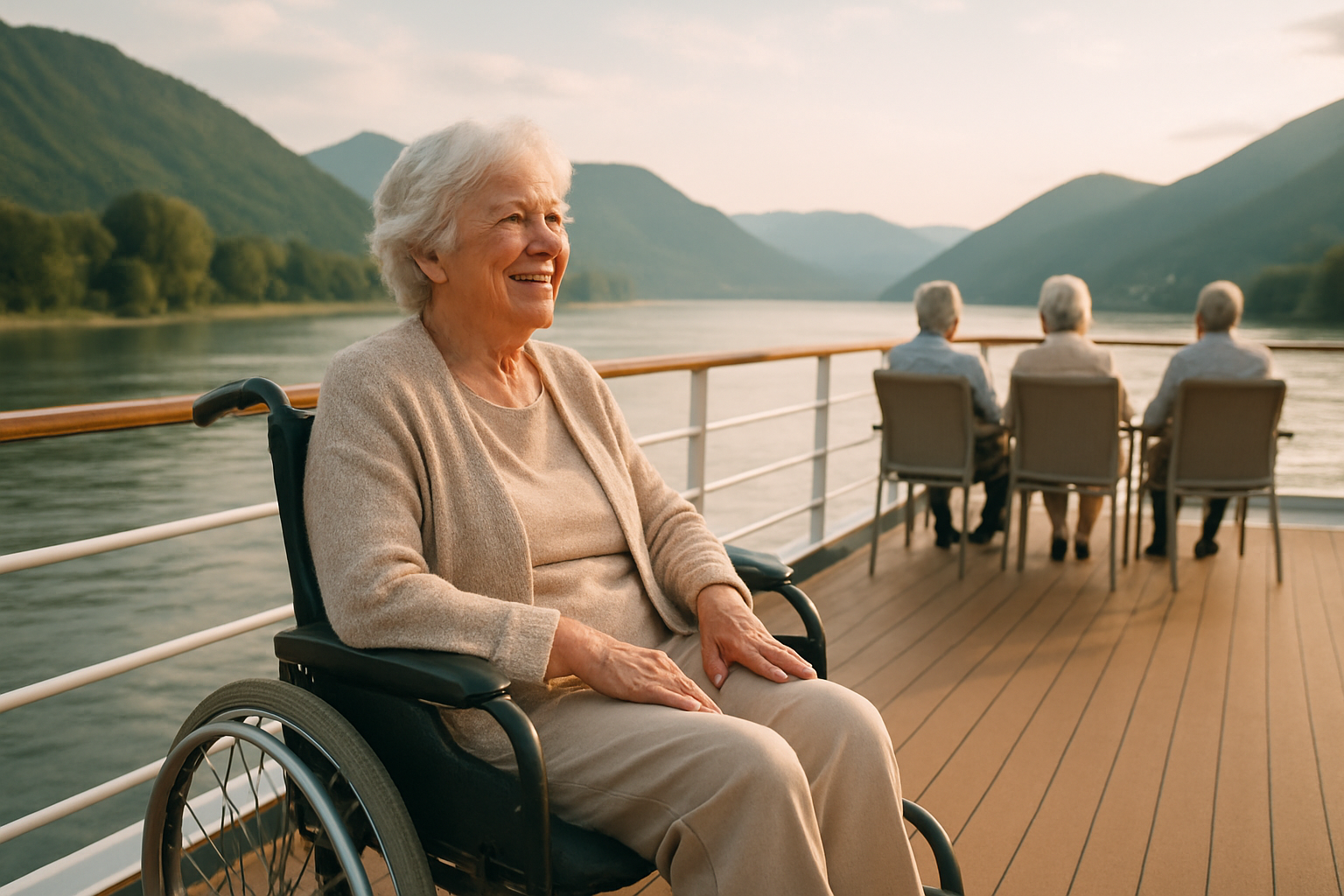
Scenic train journeys through breathtaking landscapes
Picture yourself gliding through snow-capped mountains or rolling countryside while comfortably seated with a warm cup of coffee in hand. Senior travel destinations don't get much better than scenic railway adventures that combine stunning views with hassle-free transportation.
The Rocky Mountaineer in Canada offers luxurious glass-dome cars perfect for viewing the Canadian Rockies without any hiking required. Similarly, Amtrak's Empire Builder crosses the northern United States, showcasing Glacier National Park and the Great Plains from your window seat. These journeys cater to mobility limitations while delivering unforgettable experiences.
European options include Switzerland's Glacier Express, famous for its eight-hour journey through Alpine valleys, and Norway's Flam Railway, which descends through dramatic fjord landscapes. Many of these trains feature accessible boarding, onboard dining, and spacious seating designed for comfort during extended travel.
River cruises with accessible amenities and comfortable accommodations
River cruising has become increasingly popular among seniors seeking retirement bucket list adventures without the challenges of traditional travel. These floating hotels navigate scenic waterways while providing medical facilities, elevators, and wheelchair-accessible cabins.
The Mississippi River offers nostalgic paddlewheeler experiences showcasing American history and culture. European river cruises along the Rhine, Danube, and Seine provide castle views, vineyard tours, and cultural immersion with minimal walking required between destinations.
Most river cruise lines now feature:
-
Accessible shore excursions with motorcoach transportation
-
Onboard medical staff and facilities
-
Elevator access to all decks
-
Spacious staterooms with grab bars and accessible bathrooms
-
Gentle boarding ramps instead of steep gangways
National park visits with senior-friendly trails and facilities
America's national parks increasingly accommodate visitors with mobility challenges through paved trails, accessible viewpoints, and shuttle services. Senior adventure travel doesn't mean sacrificing natural beauty for convenience.
Yellowstone National Park offers scenic drives accessing geysers, hot springs, and wildlife viewing areas without strenuous hiking. The Grand Canyon provides multiple accessible viewpoints along the South Rim, complete with shuttle service and paved walkways.
Great Smoky Mountains National Park features the Gatlinburg Trail and Oconaluftee River Trail, both fully paved and relatively flat. Acadia National Park in Maine offers carriage roads perfect for leisurely walks or wheelchair access, plus scenic drives up Cadillac Mountain.
Many parks now provide:
-
Accessible visitor centers with educational exhibits
-
Reserved parking close to main attractions
-
Wheelchair and mobility scooter rentals
-
Audio tours for self-paced exploration
-
Senior discount passes for unlimited annual access
Cultural city tours with guided transportation and rest stops
Exploring vibrant cities becomes manageable when tours cater to senior needs with comfortable transportation and strategic rest breaks. Meaningful activities for older adults often center around cultural enrichment and historical discovery.
Hop-on, hop-off bus tours in cities like San Francisco, Boston, and Washington D.C. allow flexible pacing with climate-controlled vehicles and audio narration. Many companies now offer specialized senior tours featuring shorter walking segments and frequent stops at cafes or museums.
Walking tours have evolved to include "slow travel" options with bench stops, indoor venues during weather extremes, and professional guides trained in senior hospitality. Cities like Charleston, Savannah, and Santa Fe offer trolley tours combining transportation with local history and architecture.
Popular senior-friendly city experiences include:
-
Museum tours with timed entries and wheelchairs available
-
Food tours using restaurants as rest stops between tastings
-
Harbor cruises providing city skylines from comfortable seating
-
Botanical garden visits with tram transportation between sections
-
Historical home tours featuring period furniture and guided narratives
Creative and Artistic Pursuits to Express Your Inner Self
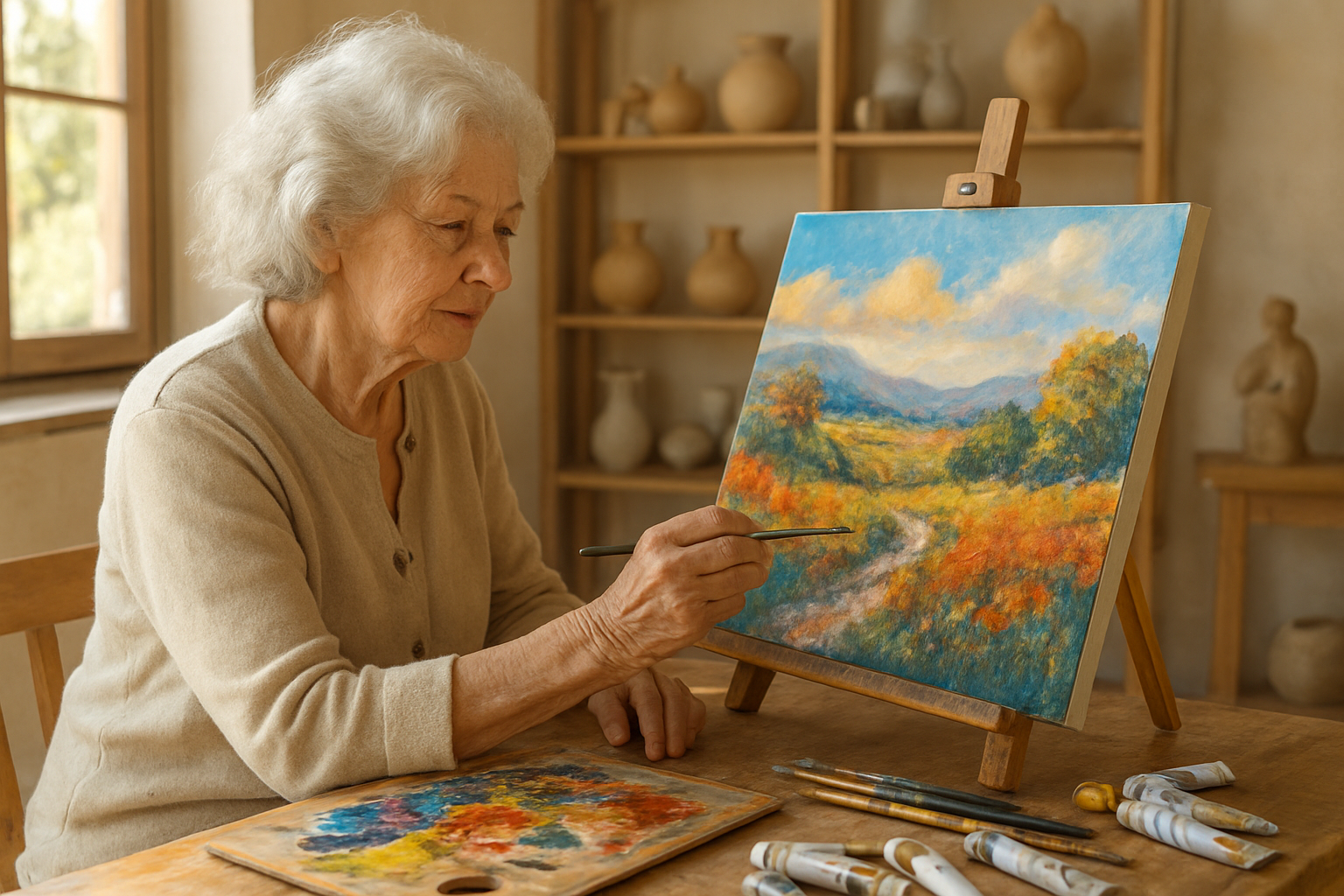
Learning to Paint or Draw with Local Art Classes
Art has no age limit, and many seniors discover their hidden artistic talents later in life. Local community centers, libraries, and art studios regularly offer painting and drawing classes specifically designed for beginners. Watercolor painting is particularly popular among older adults because it's forgiving, requires minimal setup, and creates beautiful results even for novices. Acrylic painting classes provide another excellent starting point, allowing you to work at your own pace while learning color mixing and brush techniques.
Drawing classes focusing on pencil sketching, charcoal work, or pastels offer a more intimate artistic experience. Many instructors understand that seniors may have arthritis or hand mobility issues and adapt their teaching methods accordingly. These creative hobbies for elderly participants often become social gatherings where friendships bloom alongside artistic skills.
The beauty of starting art classes in your golden years lies in the freedom from performance pressure. You're creating for pure joy, not grades or career advancement. Many seniors find that art becomes a meditative practice, reducing stress and providing a sense of accomplishment with each completed piece.
Writing Your Life Story or Memoirs for Family Legacy
Your life experiences represent a treasure trove of stories, wisdom, and family history that deserve preservation. Writing your memoirs doesn't require professional writing skills – it simply needs your authentic voice and memories. Start by jotting down significant life events, funny family stories, or lessons you've learned through the decades.
Many seniors begin with specific themes: childhood memories, career highlights, parenting adventures, or travel experiences. You might focus on historical events you witnessed, family traditions you want to preserve, or advice you wish to pass down to grandchildren. Local libraries often host memoir-writing groups where you can share techniques and receive encouragement from fellow writers.
Consider different formats for your story. Some seniors create traditional written memoirs, while others prefer recording audio stories or creating photo albums with detailed captions. Digital tools make it easier than ever to organize and share your memories with family members across the globe.
The process itself becomes therapeutic, helping you process life experiences while creating something meaningful for future generations. Your grandchildren will treasure these personal accounts far more than any store-bought gift.
Taking Up Photography to Capture Meaningful Moments
Photography offers seniors a perfect blend of creativity, technology, and social connection. Modern cameras and smartphones make photography more accessible than ever, with automatic settings that handle technical details while you focus on composition and storytelling. Many community colleges offer photography classes specifically for seniors, covering both technical basics and artistic vision.
Start with subjects that interest you: grandchildren's activities, garden flowers, local architecture, or nature walks. Photography encourages you to see your surroundings with fresh eyes, noticing details and beauty you might otherwise overlook. This mindful observation can enhance your appreciation for everyday moments.
Digital photography eliminates the cost and wait time of film processing, allowing you to experiment freely and learn from immediate results. Many seniors enjoy creating photo books, sharing images on social media, or displaying their work in local exhibitions. Camera clubs provide opportunities to learn from others while exploring new locations together.
Photography also creates natural opportunities for meaningful activities for older adults by documenting family gatherings, community events, or personal travels. Your images become visual diary entries, preserving memories for both yourself and your loved ones.
Joining Community Theater Groups for Performance Opportunities
Community theater welcomes performers of all ages and experience levels, offering seniors a chance to explore their dramatic side. Many theater groups actively seek mature actors for age-appropriate roles, recognizing that life experience brings authenticity to performances. You don't need previous acting experience – enthusiasm and willingness to learn matter most.
Theater involvement extends beyond acting to include costume design, set construction, lighting, sound, or directing. These behind-the-scenes roles suit different comfort levels while still providing creative fulfillment and social connection. Many seniors discover talents they never knew they possessed.
Rehearsals and performances create structured social activities that many retirees miss after leaving the workforce. The collaborative nature of theater builds strong friendships as cast and crew work together toward opening night. The mental stimulation of memorizing lines, understanding character motivation, and coordinating with other performers keeps minds sharp and engaged.
Local theater groups often perform at senior centers, community events, or small venues, creating intimate performance opportunities without the pressure of large-scale productions. Whether you're delivering comedic lines, singing in a musical, or helping with backstage logistics, theater participation adds excitement and purpose to your routine while contributing to your community's cultural life.
Educational Goals That Stimulate Mental Growth

Auditing College Courses in Subjects You've Always Loved
Universities across the country welcome mature learners through audit programs that let you explore fascinating subjects without the pressure of grades or assignments. Many schools offer special senior rates or even free auditing for residents over 65. Picture yourself finally diving into that art history class you always wanted to take, or exploring philosophy discussions that challenge your thinking in new ways.
The beauty of auditing lies in pure learning for joy's sake. You can choose courses that spark genuine curiosity - maybe marine biology, creative writing, or ancient civilizations. Community colleges often provide the most accessible options, with smaller class sizes and professors who appreciate having experienced students in their classrooms. Your life experiences add valuable perspectives to class discussions, enriching the learning environment for everyone.
Before enrolling, contact the admissions office to understand their audit policies. Some schools require you to get professor permission first, while others have streamlined registration processes for seniors. Consider starting with one course per semester to gauge your interest and energy levels.
Learning a New Language Through Online or Community Programs
Mastering a new language ranks high on many bucket list ideas for seniors, opening doors to different cultures and keeping your brain sharp. Research shows that language learning helps maintain cognitive function as we age, making it both personally fulfilling and mentally beneficial.
Online platforms like Duolingo, Babbel, and Rosetta Stone offer user-friendly interfaces designed for adult learners. These programs let you progress at your own pace, perfect for fitting lessons around your schedule. Many seniors find success with 15-20 minute daily sessions rather than marathon study periods.
Community centers and libraries frequently host language conversation groups where you can practice with fellow learners. These social settings make learning more enjoyable while building new friendships. Local cultural organizations often sponsor language classes paired with cultural activities - imagine learning Italian while preparing traditional pasta dishes, or studying Spanish before a group trip to Mexico.
Consider choosing a language connected to your heritage, travel dreams, or family connections. Maybe your grandchildren speak Mandarin, or you've always wanted to read French literature in its original form. Having personal motivation makes the learning journey more meaningful and sustainable.
Attending Lectures and Workshops at Libraries and Museums
Public libraries have transformed into vibrant learning hubs offering incredible educational opportunities for lifelong learning for seniors. Most libraries host regular lecture series featuring local experts, authors, and historians discussing topics ranging from gardening techniques to world history. These events are typically free and designed for general audiences, making complex subjects accessible and engaging.
Museums provide immersive learning experiences that go far beyond traditional exhibits. Many offer behind-the-scenes tours, curator talks, and hands-on workshops. Art museums might host painting classes inspired by their collections, while science museums could offer astronomy nights with telescope viewing. History museums often feature guest speakers discussing local heritage or significant historical periods.
University extension programs frequently partner with community venues to bring academic-quality lectures to the public. These presentations maintain high educational standards while remaining welcoming to non-academic audiences. Topics might include current events analysis, scientific discoveries, or cultural explorations.
Creating a personal learning calendar helps you stay engaged with meaningful activities for older adults. Check museum websites, library event calendars, and local cultural center announcements monthly. Many venues offer membership programs that provide early registration and special access to premium events. This proactive approach ensures you never miss opportunities that align with your interests and curiosity.
Meaningful Connections and Relationship Building
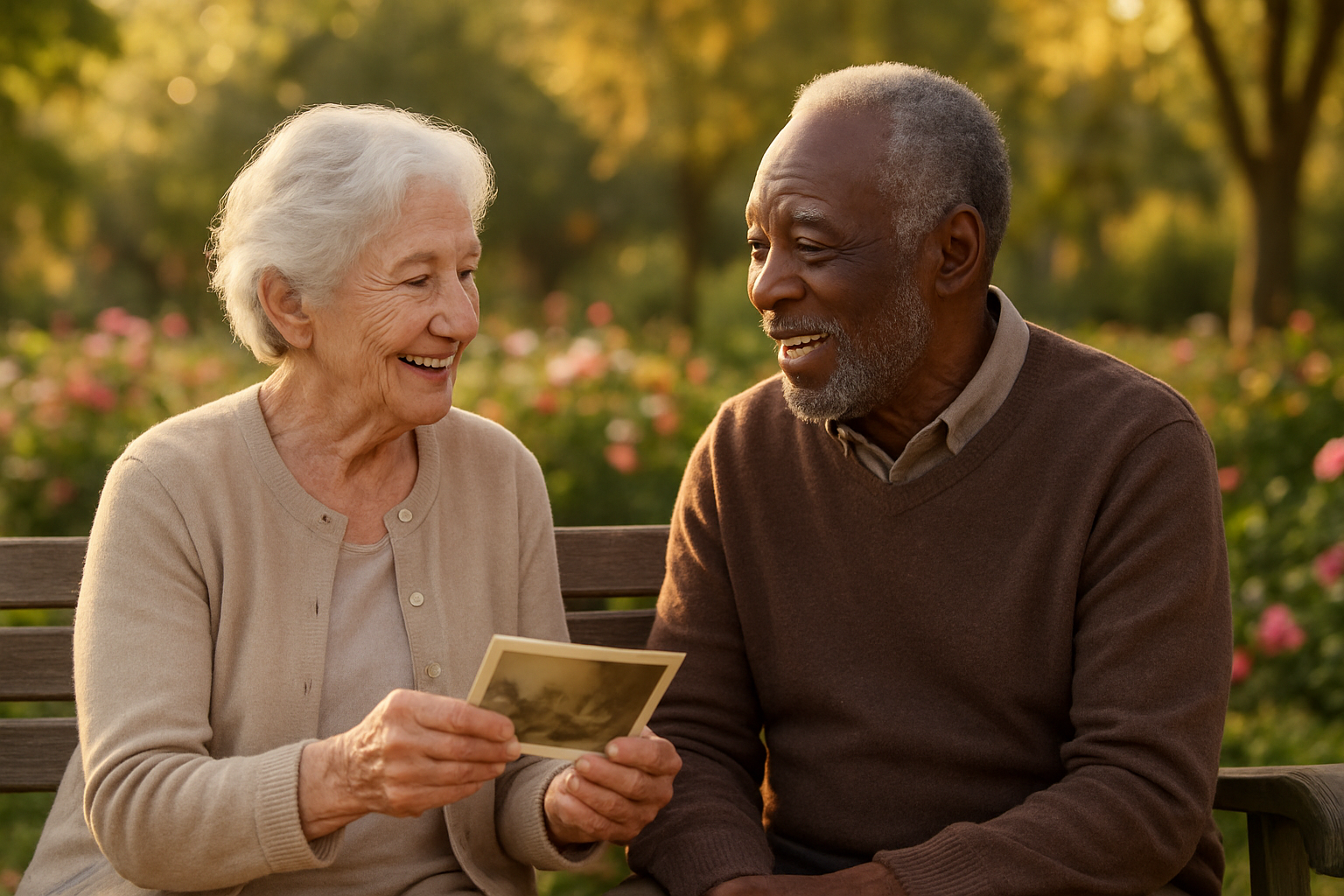
Reconnecting with old friends and childhood acquaintances
Technology has made finding old friends easier than ever before. Social media platforms, reunion websites, and online directories can help you track down classmates from decades past. The joy of reconnecting with someone who knew you during your formative years brings a unique warmth that new friendships rarely match. These connections often spark incredible conversations about shared memories and life experiences that shaped who you became.
Many seniors discover that childhood friends remember stories they'd forgotten, creating delightful trips down memory lane. Planning meetups, whether virtual or in-person, becomes an exciting adventure in itself. Some organize impromptu road trips to visit old neighborhoods or attend high school reunions they previously skipped.
Volunteering for causes close to your heart
Your life experience and wisdom make you an invaluable volunteer. Animal shelters, literacy programs, food banks, and hospitals constantly need dedicated helpers who genuinely care. The meaningful activities for older adults often involve giving back to communities that supported them throughout their lives.
Choose causes that align with your values and physical capabilities. Reading to children at libraries, helping at community gardens, or assisting with tax preparation services during filing season can provide deep satisfaction. Many volunteers find that their contributions create lasting impacts while forming new friendships with fellow volunteers and the people they serve.
Mentoring young people in your field of expertise
Your decades of professional experience represent tremendous knowledge that younger generations desperately need. Mentoring programs connect experienced professionals with students or early-career individuals seeking guidance. Whether you worked in business, education, healthcare, or trades, someone can benefit from your insights about navigating workplace challenges, building professional relationships, and making strategic career decisions.
Formal mentoring programs exist through professional associations, community colleges, and nonprofit organizations. Informal mentoring can happen through networking events or simply reaching out to young professionals in your former field. The relationships that develop often become mutually rewarding, as mentors frequently learn new perspectives from their mentees.
Joining clubs and groups based on shared interests
Book clubs, gardening societies, hiking groups, and hobby organizations provide natural ways to meet like-minded people. These groups offer structured activities that reduce the awkwardness of meeting new people while pursuing interests you're passionate about. Whether you love photography, cooking, board games, or bird watching, there's likely a local group that shares your enthusiasm.
Many communities have senior citizen bucket list activities organized through recreation centers, libraries, or community organizations. These groups often plan outings, workshops, and social events that help members build lasting friendships while exploring new interests together.
Personal Achievement and Skill Development
Mastering a Musical Instrument You've Always Wanted to Play
Pick up that guitar that's been gathering dust in the closet or finally sit down at the piano bench. Senior citizen bucket list activities like learning music prove that age opens doors rather than closes them. Your brain loves new challenges, and music provides the perfect workout for memory, coordination, and creativity.
Start with instruments that work with your physical abilities. Keyboards offer volume control and weighted keys that adjust to your touch. Ukuleles are lighter than guitars and require less finger strength. Harmonicas fit right in your pocket and don't strain your back. Many music stores offer senior discounts on lessons, and YouTube provides free tutorials you can pause and replay as needed.
Consider joining a senior music group or community band. These social settings make learning more enjoyable and give you performance goals to work toward. Many retirement communities have music rooms where residents gather to practice together.
Learning to Cook Cuisine from Different Cultures
Transform your kitchen into a passport to the world. Cooking different cultural dishes connects you to history, traditions, and flavors that tell stories of distant places. Meaningful activities for older adults like cultural cooking combine creativity with practical skills you'll use daily.
Start with cuisines that match your dietary needs and spice tolerance. Mediterranean cooking offers heart-healthy ingredients and simple techniques. Thai dishes can be adapted to reduce heat while keeping authentic flavors. Italian pasta dishes provide comfort food that's easy on the budget and stomach.
Take cooking classes at community centers or culinary schools that offer senior programs. Many offer morning classes when you're most energetic. Partner with friends to share costs and create cooking groups where everyone brings ingredients for a cultural feast.
Stock your pantry with basic spices and sauces from different cultures. Having ingredients ready makes it easier to experiment when inspiration strikes. Keep a cooking journal to record successful recipes and notes about modifications that work for you.
Developing Gardening Skills with Flowers or Vegetables
Gardening connects you to nature's rhythms while providing gentle exercise and fresh food or beautiful blooms. Aging gracefully activities include gardening because it offers year-round projects that adapt to your energy levels and physical abilities.
Start small with container gardens that don't require bending or kneeling. Raised beds bring plants to a comfortable working height. Herb gardens provide immediate rewards with fresh flavors for cooking. Tomatoes, lettuce, and peppers grow well in containers and give you the satisfaction of eating what you've grown.
For flower gardens, choose perennials that come back year after year with minimal effort. Daylilies, hostas, and coneflowers provide color without demanding daily attention. Native plants require less water and maintenance while supporting local wildlife.
Join gardening clubs or visit botanical gardens for inspiration and advice. Many experienced gardeners love sharing knowledge and may offer cuttings or seeds to get you started.
Taking Up Gentle Fitness Activities Like Tai Chi
Tai chi combines meditation with movement, creating exercise that strengthens your body without straining joints. These flowing movements improve balance, reduce fall risk, and calm your mind. Lifelong learning for seniors includes discovering how your body can still learn new ways to move gracefully.
Look for beginner classes specifically designed for seniors. Community centers, libraries, and senior centers often offer free or low-cost programs. Instructors understand how to modify movements for different ability levels and health conditions.
Practice in parks where groups gather for morning tai chi sessions. The social aspect makes exercise more enjoyable and provides accountability partners who encourage regular attendance. Outdoor practice connects you with nature while you move.
Water tai chi, practiced in swimming pools, reduces joint stress while adding gentle resistance. The water supports your body weight, making movements easier while still providing strength-building benefits.
Completing Puzzles or Games That Challenge Your Mind
Mental challenges keep your brain sharp and provide satisfying moments when pieces fall into place. Bucket list ideas for seniors should include activities that exercise different types of thinking, from spatial reasoning to word skills.
Jigsaw puzzles come in sizes and difficulty levels for every ability. Start with 500-piece puzzles featuring images you enjoy - landscapes, animals, or famous artworks. Gradually increase complexity as your skills improve. Puzzle boards let you move projects around your home without losing pieces.
Crossword puzzles and sudoku provide daily brain training that fits into any schedule. Word games like Scrabble or Boggle can become social activities when played with family or friends. Many apps offer these games with adjustable difficulty levels.
Strategy games like chess, checkers, or bridge challenge different mental skills. Local libraries and senior centers often host game groups where you can learn from experienced players and make new friends who share your interests.

Getting older doesn't mean your dreams have to get smaller. From gentle travel adventures that work with your body's needs to picking up that paintbrush you've always wanted to try, there's a whole world of possibilities waiting. Learning something new, reconnecting with old friends, or finally mastering that skill you've put off for decades can bring just as much joy and fulfillment as any extreme adventure.
The best bucket list items aren't about checking boxes or keeping up with anyone else. They're about what truly matters to you right now. Start with one thing that makes your heart light up when you think about it. Whether that's taking a pottery class, planning a scenic train trip, or teaching someone else what you know best, your next great adventure is closer than you think.


Comments
Post a Comment