Budgeting tips for a financially calm New Year

Starting fresh with your finances doesn't have to feel overwhelming. These New Year budgeting tips will help you take control of your money and reduce financial stress throughout the year.
This guide is perfect for anyone ready to get serious about their personal finance new year goals—whether you're tired of living paycheck to paycheck, want to finally build savings, or simply need a better system to track where your money goes each month.
You'll discover how to create a zero-based budgeting system that assigns every dollar a purpose, plus learn emergency fund strategies that actually work for your lifestyle. We'll also cover practical ways to eliminate spending habits that derail your progress and explore budgeting apps and tools that make monthly budget planning simple and sustainable.
By the end, you'll have a clear roadmap for achieving financial wellness tips and the confidence to stick with your budget all year long.
Assess Your Current Financial Position

Calculate your total monthly income from all sources
Start by listing every dollar that flows into your household each month. Include your primary job salary, freelance work, rental income, investment dividends, side hustles, and even occasional income like selling items online. Don't forget irregular sources like quarterly bonuses or seasonal work - calculate their monthly average to get a complete picture.
Track and categorize your expenses for the past three months
Pull out your bank statements, credit card bills, and receipts from the last three months to see where your money actually goes. Group expenses into categories like housing, transportation, groceries, entertainment, and subscriptions. This monthly budget planning exercise reveals spending patterns you might not notice day-to-day and shows which categories consistently exceed your expectations.
Identify your debt obligations and minimum payments
List all your debts including credit cards, student loans, car payments, mortgages, and personal loans. Write down the current balance, minimum monthly payment, and interest rate for each. This clear debt snapshot helps you prioritize which debts to tackle first and ensures you never miss minimum payments that could damage your credit score.
Determine your current savings and emergency fund status
Check all your savings accounts, retirement contributions, and any cash reserves you have available. Calculate how many months of expenses your emergency fund could cover if you lost your income tomorrow. Most financial experts recommend three to six months of expenses, but even $500 can handle many common financial emergencies that pop up throughout the year.
Set Realistic Financial Goals for the Year

Define short-term goals for the first quarter
Start your financial goals for the New Year by focusing on what you can accomplish in just three months. Pick one or two specific targets like paying off a credit card or saving $500 for car maintenance. Short-term wins build momentum and prove your budgeting system works before tackling bigger challenges.
Establish mid-year savings milestones
Break your annual savings target into manageable chunks by setting mid-year checkpoints. If you want $3,000 saved by December, aim for $1,500 by June. This approach keeps you accountable and lets you adjust your monthly budget planning if you're falling behind or getting ahead of schedule.
Plan major purchases and expenses throughout the year
Map out big expenses like car registration, insurance renewals, holiday gifts, and vacation costs across all twelve months. Knowing when these hits are coming helps you save gradually instead of scrambling for cash. Create a separate savings category for each major expense and automate monthly contributions to avoid budget surprises.
Create a Zero-Based Monthly Budget System
Allocate every dollar before the month begins
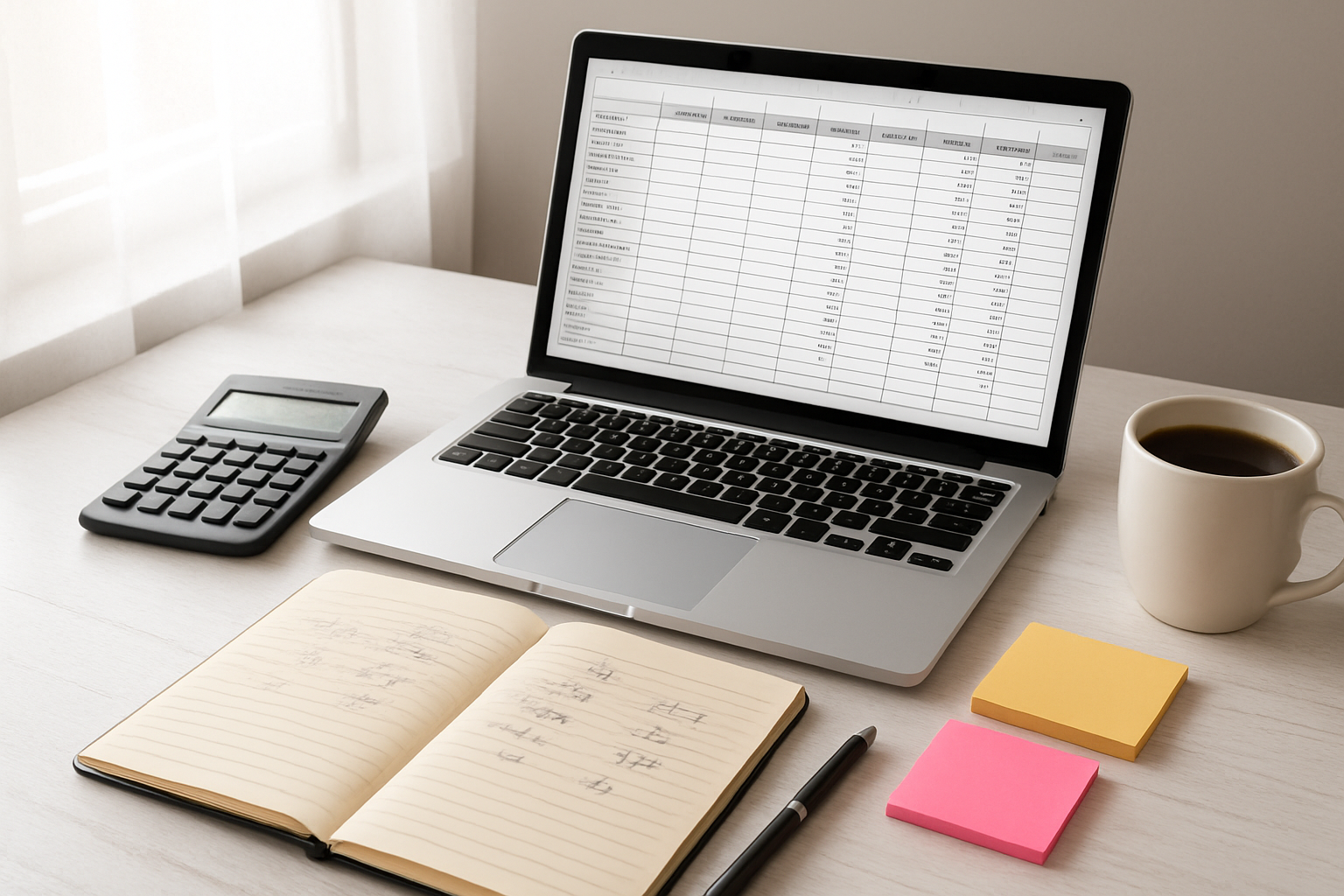
Zero-based budgeting means every dollar gets a specific job before you spend it. Start by listing your total monthly income, then assign each dollar to categories like housing, groceries, savings, and entertainment. This monthly budget planning approach prevents mindless spending and helps you stay intentional with your money.
Use the 50/30/20 rule as your foundation
The 50/30/20 rule provides a solid framework for your zero-based budgeting system. Allocate 50% of your after-tax income to needs like rent and utilities, 30% to wants like dining out and hobbies, and 20% to savings and debt repayment. This structure simplifies decision-making while ensuring you cover essentials and build wealth.
Build in flexibility for unexpected expenses
Even the best budgets need wiggle room. Create a "miscellaneous" category with 5-10% of your income for surprises like car repairs or medical bills. When unexpected costs arise, you won't derail your entire financial plan. If you don't use this buffer, roll it into next month's emergency fund or debt payments.
Automate fixed expenses and savings transfers
Set up automatic payments for recurring bills like rent, insurance, and loan payments to avoid late fees and mental fatigue. Schedule automatic transfers to your savings account right after payday, treating savings like a non-negotiable expense. This "pay yourself first" approach removes the temptation to spend money earmarked for your financial future.
Eliminate Budget-Busting Habits

Identify and reduce subscription services you don't use
Most people have at least three subscription services they've forgotten about, slowly draining their bank accounts each month. Start by reviewing your credit card and bank statements from the past three months to spot recurring charges. Cancel streaming services, gym memberships, magazine subscriptions, and apps you haven't used in the last 30 days. Even $10 monthly subscriptions add up to $120 annually.
Plan meals and grocery shopping to avoid food waste
Strategic meal planning can slash your grocery budget by 20-30% while reducing food waste. Create weekly meal plans based on what's already in your pantry, then make detailed shopping lists organized by store sections. Shop with a full stomach to avoid impulse purchases, and stick to your list religiously. Batch cooking on weekends saves both time and money throughout the week.
Implement a 24-hour waiting period for non-essential purchases
The 24-hour rule stops emotional spending in its tracks and helps you distinguish between wants and needs. When you feel the urge to buy something non-essential, write it down and wait a full day before purchasing. This simple pause gives your rational mind time to evaluate whether the purchase aligns with your financial goals. You'll be surprised how many "must-have" items lose their appeal after sleeping on it.
Build Your Emergency Fund Strategically

Start with a mini emergency fund of $500-$1000
Building your emergency fund starts small. Your first goal should be saving $500 to $1,000 as quickly as possible. This mini fund covers most unexpected expenses like car repairs, medical bills, or appliance breakdowns without deriving credit cards. Focus on cutting one expense or picking up extra income to reach this milestone fast.
Gradually increase to cover 3-6 months of expenses
Once you've built your starter fund, expand it to cover three to six months of living expenses. Calculate your monthly essentials including rent, utilities, groceries, and debt payments. If your monthly expenses total $3,000, aim for $9,000 to $18,000 in your emergency fund. This larger cushion protects against job loss or major life changes that could impact your income for extended periods.
Keep emergency funds in a separate high-yield savings account
Store your emergency money in a dedicated high-yield savings account, completely separate from your checking and regular savings. This separation prevents you from accidentally spending emergency funds on non-emergencies. High-yield accounts earn better interest rates than traditional savings while keeping your money easily accessible when genuine emergencies arise.
Set up automatic transfers to grow your fund consistently
Automate your emergency fund growth by scheduling weekly or monthly transfers from your checking account. Even $25 per week adds up to $1,300 annually. Treat these transfers like mandatory bills that get paid first. Your New Year budgeting tips should include this automation strategy because consistency beats large irregular contributions when building long-term financial security.
Use Technology to Stay on Track

Choose budgeting apps that sync with your bank accounts
Modern budgeting apps and tools automatically connect to your financial accounts, giving you real-time spending insights without manual data entry. Popular options like Mint, YNAB, and PocketGuard categorize transactions instantly, making budget tracking methods effortless and accurate for your financial wellness journey.
Set up spending alerts and category limits
Configure notifications when you approach spending limits in categories like dining or entertainment. These alerts act as gentle guardrails, preventing overspending before it happens. Most apps allow custom thresholds, so you can set warnings at 80% of your monthly budget planning targets to stay on track.
Schedule weekly money check-ins to review progress
Block 15 minutes every Sunday for reviewing your spending patterns and adjusting categories as needed. Regular check-ins help identify trends early and keep your New Year budgeting tips working effectively. This habit transforms budgeting from a monthly chore into an ongoing conversation with your money.

Taking control of your finances doesn't have to be overwhelming or stressful. By honestly looking at where your money goes, setting goals you can actually reach, and creating a budget that works for your real life, you're already ahead of most people. Getting rid of those sneaky spending habits and building up your emergency fund will give you the peace of mind that comes with knowing you're prepared for whatever life throws your way.
Start with just one or two of these steps instead of trying to tackle everything at once. Pick a budgeting app that feels easy to use, or begin by tracking your spending for a week to see where your money really goes. The key is to make small, consistent changes that stick rather than dramatic overhauls that burn you out. Your future self will thank you for taking these simple steps toward a more secure and stress-free financial life.


Comments
Post a Comment