Decluttering tips to refresh your space
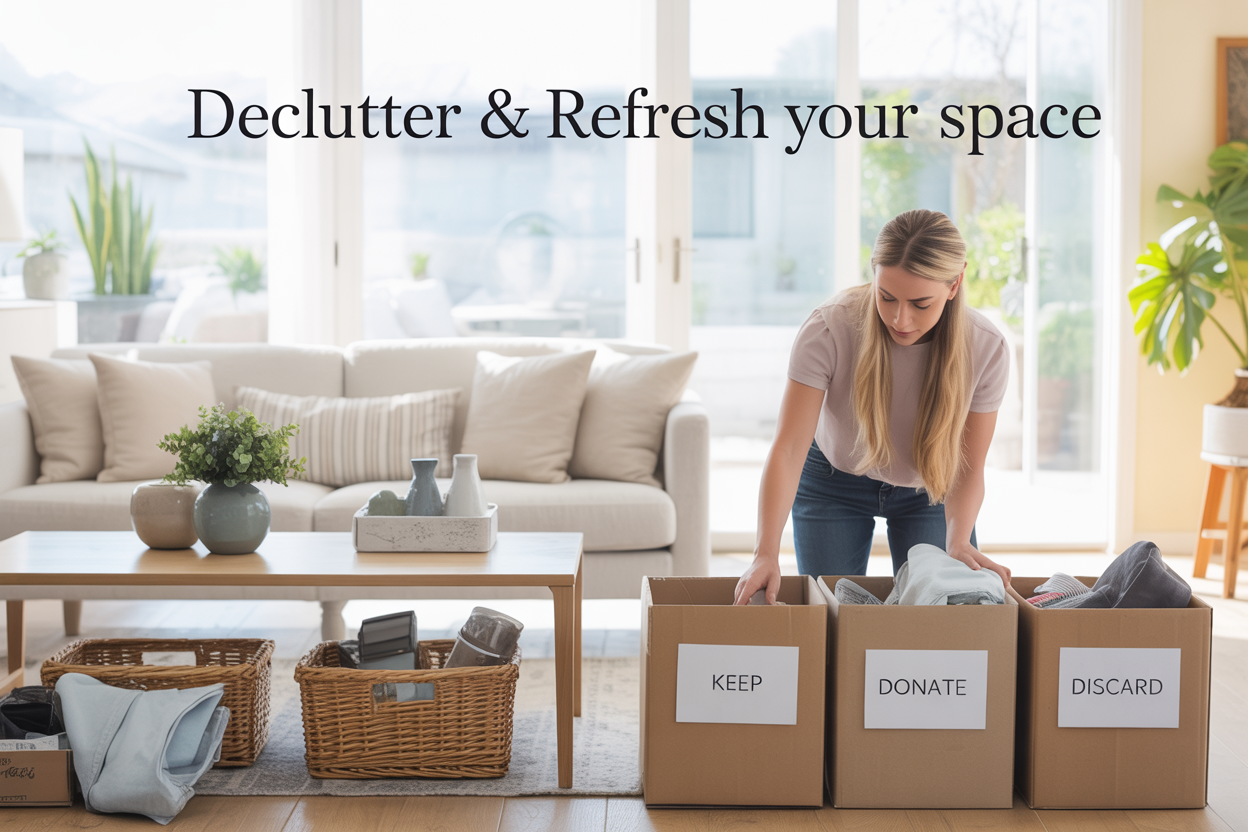
A cluttered home creates stress and makes daily tasks harder than they need to be. These decluttering tips will help homeowners, renters, and anyone feeling overwhelmed by their belongings create a more peaceful, organized living space.
This guide is perfect for busy families, students in small apartments, and anyone ready to tackle the mess that's been building up over time. You'll discover how to mentally prepare for the decluttering process and learn room by room decluttering strategies that break down big tasks into manageable steps.
We'll cover smart sorting methods that help you decide what stays and what goes, plus show you which high-impact areas deliver the biggest visual payoff for your efforts. You'll also get practical home organization tips to keep your space looking great long after you finish decluttering.
Prepare Your Mind and Space for Effective Decluttering
Set clear goals and realistic expectations
Before diving into your decluttering project, take a moment to define what success looks like for you. Are you hoping to create more functional storage space, reduce visual clutter, or prepare for a move? Write down your specific objectives and be honest about what you can accomplish in your available time frame.
Many people underestimate how emotionally and physically demanding decluttering can be. Instead of planning to tackle your entire house in a weekend, break your project into manageable chunks. A realistic goal might be one room per weekend or even just one closet per session. Remember that decluttering is a marathon, not a sprint - sustainable progress beats overwhelming yourself.
Set measurable targets like "donate 20 items from my bedroom" or "clear the dining table completely." These concrete goals give you something to celebrate when completed and help maintain momentum throughout the process.
Choose the right time when you have energy and focus
Timing plays a crucial role in successful home decluttering. Schedule your decluttering sessions when you naturally feel most energetic and focused. For many people, this means morning hours when decision-making abilities are at their peak, rather than attempting to sort through belongings when you're tired after a long day.
Block out dedicated time slots - ideally 2-3 hour windows - rather than trying to squeeze decluttering into spare moments. Your brain needs sustained focus to make the numerous decisions involved in sorting through your possessions effectively.
Consider your weekly rhythm too. Weekends might offer longer time blocks, but if you're usually exhausted by Saturday, a Wednesday evening might actually work better for focused decluttering work.
Gather essential supplies and sorting containers
Having the right tools ready before you start prevents interruptions and keeps you in the decluttering zone. Gather four large boxes or bins and label them: Keep, Donate, Sell, and Trash. Clear plastic containers work great because you can see what's inside at a glance.
Stock up on cleaning supplies including microfiber cloths, all-purpose cleaner, and vacuum bags since you'll likely want to clean areas as you clear them. Grab some sturdy garbage bags, packing tape, and markers for labeling donation boxes.
Don't forget practical items like a measuring tape for checking if furniture fits in new spots, your phone for taking "before" photos, and a notepad for jotting down items you might need to purchase later for better organization.
| Essential Supply | Purpose |
|---|---|
| 4 sorting containers | Keep, Donate, Sell, Trash categories |
| Cleaning supplies | Refresh cleared areas |
| Garbage bags | Quick disposal of obvious trash |
| Measuring tape | Check furniture placement options |
| Labels/markers | Identify sorted items clearly |
Create a motivating playlist or environment
Transform your space into an environment that energizes and motivates you throughout the decluttering process. Music can dramatically improve your mood and energy levels - create an upbeat playlist that makes you want to move and work. Choose songs that pump you up rather than slow, contemplative tracks that might make you feel sentimental about items you should let go.
Open windows for fresh air and natural light whenever possible. Good lighting helps you see items clearly and makes decisions easier. If you're working in darker areas like basements or closets, bring in extra lamps or work lights.
Consider inviting a trusted friend to help - having someone to chat with makes the work feel less overwhelming, and they can offer objective opinions about items you're struggling to decide on. Just make sure your helper understands your goals and won't pressure you to keep things you're ready to release.
Set up small rewards for yourself too. Plan to order takeout from your favorite restaurant after completing a room, or save a new episode of a show you love to watch during your post-decluttering break.
Master the Room-by-Room Decluttering Strategy
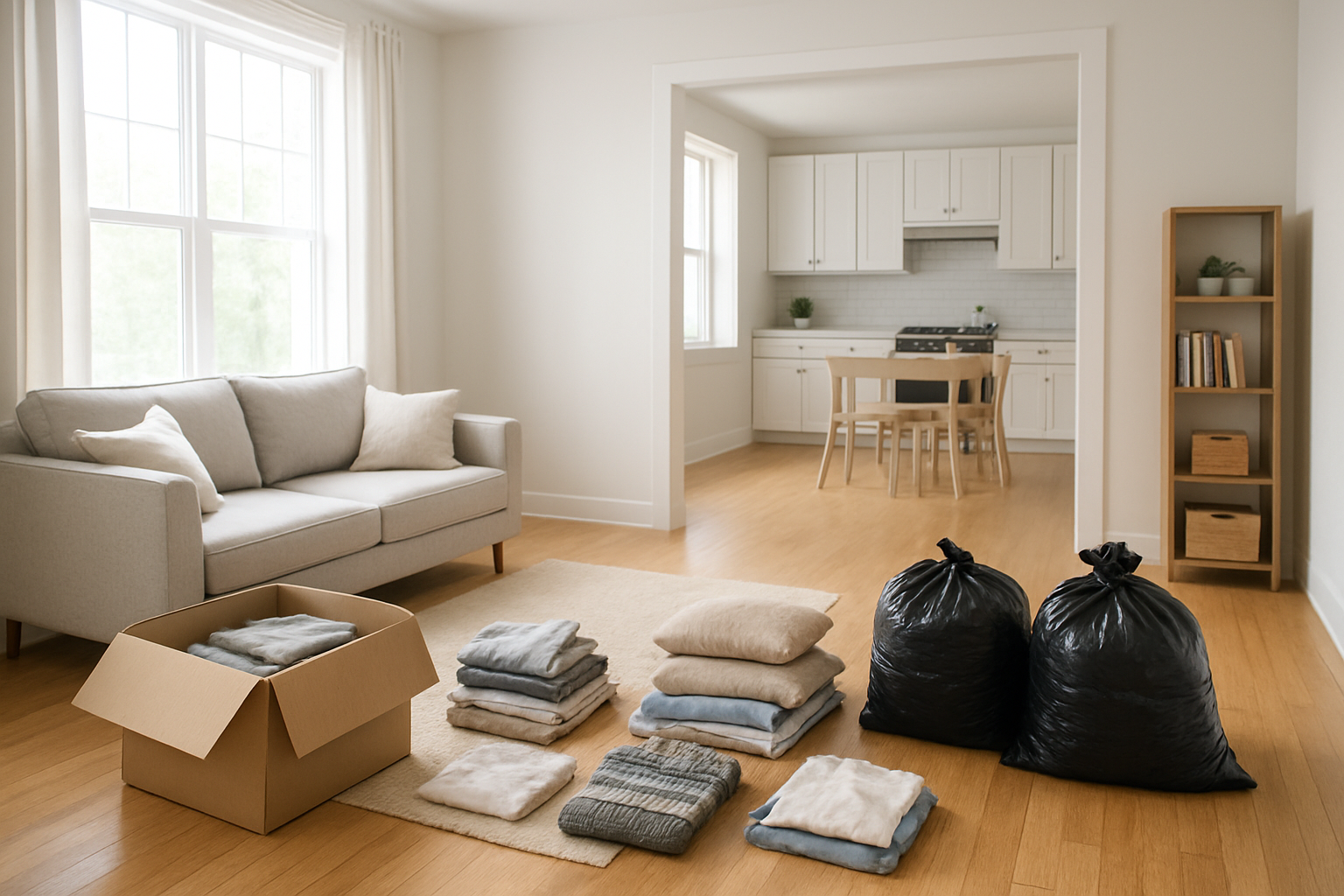
Start with the easiest room to build momentum
Pick the room that feels least overwhelming to tackle first. Your guest bathroom, linen closet, or entryway usually work perfectly because they're smaller spaces with fewer emotional attachments. When you start with an easy win, you'll feel accomplished and energized to move on to more challenging areas.
The key is choosing a space you can complete in one session. Nothing kills momentum quite like leaving a half-finished decluttering project that makes your home feel even messier than when you started. A powder room might take just 30 minutes, while a hall closet could be done in an hour.
Starting small also helps you perfect your decluttering strategies before moving to rooms packed with sentimental items or complex organizing challenges. You'll develop a rhythm and confidence that carries you through the tougher spaces later.
Focus on one category of items at a time
Instead of randomly grabbing things throughout a room, group similar items together first. Pull all the books from every shelf, all the clothes from every drawer, or all the kitchen gadgets from every cabinet. This room by room decluttering approach prevents you from moving items around without actually reducing the total amount.
When you see everything in one category spread out, you'll quickly spot duplicates and realize just how much you actually own. Those five can openers hiding in different drawers become impossible to ignore when they're sitting side by side on your counter.
This method also speeds up decision-making. Your brain gets into a specific mindset for evaluating books, clothes, or papers, making choices faster and more consistent across the entire category.
Use the keep, donate, sell, trash method
Create four distinct piles or boxes for every single item you touch. The "keep" pile stays in the room, while everything else leaves immediately or gets staged by your front door. This systematic sorting prevents items from migrating back to their old spots out of habit.
For the "sell" pile, be realistic about your time and energy. If you won't list items within two weeks, just donate them instead. The mental space you'll gain is worth more than the few dollars you might make.
| Decision Category | What Goes Here | Next Steps |
|---|---|---|
| Keep | Items you use regularly and genuinely love | Return to organized spots in room |
| Donate | Good condition items you don't need | Drop off within 3 days |
| Sell | Valuable items you're willing to list | Post online within 2 weeks |
| Trash | Broken, worn out, or expired items | Take to curb immediately |
Don't create a "maybe" pile - it just delays decisions and clutters your space longer. When in doubt, donate it. If you haven't missed it in six months, you made the right choice.
Take before and after photos for motivation
Snap pictures from multiple angles before you start each room. These photos serve as your baseline and help you see progress that might feel invisible when you're in the thick of organizing. Your brain adapts quickly to improvements, making dramatic changes feel ordinary within days.
The before photos also prevent you from getting discouraged halfway through when everything looks worse before it looks better. Decluttering always creates temporary chaos, and having that visual reminder of your starting point keeps you pushing forward.
After photos become powerful motivation for maintaining your newly organized space. Post them somewhere visible or save them as your phone's wallpaper. When you're tempted to let things slide back into old patterns, those images remind you exactly how good your refreshed space can look and feel.
Take progress shots during the process too. Sometimes the biggest victory is simply having all your books in one pile, even if they're not back on organized shelves yet. Celebrating these small wins keeps your energy high for the entire home decluttering guide journey.
Apply the Life-Changing Magic of Smart Sorting
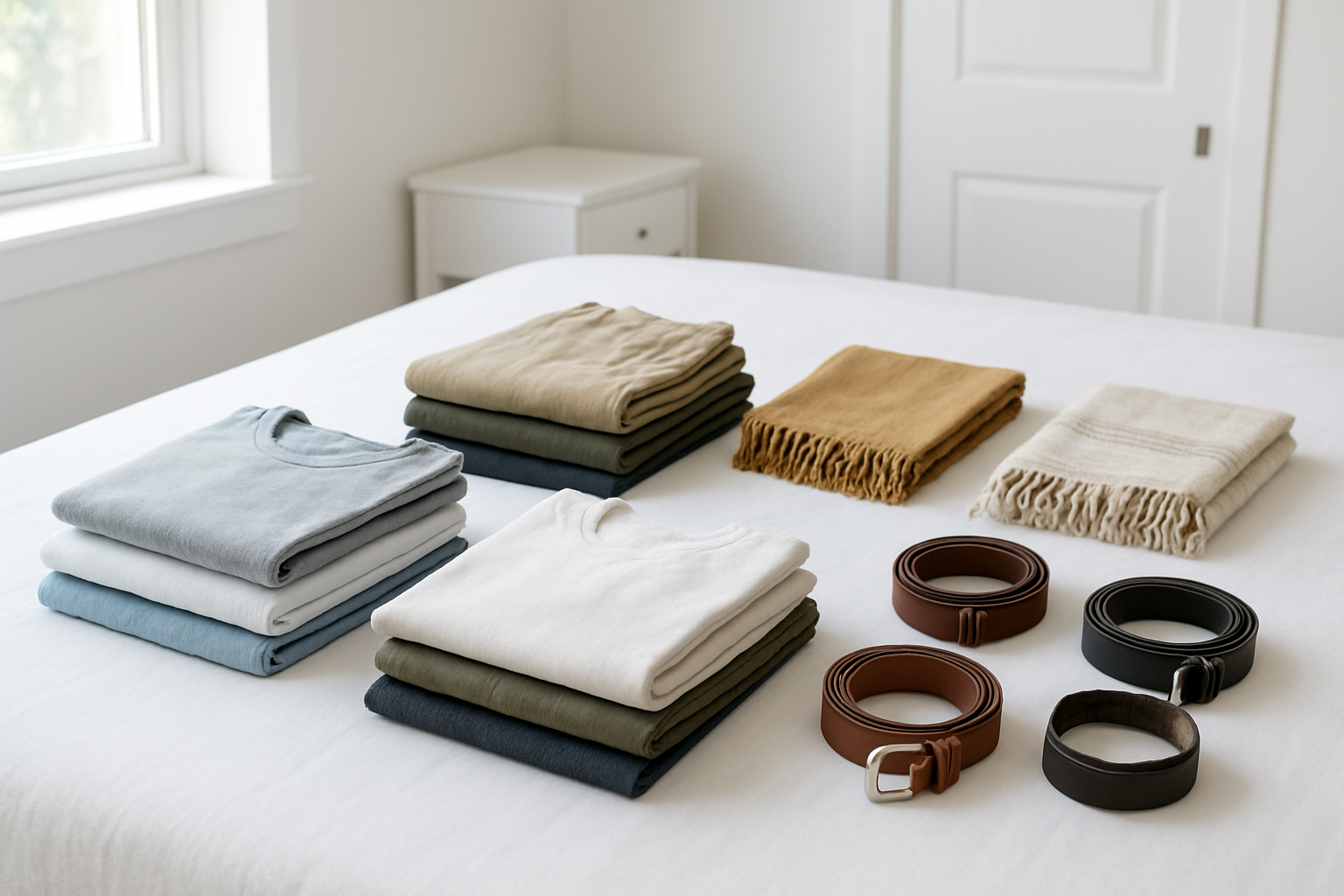
Handle each item only once during the process
Pick up an item, make a decision, and move on. This simple rule prevents endless second-guessing and keeps your decluttering momentum strong. When you handle something multiple times, you're wasting precious energy and creating unnecessary stress. The moment you touch an item, decide immediately: keep, donate, sell, or trash.
Create four designated boxes or areas before you start. Label them clearly so there's no confusion about where items belong. When you pick up that old sweater or forgotten gadget, you already know your options. This eliminates the mental back-and-forth that slows down the entire process.
Your first instinct about an item is usually correct. Trust that gut feeling instead of overthinking every small decision. If you're unsure about something valuable or sentimental, set a timer for 30 seconds maximum to decide. This prevents analysis paralysis while still allowing thoughtful consideration for important items.
Ask yourself key questions about necessity and joy
Three powerful questions can transform your decluttering experience: "Have I used this in the past year?", "Does this bring me joy or serve a real purpose?", and "Would I buy this again today?" These questions cut through emotional attachment and focus on practical reality.
The joy factor goes beyond Marie Kondo's famous method. Joy can mean different things - maybe that coffee maker doesn't spark happiness, but it serves you well every morning. Necessity and joy often overlap, but sometimes you need to choose one over the other.
Be honest about aspirational items - those things you bought thinking you'd become someone different. That expensive exercise equipment gathering dust or the fancy kitchen gadget used once doesn't deserve prime real estate in your home. These decluttering strategies help you distinguish between who you actually are and who you thought you might become.
For sentimental items, ask "Does keeping this honor the memory, or am I just afraid to let go?" Sometimes the best way to respect a memory is by freeing yourself from the physical burden.
Group similar items together before making decisions
Gathering all similar items in one place reveals the true scope of what you own. Pull every book from every room, collect all your cleaning supplies, or gather every piece of clothing. This visual reality check often surprises people - you might discover five can openers scattered across different drawers or twenty black t-shirts hiding in various closets.
When everything's together, patterns emerge. You'll notice which items you actually reach for and which ones stay buried at the bottom of the pile. Quality differences become obvious when you can compare similar items side by side. That expensive jacket looks less appealing next to the comfortable one you wear weekly.
This grouping method also helps you set realistic limits. Maybe you decide ten coffee mugs is plenty for your household, or that three winter coats meets all your needs. Having everything visible makes it easier to choose your favorites and let go of the excess.
Start with easier categories like expired medications or obvious duplicates, then work your way up to more challenging items like books or decorative objects. This builds confidence in your decision-making abilities and creates momentum for tackling tougher categories later.
Transform High-Impact Areas for Maximum Visual Results
Clear and organize entryways and front halls
Your entryway sets the tone for your entire home and creates the first impression for visitors. Start by removing everything that doesn't belong - shoes scattered around, mail piles, and random items dumped after coming home. Install hooks or a small coat rack to keep jackets organized instead of draped over chairs. A simple shoe rack or basket keeps footwear tidy and prevents that cluttered look.
Consider adding a small console table or floating shelf for keys, sunglasses, and other daily essentials. Keep only current items here - store out-of-season coats elsewhere and limit shoes to what you actually wear regularly. A small basket or tray corrals loose items like loose change or dog leashes, making your space refresh ideas work immediately.
Declutter kitchen counters and dining surfaces
Kitchen counters attract clutter like magnets, but clear surfaces make cooking more enjoyable and your space feel instantly cleaner. Store small appliances you don't use daily in cabinets or pantries. Coffee makers and toasters can stay if you use them every morning, but that bread machine gathering dust needs a new home.
Keep only essential items on display - a knife block, cutting board, and maybe a fruit bowl. Mail, keys, and random papers don't belong on kitchen counters. Create designated spots for these items elsewhere. Your dining table should be completely clear except during meals, transforming it back into a proper eating space rather than a dumping ground for projects and paperwork.
Streamline bedroom nightstands and dressers
Bedroom surfaces should promote rest and relaxation, not stress from visual clutter. Nightstands work best with just essentials - a lamp, clock, water glass, and perhaps one book. Everything else can go in the drawer. Charging cables can be managed with a small organizer or routed behind the nightstand.
Dresser tops often become catch-alls for jewelry, coins, and random items. Keep only a few decorative pieces and items you use daily. Jewelry needs proper storage - small dishes or a jewelry box prevent tangled necklaces and lost earrings. This room by room decluttering approach helps create a peaceful environment that actually supports good sleep.
Organize bathroom counters and medicine cabinets
Bathroom counters work best with minimal items visible. Daily essentials like toothbrushes, hand soap, and face wash can stay out, but everything else should have a designated storage spot. Medicine cabinets need regular purging - check expiration dates and toss anything outdated or unused.
Group similar items together in small containers or baskets. Keep backup toiletries in linen closets, not crowding your daily space. A small tray or organizer keeps frequently used items contained while maintaining that clean, spa-like feeling. These home organization tips make your morning routine smoother and less stressful.
Tackle living room coffee tables and entertainment centers
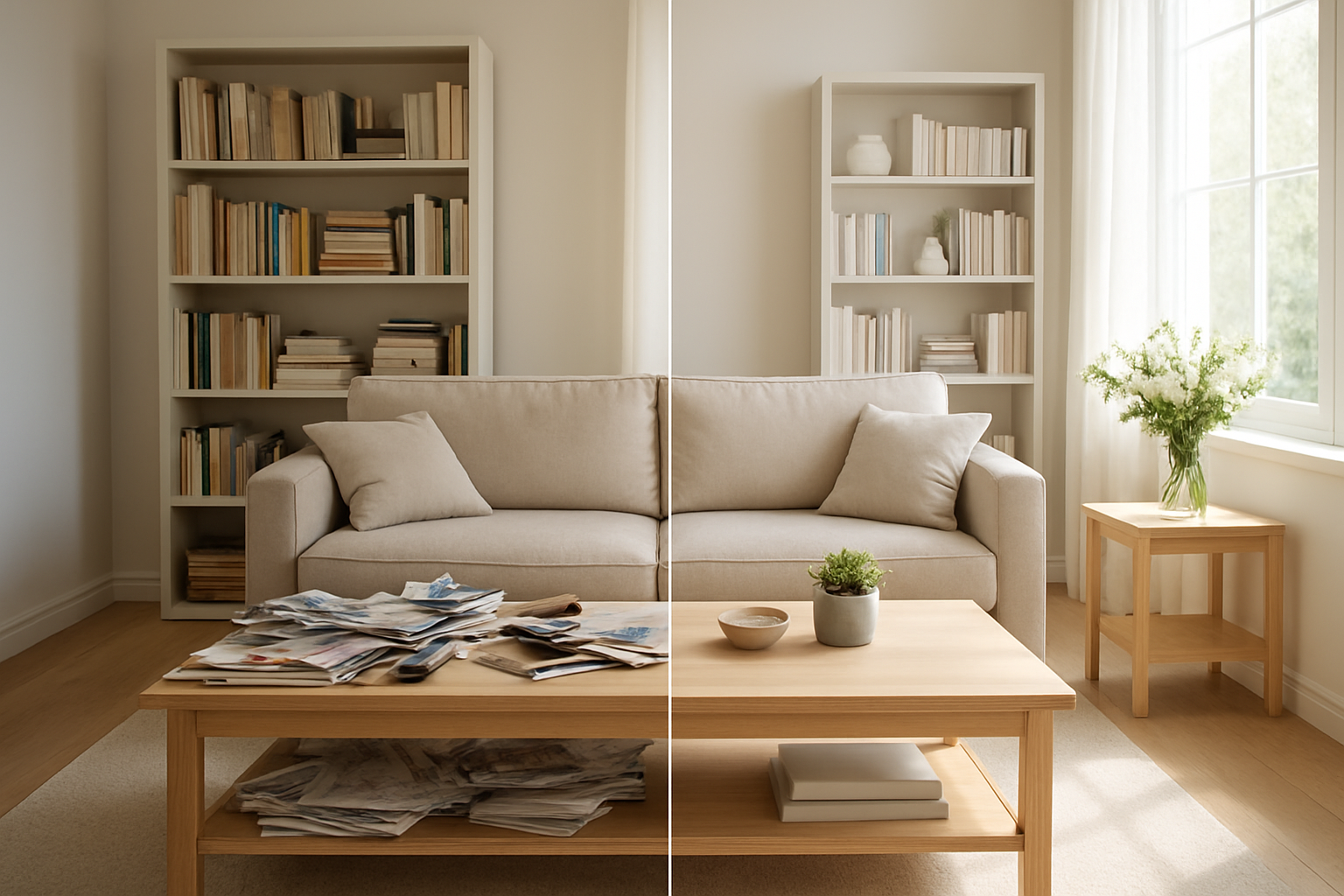
Coffee tables should enhance relaxation, not create visual chaos. Keep the surface mostly clear with perhaps one decorative item and current reading material. Remote controls need a designated spot - a small basket or drawer keeps them accessible but contained.
Entertainment centers benefit from cord management and purposeful arrangement. Hide cables behind furniture or use cord organizers. Keep only current gaming systems connected and store others elsewhere. Display books and decorative items thoughtfully rather than cramming shelves full. These decluttering strategies create a living space that actually feels livable and welcoming for both family and guests.
Maintain Your Newly Refreshed Space Long-Term
Implement the one-in-one-out rule for new purchases
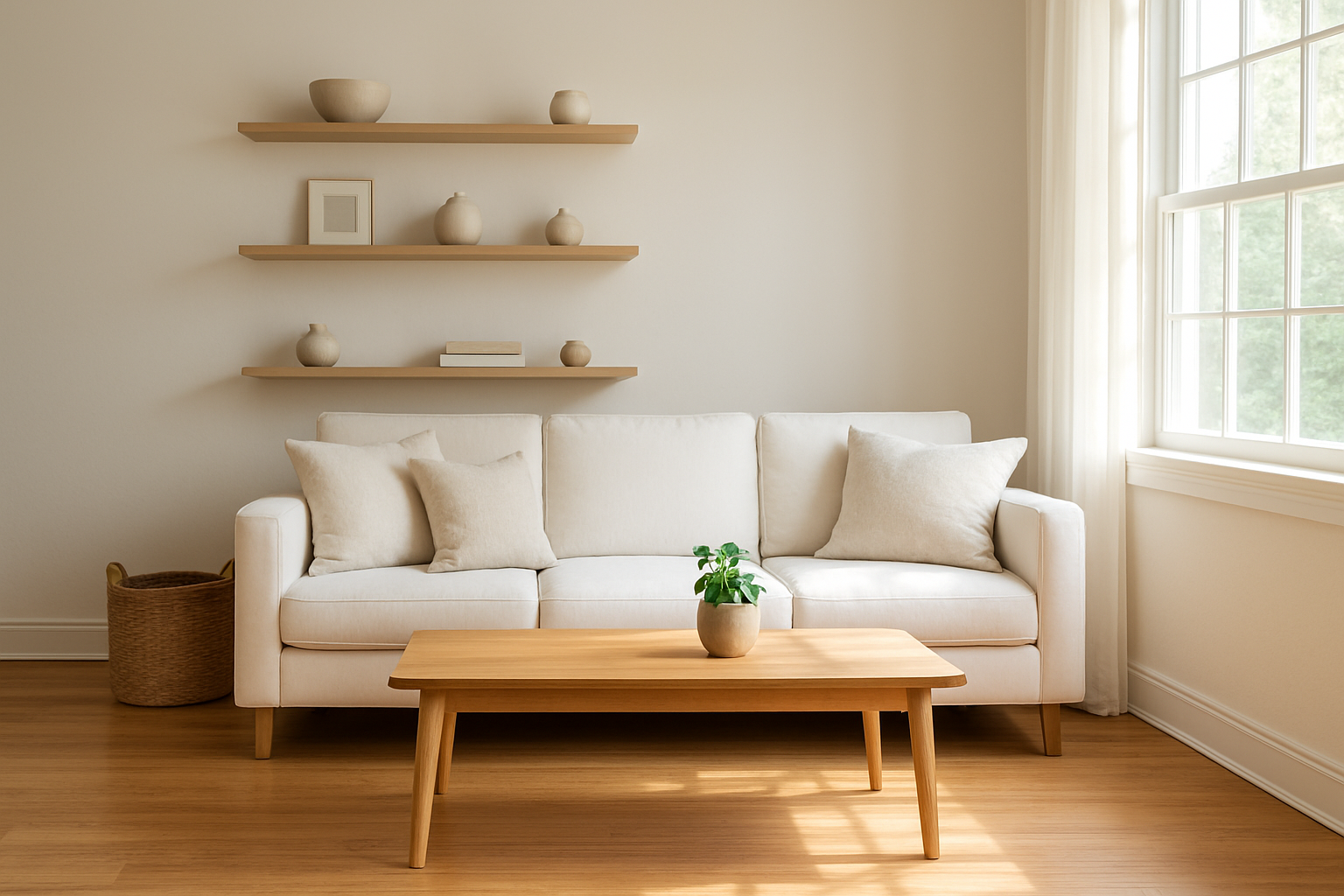
This simple yet powerful rule becomes your secret weapon against future clutter buildup. Every time you bring something new into your home, remove one item of similar size or purpose. Buy a new shirt? Donate an old one. Purchase another kitchen gadget? Find one to give away. This approach keeps your belongings at a manageable level while preventing the slow creep of accumulated items.
The beauty of this system lies in its built-in decision-making process. Before making any purchase, you'll automatically think about what needs to leave your space. This mental pause often leads to more thoughtful buying decisions and reduces impulse purchases that typically create clutter hotspots.
Start by applying this rule to categories that tend to multiply quickly: clothing, books, kitchen items, and decorative objects. Keep a donation box in a convenient location so you can immediately place items you're ready to part with. When the box fills up, schedule a quick trip to your local donation center.
Schedule monthly 15-minute decluttering sessions
Quick, regular maintenance prevents small messes from becoming overwhelming projects. Set a recurring reminder on your phone for a 15-minute decluttering session each month. Choose the same day monthly – perhaps the first Saturday or the 15th of each month – to create a predictable routine.
During these focused sessions, tackle one specific area or category. Scan your countertops, clear out that junk drawer, or sweep through your closet for items you haven't worn recently. The time limit creates urgency and prevents the perfectionist trap that often derails decluttering efforts.
These mini-sessions work because they're manageable and non-threatening. You won't feel overwhelmed, and you'll be amazed at how much progress you can make in just 15 minutes. Keep a timer visible and stick to the limit – this isn't about deep cleaning but about maintaining your refreshed space with minimal effort.
Create designated homes for frequently used items
Every object in your home needs a specific place to live, especially the items you use daily. Keys, mail, phone chargers, sunglasses, and other frequently handled items should have clearly defined storage spots that make sense for your daily routines.
Place key hooks near your front door, create a charging station in your main living area, and establish a mail sorting system that prevents paper piles from forming. The goal is to make putting things away as easy as leaving them out randomly.
Consider your natural movement patterns when assigning homes to items. If you always drop your bag by the kitchen counter, place a attractive basket there instead of fighting your instincts. Work with your habits rather than against them to create sustainable organization systems that actually stick long-term.
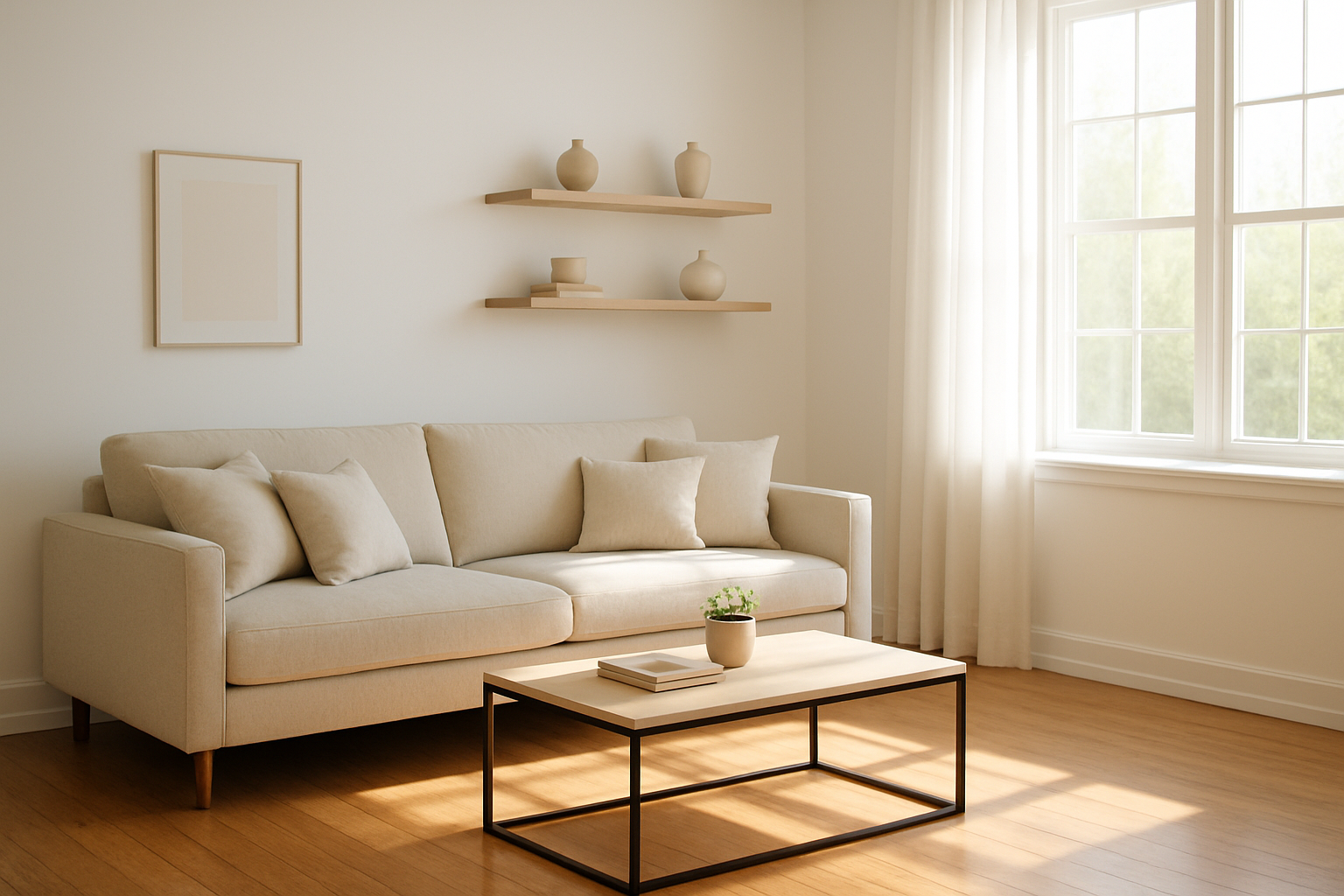
Getting your space organized doesn't have to feel overwhelming when you break it down into manageable steps. By preparing yourself mentally, tackling one room at a time, and using smart sorting methods, you can create the calm, refreshing environment you've been craving. Focus on those high-impact areas first – they'll give you the biggest visual payoff and keep you motivated to continue.
The real secret to lasting change is building simple habits that stick. Once you've put in the work to declutter, protect that investment by creating easy systems for putting things back where they belong. Your refreshed space will not only look better but also help you feel more relaxed and productive every single day.


Comments
Post a Comment