Habits to leave behind as the year ends
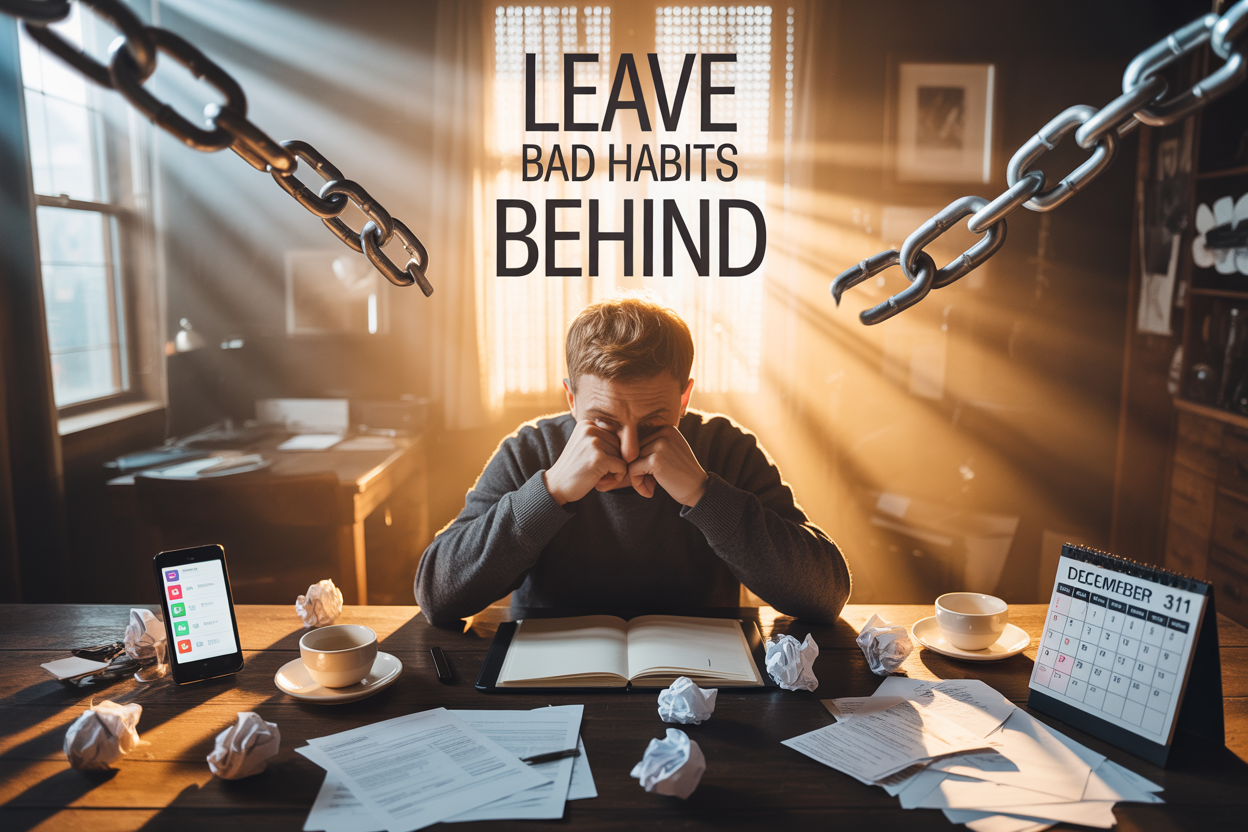
As December winds down, many people find themselves stuck in patterns that no longer serve them. If you're someone who wants to enter the new year with a fresh mindset and better daily routines, it's time to identify the bad habits to break before January 1st arrives.
This guide is for anyone feeling overwhelmed by negative habits holding you back from your goals. Whether you're a busy professional, a student, or someone simply wanting to improve your quality of life, recognizing these toxic habits to leave behind can make all the difference in your personal growth.
We'll explore the digital detox habits you need to adopt by examining how your screen time affects your energy levels. You'll also discover how negative thinking patterns and productivity killing habits are secretly sabotaging your success. Finally, we'll cover the financial stress habits that keep you anxious and the self-care mistakes that compromise your overall well-being.
Breaking bad habits before new year doesn't have to be overwhelming when you know exactly which self sabotaging behaviors to target first.
Digital Habits That Drain Your Energy and Focus

Endless social media scrolling that steals productive hours
Social media platforms are designed to keep you hooked, and they're doing their job too well. That mindless scrolling through Instagram, TikTok, or Facebook might feel harmless, but it's quietly stealing hours from your day that could be spent on meaningful pursuits. These platforms use sophisticated algorithms that trigger dopamine hits, making it nearly impossible to put your phone down after just "a quick check."
The average person spends over 2.5 hours daily on social media, often without realizing it. This time adds up to nearly 20 hours per week – time that could be invested in learning new skills, connecting with loved ones face-to-face, or working toward personal goals. These bad habits to break before the new year starts are particularly sneaky because they don't feel harmful in the moment.
Breaking this cycle requires intentional action. Set specific time limits for each app using built-in screen time controls, or better yet, remove social media apps from your phone entirely. Replace the habit by keeping a book nearby or planning engaging activities that fill the void left by endless scrolling.
Checking emails and notifications every few minutes
Constant email checking creates a false sense of urgency and productivity while actually destroying your ability to focus deeply on important tasks. Research shows it takes an average of 23 minutes to fully refocus after an interruption, making frequent notification checks one of the most productivity killing habits you can have.
This compulsive behavior fragments your attention and elevates stress levels throughout the day. Your brain never gets a chance to settle into deep work mode, leaving you feeling busy but unaccomplished. The ping of a new email triggers a stress response that keeps your nervous system in a heightened state.
Combat this energy-draining pattern by scheduling specific times to check emails – perhaps three times daily at set intervals. Turn off all non-essential notifications and use your phone's "Do Not Disturb" mode during focused work sessions. Create boundaries between your availability and your productivity.
Binge-watching shows instead of pursuing meaningful activities
Streaming services have made binge-watching easier than ever, and while occasional relaxation is healthy, excessive screen time often replaces activities that actually restore and energize you. When binge-watching becomes your default evening activity, you're missing opportunities for personal growth, creative pursuits, or genuine rest.
This habit creates a passive entertainment cycle that provides temporary escape but leaves you feeling empty afterward. Unlike engaging activities such as reading, exercising, or spending time in nature, passive consumption doesn't contribute to your sense of accomplishment or well-being.
Break the binge-watching cycle by setting viewing limits and planning alternative activities. Keep a list of books you want to read, hobbies you'd like to explore, or friends you want to catch up with. When the urge to binge arises, choose one item from this list instead.
Online shopping as emotional therapy
Using online shopping to cope with stress, boredom, or negative emotions creates both financial strain and emotional dependency. This habit that drains energy provides temporary relief but fails to address underlying issues while adding clutter to your life and stress to your budget.
Emotional spending often happens during vulnerable moments – late at night, after difficult days, or when feeling lonely. The temporary high from purchasing something new quickly fades, leaving you with buyer's remorse and the same unresolved emotions that triggered the spending in the first place.
Replace this coping mechanism with healthier alternatives like calling a friend, taking a walk, journaling, or practicing a hobby. Remove shopping apps from your phone and implement a 24-hour waiting period for all non-essential purchases to give emotions time to settle before making decisions.
Negative Thinking Patterns That Hold You Back

Comparing yourself constantly to others' highlight reels
Social media has turned comparison into a full-time job, and it's one of the most toxic habits to leave behind this year. When you scroll through Instagram or LinkedIn, you're seeing everyone's best moments - the promotions, vacations, perfect family photos, and success stories. What you don't see are the struggles, failures, and ordinary Tuesday afternoons that make up real life.
This constant comparison game is exhausting and completely unfair to yourself. You're comparing your behind-the-scenes reality to someone else's carefully curated performance. That friend posting about their amazing new job? They probably went through months of rejections first. The couple sharing romantic dinner photos? They might have argued in the car on the way to the restaurant.
Breaking this habit means recognizing when you're measuring your worth against others' highlight reels. Start paying attention to how you feel after spending time on social media. If you notice feelings of inadequacy or self-doubt creeping in, that's your cue to step away and refocus on your own journey. Your path is unique, and someone else's success doesn't diminish your own potential.
Dwelling on past mistakes instead of learning from them
Replaying past mistakes on repeat is like watching a bad movie over and over - it's painful and completely unproductive. Many people get stuck in this cycle, treating their mistakes like evidence of permanent failure rather than valuable learning experiences.
When you dwell on past mistakes, you're essentially living in the past instead of building your future. That presentation that went poorly last year, the relationship that didn't work out, or the business idea that flopped - these experiences contain lessons, not life sentences. The key difference between dwelling and learning is action. Dwelling keeps you paralyzed, while learning propels you forward.
To break this habit, practice the "three question method" when a past mistake pops into your head:
-
What specific lesson did this teach me?
-
How can I apply this lesson moving forward?
-
What's one small action I can take today based on this knowledge?
This approach transforms regret into wisdom. Instead of beating yourself up about past decisions, you're mining them for insights that make you stronger and smarter. The most successful people aren't those who never fail - they're the ones who fail forward, extracting maximum value from every setback.
Catastrophizing every small setback or challenge
Your brain is wired to look for problems - it's an ancient survival mechanism. But in modern life, this tendency can spiral into catastrophizing, where every minor issue becomes a major disaster in your mind. Missing a deadline becomes "I'm terrible at my job." A small disagreement with your partner becomes "Our relationship is falling apart."
Catastrophizing is one of those negative habits holding you back because it creates unnecessary stress and prevents clear thinking. When you assume the worst possible outcome, you waste mental energy on imaginary problems instead of focusing on real solutions. This habit also becomes self-fulfilling - when you expect disaster, you're more likely to make panicked decisions that actually create problems.
The antidote to catastrophizing is perspective and probability. When you catch yourself spiraling, ask: "What's the most likely outcome here?" and "In five years, will this matter?" Most of the time, the answer will calm you down immediately.
Practice the "zoom out" technique - imagine you're advising a friend facing the same situation. You'd probably offer rational, balanced perspective instead of doom-and-gloom predictions. Give yourself that same kindness and objectivity. Small setbacks are just that - small and temporary. They're not previews of your entire future.
Productivity-Killing Behaviors That Sabotage Success

Procrastinating on important tasks until the last minute
Waiting until the eleventh hour to tackle your most important work is like playing Russian roulette with your career. This habit turns manageable projects into panic-inducing nightmares that consume your mental energy and compromise the quality of your output. When you consistently push off crucial tasks, you're essentially telling yourself that urgent but unimportant activities matter more than your long-term success.
The stress hormones that flood your system during last-minute scrambles don't just affect your current project—they create a cycle where you associate important work with anxiety. This makes you even more likely to avoid these tasks in the future. Breaking this cycle requires acknowledging that "deadline pressure" isn't actually making your work better; it's making your life harder and your results weaker.
Start by identifying the tasks you've been avoiding and breaking them into smaller, less intimidating chunks. Set artificial deadlines well before the real ones, and treat them with the same respect you'd give external commitments.
Saying yes to every request without considering your priorities
Your inability to say no isn't kindness—it's self-sabotage disguised as helpfulness. Every yes to someone else's priority is an automatic no to your own goals. This people-pleasing behavior creates a schedule packed with other people's agendas while your important projects gather dust.
The hidden cost of constant yes-saying goes beyond time management. It sends a message to colleagues and friends that your time isn't valuable, encouraging them to approach you with increasingly trivial requests. You become the go-to person for tasks others don't want to handle, while missing opportunities to work on projects that could advance your career.
Learning to evaluate requests against your current priorities isn't selfish—it's strategic. Before agreeing to anything, pause and ask yourself: "Does this align with my goals for this quarter?" If not, practice saying, "I'd love to help, but I'm focused on [specific priority] right now."
Multitasking instead of focusing on one task at a time
Despite decades of research proving multitasking reduces productivity by up to 40%, many people still believe they're the exception to this rule. Spoiler alert: you're not. Your brain physically cannot process two complex tasks simultaneously—instead, it rapidly switches between them, creating mental fatigue and increasing the likelihood of errors.
What feels like efficient multitasking is actually attention residue, where part of your focus remains stuck on the previous task. This cognitive switching penalty means you're never giving your full mental capacity to any single activity. The result? Everything takes longer and turns out worse than it would with focused attention.
Start practicing single-tasking by closing unnecessary browser tabs, putting your phone in another room, and setting specific time blocks for different types of work. You'll be amazed how much more you accomplish when your brain can dive deep instead of constantly switching gears.
Working without clear goals or deadlines
Operating without specific goals is like driving without a destination—you might be moving, but you're not necessarily getting anywhere meaningful. This lack of clarity transforms productive work time into busy work that feels important but doesn't move the needle on your actual objectives.
Vague goals like "improve sales" or "be more organized" provide no roadmap for success. Without concrete targets and deadlines, it's impossible to measure progress or know when you've succeeded. This ambiguity makes it easy to rationalize procrastination and avoid accountability.
Create SMART goals that specify exactly what you want to achieve, when you want to achieve it, and how you'll measure success. Instead of "get better at marketing," try "increase email subscribers by 25% by March 31st through weekly blog posts and social media promotion."
Avoiding difficult conversations and decisions
Dodging uncomfortable conversations doesn't make problems disappear—it makes them multiply. That performance issue with a team member, the budget discussion with your spouse, or the boundary-setting conversation with a demanding client won't resolve itself through avoidance. Meanwhile, the stress of unresolved issues chips away at your mental energy and focus.
Difficult decisions follow the same pattern. Postponing choices about career moves, relationship changes, or financial investments doesn't buy you time—it costs you opportunities. While you're paralyzed by analysis, circumstances change and options disappear.
The longer you wait to address challenging situations, the more complicated they become. Start with the conversation or decision that's causing you the most mental distraction, and tackle it this week. You'll be surprised how much mental space opens up once you stop carrying that weight.
Self-Care Neglect That Compromises Your Well-being

Skipping meals or eating processed foods regularly
Your body runs on fuel, and when you skip meals or constantly reach for processed foods, you're essentially running your engine on empty or low-grade gas. This habit creates a vicious cycle that leaves you feeling sluggish, irritable, and mentally foggy.
When you skip breakfast or lunch because you're "too busy," your blood sugar crashes, making it harder to concentrate and make good decisions. Your metabolism slows down to conserve energy, which actually works against you if you're trying to maintain a healthy weight. By evening, you're so hungry that you end up overeating or making poor food choices.
Processed foods might seem convenient, but they're loaded with hidden sugars, excessive sodium, and artificial additives that spike your energy briefly before sending you crashing down. These bad habits to break before the new year include relying on fast food for dinner, snacking on chips instead of real meals, or grabbing energy drinks when you feel tired.
Your brain needs consistent, quality nutrition to function properly. Real foods like fruits, vegetables, lean proteins, and whole grains provide steady energy that helps you think clearly and maintain stable moods throughout the day.
Sacrificing sleep for work or entertainment
Sleep isn't a luxury you can afford to skip – it's when your body repairs itself, consolidates memories, and recharges for the next day. Yet many people treat sleep like it's optional, staying up late to finish work projects or binge-watch shows.
When you consistently get less than seven hours of sleep, your immune system weakens, making you more susceptible to getting sick. Your reaction time slows down, your creativity suffers, and your ability to handle stress diminishes significantly. You might think you're being productive by working late, but sleep-deprived performance is actually counterproductive.
The blue light from screens tricks your brain into thinking it's still daytime, disrupting your natural sleep-wake cycle. Scrolling social media "for just five minutes" before bed often turns into an hour of mindless browsing that pushes your bedtime even later.
Poor sleep habits create a domino effect on your entire well-being. You're more likely to crave sugary foods, skip workouts because you're tired, and feel emotionally reactive to minor stressors. This becomes one of those toxic habits to leave behind because it affects every other area of your life.
Ignoring physical exercise and movement
Your body was designed to move, yet modern life often keeps you glued to a chair for hours at a time. Skipping exercise isn't just about missing out on weight management – it's about depriving your body of one of its most powerful stress-relief mechanisms.
Regular movement doesn't mean you need to spend two hours at the gym every day. Even a 15-minute walk around the block can boost your mood, improve circulation, and help clear mental fog. When you sit for extended periods without movement breaks, your muscles weaken, your posture suffers, and your energy levels plummet.
Physical activity releases endorphins, those natural mood boosters that help combat anxiety and depression. It also improves sleep quality, enhances cognitive function, and builds resilience against daily stressors. These habits that drain energy include taking the elevator instead of stairs, sitting through lunch breaks, or choosing to drive when you could easily walk.
Movement also provides a mental break from work pressures and daily worries. Whether it's dancing in your living room, doing yoga stretches, or playing with your dog, physical activity gives your mind permission to shift gears and reset your perspective.
Financial Habits That Keep You Stressed

Impulse Buying Without Budgeting or Planning
Those spontaneous purchases might feel rewarding in the moment, but they're secretly sabotaging your financial peace of mind. When you grab that coffee every morning without thinking, buy clothes you don't really need, or make random online purchases late at night, you're creating a pattern that keeps financial stress as your constant companion.
The real damage happens when these purchases add up over time. A $5 coffee here, a $30 impulse buy there, and suddenly you're wondering where your paycheck went. Your brain gets trained to expect instant gratification, making it harder to stick to any financial goals you might set.
Breaking this habit means pausing before every non-essential purchase. Ask yourself: "Do I actually need this, or do I just want it right now?" Wait 24 hours before buying anything over $50. Keep a running list of things you want instead of buying them immediately – you'll be surprised how many items lose their appeal after a few days.
Avoiding Financial Planning and Investment Decisions
Pretending your financial future will somehow magically work out is one of those bad habits to break that can cost you decades of financial security. When you avoid looking at your bank statements, skip retirement planning, or put off learning about investments, you're essentially gambling with your future self's well-being.
This avoidance often stems from feeling overwhelmed by financial jargon or fear of making the wrong choice. But here's the truth: doing nothing is often the worst choice you can make. Inflation slowly eats away at money sitting in low-interest accounts, and every year you delay investing is a year of lost compound growth.
Start small and simple. Set aside 30 minutes each week to review your finances. Use free online calculators to see how much you need for retirement. Open a basic investment account with low-cost index funds. The goal isn't to become a financial expert overnight – it's to stop letting fear and procrastination control your financial future.
Using Credit Cards for Everyday Expenses Beyond Your Means
Credit cards can be useful tools when used responsibly, but when they become your default payment method for things you can't actually afford, they transform into financial stress habits that compound monthly. That dinner out, those groceries, or that weekend shopping trip might seem manageable at $50 or $100, but when you're consistently spending more than you earn, those balances snowball fast.
The minimum payment trap is particularly vicious. You might think you're managing well because you never miss a payment, but paying only the minimum means you could be paying for today's expenses for years to come. A $1,000 balance at 18% interest takes over 5 years to pay off with minimum payments, costing you an extra $600 in interest.
Break this cycle by switching to cash or debit cards for everyday expenses. If you can't afford to pay cash for it, you probably shouldn't buy it. Use credit cards only for planned purchases that you can pay off immediately, or for building credit with purchases you were going to make anyway.
Ignoring Subscription Services That Drain Your Account Monthly
Your bank account is probably hemorrhaging money through forgotten subscriptions and services you barely use. That streaming service you signed up for during a free trial, the gym membership you haven't used in months, the software subscription that auto-renewed – these small monthly charges are among the sneakiest negative habits holding you back from financial freedom.
Most people underestimate how much they spend on subscriptions. The average person has 12 paid subscriptions, spending over $200 monthly on services they often forget they have. Some subscriptions deliberately make cancellation difficult, counting on your procrastination to keep the money flowing.
Take control by doing a subscription audit. Check your bank and credit card statements from the past three months and list every recurring charge. Cancel anything you don't actively use or love. For services you want to keep, consider downgrading to cheaper plans or sharing family accounts where possible. Set calendar reminders before annual renewals to reassess whether you still need each service.
Moving forward, treat subscription sign-ups like major purchases. Before committing, ask yourself if you'll realistically use it enough to justify the cost, and immediately add cancellation dates to your calendar if you're just trying a free trial.

Breaking free from habits that no longer serve you isn't just about making room for new goals—it's about reclaiming your energy, focus, and peace of mind. When you ditch the endless scrolling, stop feeding those negative thought loops, and start treating yourself with the same kindness you'd show a good friend, everything begins to shift. Small changes in how you manage your time, money, and self-care create a ripple effect that touches every part of your life.
As this year winds down, pick one area that resonates most with you and start there. Maybe it's putting your phone in another room after 9 PM, or maybe it's finally setting up that emergency fund you've been putting off. The goal isn't perfection—it's progress. Every habit you leave behind makes space for something better to take its place.


Comments
Post a Comment