Healthy routines to adapt in the New Year
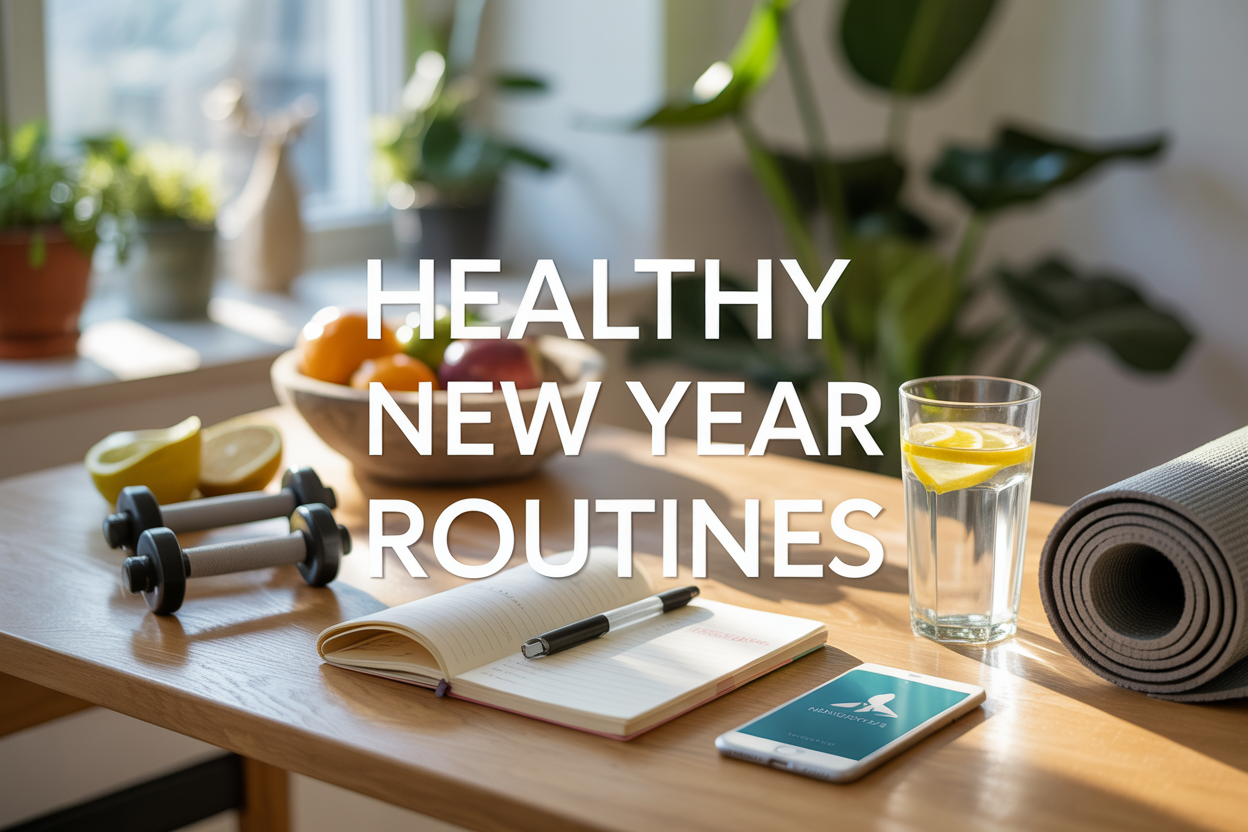
Starting fresh with healthy New Year resolutions doesn't have to feel overwhelming or impossible to maintain. This guide is for anyone ready to make meaningful wellness routines that actually stick—whether you're a busy professional, parent juggling multiple responsibilities, or simply someone wanting to feel more energetic and focused.
The secret to successful healthy lifestyle changes lies in building small, consistent habits that compound over time. Instead of dramatic overhauls that burn out by February, you'll discover practical approaches that work with your real life.
We'll dive deep into transforming your sleep habits for energy that lasts all day, plus show you simple daily nutrition changes that boost how you feel without complicated meal plans. You'll also learn how to create a sustainable exercise routine and develop mental health practices that build genuine emotional resilience when life gets tough.
Ready to make this the year your New Year healthy habits become permanent lifestyle upgrades? Let's get started.
Transform Your Sleep Habits for Maximum Energy
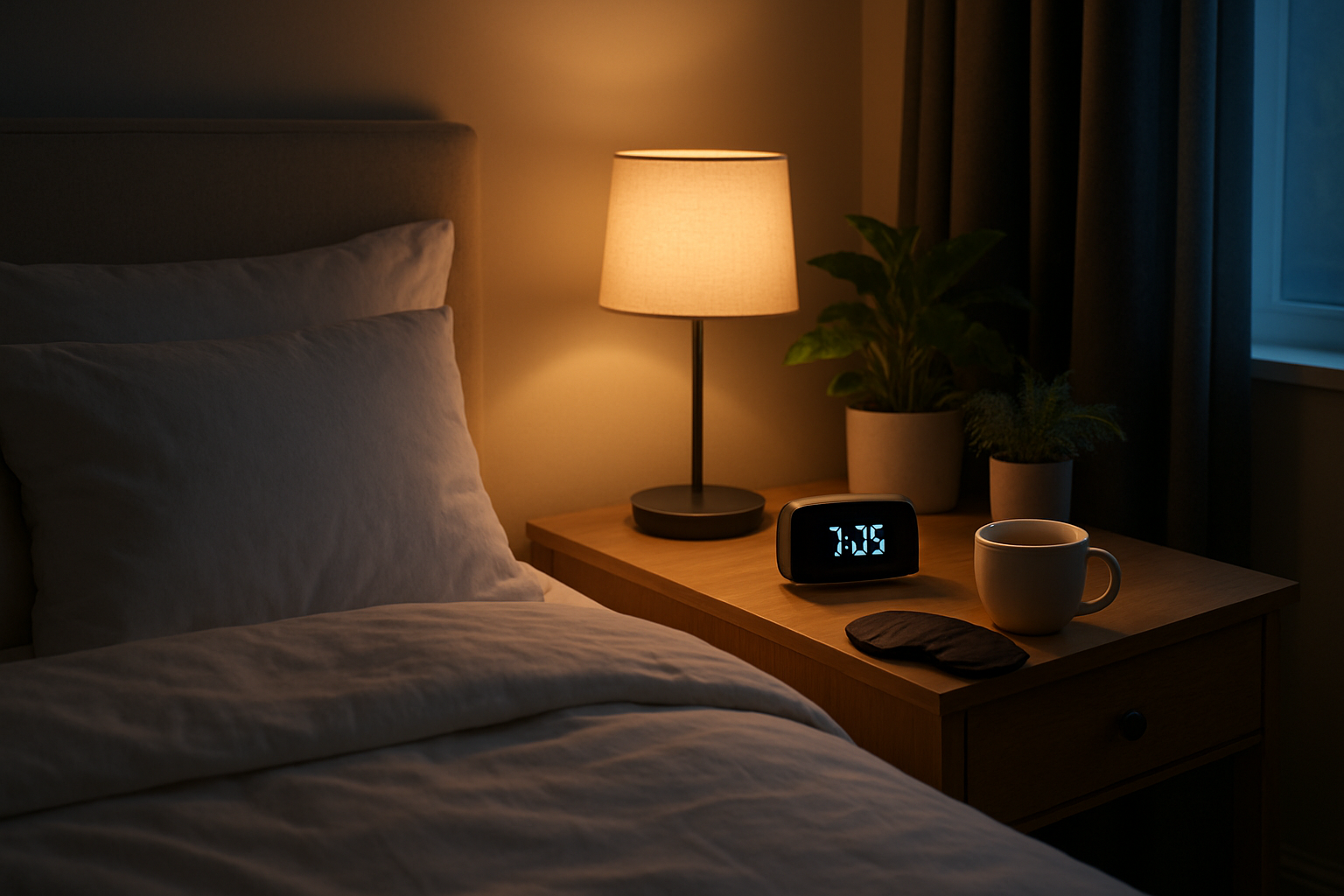
Establish a consistent bedtime and wake-up schedule
Your body thrives on routine, and your sleep-wake cycle is no exception. Setting a consistent bedtime and wake-up schedule helps regulate your circadian rhythm, making it easier to fall asleep and wake up naturally. Choose a bedtime that allows for 7-9 hours of sleep and stick to it every single day, including weekends.
The key is gradual adjustment rather than dramatic changes. If you're currently going to bed at midnight but want to shift to 10 PM, move your bedtime back by 15-20 minutes each night until you reach your goal. Your body needs time to adapt to new patterns, and sudden changes often lead to frustration and abandoned healthy New Year resolutions.
Track your sleep patterns using a journal or smartphone app to identify what works best for your lifestyle. Notice how you feel after different amounts of sleep and adjust accordingly. Remember that consistency matters more than perfection – if you occasionally stay up late, return to your regular schedule the next night rather than trying to "catch up" by sleeping in.
Create a technology-free bedroom environment
Digital devices emit blue light that tricks your brain into thinking it's daytime, suppressing melatonin production and keeping you alert when you should be winding down. Establishing a technology-free bedroom environment is one of the most effective sleep habits for energy improvement.
Remove televisions, computers, tablets, and smartphones from your bedroom entirely. If you use your phone as an alarm clock, invest in a traditional alarm clock instead. This simple change eliminates the temptation to scroll through social media or check emails when you should be sleeping.
Create a charging station outside your bedroom where all family members can dock their devices for the night. This practice benefits everyone's sleep quality and helps establish healthy boundaries around technology use. If you absolutely must keep a phone nearby for emergencies, place it across the room and activate airplane mode to minimize disruptions.
Consider blue light blocking glasses if you must use devices in the evening hours before bed. However, the most effective approach is creating a technology curfew at least one hour before your target bedtime.
Develop a calming pre-sleep routine
A consistent pre-sleep routine signals to your body that it's time to prepare for rest. Start this routine 30-60 minutes before your intended bedtime to give your mind and body adequate time to transition from the day's activities to sleep mode.
Your routine should include only calming activities that help you relax. Some effective options include:
-
Taking a warm bath or shower to lower your core body temperature
-
Reading a physical book or magazine (avoid e-readers with backlit screens)
-
Practicing gentle stretching or yoga poses
-
Writing in a gratitude journal or planning tomorrow's priorities
-
Listening to soft music or nature sounds
-
Practicing deep breathing exercises or meditation
Avoid stimulating activities like intense exercise, work-related tasks, emotional conversations, or consuming caffeine or large meals. These activities can increase alertness and make it harder to fall asleep, undermining your efforts to build sustainable wellness routines.
Optimize your bedroom temperature and lighting
Your bedroom environment plays a crucial role in sleep quality and energy levels the next day. The ideal sleeping temperature ranges between 60-67°F (15-19°C), as your body naturally drops its core temperature when preparing for sleep. A cooler room supports this natural process and promotes deeper, more restorative sleep.
Invest in blackout curtains or an eye mask to block out external light sources. Even small amounts of light can interfere with melatonin production and disrupt your sleep cycles. Cover or remove any LED lights from electronics, alarm clocks, or other devices that might create light pollution in your bedroom.
Consider the quality of your mattress and pillows as part of your sleep environment optimization. These don't need to be expensive, but they should provide adequate support and comfort for your sleeping position and body type. Replace pillows every 1-2 years and mattresses every 7-10 years for optimal sleep hygiene.
Use heavy curtains or a white noise machine to minimize disruptive sounds from traffic, neighbors, or other external noise sources. Creating this sleep sanctuary supports your New Year healthy habits and sets the foundation for sustained energy throughout your days.
Revolutionize Your Nutrition with Simple Daily Changes

Start each day with a protein-rich breakfast
Protein-packed mornings set the tone for balanced blood sugar and sustained energy throughout your day. When you choose eggs, Greek yogurt, or a protein smoothie over sugary cereals or pastries, you're giving your body the fuel it needs to maintain steady energy levels and curb those mid-morning cravings.
Research shows that people who eat 20-30 grams of protein at breakfast feel fuller longer and make better food choices later in the day. Simple options include scrambled eggs with spinach, overnight oats with protein powder and berries, or a smoothie made with Greek yogurt and almond butter. These healthy New Year resolutions become easier when you prep ingredients the night before.
Incorporate more whole foods and reduce processed options
Real transformation happens when you focus on foods that come straight from nature. Fresh vegetables, fruits, lean meats, nuts, and whole grains provide nutrients your body actually recognizes and can use efficiently. Processed foods often contain hidden sugars, excess sodium, and artificial ingredients that leave you feeling sluggish and craving more.
Start by replacing one processed item each week with a whole food alternative. Swap chips for apple slices with almond butter, or choose brown rice over instant white rice. This gradual approach makes daily nutrition changes feel manageable rather than overwhelming.
| Processed Food | Whole Food Alternative | Benefits |
|---|---|---|
| Flavored yogurt | Plain Greek yogurt with berries | Less sugar, more protein |
| Instant oatmeal | Steel-cut oats with cinnamon | More fiber, better blood sugar control |
| Granola bars | Mixed nuts and dried fruit | Healthy fats, natural sweetness |
Practice mindful eating and portion control
Eating mindfully means paying attention to your hunger cues and actually tasting your food instead of mindlessly scrolling through your phone during meals. This simple shift helps you recognize when you're satisfied and prevents overeating.
Try eating without distractions for one meal per day. Put your fork down between bites, chew slowly, and check in with your hunger level halfway through your meal. Using smaller plates can naturally help with portion sizes without feeling deprived.
The 80% rule works wonders - stop eating when you feel about 80% full. Your brain needs 20 minutes to register fullness, so this gives your body time to catch up.
Stay hydrated with adequate water intake throughout the day
Your body needs water for every single function, from digestion to temperature regulation to joint lubrication. Even mild dehydration can cause fatigue, headaches, and food cravings that masquerade as hunger.
Keep a water bottle visible on your desk and aim to finish it twice during work hours. Add lemon slices, cucumber, or mint to make plain water more appealing. Herbal teas count toward your daily intake too.
A good rule of thumb is drinking half your body weight in ounces - so if you weigh 150 pounds, aim for 75 ounces of water daily. Your energy levels and skin will thank you.
Plan and prep meals to avoid unhealthy choices
Sunday meal prep doesn't have to mean spending your entire weekend in the kitchen. Even 30 minutes of planning can set you up for success all week long. When healthy options are ready to grab, you won't reach for takeout or processed snacks.
Batch cook proteins like grilled chicken or hard-boiled eggs. Wash and chop vegetables as soon as you get home from grocery shopping. Pre-portion snacks like nuts, berries, or cut vegetables into grab-and-go containers.
Keep emergency healthy options available:
-
Canned beans for quick protein
-
Frozen vegetables for easy side dishes
-
Pre-cooked brown rice or quinoa
-
Nut butter for quick energy
-
Canned tuna for protein-rich meals
These healthy lifestyle changes become automatic when you remove the decision-making from busy weekdays. Your future self will appreciate having nutritious options ready when hunger strikes.
Build a Sustainable Exercise Routine That Sticks

Choose physical activities you genuinely enjoy
The secret to building a sustainable exercise routine isn't about forcing yourself to do the most "effective" workout—it's about finding activities that genuinely make you happy. When you enjoy your physical activities, exercise transforms from a dreaded obligation into something you actually look forward to.
Think beyond traditional gym workouts. Maybe you love dancing to your favorite playlist, hiking through scenic trails, swimming laps at the local pool, or playing tennis with friends. Perhaps rock climbing, martial arts, or even gardening gets your heart pumping and brings you joy. The key is experimenting with different activities until you discover what resonates with you.
Consider your personality type too. If you're social, join group fitness classes, sports leagues, or workout with friends. Introverts might prefer solo activities like running, yoga, or home workout videos. Some people thrive on competition, while others prefer meditative movement.
Don't worry about what burns the most calories or builds muscle fastest. When you choose activities you genuinely enjoy, you're more likely to stick with them long-term, which matters far more than short bursts of intense but unsustainable routines.
Start with manageable workout durations and intensity
One of the biggest mistakes people make with their New Year healthy habits is jumping into extreme workout schedules that quickly lead to burnout or injury. Your sustainable exercise routine should start small and gradually build momentum.
Begin with just 15-20 minutes of activity, three times per week. This might seem minimal, but it's about establishing the habit first. Your body and mind need time to adapt to new routines. Starting too aggressively often results in soreness, fatigue, and eventual abandonment of your healthy lifestyle changes.
Pay attention to your current fitness level honestly. If you've been sedentary for months, a gentle walk around the neighborhood is a perfect starting point. Already somewhat active? Maybe 30 minutes of moderate activity feels right. The goal is choosing a duration and intensity that feels challenging but achievable.
Build in progressive overload gradually. Each week, you might add five extra minutes or slightly increase intensity. This approach prevents injury while allowing your body to strengthen steadily. Remember, consistency beats intensity every single time when it comes to long-term success.
Schedule exercise like important appointments
Treating exercise as optional or something you'll "fit in when you have time" is a recipe for inconsistency. Your sustainable exercise routine needs dedicated time slots in your calendar, just like any other important commitment.
Choose specific days and times for your workouts, then write them down or add them to your digital calendar. Block out this time as non-negotiable. If you wouldn't skip a doctor's appointment or important meeting, don't skip your scheduled workout time.
Consider your natural energy patterns when scheduling. Are you a morning person who feels energized at 6 AM? Schedule workouts then. Night owl who gets a second wind after work? Evening sessions might work better. Working around your natural rhythms increases the likelihood of actually showing up.
Prepare everything in advance to eliminate excuses. Lay out workout clothes the night before, pack your gym bag, or set up your home workout space. Having a backup plan helps too—maybe a 15-minute indoor routine for days when weather derails your outdoor plans.
Protect your workout time from other obligations. This means learning to say no to requests that conflict with your exercise schedule. Your health deserves the same priority you give to work deadlines and family commitments.
Develop Mental Health Practices for Emotional Resilience

Incorporate Daily Meditation or Mindfulness Sessions
Starting a meditation practice doesn't require hours of sitting in silence. Even five minutes of focused breathing can rewire your brain for better emotional resilience. Mental health practices like mindfulness help you respond rather than react to daily stressors, making this one of the most powerful healthy New Year resolutions you can adopt.
Begin with simple breathing exercises using apps like Headspace or Calm, or try the 4-7-8 technique: breathe in for 4 counts, hold for 7, exhale for 8. Body scan meditations work wonderfully for beginners too – simply focus on different parts of your body, noticing tension and consciously releasing it.
The key is consistency over duration. Choose the same time each day, whether it's right after waking up or before bed. Your brain craves routine, and this predictability helps establish the habit faster.
Practice Gratitude Journaling for Positive Mindset Shifts
Gratitude journaling transforms your mental landscape by training your brain to notice positive experiences. This simple practice rewrites negative thought patterns and builds genuine emotional resilience over time.
Write down three specific things you're grateful for each day, but go beyond surface-level observations. Instead of "I'm grateful for my job," try "I'm grateful my coworker helped me solve that challenging problem today." This specificity strengthens the neural pathways associated with positive emotions.
Research shows people who maintain gratitude journals experience better sleep, stronger relationships, and increased life satisfaction. Keep your journal beside your bed and write your entries either first thing in the morning or last thing at night. Some people prefer voice memos on their phones – find what works for your lifestyle.
Set Boundaries to Protect Your Mental Energy
Boundaries aren't walls; they're bridges that help maintain healthy relationships while preserving your emotional well-being. Learning to say "no" strategically protects your mental resources for what truly matters.
Start by identifying your energy drains – maybe it's checking work emails after hours, saying yes to every social invitation, or absorbing other people's problems without limits. Create specific rules around these situations. For example, designate phone-free hours, limit social media scrolling to 30 minutes daily, or practice the 24-hour rule before responding to emotionally charged messages.
Physical boundaries matter too. Create a designated workspace at home, establish quiet time for yourself, and communicate your needs clearly to family members. Remember, setting boundaries often feels uncomfortable initially, but it becomes easier with practice.
Build Strong Social Connections and Support Networks
Human connection directly impacts your ability to handle stress and bounce back from challenges. Strong social networks provide emotional support, different perspectives, and practical help during difficult times.
Quality trumps quantity when building your support system. Focus on nurturing relationships with people who listen without judgment, celebrate your successes, and offer honest feedback when needed. This might mean reaching out to old friends, joining community groups aligned with your interests, or deepening existing relationships through regular check-ins.
Make social connection a priority by scheduling regular coffee dates, joining clubs or volunteer organizations, or participating in group fitness classes. Even introverts need social support – find connection styles that energize rather than drain you, like small group activities or one-on-one conversations.
Digital connections count too, but balance online interactions with face-to-face meetings whenever possible. The goal is creating a network of people you can rely on during tough times and who can rely on you in return.
Create Structure and Productivity Through Better Time Management

Prioritize tasks using effective planning systems
Time management productivity starts with knowing what actually matters. The most successful people don't just work harder—they work on the right things. A simple priority matrix can change everything. Divide your tasks into four categories: urgent and important, important but not urgent, urgent but not important, and neither urgent nor important.
The magic happens in that second quadrant—important but not urgent tasks. These are your healthy New Year resolutions in action, your long-term projects, your relationship building, your skill development. Most people ignore this quadrant until everything becomes urgent.
Weekly planning sessions work wonders. Spend 15 minutes every Sunday mapping out your week. List your non-negotiables first—sleep, meals, exercise, family time. Then slot in your priority tasks around these anchors. This approach helps you build healthy lifestyle changes that actually stick because they're planned, not squeezed in.
Digital tools like time-blocking calendars can revolutionize how you approach daily nutrition changes or mental health practices. Assign specific time slots to specific activities. When 2 PM arrives and your calendar says "meal prep," you do it. No thinking required.
Try the "Rule of 3"—pick three must-do tasks each day. Any more and you'll feel overwhelmed. Any fewer and you might not push yourself enough. This simple framework helps maintain momentum on your wellness routines without burning out.
Eliminate time-wasting habits and distractions
Your phone is probably your biggest time thief. The average person checks their device 96 times daily. That's once every 10 minutes during waking hours. Each check pulls you away from meaningful work and fragments your attention.
Create phone-free zones in your day. Keep it in another room during focused work periods. Use airplane mode during your morning routine or evening wind-down. These small changes protect the time you've carved out for emotional resilience tips and other healthy habits.
Social media scrolling often disguises itself as "staying informed" or "taking a quick break." Track your screen time for a week. The results might shock you. Replace mindless scrolling with activities that support your New Year healthy habits—read a book, take a walk, practice deep breathing.
Multitasking is another productivity killer masquerading as efficiency. Your brain can't actually focus on multiple complex tasks simultaneously. It switches between them, losing time and energy with each transition. Single-tasking feels slower but produces better results faster.
Email and message notifications create artificial urgency. Turn them off and check messages at designated times—maybe three times daily. This simple change can reclaim hours of deep work time weekly.
Build regular breaks into your daily schedule
Your brain isn't designed for marathon focus sessions. Research shows that taking breaks actually improves performance and creativity. The Pomodoro Technique—25 minutes of work followed by a 5-minute break—works because it aligns with your natural attention rhythms.
Movement breaks are especially powerful. A two-minute walk, some desk stretches, or a few deep breaths can reset your energy and focus. These micro-breaks support your sustainable exercise routine goals without requiring gym time.
Lunch breaks are sacred. Eating at your desk while working doesn't save time—it reduces afternoon productivity and digestion quality. Step away, eat mindfully, maybe take a short walk. This supports both your daily nutrition changes and mental clarity.
Weekly breaks matter too. One full day away from work-related tasks helps prevent burnout and maintains long-term productivity. This isn't lazy—it's strategic maintenance for your most important tool: your mind.
Plan your breaks just like you plan your work. Put them on your calendar. Protect them. When you respect your need for rest, you'll have more energy for the things that matter most.

Making lasting changes doesn't have to be overwhelming or complicated. The key is starting small with one area that feels most manageable to you – whether that's going to bed 30 minutes earlier, swapping out one processed snack for something healthier, taking a 10-minute walk, practicing deep breathing when stressed, or blocking out time for your most important tasks. These simple shifts create a ripple effect that naturally leads to bigger transformations over time.
Remember, building healthy habits is like planting seeds – they need time, patience, and consistency to grow. Don't beat yourself up if you miss a day or slip back into old patterns. The real magic happens when you focus on progress, not perfection. Pick one routine from this list that excites you most and commit to it for just two weeks. Your future self will thank you for taking that first step today.


Comments
Post a Comment