Small daily practices that make a big difference in life
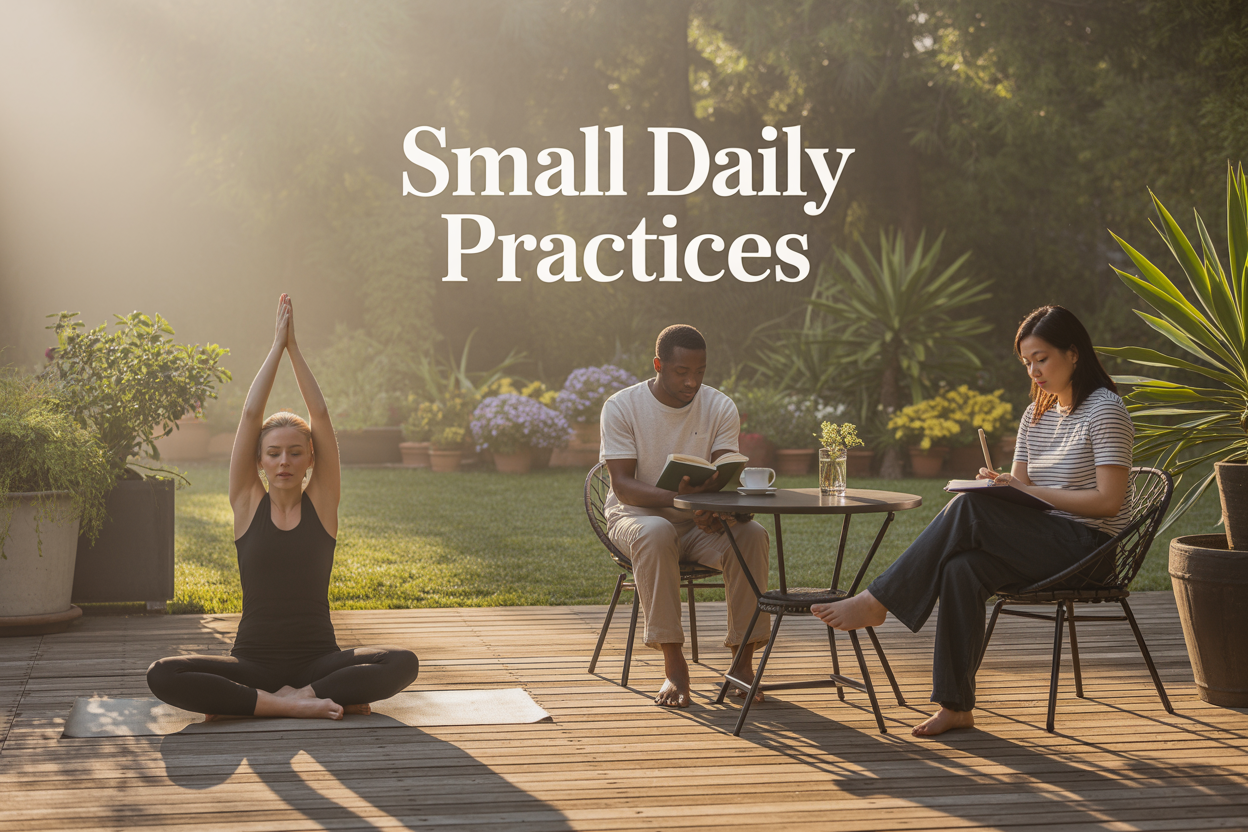
Small changes create massive results. When you consistently practice simple daily habits that change your life, you're building momentum that transforms everything from your energy levels to your relationships.
This guide is for busy professionals, parents, and anyone who feels stuck in their routine but wants meaningful change without overhauling their entire life. You don't need hours of free time or complicated systems – just the right small habits big results approach.
We'll explore morning habits that set your day up for success, including simple routines that take less than 20 minutes but create lasting impact. You'll discover physical health habits that boost your energy without requiring gym memberships or strict diets. We'll also cover mental wellness practices that build resilience, helping you handle stress and setbacks with greater ease.
These aren't just productivity hacks or quick fixes. These are simple life-changing habits that compound over time, creating the foundation for personal growth habits that actually stick. Get ready to see how small, consistent actions can reshape your entire life experience.
Morning Habits That Set Your Day Up for Success

Start with 5 minutes of mindfulness or meditation
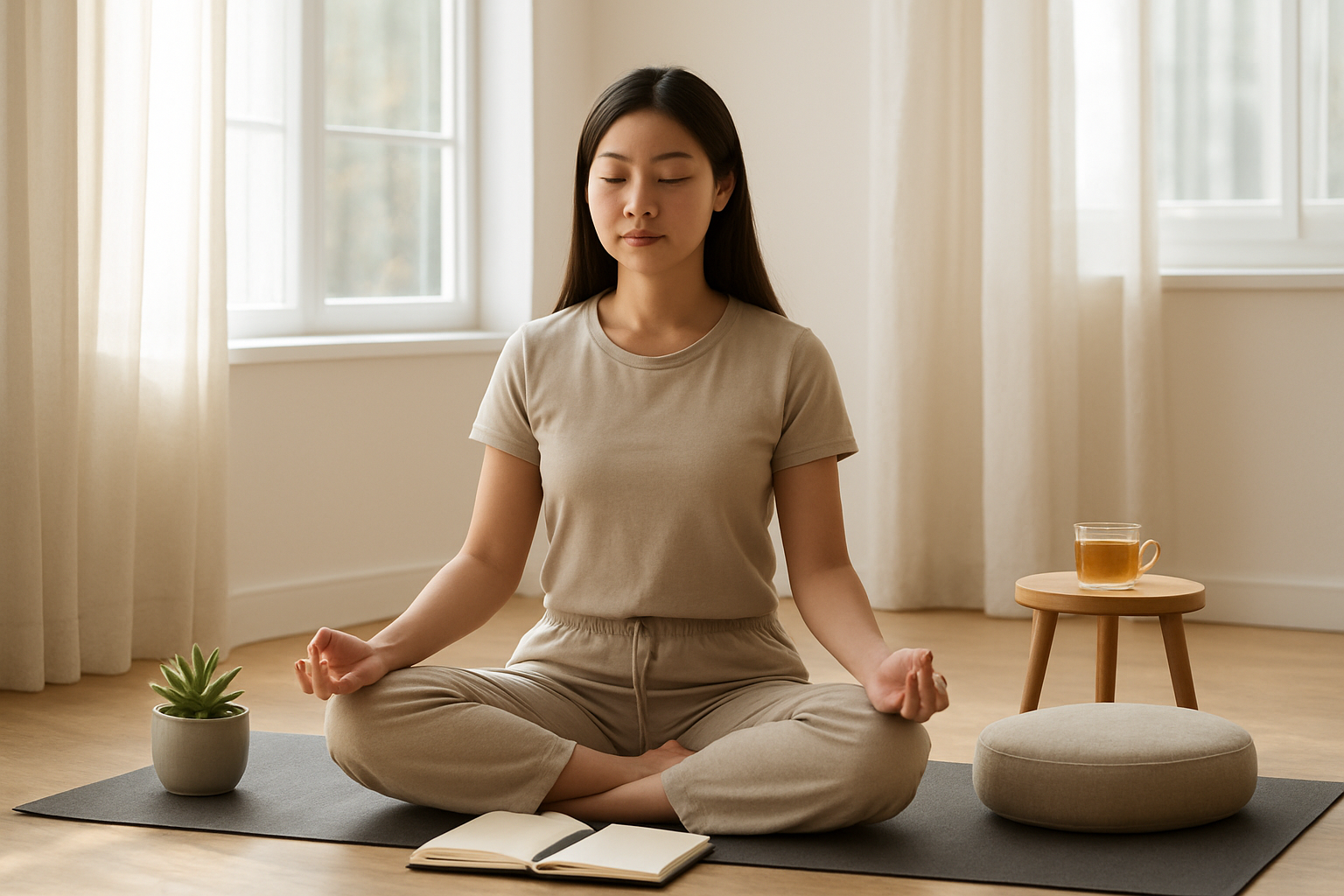
Beginning your day with just five minutes of mindfulness creates a ripple effect that transforms your entire morning routine for success. This simple practice doesn't require special equipment or years of training – you can start immediately with basic breathing exercises or guided meditation apps.
When you wake up, resist the urge to grab your phone. Instead, sit comfortably and focus on your breath for five minutes. This small habit activates your parasympathetic nervous system, reducing cortisol levels and creating mental clarity that lasts throughout the day. Research shows that people who practice morning mindfulness report 40% less stress and significantly better decision-making abilities.
The beauty of this practice lies in its flexibility. Some days you might follow a guided meditation, while others you simply observe your thoughts without judgment. The key is consistency, not perfection. Even when your mind wanders constantly, you're still training your brain to be more present and focused.
Write down three things you're grateful for
Gratitude journaling transforms your brain's default mode from problem-focused to possibility-focused. Spending two minutes each morning writing three specific things you appreciate rewires your neural pathways to notice positive aspects of your life more naturally.
Make your gratitude entries specific rather than generic. Instead of writing "I'm grateful for my family," try "I'm grateful for my daughter's laugh when she discovered that funny cat video yesterday." This specificity strengthens the emotional impact and makes the practice more meaningful.
Keep a small notebook by your bed or use your phone's notes app. The physical act of writing engages different parts of your brain than just thinking about gratitude. Studies indicate that people who maintain gratitude journals experience improved sleep quality, stronger relationships, and increased optimism within just three weeks.
Set one clear intention for the day
Daily intention-setting differs from goal-setting because it focuses on how you want to show up rather than what you want to accomplish. This practice transforms your daily habits that change your life by creating purposeful direction rather than reactive responses to whatever comes your way.
Your daily intention might be "I want to approach challenges with curiosity today" or "I will listen more than I speak in conversations." Write it down and refer back to it during transitions throughout your day. This simple practice keeps you aligned with your values even when unexpected situations arise.
The power of intention lies in its ability to filter your choices. When you know how you want to show up, decisions become easier and more aligned with your authentic self. People who set daily intentions report feeling more in control of their lives and more satisfied with their daily experiences.
Drink a full glass of water upon waking
Your body loses significant water overnight through breathing and sweating, leaving you mildly dehydrated each morning. Drinking a full glass of water immediately upon waking kickstarts your metabolism, improves brain function, and supports these healthy daily practices by creating physical energy for the day ahead.
Keep a glass or water bottle by your bedside to eliminate barriers to this habit. Room temperature water is easier to drink quickly than ice-cold water first thing in the morning. Some people add a squeeze of lemon for flavor and additional vitamin C benefits.
This simple practice improves mental clarity, reduces morning fatigue, and supports your body's natural detoxification processes. Within minutes, you'll notice increased alertness and improved mood – setting the foundation for productive morning habits that compound throughout your day.
Physical Health Habits That Boost Energy and Vitality

Take a 10-minute walk after meals
Walking after eating might seem like a simple activity, but this healthy daily practice creates powerful ripple effects throughout your body. When you move within 30 minutes of finishing a meal, you're essentially giving your digestive system a helping hand while kickstarting your metabolism.
Your blood sugar levels naturally spike after eating, and a gentle walk helps your muscles absorb glucose more efficiently. This means you'll avoid those post-meal energy crashes that leave you feeling sluggish and reaching for another cup of coffee. Research shows that even a slow-paced 10-minute stroll can reduce blood sugar spikes by up to 30%.
The beauty of this habit lies in its accessibility. You don't need special equipment, a gym membership, or athletic clothing. Step outside your office building, walk around your neighborhood, or simply pace around your living room. The key is consistent movement that gets your blood flowing without being too intense for your digestive system.
Beyond blood sugar management, post-meal walks improve digestion, reduce bloating, and can even enhance your mood through the release of endorphins. Many people find this practice helps them transition between activities throughout the day, creating natural breaks that prevent burnout.
Practice proper posture while sitting and standing
Your posture speaks volumes about your energy levels before you even realize it. Poor alignment doesn't just affect how others perceive you – it directly impacts your breathing, circulation, and overall vitality. When you slouch or hunch forward, you're compressing your lungs and limiting oxygen flow to your brain.
Good posture starts with awareness. Throughout the day, check in with your body positioning. Your ears should align over your shoulders, shoulders over your hips, and your feet should be flat on the ground when sitting. Think of an invisible string pulling the crown of your head toward the ceiling.
The physical benefits extend far beyond appearance. Proper alignment reduces strain on your spine, decreases headaches, and can even boost confidence levels. When you stand tall, you naturally breathe deeper, which increases oxygen delivery to your tissues and organs.
Creating environmental cues helps maintain this simple life-changing habit. Set hourly reminders on your phone, place sticky notes on your computer monitor, or adjust your workspace to encourage better positioning. Your desk height, chair support, and screen level all play roles in supporting healthy alignment.
Over time, good posture becomes second nature, and you'll notice increased energy throughout the day as your body works more efficiently.
Do 5 minutes of stretching before bed
Those final moments before sleep offer a golden opportunity to reset your body and prepare for restorative rest. Five minutes of gentle stretching releases physical tension accumulated throughout the day while signaling to your nervous system that it's time to wind down.
Focus on areas that typically hold stress: your neck, shoulders, lower back, and hips. Simple stretches like gentle neck rolls, shoulder blade squeezes, and seated spinal twists can work wonders. Child's pose and gentle hamstring stretches help decompress your spine after a day of sitting or standing.
This daily wellness routine doesn't require flexibility or athletic ability. The goal isn't to achieve perfect form or push your limits. Instead, you're creating a transition ritual that separates your active day from peaceful sleep. Deep, slow breathing during stretches activates your parasympathetic nervous system, naturally lowering cortisol levels and heart rate.
Many people discover that bedtime stretching improves sleep quality significantly. Your body temperature naturally drops during stretching, which promotes drowsiness. The mindful focus on physical sensations also helps quiet racing thoughts that might otherwise keep you awake.
Keep your routine simple and consistent. The same five stretches every night become a powerful cue for your body to begin its natural sleep preparation process.
Mental Wellness Practices That Build Resilience
Read for 15 minutes daily to expand your mind
Reading just 15 minutes each day creates a powerful ripple effect on your mental resilience. This simple practice trains your brain to focus deeply while simultaneously exposing you to new perspectives, problem-solving approaches, and emotional insights that strengthen your ability to handle life's challenges.
The key is choosing diverse material that challenges your thinking. Mix personal development books with biographies of people who overcame adversity, or alternate between fiction that explores human psychology and non-fiction that teaches practical skills. This variety builds cognitive flexibility - your brain becomes better at adapting to unexpected situations.
Benefits of consistent daily reading:
-
Improved vocabulary and communication skills
-
Enhanced empathy through exposure to different viewpoints
-
Better stress management techniques learned from various sources
-
Increased knowledge base for problem-solving
-
Stronger concentration abilities that transfer to other life areas
Practice deep breathing during stressful moments
Deep breathing serves as your body's built-in reset button. When stress hits, your nervous system shifts into fight-or-flight mode, but intentional breathing patterns can quickly reverse this response and restore mental clarity.
The 4-7-8 technique works particularly well: inhale for 4 counts, hold for 7, then exhale for 8. This pattern activates your parasympathetic nervous system, which controls your body's rest and recovery functions. Regular practice makes this response automatic during challenging situations.
Simple breathing techniques to master:
-
Box breathing (4-4-4-4 pattern) for general anxiety
-
Belly breathing to reduce physical tension
-
Coherent breathing (5 seconds in, 5 seconds out) for emotional regulation
-
Quick 3-breath reset for immediate stress relief
Limit social media consumption to specific time windows
Social media creates mental clutter that drains your resilience without you realizing it. Constant comparison, negative news cycles, and dopamine-driven scrolling habits fragment your attention and increase anxiety levels.
Setting boundaries transforms social media from a mental drain into a manageable tool. Choose specific 20-30 minute windows - perhaps during lunch or after dinner - and stick to them. Turn off notifications completely outside these times. Your brain needs uninterrupted periods to process information and build emotional strength.
Practical social media boundaries:
-
Use app timers to enforce limits
-
Create phone-free zones in bedroom and dining areas
-
Replace mindless scrolling with purposeful content consumption
-
Follow accounts that inspire and educate rather than trigger comparison
Write down one lesson learned each day
Daily reflection through lesson documentation builds self-awareness and accelerates personal growth. This practice helps you extract wisdom from both positive experiences and setbacks, transforming every day into a learning opportunity.
The lesson doesn't need to be profound - it could be as simple as "asking for help made the task easier" or "taking breaks actually improved my productivity." What matters is the consistent habit of reflection and recognition of growth patterns.
Questions to guide your daily lesson:
-
What surprised me today?
-
How did I handle a challenging situation?
-
What would I do differently?
-
What strength did I discover in myself?
-
How did someone else's approach teach me something new?
These mindful daily practices compound over time, creating a foundation of mental strength that supports you through life's inevitable ups and downs.
Relationship Building Actions That Strengthen Connections

Send One Meaningful Message to Someone You Care About
Taking just a few minutes each day to reach out to someone meaningful in your life can transform your relationships in ways you never imagined. This simple daily practice involves sending a thoughtful text, voice message, or email that shows genuine care and interest in another person's well-being.
The key is making these messages meaningful rather than generic. Instead of sending "How are you?" try something like "I saw that article about your favorite hiking trail and thought of our conversation last week. Hope you're doing well!" This shows you've been thinking about them specifically and remember details from your previous interactions.
Types of meaningful messages to send:
-
Sharing something that reminded you of them
-
Checking in about something important they mentioned
-
Sending encouragement before a big day or event
-
Expressing gratitude for something they did
-
Sharing a funny memory you both experienced
This daily habit creates a ripple effect. People feel valued when they receive these personalized messages, and they often reciprocate with equally thoughtful responses. Over time, these small daily practices that change your life build stronger emotional bonds and create a network of people who genuinely care about each other's success and happiness.
The beauty of this practice lies in its simplicity - it requires no special skills, costs nothing, and takes less than five minutes of your day.
Practice Active Listening in Every Conversation
Active listening transforms ordinary conversations into meaningful connections that strengthen relationships. This mindful daily practice means giving your full attention to whoever is speaking, without planning your response or letting your mind wander to other topics.
When you practice active listening, you're not just hearing words - you're understanding emotions, picking up on subtle cues, and making the other person feel genuinely heard. This involves putting away your phone, making eye contact, and responding in ways that show you're engaged with what they're sharing.
Key components of active listening:
-
Ask follow-up questions that dive deeper
-
Reflect back what you heard to confirm understanding
-
Notice body language and tone of voice
-
Resist the urge to interrupt or offer immediate solutions
-
Show empathy through your facial expressions and posture
People can tell when you're truly listening versus just waiting for your turn to talk. Those who master this skill find that others naturally open up to them more, share important information, and seek their advice during challenging times. Your colleagues will trust you with bigger projects, your friends will confide in you more deeply, and your family members will feel more connected to you.
This simple life-changing habit costs nothing but attention, yet it pays dividends in every relationship you have.
Express Genuine Appreciation to at least One Person Daily
Expressing authentic appreciation daily creates positive energy that strengthens every relationship in your life. This goes beyond saying "thank you" for obvious things - it involves noticing and acknowledging the efforts, qualities, and contributions that others might take for granted.
The magic happens when you get specific about what you appreciate. Instead of "Thanks for your help," try "I really appreciate how you took extra time to explain that process step by step. Your patience made all the difference in helping me understand it clearly." This level of detail shows you were paying attention and that their effort made a real impact.
Effective ways to express appreciation:
| Method | Example | Impact |
|---|---|---|
| Handwritten note | "Your creative ideas in yesterday's meeting inspired me" | Creates lasting physical reminder |
| Public recognition | Acknowledging someone's contribution in front of others | Builds their reputation and confidence |
| Personal conversation | One-on-one appreciation for their character traits | Deepens emotional connection |
| Small gesture | Coffee or treat with a note explaining why | Shows thoughtfulness beyond words |
This healthy daily practice doesn't just make others feel good - it rewires your brain to notice positive things about people around you. You'll start seeing strengths instead of flaws, efforts instead of shortcomings, and potential instead of problems. These personal growth habits compound over time, creating an upward spiral where people want to be around you more, collaborate with you, and support your goals because they feel genuinely valued in your presence.
Personal Growth Activities That Compound Over Time

Learn One New Word or Fact Each Day
Your brain thrives on novelty, and feeding it fresh information daily creates powerful neural pathways that compound over months and years. This personal growth habit doesn't require hours of study – just a genuine curiosity about the world around you. Pick up a word-of-the-day app, subscribe to fascinating fact newsletters, or simply make a mental note when you encounter something new during your regular reading.
The magic happens when these daily habits that change your life start connecting. That vocabulary word you learned last Tuesday might be exactly what you need for an important presentation next month. The historical fact you discovered becomes a conversation starter that deepens a relationship. Your expanding knowledge base creates confidence and makes you more interesting to be around.
Start small by choosing one reliable source for daily learning. Dictionary apps, trivia websites, or educational podcasts work perfectly. Write down new discoveries in a notebook or phone app – the act of recording helps cement the information in your memory.
Reflect on Your Progress Weekly Through Journaling
Weekly reflection sessions create clarity about where you've been and where you're heading. This simple life-changing habit takes just 15-20 minutes but provides insights that can shift your entire trajectory. Set aside the same time each week – Sunday evenings work well for many people – to honestly assess your week.
Ask yourself specific questions during these sessions: What worked well this week? What challenges did I face, and how did I handle them? What patterns am I noticing in my behavior? Where did I grow, even in small ways?
This isn't about harsh self-criticism or unrealistic expectations. Your journal becomes a trusted friend who listens without judgment. Over time, you'll spot recurring themes, recognize growth that might otherwise go unnoticed, and make adjustments before small issues become bigger problems.
| Weekly Reflection Questions | Purpose |
|---|---|
| What am I most proud of this week? | Builds self-appreciation |
| What challenged me the most? | Identifies growth areas |
| How did I handle stress or setbacks? | Tracks emotional development |
| What patterns do I notice? | Reveals unconscious behaviors |
Set Aside 10 Minutes for Planning Tomorrow Before Bed
Evening planning creates a bridge between today's accomplishments and tomorrow's possibilities. This productive habit eliminates morning decision fatigue and helps you wake up with purpose rather than scrambling to figure out your priorities.
During your 10-minute planning session, review tomorrow's calendar, identify your top three priorities, and gather anything you'll need for success. Lay out clothes, prepare your bag, or set up your workspace. Your future self will thank you when the morning runs smoothly.
This practice also signals to your subconscious mind that tomorrow matters. You'll often find creative solutions to challenges appearing overnight because your brain continues working on problems even while you sleep.
Practice Saying No to Commitments That Don't Align With Your Goals
Boundary-setting might feel uncomfortable at first, but it becomes one of your most valuable daily self-improvement tips. Every yes to something that doesn't serve your goals is automatically a no to something that could move you forward.
Start by getting crystal clear about your current priorities. Write them down and keep them visible. When opportunities arise, pause before automatically agreeing. Ask yourself: "Does this align with what I'm trying to achieve right now?" If the answer isn't a clear yes, it's probably a no.
Remember that saying no doesn't make you selfish – it makes you intentional. People respect boundaries more than you might expect, and you'll have more energy for commitments that truly matter to you.
Celebrate Small Wins and Acknowledge Your Efforts
Recognition fuels motivation, especially when it comes from within. Most people wait for external validation or major milestones before celebrating, missing countless opportunities to acknowledge their daily progress.
Create a personal celebration ritual for small wins. This might mean doing a little victory dance after completing a challenging task, treating yourself to a favorite tea after a productive day, or simply pausing to acknowledge "I did something difficult today, and I'm proud of myself."
Keep a wins journal where you record daily accomplishments, no matter how small. Finished that report? Write it down. Had a difficult conversation? Celebrate it. Chose the healthy option at lunch? That counts too. These small habits big results create a positive feedback loop that makes you more likely to continue growing.
Your acknowledgment doesn't need to be elaborate or expensive. The key is consistency in recognizing your efforts, which builds self-confidence and creates momentum for continued growth.

The small habits you choose to embrace each day have the power to completely transform your life. Starting your morning with intention, taking care of your body, nurturing your mental health, investing in relationships, and committing to personal growth might seem like tiny steps, but they create a ripple effect that touches every area of your life. These aren't dramatic changes that require massive effort – they're simple, doable practices that anyone can start today.
The beauty of these daily habits lies in their compounding nature. Just like money in a savings account, small consistent actions build momentum and create results that surprise you months down the road. Pick one or two practices that resonate with you most and start there. Once they become natural parts of your routine, add another. Your future self will thank you for the investment you make today, one small habit at a time.


Comments
Post a Comment