When Do You Clean Up Your Christmas Decorations?

Christmas decorations bring joy during the holidays, but figuring out when to take down Christmas decorations can feel confusing. This guide helps homeowners and holiday enthusiasts who want a clear plan for post holiday cleanup without the stress of guessing.
You'll discover traditional dates that many families follow for Christmas decoration removal and how your personal schedule affects your timing. We'll also compare the benefits of early versus late removal and share practical Christmas decoration storage tips to keep your ornaments safe for next year.
Traditional Christmas Decoration Removal Dates
January 6th - The Feast of Epiphany Rule
The most traditional guideline for when to take down Christmas decorations follows the Christian calendar, specifically the Feast of Epiphany on January 6th. This date marks the end of the twelve days of Christmas, making it the official conclusion of the Christmas season in many religious traditions. According to this custom, all Christmas decoration removal should be completed by January 6th, or at the latest, by the evening of January 5th.
This timing stems from the belief that keeping decorations up beyond Epiphany brings bad luck for the coming year. Many families who follow this tradition spend January 5th carefully packing away ornaments, taking down Christmas tree, and removing Christmas lights to ensure everything is cleared before the deadline. The practice creates a natural transition from the festive season back to everyday life, giving households nearly two weeks to enjoy their decorations after Christmas Day.
Churches and religious communities often observe this timeline strictly, with many parishes removing their nativity scenes and seasonal decorations immediately following Epiphany services. This creates a community-wide shift that reinforces the tradition for families who choose to follow the religious calendar for their post holiday cleanup schedule.
New Year's Day - Fresh Start Approach
Many modern families prefer the symbolism of removing Christmas decorations on or immediately after New Year's Day, viewing January 1st as the perfect time for a fresh start. This Christmas cleanup schedule aligns with the popular tradition of New Year's resolutions and spring cleaning, making decoration removal part of a broader effort to organize and declutter.
The New Year's approach offers practical advantages for busy families. With many people having time off work between Christmas and New Year's, January 1st or 2nd provides an opportunity for family members to work together on putting away Christmas decorations. Children are often still on winter break, making it easier to involve them in the process and teach them about proper Christmas decoration storage tips.
This timing also allows families to enjoy their decorations throughout the entire holiday break while still completing the after Christmas cleanup before returning to regular work and school schedules. The psychological benefit of starting the new year with a clean, organized home appeals to many households who see decoration removal as the final step in their holiday celebration.
Regional and Family Customs
Holiday decoration removal timeline varies significantly based on geographic location and individual family traditions passed down through generations. In some Southern American communities, decorations stay up until after New Orleans' Mardi Gras season, which can extend into February or March. These regions view the entire carnival season as an extension of Christmas festivities.
Scandinavian families often follow the tradition of keeping decorations up until January 13th, known as "Tjugondag Knut" (Saint Knut's Day), when children are invited to eat candy directly from the Christmas tree before it's dismantled. German households might wait until February 2nd (Candlemas) to complete their decoration removal, following centuries-old customs that mark the official end of winter celebrations.
Some families create their own unique timing based on practical considerations or meaningful dates. Military families might wait until a deployed parent returns home, while others choose birthdays or anniversaries that fall in early January. These personalized approaches to when to remove Christmas lights and other decorations reflect how holiday traditions evolve to meet individual family needs while maintaining the spirit of celebration and closure.
Personal Lifestyle Factors That Determine Timing

Work Schedule and Available Free Time
Your work schedule plays a huge role in determining when to take down Christmas decorations. If you're back to a demanding job on January 2nd, you might find yourself staring at your Christmas tree for weeks, knowing you need to tackle the post holiday cleanup but lacking the energy or time.
Many people discover that their Christmas decoration removal timeline depends entirely on their first available weekend. Teachers and office workers often have different schedules than retail employees or healthcare workers who might work through the holidays. If you work shifts or have an unpredictable schedule, you might need to plan your taking down Christmas tree session around your days off.
The smart approach involves blocking out specific time slots for different tasks. Removing Christmas lights from outside fixtures might require daylight hours and good weather, while indoor decorations can come down any time. Some people tackle one room per evening during the week, making the process less overwhelming.
Consider your January workload too. If you know February will be crazy busy, getting your Christmas decoration storage sorted in early January makes sense. On the flip side, if January is your slow season, you can afford to keep decorations up longer and take a more relaxed approach to cleanup.
Family Traditions and Household Preferences
Every family develops their own rhythm around when to remove Christmas lights and decorations. Some households treat January 1st as the official end, while others keep the magic going until Epiphany on January 6th. Your family's approach often reflects deeper values about tradition, practicality, and how you want to transition into the new year.
Households with young children face unique considerations. Kids might feel sad about losing the festive atmosphere, so some families create special traditions around putting away Christmas decorations together. Others use it as an opportunity to teach organization skills or make it a fun family project with music and hot chocolate.
Multi-generational homes often navigate competing preferences. Grandparents might prefer keeping decorations up longer to savor the season, while busy parents want to jump into January with a clean slate. Finding compromise might mean keeping certain meaningful pieces up while doing the bulk of after Christmas cleanup early.
Cultural background influences timing too. Some families follow religious calendars, while others focus on practical concerns like getting the house ready for hosting New Year's parties or preparing for back-to-school routines.
Energy Levels After Holiday Season
The post-holiday crash is real, and it significantly impacts your Christmas cleanup schedule. After weeks of shopping, cooking, hosting, and celebrating, many people feel completely drained by early January. Your physical and emotional energy levels directly influence whether you can tackle decoration removal or need to pace yourself.
Some people experience a burst of "new year, new me" motivation and want to clear everything immediately. They see Christmas decoration removal as symbolic of fresh starts and getting organized for the year ahead. This energy often peaks in the first few days of January before regular routines resume.
Others need recovery time. If you hosted multiple gatherings or traveled extensively during the holidays, you might need a week or two to recharge before handling the physical demands of taking down outdoor lights or wrestling with artificial trees.
The weather plays into energy levels too. Cold, gray January days can make outdoor holiday decoration removal feel particularly challenging. Some people wait for a mild weekend or delegate outdoor tasks to family members who don't mind the cold.
Smart planning involves honest assessment of your typical post-holiday state. If you know you usually crash hard after Christmas, prepare storage containers in advance or enlist help. If you're typically energized by organizing projects, take advantage of that momentum while it lasts.
Benefits of Early vs Late Decoration Removal
Advantages of Removing Decorations by January 2nd
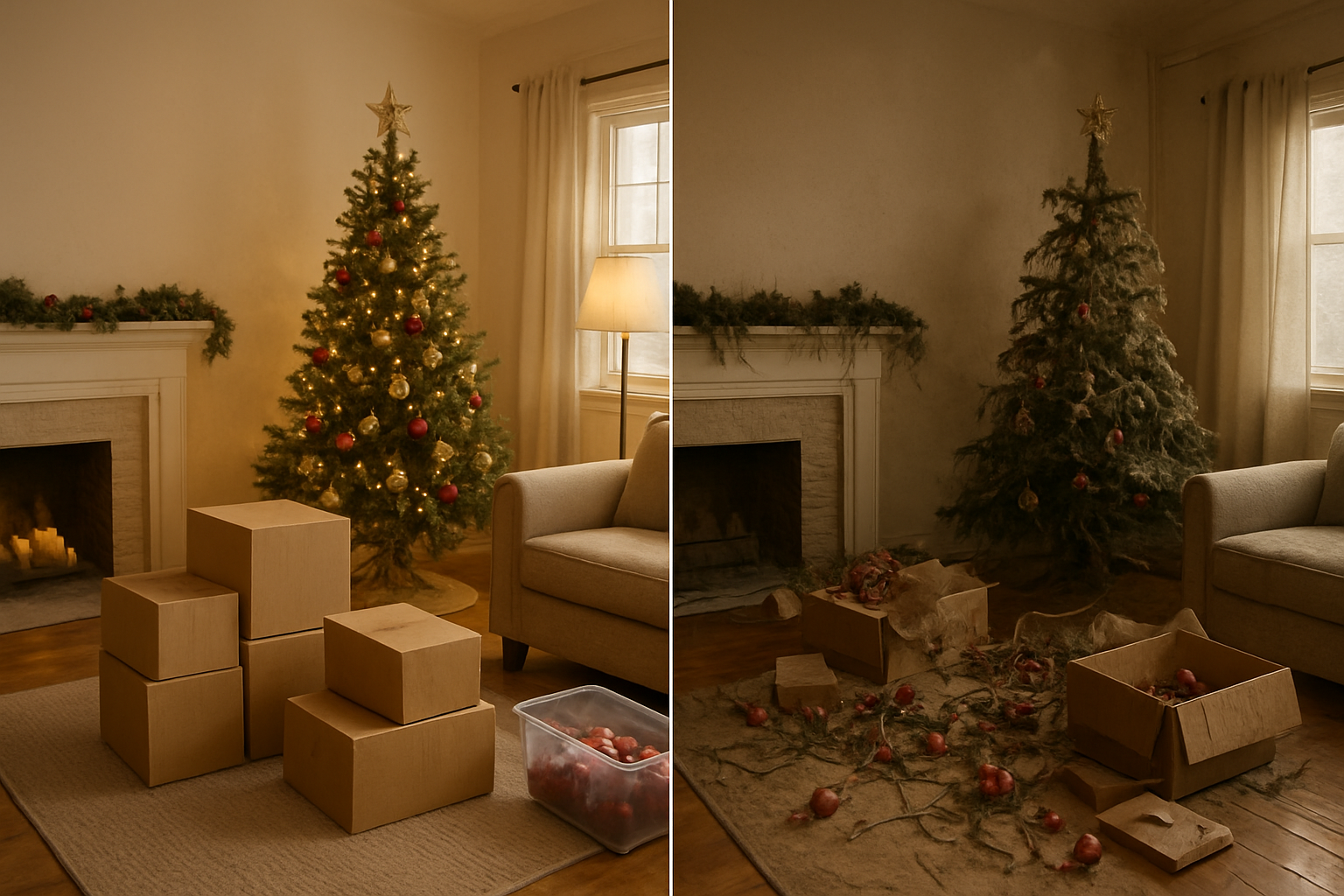
Taking down your Christmas decorations right after New Year's Day offers several compelling benefits that can set a positive tone for the entire year. Getting an early start on post holiday cleanup gives you a fresh slate and prevents the dreaded procrastination that often leads to decorations lingering well into spring.
The biggest advantage is psychological relief. Many people report feeling lighter and more organized when they tackle Christmas decoration removal immediately after the holidays. This quick transition helps you mentally shift from holiday mode into productive January planning. Your home returns to its normal flow, making it easier to establish new routines and stick to resolutions.
Early removal also means better storage conditions for your decorations. When you put away Christmas decorations promptly, you're more likely to pack them carefully since the memory of setting them up is still fresh. This attention to detail protects your investment and ensures everything will be in good condition next year.
Weather plays a crucial role too. Taking down Christmas lights and outdoor decorations in early January often means milder conditions compared to waiting until late January or February. You'll avoid dealing with ice, snow, or harsh winter storms that can make outdoor cleanup dangerous and unpleasant.
Why Some People Wait Until February
Some families choose to extend their holiday season well beyond traditional timelines, and they have valid reasons for keeping decorations up longer. Cultural and religious traditions often influence this decision, particularly for those who celebrate Orthodox Christmas on January 7th or observe other winter festivals.
Practical scheduling issues drive many late removals. Busy work schedules after vacation time ends can push Christmas decoration storage to weekends in late January or early February. Parents with school-age children sometimes prefer waiting until life settles into regular routines before tackling the big cleanup project.
Weather conditions in certain regions make February removal more appealing. Areas with severe January weather patterns might find it safer and more comfortable to wait for slightly warmer temperatures. This is especially true for homes with extensive outdoor light displays or roof decorations that require ladder work.
Some people genuinely enjoy the extended festive atmosphere. The dark, cold months of winter can feel more bearable with twinkling lights and cheerful decorations brightening their homes. For these families, the extra weeks of holiday ambiance outweigh any pressure to follow conventional timelines.
Mental Health Impact of Extended Holiday Decor
The psychological effects of when to remove Christmas decorations vary significantly from person to person. For some, keeping decorations up longer provides emotional comfort during the traditionally difficult months of January and February. The warm, festive lighting can help combat seasonal depression and create a cozy atmosphere that fights winter blues.
However, extended holiday decor can also create mental fatigue for others. Decorations that once brought joy might start feeling stale or overwhelming when they overstay their welcome. This can lead to feelings of being stuck in the past or unable to move forward into the new year.
The key is recognizing your personal response to holiday decorations over time. Pay attention to whether your Christmas tree and decorations still spark joy after the first week of January, or if they're starting to feel like visual clutter. Some people find that taking down Christmas decorations by a specific date helps them feel more in control and ready to embrace new beginnings.
Creating a healthy balance might mean keeping some elements while removing others. Perhaps the Christmas tree comes down early, but string lights stay up through February. This selective approach allows you to maintain some festive cheer while avoiding decoration fatigue.
Storage and Organization Benefits of Different Timings
The timing of your Christmas cleanup schedule directly impacts how well your holiday decoration storage system works. Early removal typically means more careful, methodical packing since you have adequate time and energy. You can properly wrap fragile ornaments, coil lights without tangles, and label boxes clearly for next year's setup.
Late removal often results in hurried packing, which leads to damaged decorations and frustrating searches next December. However, some people find that waiting allows them to declutter more effectively. After living with decorations for several extra weeks, it becomes easier to identify items that no longer bring joy or serve a purpose.
Consider these storage timing strategies:
-
Early removal works best for detailed organization systems with careful inventory tracking
-
Late removal suits people who prefer to combine decoration takedown with post-holiday decluttering
-
Gradual removal allows you to pack different categories of decorations as motivation strikes
The most successful Christmas decoration storage happens when you match your timeline to your natural organizing style and available time. Rushing through the process rarely leads to good results, regardless of whether you're packing in January or February.
Practical Considerations for Decoration Storage

Weather Conditions and Outdoor Decoration Safety
Harsh winter weather plays a huge role in deciding when to take down Christmas decorations, especially outdoor displays. Snow, ice, and freezing temperatures can make removing Christmas lights and outdoor ornaments dangerous and potentially damaging to both you and your decorations.
Check weather forecasts before planning your Christmas decoration removal. Ice storms can make ladders extremely hazardous, while heavy snow might weigh down branches holding string lights, causing breakage. Wind can turn lightweight decorations into projectiles, so secure or remove items before storms hit.
Cold temperatures also affect decoration materials. Plastic ornaments become brittle and crack easily when frozen, while LED lights can malfunction in extreme cold. Wait for milder days when possible, but don't delay too long if decorations show signs of weather damage.
Consider these weather-related timing strategies:
-
Remove delicate items first during calm weather windows
-
Take down rooftop displays before the next snowfall
-
Disconnect electrical items during freezing rain warnings
-
Save sturdy items like wreaths for last if weather becomes unpredictable
Storage Space Availability and Planning
Your available storage space directly impacts when you can realistically tackle putting away Christmas decorations. Cramped basements, packed garages, or overflowing closets require strategic planning before you start the Christmas cleanup schedule.
Inventory your storage areas before beginning decoration removal. Clear pathways and designate specific zones for different decoration types. Attics work well for rarely-used items but avoid storing battery-operated decorations in extreme temperature areas.
Storage container selection affects timing too. Invest in clear, labeled bins that stack efficiently. Cardboard boxes deteriorate over time and attract pests, making them poor long-term options. Plan to purchase proper storage containers before starting your post holiday cleanup if needed.
Create a storage map showing where specific decorations go. This prevents the frantic searching next December and helps you pack more efficiently. Group similar items together - all tree ornaments in one area, outdoor lights in another, and seasonal linens separately.
Decoration Condition Assessment for Next Year
Taking down Christmas decorations provides the perfect opportunity to evaluate what survived another holiday season. This assessment determines what you'll need to replace next year and influences your Christmas decoration storage tips approach.
Inspect each item carefully as you pack it away. Look for:
-
Burned-out bulbs in light strings
-
Cracked or faded ornaments
-
Frayed electrical cords
-
Bent or broken hooks and hangers
-
Signs of pest damage or moisture exposure
Document damaged items immediately rather than trusting your memory next December. Take photos of broken pieces or create a simple list on your phone. This prevents buying duplicate replacements and helps you budget for next year's decoration needs.
Clean decorations before storing them. Dust and debris attract insects and can cause staining or deterioration during storage. Artificial trees benefit from a quick vacuum, while glass ornaments need gentle cleaning to maintain their shine.
Consider the "one-year rule" - if decorations haven't been used in over a year, donate them to make room for items you actually enjoy displaying. This keeps your collection manageable and your storage space organized for efficient Christmas decoration removal next year.
Maximizing Your Post-Holiday Cleanup Efficiency

Room-by-Room Systematic Approach
Start your Christmas decoration removal by tackling one room at a time rather than jumping around your house randomly. This method prevents you from feeling overwhelmed and ensures nothing gets forgotten in forgotten corners.
Begin with the most visible areas like your living room where your Christmas tree likely sits. Remove all ornaments first, followed by lights, then garland and other decorative elements. Pack items from the same room together - this makes next year's decorating much easier when you know exactly where each room's decorations are stored.
Move through bedrooms, bathrooms, kitchen, and outdoor areas systematically. Keep a notepad handy to jot down which decorations need repair or replacement. This room-by-room Christmas decoration removal strategy typically takes 2-3 hours for an average home, compared to 5-6 hours when done haphazardly.
Proper Storage Techniques for Longevity
Smart Christmas decoration storage tips can extend your decorations' lifespan by years. Wrap fragile ornaments individually in tissue paper or bubble wrap, then place them in divided storage boxes or egg cartons for extra protection.
Store string lights by wrapping them around cardboard pieces or specialized light reels to prevent tangling. Never stuff lights loosely into boxes - this creates knots that can damage wires and connections.
Climate-controlled spaces work best for decoration storage. Attics and basements with extreme temperature fluctuations can cause ornaments to crack, fade, or warp. If these are your only options, use airtight plastic containers instead of cardboard boxes to protect against moisture and pests.
Label everything clearly with both contents and destination room. Use clear storage bins when possible so you can quickly identify contents without opening every box next December.
Inventory Management for Next Season
Create a simple spreadsheet or use a phone app to track your Christmas decorations. Note quantities, condition, and storage location for each item. This inventory becomes invaluable when putting away Christmas decorations and planning for next year.
Take photos of your decorated rooms before taking everything down. These serve as reference guides for next year's setup and help you remember which decorations worked well together.
Keep a running shopping list throughout the year of items that need replacement or new additions you want to make. Many people forget what broke or what they wanted to change by the time next Christmas rolls around.
Check expiration dates on items like artificial snow sprays, scented candles, and battery-operated decorations. Replace batteries in electronic items or remove them entirely to prevent corrosion during storage.
Disposal and Donation Strategies
Sort decorations into keep, donate, and trash piles as you pack. Broken items that can't be repaired should go straight to disposal. Items in good condition that you no longer use make great donations to local charities, schools, or community centers.
Real Christmas trees require special disposal consideration. Many communities offer tree recycling programs that turn old trees into mulch. Check your local waste management schedule for specific pickup dates - most areas have designated post-holiday collection periods.
Outdoor Christmas lights that no longer work often contain materials that shouldn't go in regular trash. Many hardware stores accept old lights for recycling, especially during after-Christmas cleanup season.
Consider giving away duplicates or decorations that no longer match your style to family members or friends. This builds goodwill and ensures decorations get used rather than sitting in storage.
Creating a Timeline That Works for Your Schedule
Develop a realistic Christmas cleanup schedule based on your availability and energy levels. Most families find success spreading the work over several days rather than attempting everything in one marathon session.
Day one works well for outdoor decoration removal when weather permits. This includes taking down Christmas lights, yard displays, and door wreaths. Day two can focus on the main living areas and Christmas tree removal. Save less urgent areas like bedrooms and guest spaces for day three.
Consider your weekly routine when planning your holiday decoration removal timeline. Many people prefer starting the weekend after New Year's Day, giving themselves time to recover from holiday celebrations while maintaining momentum.
Build in flexibility for unexpected delays. Weather, work commitments, or family obligations might shift your timeline, so avoid cramming everything into unrealistic timeframes that create stress instead of relief.
The timing of your Christmas decoration takedown comes down to what works best for your life and traditions. Some families stick to the Twelfth Night rule, while others prefer to extend the holiday magic well into January or pack everything away the day after New Year's. Your work schedule, family commitments, and personal energy


Comments
Post a Comment