Falling in Love vs. Choosing to Love
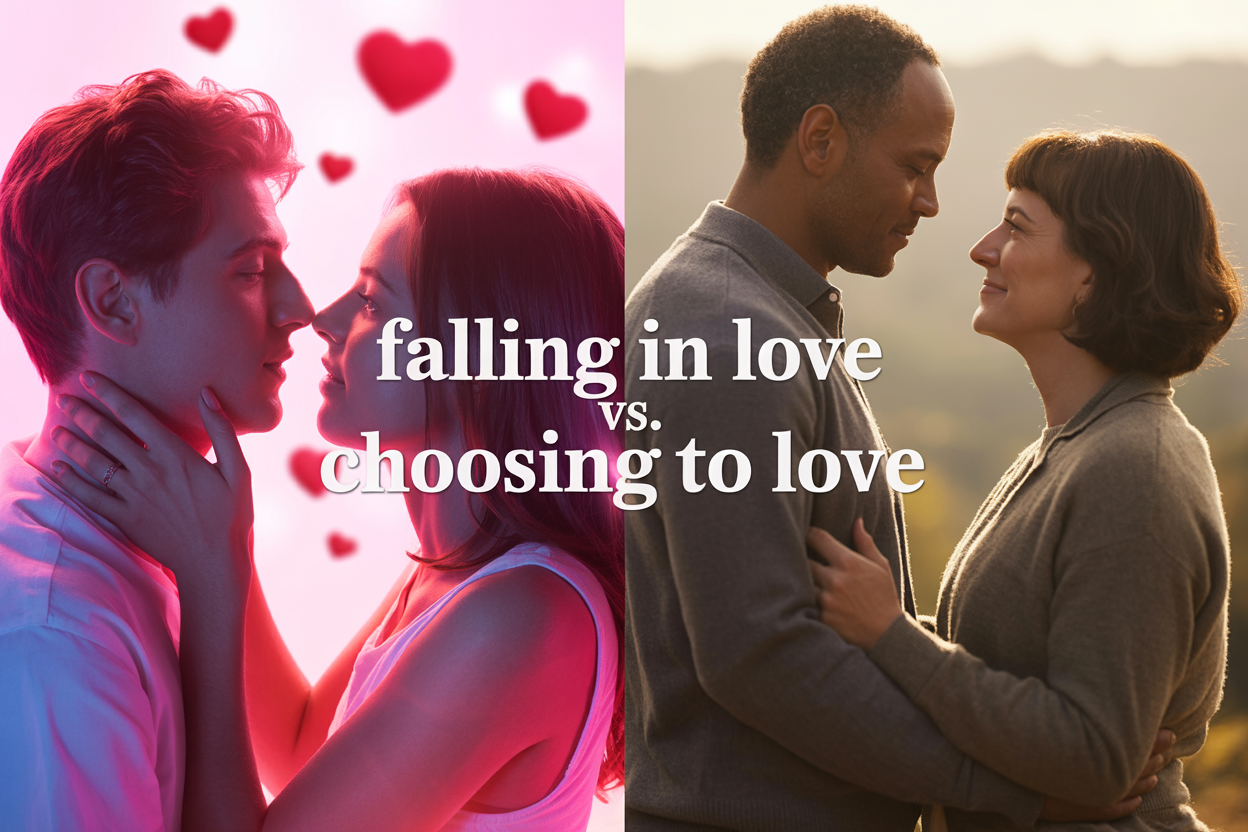
Falling in Love vs. Choosing to Love: What Really Makes Relationships Last?
Most of us have experienced that heart-racing, butterflies-in-your-stomach feeling when we meet someone special. But what happens when those initial sparks fade? This guide is for anyone who's wondered about the difference between falling in love vs choosing love—whether you're newly dating, in a long-term relationship, or trying to understand why some couples stay together while others don't.
The science of romantic attraction shows us that passionate feelings and intentional commitment work very differently in our brains and bodies. While falling in love feels magical and effortless, choosing to love requires daily decisions and conscious effort.
We'll explore how romantic love vs committed love affects relationship longevity, dive into the psychology behind both experiences, and share practical strategies for building lasting relationships. You'll also learn how to navigate that tricky transition when the honeymoon phase ends and discover the foundations of healthy relationships that stand the test of time.
Understanding the Nature of Falling in Love

Recognizing the Biochemical Rush and Emotional Intensity
When falling in love psychology kicks in, your brain becomes a chemical factory working overtime. Dopamine floods your system, creating that euphoric high that makes everything feel brighter and more meaningful. Your heart races, palms sweat, and you experience what scientists call the "reward system activation" – the same neurological response triggered by addictive substances.
This biochemical cocktail includes norepinephrine, which heightens attention and arousal, making you hyper-focused on your love interest. Every text message becomes earth-shattering, every shared glance feels loaded with meaning. Phenylethylamine, often called the "love drug," amplifies these sensations, creating an almost intoxicating experience that can last anywhere from a few months to two years.
The emotional intensity accompanying these chemical changes feels overwhelming and all-consuming. You might find yourself unable to eat, sleep becomes elusive, and concentration on daily tasks becomes nearly impossible. This isn't weakness – it's biology at work.
Identifying the Role of Physical Attraction and Infatuation
Physical attraction serves as the initial spark in most romantic connections, acting as nature's way of drawing potential partners together. This immediate pull operates on multiple sensory levels – visual appeal, scent compatibility, and even subtle voice tones that register as attractive to your subconscious mind.
Infatuation amplifies these physical attractions beyond realistic proportions. You might find yourself idealizing your crush's appearance, overlooking obvious flaws, or attributing magical qualities to ordinary features. This phenomenon, known as the "halo effect," makes everything about the other person seem perfect or nearly perfect.
The role of physical chemistry extends beyond surface-level attraction. Research shows that compatible pheromones, facial symmetry, and even genetic diversity markers influence who we find irresistibly attractive. Your body literally guides you toward certain people based on biological compatibility factors you're not even consciously aware of.
Understanding How Falling Happens Beyond Your Control
The science of romantic attraction reveals that falling in love operates largely outside conscious decision-making. You don't wake up one morning and decide "Today I'll fall in love with someone." Instead, it happens to you, often catching you completely off guard.
Psychological triggers like shared experiences, proximity, and timing play crucial roles in this uncontrollable process. You might fall for someone simply because you met them during a period of emotional vulnerability or shared an intense experience together. The brain interprets these circumstances as meaningful connections, even when logic suggests otherwise.
Your past experiences, attachment style, and subconscious patterns also influence who triggers this falling response. Someone might remind you of a positive childhood figure, or their personality might complement your psychological needs in ways you don't fully understand. This explains why falling in love vs choosing love creates such different relationship dynamics.
Discovering Why This Feeling Feels Effortless and Magical
The effortless quality of falling in love stems from its automatic nature. Unlike building intentional relationships that require conscious effort and decision-making, falling happens naturally without strategic planning or deliberate action. You don't have to work at feeling butterflies – they just appear.
This magical quality comes from the brain's tendency to create meaning and narrative around intense emotions. Your mind crafts stories about destiny, soulmates, and "meant to be" connections to explain the powerful feelings you're experiencing. These narratives feel profoundly meaningful because they're backed by intense neurochemical activity.
The contrast between this effortless falling and the work required in mature relationships makes the initial experience seem almost supernatural. There's no need for compromise, difficult conversations, or navigating everyday challenges when you're in the falling stage. Everything flows naturally, conversations feel effortless, and compatibility seems obvious – creating an almost dreamlike quality that many people spend years trying to recapture.
Exploring the Science Behind Romantic Attraction
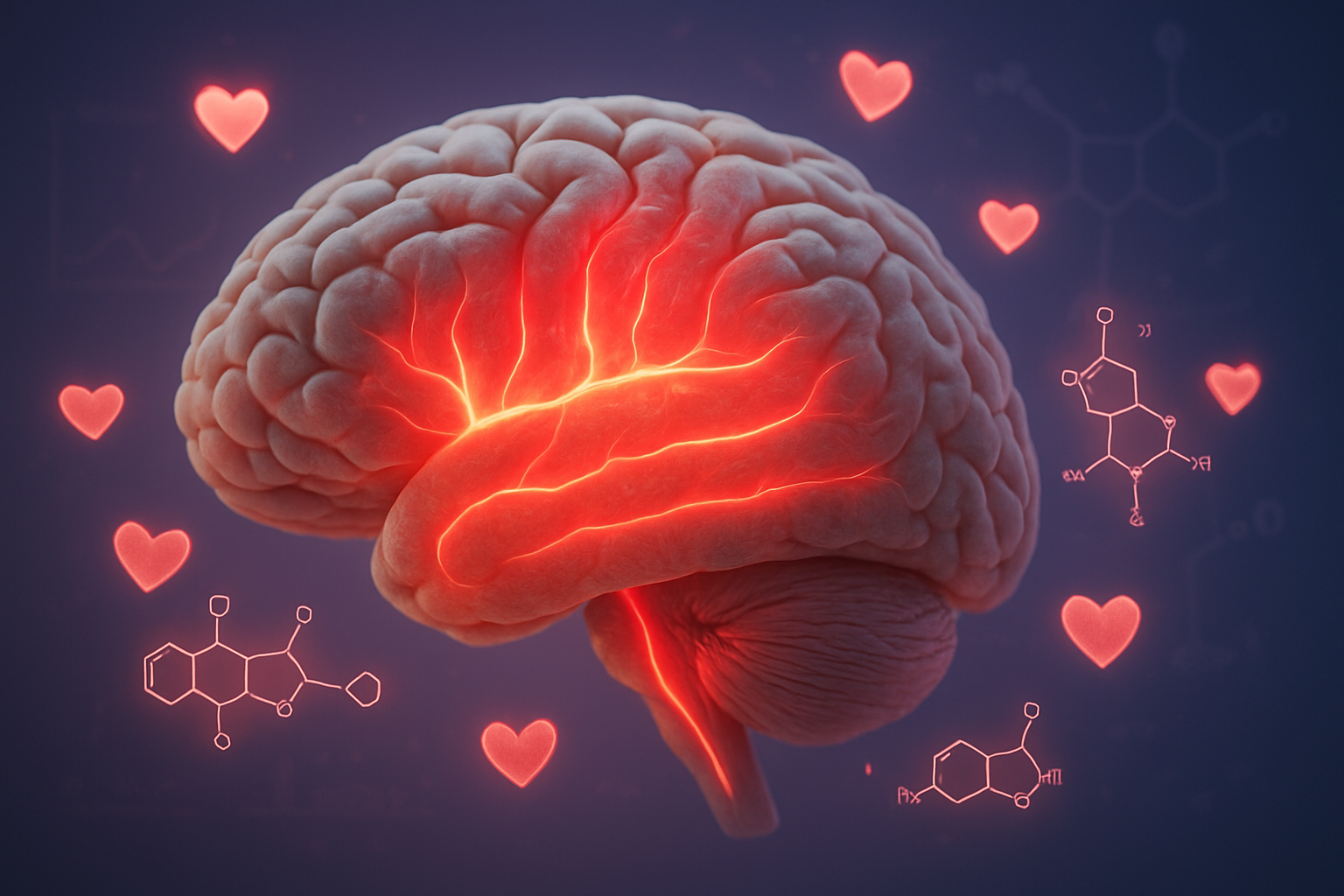
Learning how dopamine and oxytocin create euphoric feelings
When you experience that heart-racing, butterflies-in-your-stomach sensation around someone new, your brain becomes a chemical playground. The science of romantic attraction reveals a fascinating cocktail of neurotransmitters working behind the scenes to create those intoxicating feelings we associate with falling in love.
Dopamine takes center stage as the brain's reward chemical, flooding your system whenever you see, think about, or interact with your romantic interest. This same neurotransmitter drives addiction, which explains why new love feels so consuming and why you crave constant contact with that special person. Your brain literally becomes addicted to the other person's presence, creating an intense motivation to seek them out repeatedly.
Oxytocin, often called the "bonding hormone," kicks in during physical touch, eye contact, and intimate conversations. This powerful chemical creates feelings of attachment and trust, making you feel emotionally connected to your romantic partner. Interestingly, oxytocin levels spike during physical intimacy, which is why couples often feel closer after sharing these moments.
The combination creates a neurochemical high that can last anywhere from several months to two years. During this period, your brain's rational decision-making areas actually show decreased activity, while the reward centers light up like a Christmas tree. This biological response explains why people in the throes of new love often make impulsive decisions or overlook red flags that would normally concern them.
Understanding the evolutionary purpose of instant attraction
Romantic attraction serves a crucial evolutionary function that helped our species survive and reproduce successfully. The science of romantic attraction shows us that what feels like pure magic actually has deep biological roots designed to ensure genetic diversity and offspring survival.
Instant chemistry often occurs when we encounter someone whose genetic makeup would complement our own, creating healthier offspring. Our brains unconsciously process subtle cues like pheromones, facial symmetry, and other markers of genetic fitness. This explains why attraction sometimes feels immediate and inexplicable – your ancient brain is making lightning-fast calculations about reproductive compatibility.
The intense bonding that accompanies falling in love psychology also served an important purpose: keeping couples together long enough to successfully raise vulnerable human babies. Unlike many animals, human infants require years of care from both parents to survive. The neurochemical cocktail of early love creates a strong pair bond that historically increased the chances of successful child-rearing.
Time sensitivity plays a role too. The urgency you feel when falling in love mirrors the evolutionary pressure to secure a mate quickly before competitors could interfere. This drive for rapid pair bonding helped ensure reproductive success in environments where potential partners might be scarce or where group dynamics could change suddenly.
Recognizing why falling in love feels like destiny
The overwhelming sensation that you've found "the one" stems from your brain's remarkable ability to create meaning from neurochemical experiences. When dopamine and oxytocin flood your system, they don't just create good feelings – they fundamentally alter how you perceive reality and interpret coincidences.
Your attention becomes laser-focused on your romantic interest, making you notice every small similarity, shared preference, or moment of connection. This selective attention creates the illusion of extraordinary compatibility. You start seeing signs and synchronicities everywhere because your brain is actively seeking patterns that confirm this special connection.
Memory also plays tricks during this phase. The neurochemical high of new attraction causes your brain to encode experiences more vividly, making every moment together feel more significant than ordinary interactions. These enhanced memories contribute to the feeling that your meeting was somehow predetermined or cosmically arranged.
The intensity of the experience tricks your rational mind into believing something supernatural is happening. Your brain struggles to explain the powerful emotions and physical sensations, so it creates a narrative of destiny or soulmates to make sense of the overwhelming feelings. This psychological mechanism helped our ancestors commit fully to relationships, but it can also mask the reality that strong attraction is a common biological response rather than evidence of a predetermined match.
Social reinforcement amplifies this effect. When friends and family witness your happiness and excitement, their positive reactions validate your feelings of having found something special, strengthening your belief that this connection transcends ordinary human experience.
Defining What It Means to Choose Love

Understanding love as a conscious decision and commitment
Choosing love means making a deliberate decision to commit to someone regardless of fluctuating emotions or circumstances. While falling in love happens to you, choosing love is something you actively do. This conscious decision involves recognizing that love isn't just a feeling you experience, but a commitment you make every single day.
When you choose love, you acknowledge that relationships require work and that feelings naturally ebb and flow. You decide to stay connected even when your partner leaves dirty dishes in the sink or when life gets stressful. This approach to love sees commitment as the foundation that supports everything else in your relationship.
The beauty of choosing love lies in its reliability. Emotions can be unpredictable, but decisions can be consistent. You wake up each morning and choose your partner again, not because butterflies are dancing in your stomach, but because you've decided this person is worth your investment, effort, and dedication.
Recognizing how choosing love requires intentional effort
Choosing love demands active participation in your relationship's growth and maintenance. Unlike the effortless nature of falling in love, this approach requires you to show up consistently, especially during challenging times. You make conscious efforts to understand your partner better, communicate openly, and work through conflicts constructively.
This intentional effort shows up in daily actions: listening without judgment when your partner shares their concerns, making time for meaningful conversations despite busy schedules, and prioritizing your relationship even when other areas of life demand attention. You actively seek ways to strengthen your bond and create positive experiences together.
The effort involved isn't burdensome when you understand its purpose. Each intentional act builds trust, deepens intimacy, and creates a stronger foundation for your partnership. You invest time in learning your partner's love language, supporting their goals, and being present during both celebrations and struggles.
Learning why choosing love focuses on actions over feelings
Actions become the primary language of chosen love because they remain consistent when emotions fluctuate. While feelings can change based on mood, stress levels, or external circumstances, your actions demonstrate your unwavering commitment to your partner and relationship.
This focus on actions doesn't mean dismissing emotions entirely. Rather, it means not allowing temporary feelings to dictate your relationship choices. You might feel frustrated after an argument, but you still choose to communicate respectfully and work toward resolution. You might not feel particularly romantic on a Tuesday morning, but you still express appreciation and affection through thoughtful gestures.
Actions create a stable environment where love can flourish. When both partners prioritize loving actions over fleeting emotions, they build trust and security. Your partner learns they can depend on your love regardless of life's ups and downs, creating space for deeper emotional intimacy to develop naturally.
| Feelings-Based Approach | Actions-Based Approach |
|---|---|
| "I don't feel like talking right now" | "Let's work through this together" |
| "The spark isn't there anymore" | "Let's create new shared experiences" |
| "I'm not happy" | "What can we do to improve our connection?" |
Discovering the power of deliberate relationship investment
Deliberate relationship investment involves consciously allocating time, energy, and resources to strengthen your partnership. Just like financial investments, relationship investments compound over time, creating exponential returns in intimacy, trust, and satisfaction.
This investment takes many forms: scheduling regular date nights, learning new skills together, supporting each other's personal growth, and creating shared goals for your future. You treat your relationship as a priority that deserves your best efforts, not something that should automatically thrive without attention.
The power of this approach becomes evident during difficult seasons. Couples who have consistently invested in their relationship possess the tools, communication skills, and emotional reserves to navigate challenges together. Their previous investments create a strong foundation that can weather storms and emerge stronger.
Smart relationship investment also involves recognizing that both partners must contribute. You can't single-handedly sustain a partnership, but you can model intentional love and inspire your partner to match your commitment level.
Understanding how choice creates sustainable partnerships
Choosing love creates sustainability because it removes the pressure from emotions to carry the entire weight of your relationship. When love is primarily based on choice rather than feelings, your partnership becomes more resilient and adaptable to life's inevitable changes.
Sustainable partnerships built on choice develop systems and habits that support long-term success. You create rituals that maintain connection, establish healthy boundaries, and develop conflict resolution skills that prevent small issues from becoming relationship-threatening problems. These partnerships evolve and grow rather than simply hoping to maintain initial attraction levels.
Choice-based love also allows both partners to change and grow without threatening the relationship's foundation. You can pursue personal interests, career changes, or new life phases while maintaining your commitment to each other. This flexibility actually strengthens your bond because it removes the fear that growth will lead to growing apart.
The sustainability factor becomes particularly important during life transitions like career changes, having children, health challenges, or aging. Couples who have built their relationship on conscious choice navigate these changes as a team, viewing challenges as opportunities to deepen their partnership rather than threats to their happiness.
Comparing the Longevity of Each Approach

Examining why falling in love naturally fades over time
The intense rush of falling in love operates like a biological alarm clock with a built-in expiration date. Neurochemically, your brain floods with dopamine, norepinephrine, and phenylethylamine during the initial attraction phase, creating those butterflies and obsessive thoughts about your partner. Research shows these chemical surges typically last 12 to 18 months before naturally declining.
This biological design makes evolutionary sense. The initial infatuation serves to bond couples long enough to mate and begin raising offspring together. Once that biological imperative is met, the brain's chemistry shifts toward maintaining attachment rather than creating intense passion. Without conscious effort to nurture the relationship beyond these initial feelings, many couples find themselves wondering where the spark went.
The psychology of falling in love also contributes to its temporary nature. During infatuation, people often project idealized versions onto their partners, focusing on potential rather than reality. As daily life reveals human flaws and imperfections, the fantasy version conflicts with the actual person, leading to disappointment and decreased romantic intensity.
Understanding how chosen love builds strength through challenges
Intentional love takes a completely different approach to relationship difficulties. Instead of viewing conflicts as threats to romance, couples who choose love see challenges as opportunities to deepen their connection. This mindset shift transforms how partners respond to stress, disagreements, and life's inevitable hardships.
When you consciously choose to love someone, you develop problem-solving skills together rather than questioning the relationship's viability at the first sign of trouble. Chosen love involves making daily decisions to prioritize your partner's wellbeing, communicate openly about difficult topics, and work through issues as a team.
This approach builds relationship resilience. Each successfully navigated challenge becomes evidence of the partnership's strength, creating a positive feedback loop. Couples who practice intentional love develop confidence in their ability to handle whatever life throws their way, making them less likely to consider ending the relationship during tough times.
The strength that emerges from choosing love daily also comes from its foundation in reality rather than fantasy. You're not loving an idealized version of your partner—you're choosing to love the actual person, complete with their quirks, bad habits, and imperfections.
Learning why intentional love creates deeper intimacy
Choosing to love creates space for authentic vulnerability that falling in love often can't accommodate. When relationships are built on initial attraction and chemistry alone, partners may unconsciously maintain personas designed to keep the romance alive. Intentional love, however, thrives on genuine connection and acceptance.
This deeper intimacy develops because chosen love removes the pressure to maintain perfection. Partners feel safe revealing their true selves—including fears, insecurities, and past wounds—knowing their commitment isn't conditional on maintaining an attractive facade. The result is emotional intimacy that goes far beyond surface-level attraction.
Intentional love also fosters intellectual and spiritual intimacy. Couples who choose love actively engage with each other's thoughts, dreams, and personal growth journeys. They become invested in understanding their partner's inner world, not just enjoying their company during good times.
| Falling in Love Intimacy | Chosen Love Intimacy |
|---|---|
| Based on attraction and chemistry | Built on acceptance and understanding |
| Maintains romantic personas | Embraces authentic selves |
| Surface-level connection | Deep emotional vulnerability |
| Conditional on maintaining appeal | Unconditional acceptance |
Discovering how choice-based love weathers life's storms
Life inevitably brings major stresses that test every relationship: job loss, health crises, family conflicts, financial struggles, and unexpected tragedies. Relationships built solely on romantic feelings often crumble under these pressures because the foundation lacks the structural integrity needed for long-term stability.
Choice-based love operates like a well-built house during storms. The foundation of commitment, mutual respect, and conscious decision-making provides stability when emotions fluctuate wildly due to external circumstances. Partners who choose love have already established frameworks for supporting each other through difficulties.
During crisis periods, couples practicing intentional love tap into their shared values and long-term vision for their relationship. They make decisions based on their commitment rather than their momentary feelings, which might be clouded by stress, fear, or exhaustion. This approach prevents temporary circumstances from causing permanent relationship damage.
The weathering process also strengthens choice-based relationships. Each storm survived together builds trust and confidence in the partnership's durability. Partners learn they can rely on each other not just during good times, but especially when life gets difficult. This creates a secure attachment that becomes increasingly unshakeable over time.
Navigating the Transition from Falling to Choosing

Recognizing when the honeymoon phase naturally ends
The shift from falling in love to choosing love doesn't happen overnight. Most couples experience this transition somewhere between 6 months to 2 years into their relationship, though the timeline varies dramatically between individuals. The honeymoon phase naturally begins to fade when your brain's chemical cocktail of dopamine, norepinephrine, and phenylethylamine starts to normalize.
You'll notice subtle changes first. Your partner's quirky habits that once seemed endearing might start to feel annoying. The butterflies in your stomach become less frequent, and you stop feeling that constant urge to text them every few minutes. This isn't relationship failure – it's biological reality.
Physical signs include sleeping better when they're around (rather than staying up all night talking), feeling comfortable in silence together, and noticing their flaws without immediately dismissing them. Emotionally, you'll find yourself thinking more practically about your future together rather than living entirely in the present moment.
The key lies in recognizing these changes as normal relationship evolution rather than warning signs. Many couples panic during this phase, mistaking the end of intense infatuation for the end of love itself. Understanding that this transition is both healthy and necessary helps you prepare for the next phase of your relationship journey.
Learning to make conscious decisions about your relationship
Choosing love requires a fundamental mindset shift from reactive emotions to proactive decisions. Instead of asking "Do I feel in love?" you start asking "Am I willing to love this person?" This doesn't mean forcing feelings that aren't there – it means deciding to nurture the love that exists.
Daily choices become your new love language. You choose to listen when they need to vent about work, even when you're tired. You choose patience during disagreements instead of letting anger drive your responses. These micro-decisions accumulate into a stronger bond than any initial spark could provide.
Conscious relationship decisions involve:
-
Setting intentional relationship goals together
-
Creating shared values and boundaries that guide your partnership
-
Choosing vulnerability even when it feels scary
-
Prioritizing your partner's growth alongside your own
-
Making time for connection despite busy schedules
This approach requires emotional maturity and self-awareness. You'll need to examine your own patterns, triggers, and expectations. Many people discover that choosing love means choosing to work on themselves just as much as working on the relationship. The beautiful paradox is that this intentional approach often creates deeper feelings than the initial falling in love phase ever provided.
Developing skills to choose love during difficult times
Difficult times reveal whether you're truly choosing love or simply riding emotional highs. Job loss, family crises, health challenges, or major life transitions test your commitment in ways that honeymoon-phase emotions never prepared you for.
Building these skills starts with developing emotional regulation techniques. When conflict arises, pause before reacting. Take three deep breaths and ask yourself what response would serve your relationship best, not what would feel most satisfying in the moment. This simple practice can prevent countless unnecessary fights.
Communication becomes your strongest tool for choosing love during challenges. Learn to express needs without blame and listen without immediately defending yourself. Practice phrases like "I'm feeling overwhelmed and need support" instead of "You never help me with anything."
Create relationship rituals that anchor you during storms:
-
Weekly check-ins to discuss both struggles and victories
-
Gratitude practices where you share what you appreciate about each other
-
Conflict resolution protocols you both agree to follow during disagreements
-
Stress management techniques you can use together
Remember that choosing love during difficult times doesn't mean accepting mistreatment or staying in unhealthy situations. It means fighting for your relationship when it's worth fighting for, while maintaining your own well-being and boundaries. The strongest couples learn to see challenges as opportunities to deepen their bond rather than threats to their connection.
Building a Foundation for Lasting Relationships

Combining Initial Attraction with Intentional Commitment
The most successful long-term relationships don't rely solely on falling in love vs choosing love - they blend both elements seamlessly. That initial spark creates the foundation, but intentional commitment builds the house. When couples honor their initial attraction while making daily choices to prioritize their partner, they create a powerful combination that sustains relationships through decades.
This balance requires recognizing that the butterflies and excitement of early romance serve a purpose - they bond you together and create positive associations with your partner. Smart couples don't dismiss these feelings as "just chemicals" but use them as fuel for deeper connection. They build on that natural chemistry by choosing actions that reinforce their bond, even when the initial high fades.
Creating Daily Habits That Reinforce Your Choice to Love
Lasting love lives in the small, consistent actions rather than grand gestures. The couples who stay together for 30, 40, or 50 years understand that love becomes a practice, not just a feeling. They develop routines that strengthen their relationship foundations every single day.
These habits might include:
-
Morning check-ins where partners share their day ahead and offer support
-
Evening gratitude where each person mentions something they appreciated about their partner
-
Weekly date planning that prioritizes one-on-one time without distractions
-
Physical affection rituals like hugs when leaving and returning home
-
Conflict resolution practices that address issues quickly rather than letting them fester
The power lies in consistency. A five-minute conversation every morning carries more weight than a three-hour discussion once a month. These small moments compound over time, creating a relationship culture where choosing love feels natural and automatic.
Learning to Love Beyond Mood and Circumstances
Real relationship maturity shows up when life gets messy. Building lasting relationships means developing the ability to choose love even when your partner is stressed, sick, going through career challenges, or dealing with family drama. Your feelings will fluctuate - that's human nature - but your commitment remains steady.
This doesn't mean becoming a doormat or ignoring serious relationship issues. It means distinguishing between temporary rough patches and fundamental incompatibilities. When your partner snaps at you after a terrible day at work, mature love recognizes the stress talking rather than taking it personally. When life throws curveballs like job loss, illness, or family crises, strong couples support each other instead of adding relationship stress to an already difficult situation.
Couples who master this skill create emotional safety in their relationship. Both partners know they can count on each other's love even during their worst moments, which actually makes those difficult times shorter and less intense.
Developing Emotional Maturity for Long-Term Success
Emotional maturity in relationships means taking responsibility for your own happiness while contributing to your partner's wellbeing. It's the difference between "you make me feel" and "I feel this way when." This shift in perspective transforms how couples handle everything from daily irritations to major disagreements.
Mature partners understand that romantic love vs committed love requires different skills. The science of romantic attraction gets you started, but emotional intelligence keeps you together. This includes:
-
Self-awareness about your triggers, needs, and communication patterns
-
Empathy that helps you understand your partner's perspective, especially during conflicts
-
Emotional regulation that prevents temporary feelings from driving permanent decisions
-
Communication skills that express needs clearly without attacking your partner's character
-
Repair skills that help you recover quickly from arguments or misunderstandings
These relationship longevity factors develop over time with practice and intention. The couples who invest in growing their emotional maturity together create relationships that actually get stronger and more satisfying as years pass, rather than just enduring or surviving.

The difference between falling in love and choosing to love shapes how we experience relationships at every stage. While that initial spark of attraction gets things started and creates those butterflies we all crave, it's the conscious decision to keep loving someone through ups and downs that builds something real and lasting. The science shows us that those early feelings are powerful but temporary – they're designed to bring people together, not keep them together forever.
What really matters is learning how to make that shift from riding the emotional high to doing the daily work of love. This means showing up for your partner even when you're not feeling those intense butterflies, communicating through tough conversations, and choosing to see the best in each other when it would be easier to focus on flaws. The couples who make it long-term aren't necessarily the ones who felt the strongest initial attraction – they're the ones who decided that love is something you do, not just something you feel. Start paying attention to the small ways you can choose love today, because that's where real, lasting relationships are built.


Comments
Post a Comment