How To Recognize A Toxic Relationship
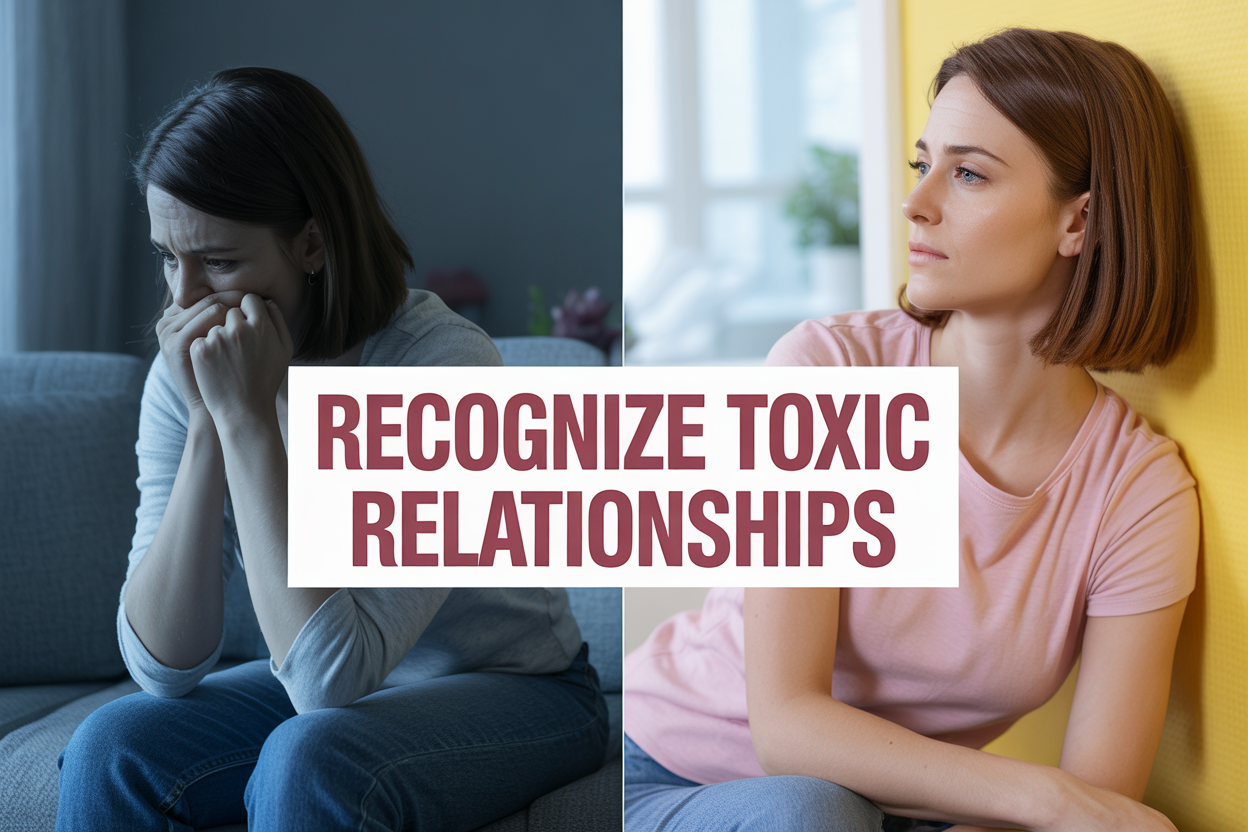
Recognizing toxic relationship signs can be challenging when you're emotionally invested in someone. This guide is for anyone questioning their relationship dynamics, friends worried about a loved one, or those wanting to protect themselves from unhealthy relationship behaviors.
Many people miss early warning signs because toxic partners often start with subtle manipulation before escalating their behavior. You might notice changes in how you feel about yourself or find yourself walking on eggshells around your partner.
We'll explore how emotional manipulation warning signs often disguise themselves as care or concern. You'll learn to spot controlling relationship patterns that gradually isolate you from friends and family. We'll also cover verbal abuse red flags that go beyond obvious insults, including subtle put-downs and gaslighting tactics that make you question your own reality.
Understanding these toxic relationship symptoms empowers you to make informed decisions about your relationship and well-being.
Understand the Warning Signs of Emotional Manipulation
Recognize Gaslighting Tactics That Make You Question Reality
Gaslighting represents one of the most insidious forms of psychological manipulation, leaving victims doubting their own perceptions and memories. This toxic relationship pattern involves your partner consistently denying events that happened, minimizing your experiences, or twisting situations to make you feel like you're losing your grip on reality.
Watch for phrases like "That never happened," "You're being too sensitive," or "You're imagining things" when you bring up legitimate concerns. A gaslighter might move your belongings and then act confused when you mention they're missing, or they'll deny saying something hurtful even when you clearly remember the conversation.
The emotional manipulation warning signs become clearer when you notice yourself constantly second-guessing your own judgment or apologizing for things that weren't your fault. You might find yourself taking notes or screenshots to "prove" conversations happened because your partner has made you doubt your memory so frequently.
Identify Guilt-Tripping and Blame-Shifting Behaviors
Toxic partners excel at making their problems become your responsibility through masterful guilt-tripping and blame-shifting techniques. They'll turn every argument around so you end up feeling like the bad guy, even when addressing their harmful behavior.
These controlling relationship patterns often sound like: "If you really loved me, you would..." or "Look what you made me do." Your partner might bring up past mistakes during unrelated arguments or use your vulnerabilities against you to shut down conversations.
Blame-shifting becomes apparent when your partner never takes accountability for their actions. Instead of apologizing for being late, they'll say you're too demanding. When they lose their temper, it's because you "pushed their buttons." This toxic relationship symptom creates an exhausting dynamic where you're constantly walking on eggshells and accepting responsibility for their choices.
Spot Controlling Language Disguised as Concern
Master manipulators wrap their control in fake concern, making their toxic behavior seem caring and protective. This disguised emotional abuse can be particularly confusing because it mimics genuine love and worry.
Pay attention to phrases like "I'm only saying this because I care about you" followed by criticism or restrictions. They might say things like "You shouldn't wear that - people will get the wrong idea" or "Your friends are a bad influence on you." These statements sound protective but actually serve to isolate you and control your choices.
| Genuine Concern | Controlling "Concern" |
|---|---|
| "I noticed you seem stressed about work lately. How can I support you?" | "You're always complaining about work. Maybe you're just not cut out for it." |
| "I miss spending time together. Could we plan a date night?" | "You spend too much time with your friends. They don't care about you like I do." |
| "I'm worried about your safety driving in this weather." | "You're not allowed to drive anywhere in weather like this." |
Notice When Your Feelings Are Consistently Dismissed
One of the clearest toxic relationship signs involves your partner's consistent dismissal of your emotional experiences. Healthy relationships require both partners to acknowledge and respect each other's feelings, even during disagreements.
Your emotions get brushed aside with responses like "You're overreacting," "It's not that serious," or "You're being dramatic." Instead of trying to understand your perspective, they might roll their eyes, change the subject, or become angry that you're upset.
This unhealthy relationship behavior creates a pattern where you stop sharing your feelings altogether because you know they'll be minimized or mocked. You might find yourself questioning whether your emotional responses are valid, leading to emotional suppression and resentment. When someone consistently treats your feelings as inconvenient or wrong, they're showing you that your inner world doesn't matter to them.
Identify Patterns of Control and Isolation

Recognize attempts to limit your social connections
Controlling partners often begin by subtly criticizing your friends and family members. They might make negative comments about your closest relationships, suggesting that certain people are "bad influences" or "don't really care about you." This gradual erosion of trust in your support network is one of the most telling toxic relationship signs.
Watch for patterns where your partner consistently finds excuses for why you shouldn't attend social gatherings, family events, or meet up with friends. They might create conflicts right before planned outings, claim they need you for something urgent, or express hurt feelings when you choose to spend time with others.
Another red flag involves your partner showing up uninvited to social events or insisting on accompanying you everywhere. While this might initially seem romantic or protective, it's actually a form of monitoring and control. They want to oversee your interactions and prevent you from having private conversations that might open your eyes to their behavior.
Some controlling individuals will even relocate you physically - suggesting moves to new cities, different neighborhoods, or homes that are farther from your support system. They frame these suggestions around practical concerns like better jobs or cheaper housing, but the real motive is isolation.
Spot financial control and dependency tactics
Financial abuse represents one of the most insidious controlling relationship patterns. Your partner might insist on managing all household finances, claiming they're "better with money" or that it's "more efficient" this way. They gradually take control of bank accounts, credit cards, and financial decisions.
Look for signs that your access to money is being restricted. This includes having to ask permission for purchases, receiving an "allowance" for personal expenses, or being denied access to joint accounts. Some abusers will hide financial information, making it impossible for you to understand your household's true financial situation.
Career sabotage is another common tactic. Your partner might discourage you from working, pursuing education, or advancing professionally. They could create emergencies that force you to miss work, show up at your workplace causing disturbances, or pressure you to quit your job entirely. The goal is making you financially dependent on them.
Credit destruction is also part of this pattern. Abusive partners might open accounts in your name, max out credit cards, or refuse to pay bills that affect your credit score. This financial damage makes it extremely difficult to leave the relationship and establish independence.
Identify monitoring of your activities and communications
Modern technology has made surveillance easier than ever for controlling partners. They might demand passwords to all your accounts - email, social media, phone, and banking. While couples often share some access to each other's digital lives, complete monitoring crosses into toxic relationship symptoms territory.
Check your devices for unknown apps or software that could be tracking your location, recording conversations, or monitoring your messages. Some abusers install spyware without their partner's knowledge, giving them access to texts, calls, photos, and browsing history.
Physical monitoring includes checking your car's mileage, going through your belongings, or questioning you extensively about where you've been and who you've talked to. They might call or text constantly throughout the day, demanding immediate responses and detailed explanations of your activities.
Social media stalking extends beyond checking your own accounts. Controlling partners often monitor your friends' and family members' social media to look for information about your activities. They might create fake accounts to spy on you or contact your connections to gather information about your whereabouts and interactions.
Time restrictions represent another form of monitoring. Your partner might set strict schedules for when you can leave the house, how long you can be gone, or specific times you must check in. They frame these demands as concern for your safety, but they're really about maintaining control over your freedom and autonomy.
Recognize Verbal and Emotional Abuse Red Flags

Identify constant criticism and put-downs
Toxic partners weaponize criticism to erode your self-esteem systematically. This isn't the occasional disagreement or constructive feedback that healthy relationships include. Instead, you'll notice relentless attacks on your appearance, intelligence, choices, or abilities. They might disguise these attacks as "just being honest" or "trying to help you improve."
Pay attention to how you feel after conversations with your partner. Do you consistently walk away feeling smaller, questioning your judgment, or doubting your worth? Toxic relationship signs often manifest as persistent negativity directed at core aspects of who you are - not just specific behaviors that could actually be addressed.
The criticism typically escalates over time, starting with subtle comments that gradually become more frequent and harsh. They might compare you unfavorably to others, mock your dreams and aspirations, or dismiss your accomplishments as insignificant.
Recognize threatening language and intimidation
Verbal abuse red flags include direct or implied threats to your safety, well-being, or things you value. This doesn't always mean shouting or obvious aggression. Toxic partners often master the art of veiled threats that leave you feeling unsafe while maintaining plausible deniability.
Watch for phrases like "you'll regret this," "you don't know what I'm capable of," or threats to harm themselves, you, your pets, or destroy your belongings. They might threaten to leave you stranded, expose embarrassing information, or sabotage your work or relationships.
Physical intimidation through body language - looming over you, blocking exits, aggressive gestures, or invading your personal space - creates fear without leaving obvious evidence. These controlling relationship patterns are designed to make you comply through fear rather than genuine agreement.
Spot passive-aggressive communication patterns
Passive-aggressive behavior creates confusion and emotional exhaustion. Instead of direct communication, toxic partners use sarcasm, silent treatment, backhanded compliments, or deliberate "forgetfulness" about important commitments to express anger or control situations.
Common examples include:
-
Giving you the cold shoulder without explaining why
-
Making cutting remarks disguised as jokes
-
Agreeing to do something then "forgetting" repeatedly
-
Using guilt trips instead of honest conversations
-
Responding with "fine" or "whatever" when clearly upset
This communication style leaves you constantly walking on eggshells, trying to decode their real feelings while they avoid taking responsibility for direct conflict.
Notice when apologies are followed by repeated harmful behavior
Empty apologies are hallmarks of toxic relationship symptoms. The pattern typically follows this cycle: harmful behavior occurs, you express hurt or anger, they apologize profusely (often with tears, grand gestures, or promises to change), things improve temporarily, then the harmful behavior returns - often worse than before.
Real apologies include acknowledgment of specific wrongdoing, genuine remorse, and concrete changes in behavior. Toxic apologies focus on how bad they feel, minimize the harm caused, or shift blame back to you ("I'm sorry you felt hurt by what I said").
Count the apologies versus actual behavioral changes. If you're hearing "I'm sorry" repeatedly for the same issues without seeing lasting improvement, you're experiencing manipulation, not genuine remorse.
Understand the cycle of intense highs and devastating lows
Emotional abuse often creates an addictive cycle that mimics trauma bonding. The relationship alternates between periods of intense connection, affection, and happiness followed by devastating conflicts, emotional withdrawal, or cruel treatment.
During the "high" periods, your partner might be incredibly loving, attentive, and charming - exactly what you fell in love with initially. These moments feel so good that you start believing this is the "real" person, and the harmful behavior was just a temporary aberration.
The unpredictability keeps you emotionally hooked, always hoping to get back to those wonderful moments. Your nervous system becomes accustomed to this chaos, making normal, stable relationships feel boring by comparison. This cycle is intentional - it keeps you invested in the relationship despite the pain, always chasing the next high while enduring increasingly severe lows.
Assess Your Physical and Mental Well-being Changes

Recognize declining self-esteem and confidence levels
Your inner voice used to be your biggest cheerleader, but now it sounds more like a harsh critic. When you're in a toxic relationship, your sense of self-worth takes a serious beating. You might find yourself second-guessing decisions you once made with confidence, or feeling like you can't do anything right.
Pay attention to how you talk about yourself. Do you catch yourself saying things like "I'm stupid" or "I always mess things up"? These negative self-talk patterns often develop when someone consistently undermines your abilities and accomplishments. You may notice that compliments from others feel fake or undeserved, while criticism hits extra hard and sticks around in your mind for days.
Your partner might disguise put-downs as "constructive feedback" or claim they're "just being honest." Over time, this constant negativity rewires your brain to focus on your perceived flaws instead of your strengths. You start believing their version of who you are rather than trusting your own judgment.
Identify chronic stress and anxiety symptoms
Living with toxic relationship symptoms creates a state of constant alertness that exhausts your nervous system. Your body stays in fight-or-flight mode, pumping out stress hormones that weren't meant to circulate long-term. This shows up as tension headaches, muscle aches, digestive issues, or a racing heart even during calm moments.
Anxiety becomes your unwelcome companion, especially around your partner. You might feel your stomach drop when you hear their key in the door or see their name pop up on your phone. Social situations that never bothered you before might trigger panic attacks because you're worried about how your partner will react to your interactions with others.
Chronic stress from relationship toxicity also weakens your immune system, making you more prone to getting sick. You catch every cold that goes around, and minor illnesses linger longer than they should.
Notice changes in your sleep and eating patterns
Your relationship stress follows you to bed and sits down at your dinner table. Sleep becomes elusive when your mind races with worry about tomorrow's potential conflicts or replays today's arguments on an endless loop. You might lie awake planning conversations or trying to figure out what you did wrong.
Some people in toxic relationships find themselves eating constantly for comfort, while others lose their appetite entirely. Food either becomes a coping mechanism or loses all appeal when anxiety takes over. You might not even realize these changes are happening until friends comment on your weight loss or gain.
Sleep disruption and eating pattern changes create a vicious cycle. Poor sleep makes you more emotionally reactive, while irregular eating affects your mood stability and energy levels.
Spot isolation from activities you once enjoyed
Remember that hobby that used to light you up? The friends you'd meet for coffee every week? The gym classes that energized you? Controlling relationship patterns often involve gradually pulling you away from the things and people that bring you joy and confidence.
Sometimes this isolation happens through direct demands: "You spend too much time with your friends" or "That hobby is a waste of money." More often, it's subtle manipulation that makes you feel guilty for having interests outside the relationship. Your partner might sulk when you make plans, start fights right before you're supposed to leave, or make you feel selfish for wanting time to yourself.
You begin declining invitations because it's easier than dealing with the drama. Eventually, friends stop asking, and your world shrinks to revolve around your partner's needs and moods. This isolation serves a purpose for toxic partners – it removes your support system and makes you more dependent on them for validation and social connection.
The activities you once loved become distant memories, replaced by walking on eggshells and managing someone else's emotions. Your identity becomes so intertwined with the relationship that you forget who you were before it started.
Evaluate the Balance of Power in Your Relationship
Assess Decision-Making Equality in the Partnership
Healthy relationships thrive on shared decision-making, where both partners have equal say in matters that affect their lives together. In toxic relationships, however, one person consistently dominates the decision-making process, leaving the other feeling powerless and unheard.
Pay attention to who makes the final calls about important issues like finances, living arrangements, career choices, or even smaller daily decisions. Does your partner regularly override your preferences without discussion? Do they dismiss your opinions or make you feel like your input doesn't matter?
Red flags in decision-making include:
-
Making major purchases without consulting you
-
Choosing where to live, work, or socialize without your input
-
Deciding how you spend your time or money
-
Dismissing your concerns as "overreacting" or "being dramatic"
-
Using phrases like "I know what's best for us" repeatedly
True partnership means both people contribute to choices that affect the relationship. When one person consistently steamrolls over the other's wishes, it creates an unhealthy power imbalance that can lead to resentment and emotional damage.
Examine Mutual Respect and Support Levels
Mutual respect forms the foundation of every healthy relationship. Both partners should feel valued, heard, and supported in their goals and dreams. When this balance shifts dramatically in favor of one person, toxic relationship patterns emerge.
Take note of how your partner responds to your achievements, struggles, and personal growth. Do they celebrate your successes or minimize them? When you're facing challenges, do they offer emotional support or make you feel like a burden?
Signs of unequal respect and support:
-
Your partner belittles your accomplishments
-
They show little interest in your hobbies, career, or personal goals
-
You feel like you're walking on eggshells around them
-
They expect constant emotional support but rarely reciprocate
-
Your feelings are regularly invalidated or ignored
| Healthy Dynamic | Toxic Dynamic |
|---|---|
| Both partners encourage each other's growth | One partner undermines the other's confidence |
| Equal emotional investment | One-sided emotional labor |
| Respectful disagreements | Personal attacks during conflicts |
| Celebrating each other's wins | Competition or jealousy over success |
Identify One-Sided Sacrifice and Compromise Patterns
Relationships naturally involve give and take, but toxic relationship signs become apparent when the sacrificing becomes consistently one-sided. If you find yourself constantly bending to accommodate your partner's needs while receiving little flexibility in return, you're experiencing an unhealthy relationship behavior.
Healthy compromise means both people adjust their expectations and behaviors to meet somewhere in the middle. In controlling relationship patterns, one person expects all the accommodating while offering none themselves.
Consider these warning questions:
-
Are you always the one canceling plans to suit their schedule?
-
Do you regularly suppress your own needs to avoid conflict?
-
Have you given up friendships, hobbies, or opportunities because they disapproved?
-
Do conversations about your needs turn into arguments about their problems?
-
Are you constantly apologizing for things that aren't really your fault?
Common one-sided sacrifice patterns include:
-
Always choosing restaurants, movies, or activities they prefer
-
Spending holidays with their family while yours gets ignored
-
Supporting their career moves while yours take a backseat
-
Doing most household tasks regardless of work schedules
-
Managing their emotions while yours get dismissed
Recognizing these toxic relationship symptoms early can help you address the imbalance before it becomes deeply entrenched. Healthy relationships require effort from both people, not just one person carrying the entire emotional and practical load.

Recognizing toxic relationship patterns takes courage and self-awareness. From emotional manipulation tactics to controlling behaviors that isolate you from loved ones, these warning signs often start small but escalate over time. Verbal abuse, power imbalances, and noticeable changes in your mental or physical health are all clear indicators that something isn't right. Trust your instincts when relationships consistently leave you feeling drained, anxious, or walking on eggshells.
Your well-being matters more than any relationship. If you've identified several red flags in your current situation, reach out to trusted friends, family members, or professional counselors who can offer support and guidance. Remember that healthy relationships should lift you up, not tear you down. Take action to protect yourself – you deserve to be treated with respect, kindness, and genuine love.


Comments
Post a Comment