Love in the Digital Age: Blessing or Burden?
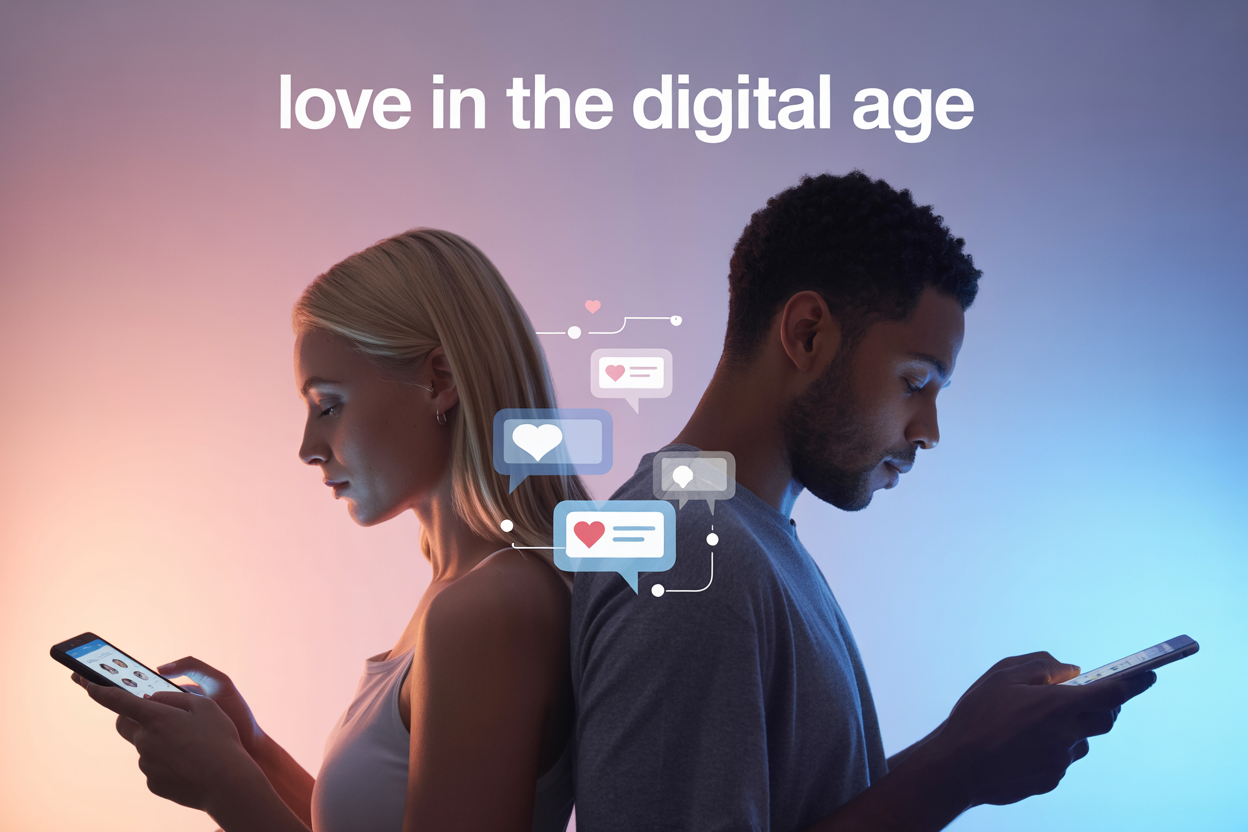
Love in the Digital Age: Blessing or Burden?
Your dating life looks nothing like your parents' generation. Swipe right for instant matches, text instead of phone calls, and navigate relationships where your partner's social media activity matters as much as your face-to-face conversations. Digital age love has completely reshaped how we meet, connect, and maintain romantic relationships.
This guide is for anyone trying to make sense of modern romance technology – whether you're new to online dating, struggling with digital relationships, or wondering if all this connectivity is helping or hurting your love life.
We'll explore how digital dating apps offer incredible online dating convenience but also create unique online dating challenges. You'll discover why technology and relationships can either deepen emotional bonds or create barriers to authentic self-expression online. Finally, we'll share practical tips for building healthy digital romance that enhances rather than replaces genuine human connection.
The question isn't whether technology belongs in your love life – it's already there. The real question is how to use it wisely.
How Technology Transforms Modern Romance

Dating Apps Expand Your Romantic Reach
Digital dating apps have completely changed who you can meet and date. Before smartphones, your dating pool was limited to people in your immediate social circle, workplace, or local hangouts. Now you can browse thousands of potential partners from the comfort of your couch, filtering by age, interests, location, and compatibility factors that matter to you.
Modern romance technology puts an entire city's worth of singles at your fingertips. Apps like Tinder, Bumble, and Hinge have made it possible to connect with people you'd never encounter in your daily routine. This expanded reach is especially valuable for people in smaller towns, those with niche interests, or anyone looking for specific relationship qualities that might be rare in their immediate environment.
The numbers speak for themselves - millions of people now meet their partners through digital dating apps. This technology removes geographical barriers and social limitations that once constrained romantic possibilities, giving everyone a better chance at finding genuine compatibility.
Social Media Creates New Relationship Milestones
Social media has introduced entirely new stages in modern relationships that didn't exist just a decade ago. The progression from matching to messaging, from Instagram follows to relationship status updates, creates digital milestones that couples navigate together.
These platforms offer unique ways to express affection and commitment. Couples now share their relationship journey through photos, stories, and posts that create a digital scrapbook of their love story. Anniversary posts, tagged photos, and couple selfies become public declarations of commitment that friends and family can celebrate together.
Social media also enables constant connection throughout the day. Quick messages, photo shares, and emoji reactions keep couples emotionally connected even when physically apart. This constant digital thread strengthens bonds and maintains intimacy in ways that previous generations couldn't experience.
Video Calls Bridge Long-Distance Love Gaps
Video calling technology has revolutionized long-distance relationships, making them more viable than ever before. Apps like FaceTime, Zoom, and WhatsApp video calls allow couples to see each other's expressions, share meals virtually, and maintain face-to-face intimacy across any distance.
These virtual connections help maintain emotional bonds that would have been impossible to sustain through letters or phone calls alone. Couples can now watch movies together online, take virtual tours of each other's daily environments, and even sleep on video calls to feel closer to their partner.
The visual element adds crucial non-verbal communication that strengthens digital relationships. Seeing your partner's smile, reading their body language, and sharing visual experiences creates deeper emotional connections that help long-distance couples thrive until they can be physically reunited.
AI Matching Algorithms Find Better Compatibility
Artificial intelligence has transformed how people find compatible partners by analyzing vast amounts of data to identify potential matches. These sophisticated algorithms consider factors beyond surface-level attraction, examining communication patterns, shared values, lifestyle preferences, and personality traits to suggest highly compatible partners.
Dating platforms use machine learning to improve their matching accuracy over time, learning from successful relationships and user feedback. This technology can identify compatibility patterns that humans might miss, potentially leading to more successful long-term relationships.
AI-powered features like conversation starters, personality assessments, and compatibility scores help users make more informed decisions about potential partners. This data-driven approach to digital age love offers a scientific foundation for romantic connections that goes far beyond chance encounters.
Digital Dating Delivers Unprecedented Convenience

Meet Potential Partners From Your Couch
Gone are the days of waiting for chance encounters at coffee shops or hoping your friends will introduce you to someone special. Digital dating apps have revolutionized how we meet potential partners by bringing thousands of profiles directly to your fingertips. Whether you're lounging in pajamas after a long work day or taking a quick break between meetings, online dating convenience means romance is always accessible.
This comfort-first approach removes the pressure of traditional meetups. You can browse profiles, craft thoughtful messages, and engage in meaningful conversations without worrying about awkward silences or first-impression jitters. The relaxed environment of your own space allows your personality to shine through genuine interactions rather than forced small talk.
Filter Matches Based on Specific Preferences
Modern romance technology empowers you to search for compatibility with laser precision. Dating platforms offer sophisticated filtering systems that go far beyond basic demographics. You can specify everything from lifestyle choices and career goals to religious beliefs and relationship expectations.
Want someone who shares your passion for hiking? Check. Looking for a partner who values family time? Easy to find. Prefer dating someone with similar educational backgrounds? The filters handle that too. This targeted approach saves countless hours that would otherwise be spent on incompatible dates.
| Filter Category | Examples |
|---|---|
| Lifestyle | Fitness level, smoking habits, drinking preferences |
| Values | Political views, religious beliefs, family planning |
| Interests | Hobbies, travel preferences, cultural activities |
| Practical | Location radius, age range, education level |
Save Time by Screening Compatibility Early
Digital relationships allow you to assess compatibility before investing time and emotional energy into face-to-face meetings. Through detailed profiles, messaging exchanges, and video calls, you can identify red flags or dealbreakers early in the process.
Smart daters use this screening phase to ask important questions about life goals, communication styles, and relationship expectations. This upfront transparency prevents the disappointment of discovering fundamental incompatibilities after several dates. You can explore deeper topics through text conversations, giving both parties time to think through responses rather than making snap judgments.
Access Dating Pools Beyond Geographic Limits
Your perfect match might not live in your immediate neighborhood, and digital age love recognizes this reality. Dating apps expand your potential partner pool exponentially by connecting you with people across cities, states, or even countries. This geographic flexibility is especially valuable for those in smaller towns or niche communities.
Remote work trends have made long-distance relationships more feasible than ever before. Many couples now meet online and successfully navigate the distance while building strong emotional connections. The initial digital foundation often creates deeper communication patterns that benefit the relationship long-term.
Connect Instantly Without Social Anxiety
For many people, approaching strangers in social settings triggers overwhelming anxiety. Online dating challenges traditional dating by providing a low-pressure environment where introverts and socially anxious individuals can express themselves authentically without immediate face-to-face pressure.
The digital buffer allows you to:
-
Process conversations at your own pace
-
Craft thoughtful responses without time pressure
-
Share personal stories when you feel comfortable
-
Build confidence through successful online interactions
-
Practice communication skills in a safe environment
This gradual approach to connection often leads to more meaningful relationships because both people have time to showcase their authentic personalities rather than performing under social pressure.
Technology Deepens Emotional Connections

Share Daily Moments Through Photos and Messages
Modern couples create intimacy by documenting their lives in real-time through smartphones and messaging apps. A simple photo of morning coffee becomes a way to say "thinking of you," while sharing sunset views from different cities helps partners feel present in each other's daily experiences. These small digital gestures build emotional bridges that span physical distance.
Visual storytelling through photos allows couples to:
-
Share mundane moments that reveal personality and lifestyle
-
Create shared memories even when apart
-
Express affection through carefully chosen images
-
Build anticipation for future meetings through location sharing
Digital age love thrives on these micro-connections. A quick selfie during lunch break or a snapshot of something funny spotted on the street becomes a love note. These exchanges create continuous narrative threads that keep relationships alive throughout busy days.
Maintain Constant Communication Throughout the Day
Technology enables partners to stay connected through brief but meaningful touchpoints. Morning good luck messages, midday check-ins, and bedtime voice notes create rhythm in digital relationships. This constant availability transforms how modern romance develops and maintains emotional momentum.
Communication patterns that strengthen bonds include:
-
Quick voice messages during commutes
-
Emoji reactions that convey immediate emotional responses
-
Real-time location sharing for safety and connection
-
Video calls during routine activities like cooking or walking
The beauty lies in how these interactions weave through daily life without demanding major time commitments. A three-second voice note saying "hope your meeting goes well" carries emotional weight that email could never achieve. Technology and relationships blend seamlessly when partners master these brief but consistent exchanges.
Express Feelings Through Creative Digital Formats
Digital platforms offer unprecedented ways to communicate emotions beyond traditional words. Couples create personalized playlists on Spotify to share moods, design custom memes that reference inside jokes, and use video editing apps to craft romantic montages. These creative expressions add depth to virtual relationships.
Creative digital expression takes many forms:
| Format | Emotional Impact | Best Use |
|---|---|---|
| Playlist sharing | High emotional resonance | Conveying complex feelings |
| Custom GIFs/memes | Playful intimacy | Daily humor and connection |
| Voice note diaries | Deep personal sharing | Processing difficult emotions |
| Collaborative photo albums | Shared memory building | Milestone celebrations |
Social media romance benefits from these creative outlets because they allow personality to shine through curated content. A partner who creates a time-lapse video of their weekend project or records a silly song about missing someone demonstrates care through effort and creativity.
These digital expressions often become more meaningful than traditional romantic gestures because they require personal investment and technical creativity. The result is authentic self-expression online that builds genuine emotional connections in healthy digital romance.
Digital Romance Creates Serious Relationship Challenges
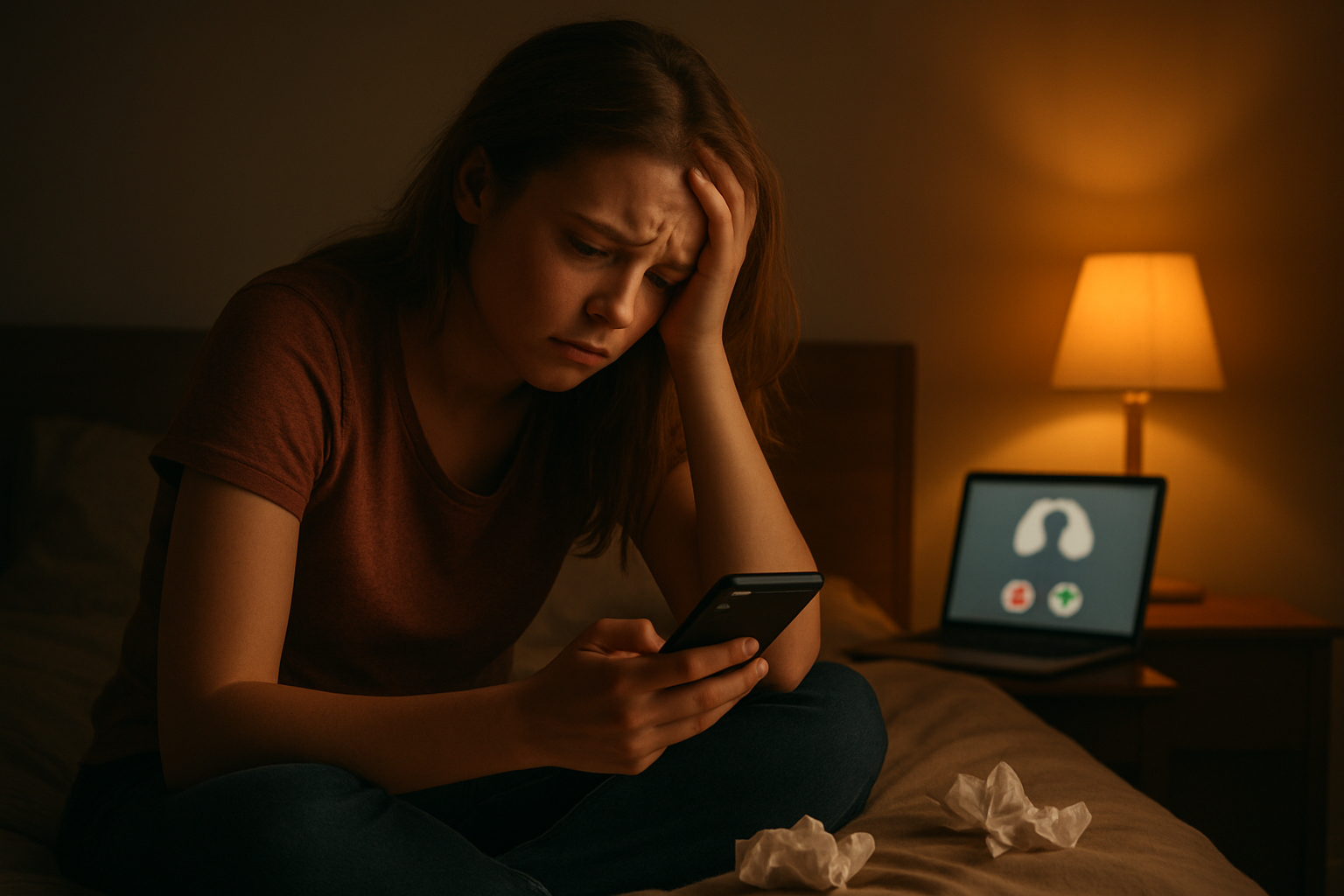
Endless Options Lead to Commitment Avoidance
The abundance of potential partners on dating apps creates what psychologists call "choice overload." With thousands of profiles at your fingertips, the grass always appears greener on the next swipe. This endless buffet of options makes settling down feel like missing out on someone better just around the corner.
Many people develop what experts term "FOBO" - Fear of Better Options. Instead of investing deeply in promising connections, daters keep multiple conversations active, treating potential partners like backup plans. The paradox of choice in digital age love means more options often lead to less satisfaction and delayed commitment decisions.
Dating apps amplify this behavior by design. Their business model depends on keeping users engaged and swiping, not finding lasting relationships. Push notifications about new matches arrive just as you're getting comfortable with someone, triggering doubt and curiosity about who else might be out there.
Surface-Level Interactions Replace Deep Conversations
Digital platforms reduce complex human personalities to curated snapshots and witty one-liners. The depth that develops through face-to-face conversations gets lost in emoji-filled texts and quick exchanges designed for entertainment rather than connection.
Meaningful dialogue requires time, vulnerability, and emotional presence - qualities that don't translate well to rapid-fire messaging. Instead of sharing fears, dreams, and authentic thoughts, digital dating often revolves around surface-level topics: favorite movies, weekend plans, and carefully crafted jokes.
The asynchronous nature of texting allows people to craft perfect responses, removing spontaneity and genuine reactions from conversations. This creates an illusion of compatibility based on polished exchanges rather than natural chemistry and authentic communication patterns.
Ghosting and Breadcrumbing Become Normal Behaviors
Online dating challenges include the normalization of dismissive behaviors that would be considered rude in face-to-face interactions. Ghosting - suddenly cutting off all communication without explanation - has become an accepted exit strategy, leaving recipients confused and hurt.
Breadcrumbing represents another toxic pattern where someone maintains minimal contact through sporadic likes, texts, or comments, keeping others interested without genuine intention of meeting or committing. These behaviors thrive in digital environments where ending connections requires no confrontation or explanation.
The anonymity and distance of online interactions make it easier to treat potential partners as disposable rather than as real people with feelings. This dehumanization creates a cycle where harmful behaviors become standard practice, making authentic connection increasingly difficult to achieve.
Comparison Culture Damages Self-Worth and Relationships
Social media creates constant opportunities for unfavorable comparisons with others' highlight reels. People measure their own relationships against carefully curated posts showing only the best moments of others' romantic lives. This comparison culture in modern romance technology undermines satisfaction with genuine, imperfect relationships.
Dating apps contribute to this problem by turning partner selection into a shopping experience where people compare physical attributes, achievements, and lifestyle markers like products on a shelf. This commodification of human connection reduces complex individuals to a set of marketable qualities.
The pressure to present a perfect online image affects both single people and couples. Partners may feel inadequate when comparing their relationship to others' social media presentations, creating unrealistic expectations and dissatisfaction with normal relationship challenges and everyday moments.
Online Presence Distorts Authentic Self-Expression
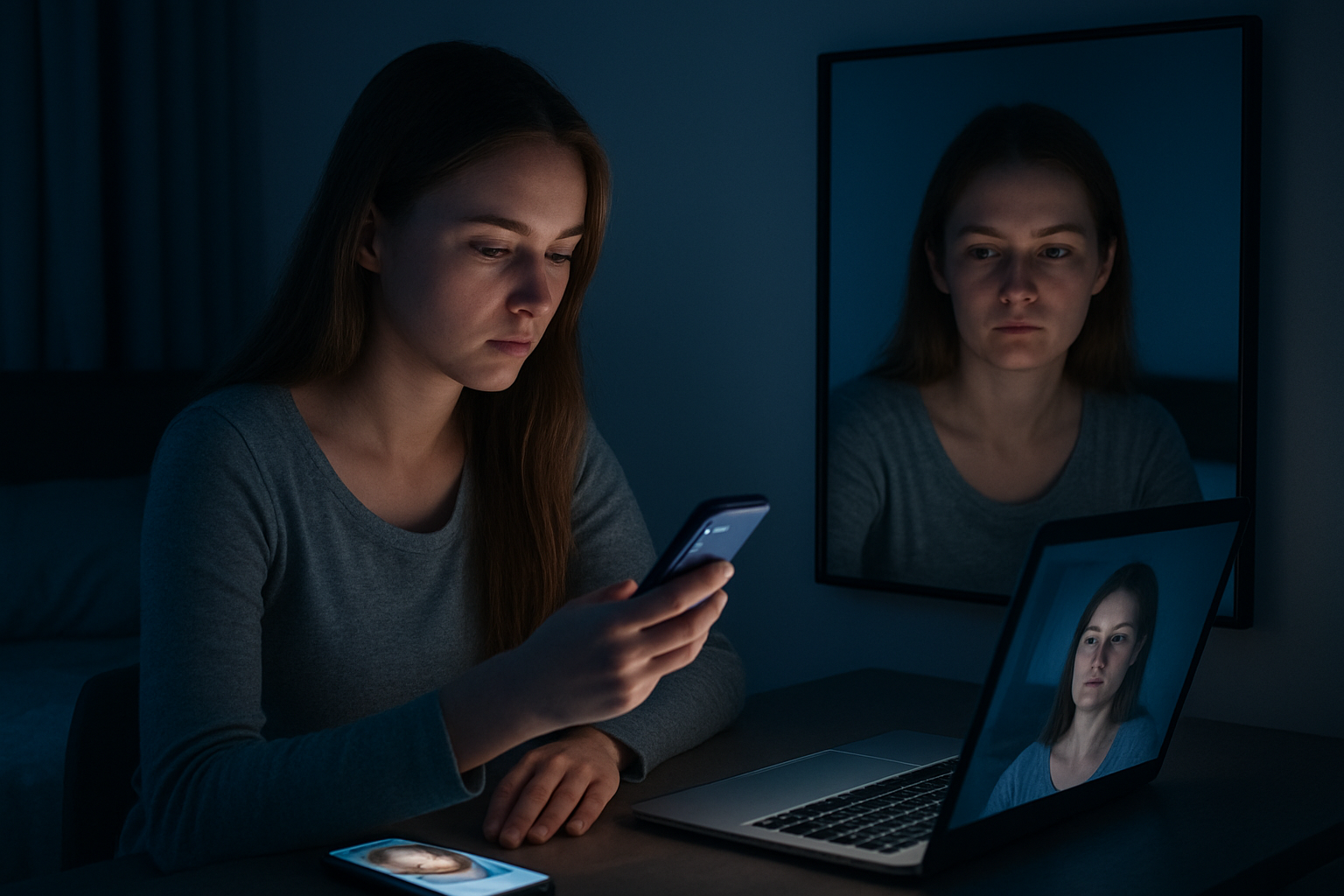
Curated Social Media Profiles Hide Real Personalities
Social media platforms have transformed how we present ourselves in the digital age love landscape. Dating apps and social networks encourage users to showcase their best moments, creating carefully crafted personas that often bear little resemblance to reality. Instagram feeds filled with vacation photos, professional headshots, and perfectly staged coffee dates paint an unrealistic picture of daily life.
When someone's online presence only shows highlight reels, potential romantic partners develop expectations based on fiction rather than fact. The mundane yet authentic aspects of personality – like quirky habits, morning grumpiness, or weekend laziness – disappear behind polished posts. This selective sharing creates a fundamental disconnect between who people actually are and how they appear online.
Modern romance technology amplifies this issue through algorithm-driven matching systems that prioritize visual appeal and brief bio descriptions over genuine compatibility markers. Users learn to game these systems, crafting profiles that maximize matches rather than accurately represent their authentic selves.
Filter Culture Creates Unrealistic Beauty Standards
Digital relationships now operate within a landscape dominated by photo manipulation tools and beauty filters. Dating apps have normalized the use of enhancement features that smooth skin, adjust facial proportions, and alter physical appearance in subtle yet significant ways. This filter culture has created an environment where unedited photos feel almost jarring or inadequate.
The psychological impact extends beyond simple vanity. When people consistently see filtered versions of potential partners, their expectations become calibrated to impossible standards. Real-world meetings often result in disappointment as reality fails to match the digitally enhanced images that sparked initial attraction.
| Filter Impact | Dating Consequence |
|---|---|
| Skin smoothing | Unrealistic complexion expectations |
| Facial reshaping | Distorted physical preferences |
| Body modification | Impossible body standards |
| Lighting enhancement | Mismatched appearance expectations |
Beauty standards have always existed, but digital tools make perfectionism accessible to everyone. The democratization of photo editing has created a new normal where unfiltered authenticity seems like a disadvantage rather than an asset.
Performance Pressure Replaces Genuine Vulnerability
Social media romance has introduced a performative element to relationship building that crowds out authentic self-expression online. People feel compelled to document romantic experiences for public consumption, turning intimate moments into content opportunities. The pressure to appear happy, successful, and romantically fulfilled creates a feedback loop where genuine emotions take a backseat to maintaining an appealing online image.
This performance mentality seeps into private digital communications as well. Text conversations become strategic rather than spontaneous, with messages crafted for maximum impact rather than honest expression. People second-guess their natural responses, editing themselves to appear more interesting, funnier, or emotionally stable than they actually feel.
The vulnerability that builds genuine intimacy gets replaced by calculated vulnerability – sharing just enough personal information to appear authentic while maintaining careful control over the narrative. This measured approach to emotional disclosure prevents the organic development of trust and connection that characterizes healthy relationships.
Digital Personas Clash with Real-Life Personalities
Online dating challenges emerge when carefully constructed digital identities meet the complexity of real-world interaction. The disconnect between someone's online presence and their actual personality often becomes apparent during face-to-face meetings, creating an awkward recalibration process.
Digital personas tend to emphasize certain personality traits while minimizing others. An introvert might appear outgoing through witty social media posts, while an extrovert might seem deep and mysterious through carefully chosen literary quotes. These selective presentations aren't necessarily deceptive, but they create incomplete pictures that don't prepare people for the full spectrum of their potential partner's personality.
The shift from digital to in-person interaction requires abandoning the controlled environment of online communication. Spontaneous reactions, physical mannerisms, and real-time emotional responses can't be edited or curated. Many people struggle with this transition, finding their confident online selves don't translate to confident real-world dating experiences.
Constant Documentation Interrupts Present-Moment Intimacy
Technology and relationships intersect in ways that can undermine the very connections they're meant to facilitate. The impulse to document romantic experiences for social media consumption pulls attention away from actually experiencing those moments. Couples find themselves staging photos during dinner dates, interrupting conversations to capture the perfect Instagram story, or prioritizing documentation over presence.
This documentation culture extends beyond public sharing to private archiving. People feel compelled to screenshot meaningful text exchanges, save voice messages, and photograph shared experiences. While preserving memories has value, the constant focus on capture and storage can prevent full engagement with the present moment.
The irony lies in how attempts to memorialize connection can actually diminish it. When part of your attention is always devoted to observing and recording your experience rather than living it, the depth of emotional engagement naturally suffers. Healthy digital romance requires learning when to put devices away and simply be present with your partner.
Proven Strategies for Healthy Digital Romance
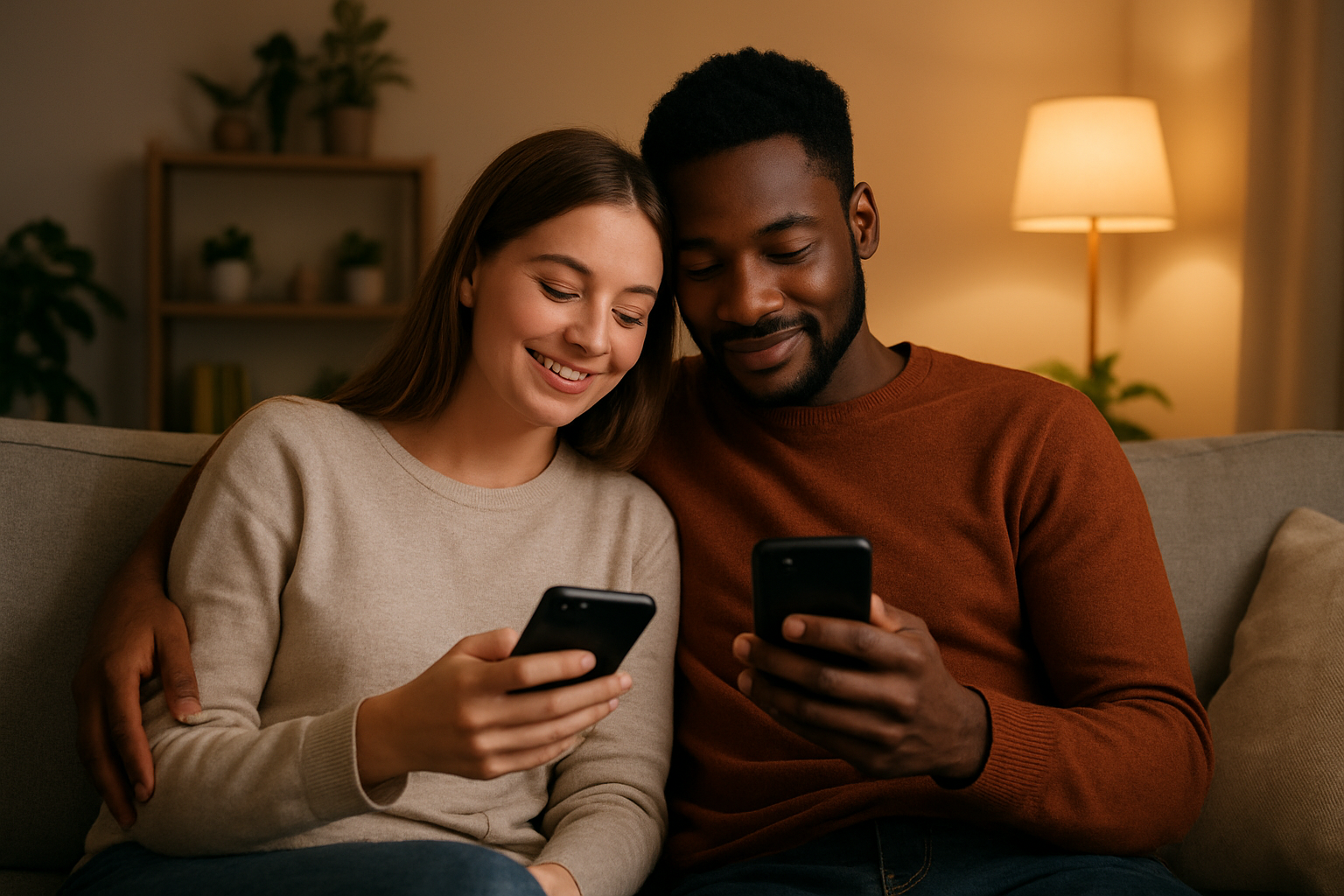
Set Boundaries Around Screen Time and Social Media
Creating healthy digital relationships starts with establishing clear limits on technology use. Couples who spend excessive time scrolling through social media often find themselves disconnected from their partner, even when sitting in the same room. The constant ping of notifications can interrupt intimate conversations and steal attention from meaningful moments together.
Smart phone usage boundaries work best when both partners agree on specific guidelines. Many successful couples designate phone-free zones during meals, before bedtime, and during date nights. Some create "digital sunset" hours where devices get put away completely. Others use apps that track screen time to stay accountable to their goals.
Social media boundaries deserve special attention since these platforms can trigger jealousy and comparison. Partners might agree to limit scrolling time, avoid engaging with ex-partners online, or discuss what types of photos and posts feel appropriate to share. The key is having honest conversations about comfort levels rather than making assumptions about what's acceptable.
Prioritize Face-to-Face Interactions Over Virtual Ones
While technology offers convenient ways to stay connected, nothing replaces the power of in-person time together. Video calls and text messages can maintain connection between visits, but they shouldn't become the primary way couples communicate. Body language, physical touch, and shared experiences create deeper bonds than digital interactions alone.
Planning regular face-to-face activities strengthens relationships in ways that virtual communication cannot. Whether it's cooking dinner together, taking walks, or exploring new places, these shared experiences create lasting memories and deepen emotional intimacy. Even simple activities like watching a movie together without phones present can significantly improve connection quality.
Long-distance relationships face unique challenges here, but even these couples benefit from maximizing their in-person time when possible. This might mean planning longer visits less frequently rather than quick weekend trips, or being fully present during video calls instead of multitasking.
Practice Authentic Communication Without Digital Filters
Digital communication often lacks the nuance of face-to-face conversation, leading to misunderstandings and missed emotional cues. Text messages can't convey tone of voice or facial expressions, making it easy for innocent comments to be misinterpreted. Couples who rely heavily on texting for important conversations often find themselves in unnecessary conflicts.
Choosing the right communication channel for different types of conversations makes a huge difference. Quick logistical updates work fine over text, but emotional discussions, conflict resolution, and important decisions deserve phone calls or in-person talks. When texting about sensitive topics, adding context about your emotional state helps prevent misunderstandings.
Authentic self-expression online means showing up as your real self rather than a curated version. This includes sharing both struggles and successes, being honest about feelings, and avoiding the temptation to present a perfect image. Partners who practice vulnerability in their digital communications often find their relationships grow stronger over time.
Focus on Quality Connections Instead of Quantity
The abundance of choice in digital dating apps can create a "grass is greener" mentality that prevents people from investing deeply in potential partners. Constantly swiping through profiles or maintaining conversations with multiple matches simultaneously often leads to shallow connections rather than meaningful relationships.
Building quality connections requires intentional effort and focus. This means limiting the number of dating profiles you maintain, giving promising matches your full attention, and avoiding the temptation to keep shopping for someone "better." Quality connections develop through consistent communication, shared experiences, and gradual vulnerability.
For existing couples, quality over quantity applies to digital interactions too. Sending thoughtful messages throughout the day creates more intimacy than frequent but generic check-ins. Taking time to craft meaningful responses shows care and attention that random emoji reactions cannot match.
| Quality Connection Behaviors | Quantity-Focused Behaviors |
|---|---|
| Deep, meaningful conversations | Surface-level small talk with many people |
| Consistent communication with one person | Sporadic messages to multiple matches |
| Thoughtful, personalized responses | Copy-paste messages or generic replies |
| Planning real meetups | Endless texting without meeting |

Technology has completely changed how we approach love and relationships, bringing both amazing opportunities and real challenges. Dating apps make meeting people easier than ever, and technology helps us stay connected with partners in deeper ways through constant communication and shared digital experiences. But these same tools can create problems too - from the pressure to present a perfect online image to the overwhelming number of choices that make it harder to commit to one person.
The key to making digital romance work is finding the right balance. Set boundaries around your online presence, be genuine in how you present yourself, and don't let technology replace real face-to-face connection. Use these digital tools to enhance your relationships, not replace the authentic moments that truly matter. Love in the digital age doesn't have to be overwhelming if you approach it thoughtfully and keep your real-world connections at the center of everything.


Comments
Post a Comment