Love Languages Explained
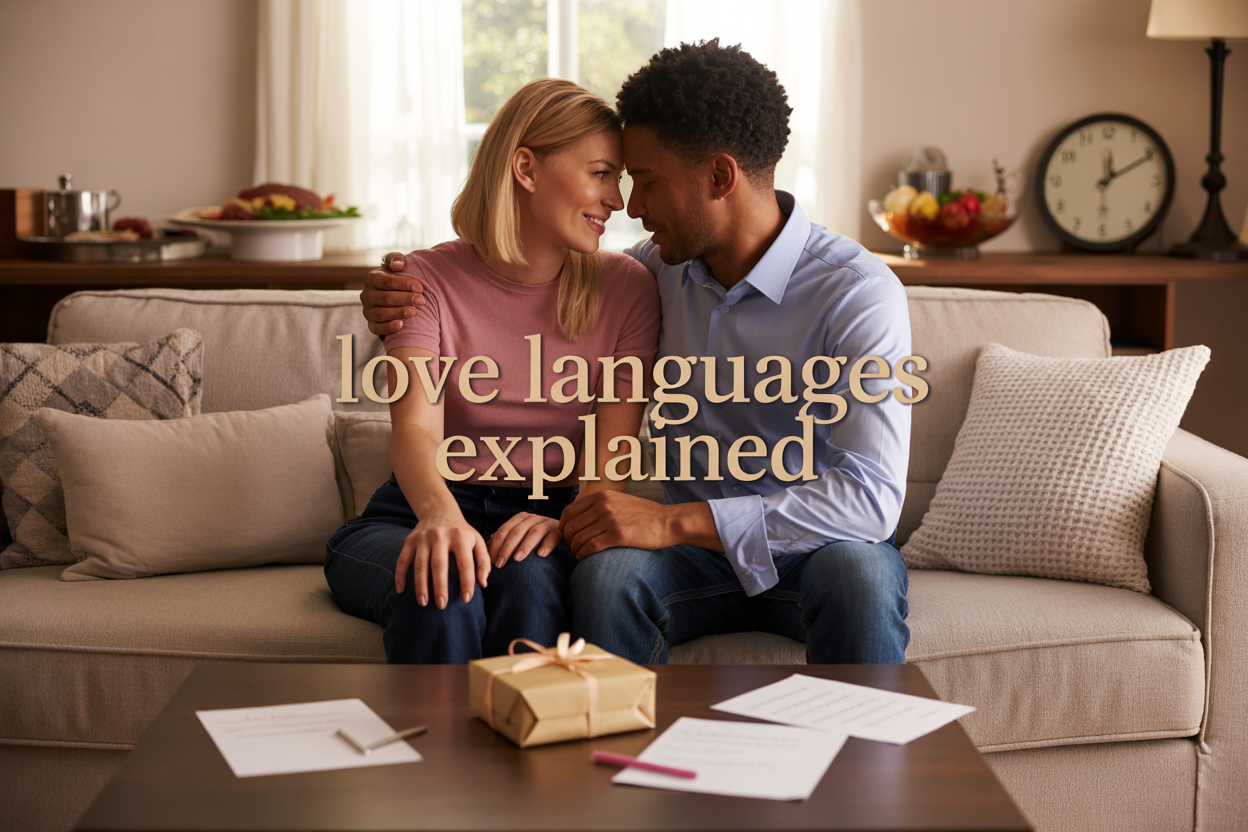
Love Languages Explained: Your Guide to Better Relationships
Ever wonder why your partner doesn't seem to notice your thoughtful gestures, or why your friend lights up when you spend uninterrupted time together? The answer might lie in understanding love languages - the different ways people give and receive affection.
Gary Chapman's five love languages framework helps couples, families, and friends communicate care more effectively. Each person has a primary way they feel most loved: through encouraging words, dedicated time together, or meaningful touch.
This guide breaks down what each love language means and how it shows up in daily life. You'll discover how to identify your own love language and recognize others' preferred ways of connecting. We'll also explore practical ways to apply these insights across different types of relationships, from romantic partnerships to friendships and family bonds.
Ready to transform how you express and experience love? Let's dive into the five love languages and what makes each one special.
Understanding the Five Love Languages Framework
Discover How People Express and Receive Love Differently
The five love languages concept, developed by Dr. Gary Chapman, revolutionized how we understand emotional connection. Each person has a unique way of expressing and receiving love, like having a different emotional language. Some people light up when they hear "I love you," while others feel most loved when their partner does the dishes without being asked.
Think of it this way: you might be fluently speaking Spanish to someone who only understands French. Your intentions are beautiful, but the message gets lost in translation. This happens constantly in relationships when we show love in our preferred language instead of our partner's.
The love languages explained framework identifies five distinct ways people communicate affection:
-
Words of Affirmation (verbal appreciation and encouragement)
-
Quality Time (focused attention and presence)
-
Physical Touch (appropriate physical connection)
-
Acts of Service (helpful actions and gestures)
-
Receiving Gifts (thoughtful tokens of love)
Most people have one primary and one secondary love language that makes them feel most valued. Your primary love language is like your native tongue - it feels natural and deeply meaningful when someone speaks it to you.
Learn Why Traditional Relationship Advice Often Fails
Generic relationship advice assumes everyone responds to love the same way. "Show more affection" means different things to different people. For someone whose love language is Physical Touch, affection might mean holding hands. For someone who values Acts of Service, affection could mean making coffee in the morning.
Traditional approaches often suggest universal solutions:
-
"Spend more time together" (assumes Quality Time works for everyone)
-
"Say 'I love you' more often" (assumes Words of Affirmation is universal)
-
"Buy romantic gifts" (assumes Receiving Gifts speaks to all)
These cookie-cutter solutions miss the mark because they don't account for individual differences in how people process emotional connection. When advice doesn't match someone's love language, it feels hollow or even counterproductive.
Identify Your Primary and Secondary Love Languages
Discovering your love languages requires honest self-reflection. Ask yourself: What makes you feel most loved and appreciated? Think about moments when you felt deeply valued - what was happening?
| Question to Ask Yourself | What It Reveals |
|---|---|
| What complaints do I have about relationships? | Often reveals your unmet love language |
| How do I naturally show love to others? | Usually indicates your own love language |
| What hurts me most in relationships? | Points to your primary language being ignored |
Pay attention to your emotional reactions. If you feel crushed when someone cancels plans, Quality Time might be your language. If criticism devastates you more than most people, Words of Affirmation could be primary.
Most people have one dominant love language and a secondary one. The secondary language is important but not as emotionally charged as your primary language.
Recognize When Love Languages Are Mismatched
Love language mismatches create frustrating cycles where both people are trying hard but feeling unappreciated. You might be giving your partner expensive gifts (Receiving Gifts) while they desperately want you to listen without distractions (Quality Time).
Common mismatch scenarios include:
-
The gift-giver partnered with someone who values quality conversation
-
The helper (Acts of Service) with someone who needs physical affection
-
The affirmer (Words) with someone who prefers actions over words
Signs of a mismatch include feeling like you're putting in effort but not seeing results, or sensing that your partner doesn't appreciate your gestures. Both people can feel unloved despite genuine efforts to connect.
Understanding love languages helps decode these patterns. Once you recognize the mismatch, you can adjust your approach to speak your partner's emotional language while also communicating your own needs clearly.
Words of Affirmation - The Power of Verbal Connection
Transform Your Relationship with Meaningful Compliments
Words of affirmation love language speaks directly to people who thrive on verbal acknowledgment and positive communication. These individuals feel most loved when they hear genuine appreciation for who they are and what they do. Unlike casual compliments, meaningful affirmations dig deeper into a person's character, efforts, and unique qualities.
The key to mastering this love language lies in specificity and authenticity. Instead of generic praise like "you look nice," try something more personal: "The way you handled that difficult conversation with such patience really shows your emotional intelligence." This approach demonstrates that you're paying attention to their actions and character traits.
Timing matters just as much as content. Spontaneous affirmations often carry more weight than scripted compliments during special occasions. A heartfelt "I'm proud of how hard you've been working on this project" delivered on a random Tuesday can strengthen emotional bonds more effectively than obligatory holiday praise.
Gary Chapman love languages research shows that people with this primary love language often struggle with criticism and harsh words more than others. They internalize negative comments deeply, making positive verbal reinforcement essential for their emotional well-being. Regular affirmations become their emotional fuel, boosting confidence and reinforcing the relationship connection.
Written affirmations can be equally powerful. Text messages, handwritten notes, or even social media posts acknowledging your loved one's qualities create lasting reminders of your appreciation that they can revisit whenever they need encouragement.
Master the Art of Encouraging Communication
Effective encouraging communication goes beyond simple praise to create an environment where your loved one feels genuinely supported and valued. This involves active listening, thoughtful responses, and consistent verbal support that builds their confidence over time.
Understanding love languages means recognizing that encouraging communication requires different approaches for different situations. During challenging times, focus on affirming their strength and resilience: "You've overcome difficult situations before, and I believe in your ability to handle this too." During successes, celebrate their achievements while highlighting the personal qualities that made those victories possible.
The language you choose should match their personality and communication style. Some people respond well to enthusiastic, energetic praise, while others prefer quiet, sincere acknowledgments. Pay attention to how they react to different types of verbal encouragement and adjust your approach accordingly.
| Encouraging Communication Types | Examples | Best Used When |
|---|---|---|
| Achievement Recognition | "Your dedication to learning that new skill paid off beautifully" | After accomplishments |
| Character Affirmation | "Your kindness towards others always inspires me" | During everyday moments |
| Future-Focused Support | "I can't wait to see where your talents take you next" | During uncertainty |
| Effort Acknowledgment | "The time and energy you put into this really shows" | After hard work |
Create regular opportunities for encouraging dialogue. Weekly check-ins where you specifically ask about their goals, challenges, and victories provide natural openings for meaningful affirmations. These conversations show that you're invested in their growth and happiness beyond just immediate needs.
Avoid Common Mistakes That Backfire
Even well-intentioned words can miss the mark when you're trying to speak the words of affirmation love language. One of the biggest mistakes is offering empty or repetitive compliments that feel automatic rather than genuine. Saying "good job" to everything diminishes the impact of your praise and can make your loved one question your sincerity.
Comparative compliments often backfire spectacularly. Statements like "You're so much better at this than Sarah" or "At least you're not as messy as your brother" introduce unnecessary competition and can make the recipient feel uncomfortable. Focus on their individual qualities and improvements rather than measuring them against others.
Timing your affirmations poorly can also reduce their effectiveness. Interrupting someone's processing of difficult emotions with forced positivity sends the message that you're not truly listening to their needs. Sometimes people need space to feel disappointed or frustrated before they're ready to hear encouraging words.
Love languages in relationships work best when they feel natural and unforced. Avoid turning affirmations into performance reviews or using them as tools to manipulate behavior. Phrases like "You're so good at cleaning when you try" contain hidden criticism that undermines the positive message you're attempting to convey.
Overdoing verbal praise can create dependency or pressure to constantly perform for approval. Balance your affirmations with other forms of love and support. The goal is to make your loved one feel valued for who they are, not just for what they accomplish or how they behave.
Watch for signs that your affirmations aren't landing well - if someone consistently deflects compliments or seems uncomfortable with praise, they might need time to build up their ability to receive positive words, or their primary love language might be different entirely.
Quality Time - Creating Deeper Emotional Bonds

Give Your Full Attention for Maximum Impact
The quality time love language thrives on undivided attention. When your partner speaks this love language, they crave your full presence – not just your physical body in the same room. This means putting down your phone, turning off the TV, and genuinely engaging in conversation or shared activities.
Eye contact becomes incredibly powerful for quality time people. When you look at them while they're speaking, you're communicating that they matter more than anything else in that moment. Active listening is equally important – ask follow-up questions, remember details from previous conversations, and show genuine curiosity about their thoughts and feelings.
Even short bursts of focused attention can be more meaningful than hours of distracted time together. A 15-minute conversation where you're completely present often outweighs an entire evening spent together while multitasking.
Plan Activities That Strengthen Your Connection
People with the quality time love language appreciate when you put thought into your time together. This doesn't mean every moment needs to be elaborate or expensive – it means being intentional about creating opportunities for connection.
Consider activities that naturally encourage conversation and interaction:
-
Cooking meals together - Working as a team in the kitchen creates natural opportunities for talking and bonding
-
Taking walks - The rhythm of walking side by side often opens up deeper conversations
-
Board games or puzzles - These activities require cooperation and create shared experiences
-
Exploring new places - Whether it's a new restaurant, hiking trail, or museum, discovering things together builds memories
-
Having regular date nights - Even simple coffee dates show you're prioritizing your relationship
The key is choosing activities that allow for genuine interaction rather than passive entertainment. While watching a movie together can be nice, it doesn't provide the same connection-building opportunities as activities where you can talk and engage with each other.
Overcome Digital Distractions and Busy Schedules
Modern life constantly competes for our attention, making quality time increasingly challenging. Digital devices are often the biggest culprit in preventing meaningful connection. Create phone-free zones during meals, establish tech-free hours before bedtime, or designate certain activities as completely unplugged.
Busy schedules require creativity and intentionality. If you can't find large blocks of time, look for smaller pockets throughout the day. Morning coffee together, walking to the car together, or even a few minutes of conversation before bed can be meaningful for someone who speaks the quality time love language.
Try these strategies to protect your quality time:
-
Schedule relationship time like you would any important appointment
-
Use car rides as opportunities for conversation instead of listening to music or podcasts
-
Create rituals like weekly check-ins or daily gratitude sharing
-
Turn household chores into bonding time by doing them together
Balance Independence with Togetherness
Understanding the quality time love language doesn't mean you need to be joined at the hip. Healthy relationships require both connection and independence. People who speak this love language still need space for individual interests, friendships, and personal growth.
The secret lies in being intentional about the time you do spend together. When you're together, be fully present. When you're apart, communicate that the separation doesn't diminish your love – you're simply recharging so you can bring your best self to your shared time.
Help your quality time partner understand your need for independence by explaining how alone time helps you be more present when you're together. Similarly, if you speak the quality time love language, communicate to your partner that you don't need constant attention – you just want their full presence when you are together.
This balance looks different for every couple. Some might prefer daily check-ins with weekly date nights, while others might be satisfied with longer but less frequent quality time sessions. The important thing is finding a rhythm that honors both partners' needs and makes the person with the quality time love language feel valued and prioritized.
Physical Touch - Building Intimacy Through Contact

Use Non-Sexual Touch to Show Care and Support
Physical touch as a love language extends far beyond romantic intimacy. For people who speak this love language, meaningful contact throughout daily life communicates care and emotional connection. Simple gestures like holding hands while watching TV, offering a shoulder massage after a stressful day, or placing a hand on someone's arm during conversation carry deep significance.
Daily touch can include hugging goodbye in the morning, sitting close together on the couch, or giving a gentle back rub while talking. These moments create emotional safety and demonstrate presence in ways that words alone cannot achieve. Even brief contact like touching someone's shoulder when passing by or squeezing their hand during difficult moments speaks volumes to someone whose primary love language is physical touch.
The key lies in reading the situation appropriately. A warm hug might provide comfort during grief, while playful tickling could lighten a tense mood. High-fives, fist bumps, and celebratory embraces all serve as ways to share joy and accomplishment. These gestures work especially well with children, who often respond positively to appropriate physical affection like piggyback rides, gentle hair stroking, or cuddling during storytime.
Respect Boundaries While Meeting Touch Needs
Understanding consent and personal boundaries remains crucial when expressing love through physical touch. Every person has different comfort levels, and these can change based on mood, health, cultural background, or past experiences. Open communication about preferences prevents misunderstandings and builds trust.
Some people appreciate frequent casual touch, while others prefer specific types of contact at certain times. Learning these preferences requires patience and observation. Pay attention to how someone responds to different types of touch - do they lean into a hug or pull away? Do they seem more receptive to physical affection at particular times of day?
Creating safe spaces for discussion about touch preferences helps relationships flourish. Ask questions like "What kind of physical affection feels good to you?" or "Are there times when you'd prefer space?" Respecting "no" without taking it personally shows maturity and care for the other person's wellbeing.
Personal space needs can vary by situation too. Someone might welcome affectionate touch at home but prefer minimal contact in public settings. Understanding these nuances helps you meet their physical touch love language needs while honoring their comfort zone.
Adapt Physical Affection to Different Life Stages
Physical touch needs and preferences evolve throughout life, requiring flexibility and awareness. Young children often crave constant physical connection - being carried, cuddled, and held provides security and bonding. As kids grow, they might prefer different types of touch like wrestling, playful nudges, or brief hugs rather than extended cuddling.
Teenagers navigate changing bodies and developing independence, which can make physical affection more complex. Respecting their growing need for autonomy while finding appropriate ways to maintain connection becomes important. A quick shoulder squeeze or high-five might replace the bear hugs of earlier years.
Adults face various life circumstances that affect touch preferences. New parents might feel "touched out" from caring for infants, requiring partners to adjust their approach. Health issues, stress levels, or medication changes can all influence someone's receptiveness to physical contact.
Elderly individuals often experience touch deprivation, making appropriate physical contact even more meaningful. Gentle hand-holding, arm-in-arm walks, or shoulder pats can provide comfort and connection during this life stage. Being mindful of physical limitations while finding ways to offer caring touch shows deep consideration for their changing needs.
Acts of Service - Showing Love Through Helpful Actions
Identify Which Tasks Matter Most to Your Partner
The acts of service love language centers on understanding what truly helps your partner feel supported and valued. Not every helpful gesture carries the same emotional weight. Your partner might feel deeply loved when you handle the grocery shopping but remain unmoved when you organize their desk. The key lies in discovering which daily tasks, chores, or responsibilities create genuine stress or burden for them.
Pay attention to what your partner complains about, procrastinates on, or seems overwhelmed by. These areas often reveal prime opportunities for meaningful service. Some people feel most supported when their partner manages household maintenance, while others value help with work-related tasks or childcare responsibilities. The magic happens when you focus your energy on the specific areas that create the most relief and gratitude.
Start conversations about which tasks they'd love to delegate or share. Ask direct questions about what would make their day easier or their week less stressful. This approach ensures your efforts land where they'll be most appreciated rather than where you think they should be valued.
Perform Services Without Being Asked or Reminded
True acts of service flow from anticipation rather than obligation. When you consistently notice and address needs before your partner has to request help, you demonstrate genuine care and attention to their daily experience. This proactive approach distinguishes meaningful service from simple task completion.
Develop awareness of your partner's routines and recurring challenges. If they struggle with morning prep time, start the coffee before they wake up. When their schedule gets hectic, pick up their dry cleaning without being asked. These unprompted gestures communicate that you're actively thinking about their wellbeing throughout your day.
Create mental notes about seasonal or periodic needs. Remember when they typically need help with tax preparation, when their work gets particularly demanding, or when family obligations increase their stress levels. By stepping in during these predictable pressure points, you show that you're truly tuned into their life patterns and committed to providing support when it matters most.
Avoid Turning Helpful Acts into Resentful Obligations
The acts of service love language loses its power when helpful gestures become sources of frustration or resentment. This happens when you take on tasks you genuinely dislike, expect excessive gratitude, or use your service as leverage in relationship negotiations. Healthy service comes from a desire to contribute positively, not from obligation or expectation of reciprocal behavior.
Choose acts of service that align with your abilities and preferences when possible. If you hate cooking but enjoy organizing, focus your efforts on decluttering and managing household systems rather than forcing yourself into the kitchen. This approach keeps your service sustainable and genuine rather than martyrdom-driven.
Communicate openly when certain requests feel overwhelming or beyond your capacity. Understanding love languages means recognizing that authentic service requires honest boundaries. Your partner would rather receive willing help in areas where you can contribute positively than reluctant assistance that breeds resentment between you.
Balance Give and Take in Daily Responsibilities
Successful application of the acts of service love language requires ongoing attention to fairness and reciprocity in daily responsibilities. While one partner might primarily express love through service, both people need to contribute meaningfully to the relationship's practical demands. This balance prevents the service-oriented partner from becoming overwhelmed while ensuring both people feel valued for their contributions.
Regular check-ins about household and relationship responsibilities help maintain this equilibrium. Discuss who handles which recurring tasks and whether the current distribution feels sustainable for both partners. Life circumstances change, and your service arrangements should adapt accordingly.
| Balanced Approach | Unbalanced Approach |
|---|---|
| Both partners contribute according to abilities and availability | One person handles most responsibilities |
| Regular discussion about task distribution | Assumptions about who should do what |
| Flexibility when circumstances change | Rigid expectations regardless of context |
| Appreciation expressed by both partners | Service taken for granted by recipient |
Remember that acts of service work best when they enhance your connection rather than replace other forms of emotional intimacy. The goal isn't to become a service provider for your partner, but to use helpful actions as one meaningful way to express your love and commitment to their happiness and wellbeing.
Receiving Gifts - Thoughtful Gestures That Speak Volumes

Choose Meaningful Presents Over Expensive Items
The receiving gifts love language isn't about materialism or expensive purchases. People who connect through gifts value the thought, effort, and meaning behind presents rather than their price tags. A handwritten note, a single flower picked from your garden, or a photo from a shared memory can carry more emotional weight than a costly gadget.
The key lies in understanding what makes a gift meaningful to your loved one. Pay attention to their interests, dreams, and casual mentions of things they'd enjoy. If they love reading, a used book from their favorite author shows more consideration than an expensive watch they'll never wear. If they collect vintage postcards, finding one at a local antique shop demonstrates genuine thoughtfulness.
Budget constraints shouldn't limit your ability to give meaningful gifts. Homemade cookies, a playlist of songs that remind you of them, or a small plant they mentioned wanting all communicate love effectively. The receiving gifts love language responds to the intentionality behind the gesture, not the receipt amount.
Master the Art of Spontaneous Gift-Giving
Spontaneous gifts often carry the most emotional impact because they arrive unexpectedly and show that someone was thinking of you during ordinary moments. These unplanned gestures don't require special occasions or elaborate planning—they simply need genuine impulse and follow-through.
Keep your eyes open for opportunities throughout your daily routine. Maybe you see their favorite candy at the checkout line, spot a book that matches their interests, or find a funny card that would make them laugh. These small discoveries become powerful expressions of love when given spontaneously.
The timing of spontaneous gifts matters as much as the gifts themselves. Bringing someone their favorite coffee during a stressful workday, leaving a encouraging note in their bag before an important meeting, or surprising them with a small treat after a difficult week shows emotional attunement and care.
Create a mental note system of things your loved ones mention wanting or enjoying. When you encounter these items unexpectedly, you'll be ready to act on the opportunity. This approach makes spontaneous giving feel natural rather than forced.
Create Lasting Memories with Symbolic Tokens
Symbolic gifts carry stories and memories that extend far beyond their physical presence. These tokens become touchstones that remind people of shared experiences, inside jokes, or meaningful moments in your relationship. A seashell from your first beach trip together, a pressed flower from a special walk, or a ticket stub from a concert you attended creates lasting emotional connections.
The power of symbolic gifts lies in their ability to transport someone back to a specific moment or feeling. Every time they see the item, they remember not just the gift itself, but the entire experience and emotion associated with it. This makes symbolic tokens incredibly meaningful for people who speak the receiving gifts love language.
Consider creating traditions around symbolic gift-giving. Annual ornaments that commemorate each year together, stones collected from different places you've traveled, or photos printed and framed from special occasions build a collection of memories over time. These traditions become something both people anticipate and cherish.
Show Appreciation When Receiving Gifts
Receiving gifts gracefully is as important as giving them thoughtfully. Your response to a gift communicates volumes about your appreciation for the giver's effort and consideration. People who put thought into selecting presents want to see that their gesture landed well and brought joy to the recipient.
Express specific appreciation rather than generic thanks. Instead of simply saying "thank you," mention what you love about the gift or how it made you feel. "This book looks perfect for my weekend reading" or "You remembered how much I loved that restaurant" shows that you recognize the thought behind the present.
Display or use gifts in ways that show ongoing appreciation. Wear the jewelry they gave you, use the mug for your morning coffee, or keep the photo on your desk where you'll see it daily. These actions demonstrate that their gift has become part of your life rather than just another possession.
When someone gives you a gift that might not perfectly match your taste, focus on their intention and effort rather than the item itself. They took time from their day to think about what might bring you happiness, and that consideration deserves genuine gratitude regardless of the outcome.
Applying Love Languages in Different Relationships
Strengthen Your Romantic Partnership with Targeted Affection
Understanding love languages in relationships transforms how couples connect and communicate. When you discover your partner's primary love language, you stop guessing what makes them feel loved and start delivering exactly what their heart needs.
Partners who speak words of affirmation crave verbal appreciation and encouragement. Instead of generic compliments, try specific praise about their efforts, character, or achievements. "I admire how patient you were with the kids today" hits deeper than a simple "you're great."
For quality time partners, put down the phone and create focused moments together. Plan regular date nights, take walks without distractions, or simply sit together over morning coffee. The key isn't elaborate activities—it's your undivided attention.
Physical touch partners need regular, meaningful contact beyond just intimate moments. Hold hands while watching TV, give back rubs after stressful days, or offer spontaneous hugs. These small gestures create emotional security and connection.
Acts of service partners feel most loved through helpful actions. Notice what stresses them out and step in. Make their coffee before they wake up, handle household tasks they dislike, or surprise them by completing something on their to-do list.
Gift-giving partners treasure thoughtful presents that show you understand them. The price doesn't matter—it's about remembering their preferences, bringing home their favorite snacks, or choosing something that reflects shared memories.
Improve Parent-Child Relationships Through Understanding
How to apply love languages with children requires recognizing that kids often display their own love language through their behavior toward others. Watch how they naturally express affection—this reveals their preferred way of receiving love.
Children who constantly seek praise and verbal recognition likely have words of affirmation as their primary language. Celebrate their efforts, acknowledge their improvements, and offer specific encouragement. "You worked really hard on that project and it shows" builds their confidence more effectively than generic praise.
Quality time children want your focused attention above all else. They may interrupt conversations, ask endless questions, or act out when they feel ignored. Schedule one-on-one time, read together before bed, or involve them in age-appropriate activities where you can talk and bond.
Physical touch children seek hugs, cuddles, and playful contact. They might climb on you, hold your hand, or snuggle during movies. Respect their need for appropriate physical affection while teaching healthy boundaries.
Acts of service children feel loved when you help them with tasks or do things that make their lives easier. Pack special lunches, help organize their room, or assist with homework. These actions communicate care more effectively than words alone.
Gift-receiving children treasure small surprises and tokens of affection. This doesn't mean spoiling them with expensive items—surprise notes in lunch boxes, small treats after good behavior, or handmade crafts show thoughtfulness.
Enhance Friendships by Speaking Their Language
Understanding love languages strengthens friendships by helping you show appreciation in ways that resonate with each person. Friends often assume everyone values the same gestures, but tailoring your approach deepens connections.
Words of affirmation friends thrive on encouragement and verbal support. Send texts celebrating their achievements, offer genuine compliments, and express gratitude for their friendship. During tough times, your encouraging words provide crucial emotional support.
Quality time friends value presence over presents. Prioritize regular hangouts, listen actively during conversations, and create traditions together. Cancel plans reluctantly and always give them your full attention when you're together.
Physical touch friends appreciate appropriate hugs, high-fives, and friendly contact. They're often the ones initiating hugs or touching your arm during conversations. Respect their comfort level while recognizing their need for physical connection.
Acts of service friends feel supported through helpful actions. Offer to help them move, bring soup when they're sick, or handle tasks during busy periods. Your willingness to pitch in speaks volumes about your care for them.
Gift-giving friends love thoughtful surprises that show you pay attention to their interests. Bring back souvenirs from trips, share books you think they'd enjoy, or surprise them with their favorite coffee. The gesture matters more than the monetary value.
| Love Language | Romantic Partner Example | Parent-Child Example | Friendship Example |
|---|---|---|---|
| Words of Affirmation | "I appreciate how you handled that situation" | "You showed great kindness to your sister" | "I'm proud of how you handled that challenge" |
| Quality Time | Weekly date nights without phones | One-on-one bedtime stories | Regular coffee catch-ups |
| Physical Touch | Daily hugs and hand-holding | Bedtime cuddles and high-fives | Greeting hugs and supportive touches |
| Acts of Service | Making their favorite breakfast | Helping with school projects | Offering help during moves or illness |
| Receiving Gifts | Surprise flowers or favorite treats | Special lunch box notes | Thoughtful souvenirs or book recommendations |

Learning about love languages can completely transform how you connect with the people you care about. When you start speaking your partner's love language - whether that's giving them your undivided attention, offering genuine compliments, lending a helping hand, sharing meaningful hugs, or surprising them with thoughtful gifts - you're showing love in a way they truly understand and feel. The same goes for friendships, family relationships, and even professional connections.
The real magic happens when both people in a relationship know each other's primary love language and make an effort to speak it regularly. Start by figuring out your own love language, then pay attention to how your loved ones naturally express and receive affection. Those small, intentional gestures in someone's preferred love language often mean more than grand romantic gestures that miss the mark. Take time this week to have honest conversations about love languages with the important people in your life - you might be surprised by what you discover.


Comments
Post a Comment