How Love Makes Us Better People

Love shapes us in ways we might not even realize. For anyone wondering about the deeper impact of relationships on who we become—whether you're in a committed partnership, nurturing family bonds, or building meaningful friendships—understanding how love makes us better people can transform your perspective on relationships and personal development.
Research consistently shows that loving relationships don't just make us happier—they actually rewire our brains and reshape our character. When we open our hearts to others, we unlock powerful changes in our emotional intelligence, moral compass, and capacity for growth.
In this guide, we'll explore how love develops empathy by teaching us to truly understand others' experiences and emotions. You'll discover how emotional intelligence in relationships creates a foundation for deeper connections and better decision-making. We'll also dive into how love inspires self-improvement, pushing us to become the best versions of ourselves while replacing selfish tendencies with genuine compassion and generosity.
Love Develops Greater Empathy and Compassion
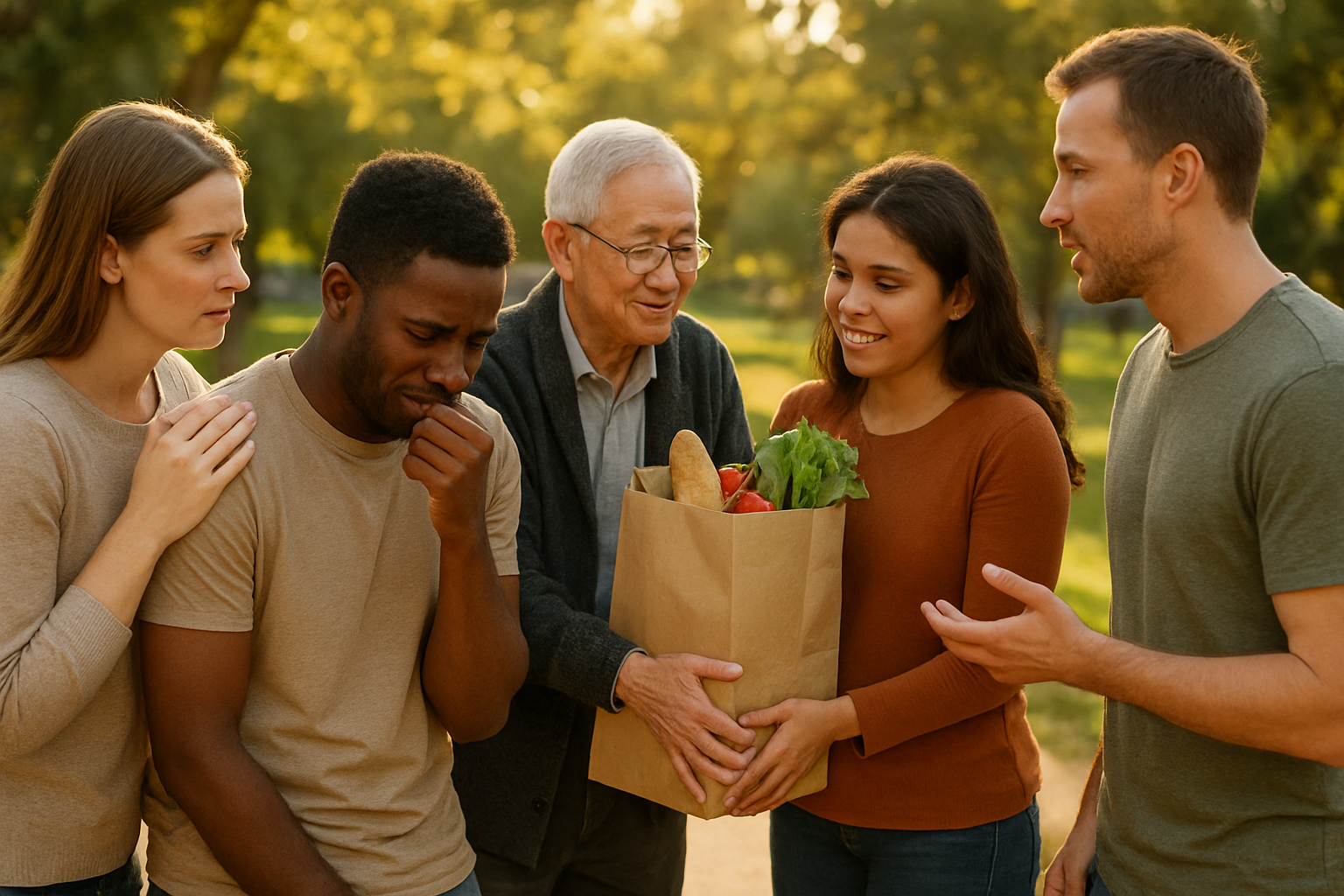
Understanding Others' Perspectives Becomes Natural
When we genuinely love someone, we start seeing the world through their eyes without even realizing it. This shift happens because love breaks down the walls we usually keep up around our own thoughts and feelings. Instead of staying trapped in our own bubble, we become curious about what makes our loved ones tick.
Think about how you naturally adjust your communication style when talking to someone you care about. You pick up on their subtle cues - maybe they need more encouragement when they're stressed, or they prefer direct feedback rather than sugar-coating. This awareness doesn't come from textbooks; it grows from paying attention to another person's inner world.
Love develops empathy by creating emotional bridges between people. When your partner feels anxious about a work presentation, you don't just hear their words - you feel that knot in your stomach too. When your child struggles with friendship drama, their pain becomes your pain. This emotional mirroring teaches us to recognize similar feelings in strangers and acquaintances.
The beautiful thing is that this skill transfers beyond our immediate circle. Once you've learned to read the emotional landscape of someone you love, you become better at picking up on the unspoken needs of coworkers, neighbors, and even people you meet briefly throughout your day.
Increased Sensitivity to Pain and Suffering Around Us
Love acts like an emotional amplifier, making us more aware of hurt and hardship wherever we encounter it. When your heart is open to one person, it doesn't magically close off to everyone else - quite the opposite happens.
Parents often describe this phenomenon perfectly. After having children, many people say they can't watch news stories about kids in danger without feeling physically sick. Their capacity for love has expanded their capacity for compassion. The same thing happens in romantic relationships, friendships, and even relationships with pets.
This heightened sensitivity shows up in everyday moments too. You might find yourself:
-
Noticing when the cashier looks exhausted and offering a genuine smile
-
Feeling genuinely upset when you see someone being treated unfairly
-
Getting more affected by stories of loss or struggle in your community
-
Picking up on subtle signs that someone is going through a hard time
Compassion through love doesn't make us weaker or overly emotional. Instead, it makes us more human. We start recognizing that everyone carries invisible burdens, just like the people we love do. This awareness naturally makes us gentler and more patient with others.
Motivation to Help Those in Need Grows Stronger
Once love opens our eyes to suffering, it also gives us the drive to do something about it. This isn't about grand gestures or dramatic life changes - though those happen too. Most of the time, love motivates us through small, consistent acts of kindness that ripple outward.
When you truly love someone, helping them doesn't feel like a chore or obligation. You want to ease their burden because their wellbeing matters to you. This same impulse extends to others as we become more loving people overall.
Love inspires self-improvement partly because we start seeing helping others as a natural extension of caring. You might find yourself:
-
Volunteering for causes that resonate with your loved one's values
-
Speaking up more often when you witness unfairness
-
Going out of your way to support friends going through tough times
-
Donating time or resources to help strangers in your community
The motivation feels different too. Instead of helping because we "should" or because it makes us look good, we help because we genuinely care about reducing suffering and increasing joy in the world. Love makes us better people by connecting us to something larger than ourselves while keeping us grounded in real, personal connections.
This growing desire to help creates a positive feedback loop. The more we act with compassion, the more natural it becomes. The more we practice seeing others' perspectives, the easier it gets. Love doesn't just make us better people in theory - it gives us daily opportunities to practice being better people in action.
Emotional Intelligence Flourishes Through Loving Relationships
Better recognition and management of personal emotions
Love acts as an emotional mirror, reflecting back our deepest feelings and reactions in ways we might never notice when flying solo. When you're in a loving relationship, your partner becomes a witness to your emotional patterns - pointing out when you shut down during stress or light up with excitement. This constant feedback loop creates unprecedented self-awareness.
The daily negotiations of love force us to name our emotions more precisely. Instead of just feeling "bad," you learn to distinguish between disappointment, frustration, or hurt. Your partner might ask, "Are you upset about what I said, or are you tired from work?" These moments teach emotional vocabulary and help identify triggers before they spiral out of control.
Managing emotions becomes crucial when someone else's happiness is intertwined with yours. You can't just storm off or bottle everything up anymore. Love demands that you sit with uncomfortable feelings, breathe through anger, and communicate needs clearly. This practice transforms emotional intelligence from a nice-to-have skill into a relationship survival tool.
Improved ability to read social cues and body language
Living closely with someone trains your observational skills like nothing else can. You start noticing the subtle shift in their posture when they're overwhelmed, or how their voice changes when they're trying not to cry. These micro-observations become second nature, creating a heightened sensitivity to non-verbal communication that extends far beyond your romantic relationship.
Partners become emotional interpreters for each other. When your loved one says "I'm fine" but their shoulders are tense and they're avoiding eye contact, love teaches you to read between the lines. You learn that crossed arms might mean defensiveness, while fidgeting could signal anxiety. This emotional intelligence in relationships spills over into friendships, family dynamics, and professional interactions.
The stakes of misreading cues in love are high enough to motivate real improvement. Missing your partner's silent plea for comfort or support creates genuine consequences, pushing you to become more attuned to subtle signals. This heightened awareness makes you a better friend, colleague, and family member.
Enhanced communication skills in difficult conversations
Love forces you into conversations you'd rather avoid. Money troubles, family conflicts, future plans, past hurts - these topics surface in committed relationships whether you're ready or not. The alternative to talking things through is watching love slowly erode, so you learn to navigate choppy emotional waters together.
Difficult conversations in love require a different skill set than casual disagreements with friends. You can't just avoid someone you live with or share a life with. This reality pushes couples to develop conflict resolution strategies, learn active listening techniques, and practice expressing needs without attacking character. You discover that timing matters, that "you always" and "you never" statements shut down dialogue, and that sometimes the most loving thing is to table a discussion until emotions cool down.
The safety of unconditional love creates space for vulnerable honesty. You can admit fears, share embarrassing truths, and express needs that feel selfish because you trust your partner won't abandon you for being human. This practice of courageous vulnerability builds communication muscles that serve every other relationship in your life.
Greater patience during stressful situations
Living with someone through job losses, family crises, health scares, and daily annoyances teaches patience in ways that theory never could. When your partner is struggling with depression, going through a career change, or dealing with difficult family members, you learn to extend grace during their worst moments. This practice develops genuine patience - not the gritted-teeth kind, but compassionate understanding.
Love reveals how stress affects people differently. Your partner might become withdrawn while you become hyperactive. They might need to talk through problems while you prefer to process internally. Learning to honor these differences during high-pressure situations builds remarkable patience and adaptability. You stop expecting people to cope exactly like you do and start meeting them where they are.
The long-term view that love provides also cultivates patience. Bad days, difficult seasons, and personal growth phases all feel more manageable when you're committed to weathering them together. This perspective shift - from demanding immediate resolution to trusting the process - transforms how you handle stress in every area of life.
Love Inspires Personal Growth and Self-Improvement

Motivation to become worthy of love received
When someone genuinely loves us, something remarkable happens inside. We naturally start questioning whether we deserve this incredible gift. This self-reflection becomes a powerful catalyst for change. People who feel deeply loved often describe an internal drive to "level up" and become the person their partner, family, or friends see in them.
Think about it - when your partner looks at you with complete adoration, or when your child runs to you like you're their superhero, you want to live up to that image. This isn't about pressure or obligation. It's about love inspiring self-improvement in the most organic way possible. You start paying attention to your habits, your words, and your actions because you want to honor the love you've been given.
Research shows that people in loving relationships tend to adopt healthier habits, pursue education, and work on personal development more consistently than those who feel isolated. The motivation comes from within, sparked by the recognition that love makes us better people not through demand, but through inspiration.
Willingness to confront and overcome personal flaws
Love creates a safe space where we can honestly look at ourselves without crushing shame. When someone loves us unconditionally, we feel secure enough to admit our shortcomings and actually do something about them. This is where love and personal growth intersect in profound ways.
Before experiencing deep love, many people avoid self-examination because it feels too painful. But love acts like emotional armor, giving us the courage to face uncomfortable truths about ourselves. A loving partner might gently point out patterns they notice, or we might recognize behaviors that could hurt someone we care about.
The key difference is that love-motivated change feels empowering rather than defeating. Instead of changing because we hate ourselves, we change because we love someone else (or finally love ourselves). This positive motivation leads to lasting transformation because it's rooted in care rather than criticism.
Development of new skills and interests for loved ones
Love makes us surprisingly adventurous. People discover hidden talents, develop new hobbies, and expand their horizons simply because someone they care about is passionate about something. This isn't about losing your identity - it's about growing it.
Maybe you never thought you'd enjoy hiking until your partner's enthusiasm was contagious. Perhaps you learned to cook because you wanted to care for your family in a meaningful way. Some people pick up musical instruments, learn new languages, or dive into completely foreign subjects because love opened their minds to possibilities they'd never considered.
This expansion of interests and skills represents one of the most beautiful ways love inspires self-improvement. You're not just acquiring new abilities; you're developing empathy, patience, and curiosity. Each new skill learned for love builds confidence and demonstrates that we're capable of more than we imagined.
The ripple effect is incredible. These new skills and interests often become permanent parts of who we are, enriching our lives long after we first discovered them through love.
Generosity and Selflessness Replace Self-Centered Behavior
Natural Inclination to Put Others' Needs First
When love takes root in our hearts, something remarkable happens to our priorities. The "me first" mentality that drives so much human behavior begins to shift. People in loving relationships naturally start considering their partner's comfort before their own. A mother instinctively puts her child's needs above her personal desires. This isn't forced or calculated – it flows naturally from genuine care.
This transformation shows up in countless small moments. You might find yourself giving up the last slice of pizza, choosing a movie your partner wants to watch, or staying up late to help someone with their problems. These actions don't feel like sacrifices because love makes us better people by rewiring our default responses to prioritize connection over personal gain.
Increased Charitable Giving and Volunteer Activities
Research consistently shows that people in stable, loving relationships contribute more to charitable causes and volunteer their time more frequently. Love creates a ripple effect – when we feel emotionally fulfilled and supported, we have more emotional resources to share with the broader community.
Couples often discover new passions for giving back together. They might start volunteering at local shelters, participate in charity runs, or donate to causes that matter to both of them. Singles who experience deep friendships or family bonds also show increased generosity patterns. The security that comes from loving connections gives people the confidence to extend themselves beyond their immediate circle.
Sharing Resources Without Expecting Anything in Return
True selflessness in loving relationships manifests when we give freely without keeping score. Parents spend countless dollars on their children's education, activities, and needs without expecting repayment. Friends lend money during tough times without charging interest or demanding strict timelines for return.
This unconditional sharing extends beyond money to time, energy, and emotional support. Someone might drive hours to comfort a heartbroken friend, share their professional connections to help a loved one find work, or offer their home as temporary shelter during difficult times. These gestures happen naturally when love and personal growth intertwine.
Finding Joy in Making Others Happy
Perhaps the most beautiful aspect of love's transformative power is how it redefines happiness itself. People discover that creating joy for others becomes a source of personal fulfillment that surpasses material pleasures or individual achievements.
Parents beam with pride watching their children succeed. Partners feel genuine excitement planning surprise dates or gifts. Friends experience deep satisfaction helping each other through challenges. This shift from self-focused happiness to other-centered joy represents a fundamental character evolution that demonstrates how compassion through love reshapes our entire emotional landscape.
The happiness derived from giving becomes addictive in the healthiest way possible. Each act of generosity reinforces the neural pathways associated with empathy and connection, creating a positive feedback loop that continuously strengthens our capacity for selflessness.
Love Builds Stronger Character and Moral Foundation
Higher Ethical Standards in Daily Decision-Making
When we truly love someone, we naturally want to be worthy of that love. This desire creates a powerful internal compass that guides our choices toward what's right rather than what's convenient. Love makes us better people by raising the bar on our personal standards - we find ourselves choosing honesty over deception, kindness over selfishness, and integrity over shortcuts.
People in loving relationships often report making more thoughtful decisions. Before acting, they consider not just their own needs but how their choices might affect those they care about. This expanded perspective leads to higher ethical standards that extend far beyond romantic relationships into friendships, work, and community interactions.
Increased Honesty and Trustworthiness in Relationships
Love creates an environment where authenticity thrives. When we feel genuinely loved and accepted, the fear that drives us to lie or hide parts of ourselves begins to dissolve. We discover that being truthful, even when it's uncomfortable, strengthens rather than threatens our connections.
This transformation happens gradually. Small acts of honesty build trust, which encourages even greater openness. Partners learn to share their fears, admit their mistakes, and express their needs without fear of rejection. This cycle of honesty and acceptance creates relationships built on solid foundations rather than fragile illusions.
The trustworthiness that develops through love doesn't stay confined to romantic partnerships. People who experience deep, accepting love often become more reliable friends, colleagues, and community members. They understand the value of keeping their word and the damage that broken promises can cause.
Greater Courage to Stand Up for What Is Right
Love gives us something worth fighting for beyond ourselves. When we care deeply about others, we find strength we didn't know we had. Parents discover fierce protective instincts. Partners stand up for each other in social situations. Friends defend each other's reputations and well-being.
This courage often extends to broader moral issues. People who have experienced the transformative power of love frequently become advocates for justice, equality, and compassion in their communities. They've learned that love isn't passive - it requires action when others are threatened or mistreated.
The confidence that comes from being loved unconditionally also helps people speak up in difficult situations. Knowing that someone believes in them gives individuals the strength to voice unpopular opinions, report wrongdoing, or intervene when they witness injustice.
Development of Loyalty and Commitment Values
Love teaches us that some things are worth sticking with through difficult times. This lesson in commitment often reshapes how we approach all our relationships and responsibilities. People who have experienced deep love understand that true connection requires weathering storms together rather than abandoning ship at the first sign of trouble.
This commitment mindset transforms how we handle conflicts and challenges. Instead of looking for exit strategies, we learn to work through problems. We develop patience, persistence, and problem-solving skills that serve us well in every area of life.
The loyalty that love fosters also extends to our principles and values. When we've experienced the deep satisfaction of staying true to someone we love, we're more likely to stay true to our beliefs and commitments, even when it's difficult or costly.
.png)
Love changes us in ways we might not even realize at first. When we truly care for someone, we naturally become more understanding of others' feelings and develop the ability to see situations from different perspectives. Our relationships teach us to read emotions better and respond with kindness rather than judgment. This emotional growth pushes us to work on our own flaws and become the person our loved ones deserve.
The transformation goes deeper than just being nicer to people. Love makes us want to give more and think less about ourselves. We find joy in making others happy, even when it means sacrificing something we want. This shift from "me first" to "us first" strengthens our character and helps us build a solid moral compass. The person you become through loving others - more empathetic, emotionally aware, generous, and principled - is someone who makes the world a little brighter for everyone around them.
.png)


Comments
Post a Comment