Teaching Children What Love Means
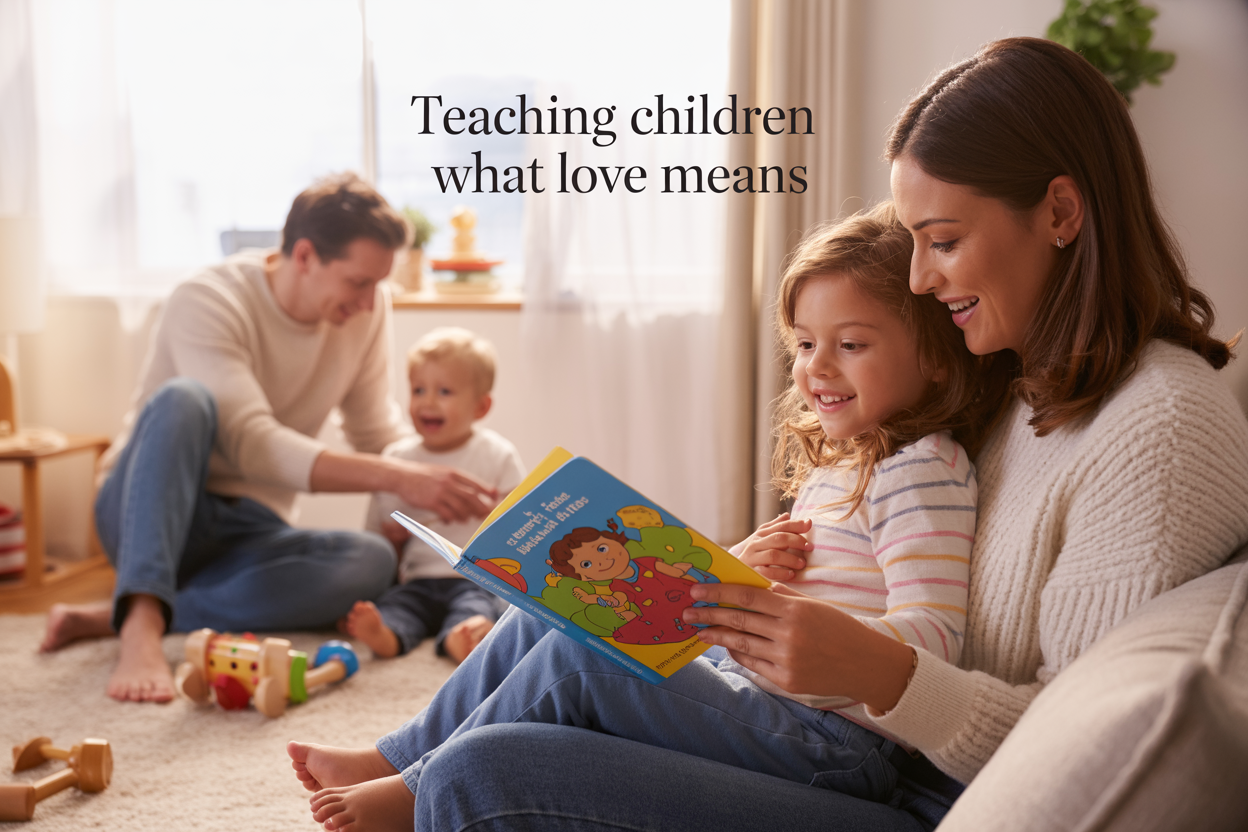
Teaching Children What Love Means: A Parent's Guide to Nurturing Hearts and Character
Teaching children about love goes beyond hugs and bedtime stories—it's about helping kids understand one of life's most important values. This guide is for parents, caregivers, and educators who want to raise emotionally healthy children who know how to give and receive love in meaningful ways.
Many adults struggle to explain what love means to kids in concrete terms that make sense. Children learn best through everyday experiences, watching how the adults in their lives treat others and handle relationships.
We'll explore how to make love a foundation for your child's growth and character development. You'll discover practical ways to demonstrate love through daily actions that speak louder than words. We'll also cover how family relationships become the training ground where children learn to express love and build lasting connections with others.
Ready to help your child develop a healthy understanding of love that will guide them through life? Let's dive into love-based parenting strategies that really work.
Understanding Love as a Core Value for Child Development
Recognizing Love as the Foundation for Emotional Security
When children feel genuinely loved, they develop an inner sense of stability that becomes their emotional anchor throughout life. Teaching children about love starts with creating an environment where they experience consistent warmth, acceptance, and care. This foundation shapes how they view themselves and their relationships with others for years to come.
Children who experience love as their emotional foundation develop resilience that helps them navigate challenges. They learn to trust that they matter, that their feelings are valid, and that they belong somewhere safe. This security becomes the launching pad for healthy relationships, academic success, and emotional well-being.
Key indicators of emotional security through love:
-
Children feel comfortable expressing their feelings
-
They seek comfort from trusted adults when upset
-
They show confidence in exploring new situations
-
They demonstrate empathy toward others
Building Self-Worth Through Unconditional Acceptance
Child development and love are deeply interconnected when parents practice unconditional acceptance. This doesn't mean accepting all behaviors, but rather accepting the child as a person regardless of their actions or achievements. Children need to know their worth isn't tied to performance, appearance, or meeting expectations.
Unconditional acceptance teaches children they are lovable simply because they exist. This powerful message helps them develop healthy self-esteem and teaches them what love means at its core. When kids understand they're valued for who they are, they're more likely to extend that same acceptance to others.
Ways to demonstrate unconditional acceptance:
-
Separate the child from their behavior during corrections
-
Express love even during difficult moments
-
Celebrate their unique qualities and interests
-
Show interest in their thoughts and feelings
-
Avoid comparing them to siblings or peers
Creating a Safe Environment for Healthy Growth
Love-based parenting creates physical and emotional safety that allows children to thrive. A safe environment isn't just about childproofing corners or monitoring screen time – it's about fostering an atmosphere where children feel protected, heard, and valued. This safety net encourages healthy risk-taking, learning from mistakes, and authentic self-expression.
When children feel safe, they're more willing to share their struggles, ask for help, and be vulnerable with trusted adults. This openness strengthens family love and relationships while teaching children that love includes both giving and receiving support during difficult times.
Elements of a love-centered safe environment:
-
Consistent routines that provide predictability
-
Clear boundaries set with kindness and explanation
-
Open communication without fear of harsh judgment
-
Protection from physical and emotional harm
-
Encouragement to express authentic emotions
Demonstrating Love Through Daily Actions and Behaviors

Showing affection through physical touch and verbal affirmations
Children absorb love like sponges, and the most direct way to teach them what love means is through consistent physical affection and positive words. Simple gestures like hugs, gentle touches on the shoulder, or snuggling while reading bedtime stories create lasting impressions of safety and connection. These moments become the foundation for how children understand love throughout their lives.
Verbal affirmations work hand-in-hand with physical touch to reinforce your love. Telling your child "I love you" daily isn't enough – specific praise makes them feel truly seen. Instead of generic compliments, try saying things like "I love how kind you were to your sister today" or "Your curiosity about that butterfly shows what a wonderful learner you are." These detailed affirmations help children connect love with their positive behaviors and character traits.
The timing of these expressions matters just as much as the words themselves. Spontaneous moments of affection – a quick hug before school or a gentle back rub during homework – often carry more weight than scheduled displays of love. Children learn that love isn't performative; it's a constant presence in their daily experience.
Listening actively to your child's thoughts and feelings
Active listening transforms ordinary conversations into powerful love lessons. When children feel genuinely heard, they experience love as acceptance and understanding. This means putting down your phone, making eye contact, and responding thoughtfully to what they share – even when their concerns seem trivial to adult perspectives.
Teaching children about love through listening requires patience with their developing communication skills. A four-year-old explaining their playground drama might take ten minutes to tell a two-minute story, but your undivided attention during these moments communicates that their thoughts and feelings matter deeply to you.
Ask open-ended questions that invite deeper sharing: "How did that make you feel?" or "What do you think we should do about that?" These questions show children that their perspectives are valuable and worth exploring. When children feel their emotions are validated rather than dismissed, they begin to understand love as emotional safety.
Reflecting back what you hear also strengthens this connection. Saying "It sounds like you felt left out when your friends played without you" helps children feel understood while teaching them to identify and name their emotions – a crucial skill for both receiving and expressing love.
Prioritizing quality time together without distractions
Quality time doesn't require elaborate activities or expensive outings. Some of the most meaningful moments happen during everyday routines when you're fully present with your child. Cooking dinner together, taking evening walks, or having car conversations during errands can become treasured memories when you engage wholeheartedly.
The key is eliminating distractions and creating space for genuine connection. This might mean establishing phone-free zones during meals or dedicating specific times each day for one-on-one attention. Children need to know they can count on your focused presence, not just your physical proximity.
Different children connect through different activities. Some thrive during active play, while others prefer quiet crafts or reading together. Pay attention to what energizes your child and creates natural opportunities for conversation. These personalized approaches show children that love means understanding their unique needs and preferences.
Creating regular traditions – whether it's Saturday morning pancakes, bedtime stories, or weekly nature walks – gives children something to anticipate and helps them feel prioritized in your busy life. These consistent moments of connection become anchors of security in their emotional development.
Practicing patience during challenging moments
Challenging moments test your commitment to love-based parenting, but they also offer the most powerful teaching opportunities. When children are melting down, acting defiant, or struggling with big emotions, your response demonstrates whether love remains constant even when behavior is difficult.
Patience in these moments doesn't mean permissiveness or avoiding necessary boundaries. Instead, it means maintaining your emotional regulation while helping your child navigate theirs. Taking deep breaths, speaking calmly, and addressing the underlying needs behind challenging behavior shows children that love doesn't disappear when they're at their worst.
Children often test boundaries as a way of asking, "Will you still love me even when I'm difficult?" Your patient, consistent response to these tests builds their understanding of unconditional love. This doesn't happen overnight – it requires repeated demonstrations that your love remains steady regardless of their behavior.
Remember that your own stress and frustration are normal parts of parenting. When you inevitably lose your patience, acknowledging your mistakes and apologizing teaches children that love includes forgiveness and repair. These moments of vulnerability often strengthen your relationship more than perfect responses would.
Teaching Love Through Family Relationships and Interactions
.png)
Modeling Respectful Communication Between Family Members
Children watch everything their parents do, especially how family members talk to each other. When parents speak kindly to one another during disagreements, say "please" and "thank you" regularly, and listen without interrupting, kids naturally pick up these behaviors. Teaching children about love starts with showing them what respectful love looks like in action.
Daily conversations become powerful teaching moments. When a parent asks their partner about their day and genuinely listens to the response, children see that love means caring about someone else's experiences. When parents apologize to each other after making mistakes, kids learn that love includes taking responsibility for our actions.
Key behaviors children observe and copy:
-
Using gentle tones even during stress
-
Asking for opinions and respecting different viewpoints
-
Avoiding interruptions and put-downs
-
Expressing gratitude for everyday actions
-
Offering help without being asked
Encouraging Empathy and Consideration for Others' Feelings
Building empathy helps children understand that love means thinking about how others feel. Parents can guide this development by pointing out emotions in everyday situations. When a sibling looks sad, ask your child what they notice and how they might help.
Reading books together creates safe spaces to explore different emotions and situations. Discussing characters' feelings helps children recognize similar emotions in real life. Role-playing different scenarios lets kids practice responding with care and understanding.
Practical empathy-building activities:
-
Notice and name emotions as they happen
-
Ask "How do you think your sister felt when that happened?"
-
Practice taking turns and sharing
-
Celebrate acts of kindness between siblings
-
Help children connect their own experiences to others' situations
Resolving Conflicts with Kindness and Understanding
Family disagreements offer valuable opportunities to show children how love persists through difficult moments. When conflicts arise between siblings or family members, parents can guide children through love-based problem-solving instead of simply imposing punishment.
Teaching kids to express their feelings using "I" statements helps them communicate needs without attacking others. Show them how to listen to understand rather than just waiting for their turn to speak. Children learn that working together to find solutions strengthens relationships instead of damaging them.
Steps for love-based conflict resolution:
-
Help each person share their feelings calmly
-
Look for common ground or shared needs
-
Brainstorm solutions together
-
Choose approaches that respect everyone involved
-
Check back later to see how the solution worked
When parents model patience during family tensions, children see that love means staying committed to working things out rather than giving up on relationships.
Helping Children Express Love in Age-Appropriate Ways
Teaching Verbal Expressions of Care and Appreciation
Young children learn best through modeling and repetition. Start by using specific language when expressing love to your child - instead of just saying "I love you," try "I love how thoughtful you were when you helped your sister" or "I appreciate your kind words to grandma." This teaches kids that love isn't just a feeling but something we actively communicate through our words.
Create daily opportunities for children to practice expressing appreciation. During dinner, ask each family member to share something they appreciated about someone else that day. For toddlers, simple phrases like "thank you" and "that was nice" work perfectly. Preschoolers can learn more elaborate expressions: "I liked when you shared your toys with me" or "You made me happy when you hugged me."
Read books together that showcase characters expressing gratitude and care. After reading, discuss how the characters showed love through their words and ask your child how they might express similar feelings.
Encouraging Acts of Service and Helpfulness
Children naturally want to help, and channeling this desire teaches them that love is an action verb. Create age-appropriate opportunities for kids to serve their family members. Three-year-olds can set napkins on the table or feed pets. Six-year-olds might pack a sibling's lunch or help fold laundry.
The key is framing these activities as acts of love rather than chores. Say "Let's show daddy we love him by making his coffee" instead of "Go help daddy." This connection helps children understand that acts of service are expressions of care.
Encourage random acts of kindness within the family. Kids might draw pictures for siblings, bring mom her favorite book, or surprise dad by organizing his desk. These spontaneous gestures teach children that showing love doesn't require special occasions.
Fostering Gratitude and Thankfulness Habits
Gratitude is love in action, and building this habit strengthens a child's capacity for expressing love meaningfully. Start a family gratitude practice that fits your routine - perhaps sharing three things you're grateful for during car rides or keeping a family gratitude jar where everyone contributes weekly notes.
Teach children to notice and acknowledge the efforts others make for them. When grandma bakes cookies, help your child write a thank-you note. When a friend shares a toy, encourage your child to verbally express appreciation in the moment.
Model gratitude yourself by thanking your children for their contributions, no matter how small. "Thank you for putting your shoes away - that really helps our family stay organized" shows kids that their actions matter and deserve recognition.
Make gratitude specific and personal. Rather than generic "thank you," encourage children to say "Thank you for reading me that story - I loved the funny voices you made." This specificity helps kids connect their appreciation to particular actions and feelings.
Guiding Children to Show Compassion to Friends and Siblings
Teaching empathy to children starts with helping them recognize emotions in themselves and others. When your child is upset, narrate their feelings: "You seem frustrated that your tower fell down." Then extend this awareness to others: "Look at your sister's face - how do you think she's feeling right now?"
Role-play common scenarios where children can practice compassionate responses. What should they do when a friend is crying? How can they help a sibling who's struggling with homework? Practice phrases like "Are you okay?" or "Can I help you?" so children have tools ready when real situations arise.
Create opportunities for children to care for others. Let them choose a special snack for a sad sibling or help bandage a friend's scraped knee. These experiences teach kids that love means paying attention to others' needs and taking action to help.
Address conflicts between siblings as teaching moments for compassion. Instead of simply separating arguing children, guide them through understanding each other's perspectives and finding loving solutions together.
Building Character Through Love-Based Discipline and Boundaries
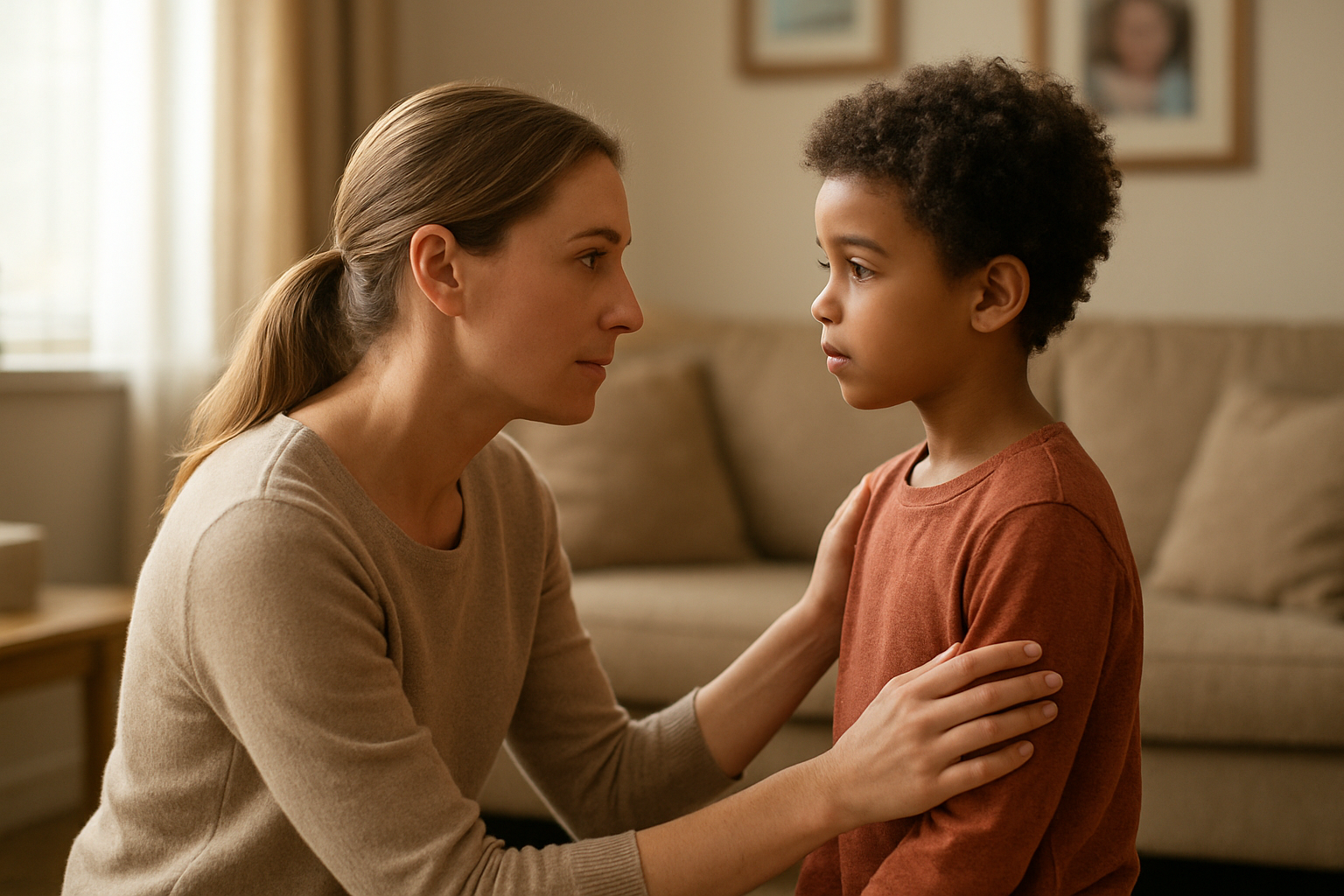
Setting limits with warmth and explanation
When you're teaching children about love through discipline, warmth becomes your secret weapon. Love-based parenting doesn't mean being permissive—it means setting clear boundaries while explaining the "why" behind your rules. Children need to understand that limits come from a place of caring, not control.
Start by getting down to your child's eye level when setting boundaries. Use a calm, steady voice and explain the reasoning behind the rule. "We don't hit because it hurts others, and we want everyone to feel safe and loved in our family." This approach helps children connect your expectations with caring for others.
The key is consistency paired with compassion. When your four-year-old tests bedtime boundaries, acknowledge their feelings first: "I see you want to keep playing, and that's hard." Then reaffirm the boundary: "Sleep helps your body grow strong and healthy, which is why we have bedtime."
Using natural consequences to teach responsibility
Natural consequences work beautifully because they let real life do the teaching while you provide the emotional support. When your child forgets their lunch, they experience hunger—a natural result that teaches planning and responsibility without you playing the "bad guy."
Your role shifts from enforcer to compassionate guide. Instead of rescuing them from every mistake, you help them process the experience. "That must have been tough being hungry today. What could help you remember your lunch tomorrow?"
This method builds character through love because children learn that mistakes are opportunities for growth, not reasons for shame. They discover that you're their ally in learning, not their adversary when things go wrong.
Focusing on learning opportunities rather than punishment
Traditional punishment often breeds resentment and fear, while learning-focused discipline builds understanding and connection. When your child makes a poor choice, ask yourself: "What do I want them to learn from this?" rather than "How should they suffer for this?"
Transform misbehavior into teachable moments by exploring the situation together. "What happened here? How do you think your sister felt? What could you do differently next time?" This approach respects your child's ability to think and grow while reinforcing that everyone deserves to be treated with love and kindness.
Create family problem-solving sessions where everyone contributes ideas for handling similar situations in the future. This collaborative approach shows children that discipline is about learning to live well together, not about power struggles.
Maintaining connection while addressing inappropriate behavior
The magic happens when you can address behavior problems without damaging your relationship. Start with connection before correction—acknowledge your child's emotions and perspective before addressing what needs to change.
"I can see you're really upset about sharing your toys. It's hard when friends want to play with your special things. And hitting isn't okay because it hurts people." This validates their feelings while maintaining your standards.
Use "time-in" instead of "time-out" when possible. Sit together, help them calm down, and talk through what happened. This keeps your relationship intact while teaching emotional regulation and problem-solving skills.
Reinforcing positive choices with recognition and praise
Catch your children being loving, kind, and responsible. Specific praise helps them understand exactly what behaviors you value: "I noticed how gently you helped your baby brother with his blocks. That showed real love and patience."
Create a family culture where good choices get noticed and celebrated. This doesn't mean constant praise for everything, but rather meaningful recognition when children demonstrate caring, empathy, or responsibility.
Build family traditions around celebrating character growth. Maybe it's a special dinner when someone shows exceptional kindness, or a family gratitude circle where you acknowledge each other's loving actions. These practices reinforce that love-based behavior is valued and important in your family.
.png)
Love shapes everything about how children grow and see the world around them. When kids learn what real love looks like through daily actions, family connections, and healthy boundaries, they develop into caring, confident people who know how to treat others well. The way we show love through our everyday choices - from listening when they speak to setting rules that keep them safe - teaches them lessons they'll carry forever.
Start small and be patient with yourself as you guide your children on this journey. Every hug, every family tradition, and every moment you choose connection over conflict plants seeds of understanding about what love really means. Your children are watching and learning, and the love you show them today becomes the foundation for how they'll love others tomorrow.
.png)


Comments
Post a Comment