Breaking Cultural Barriers as a Woman
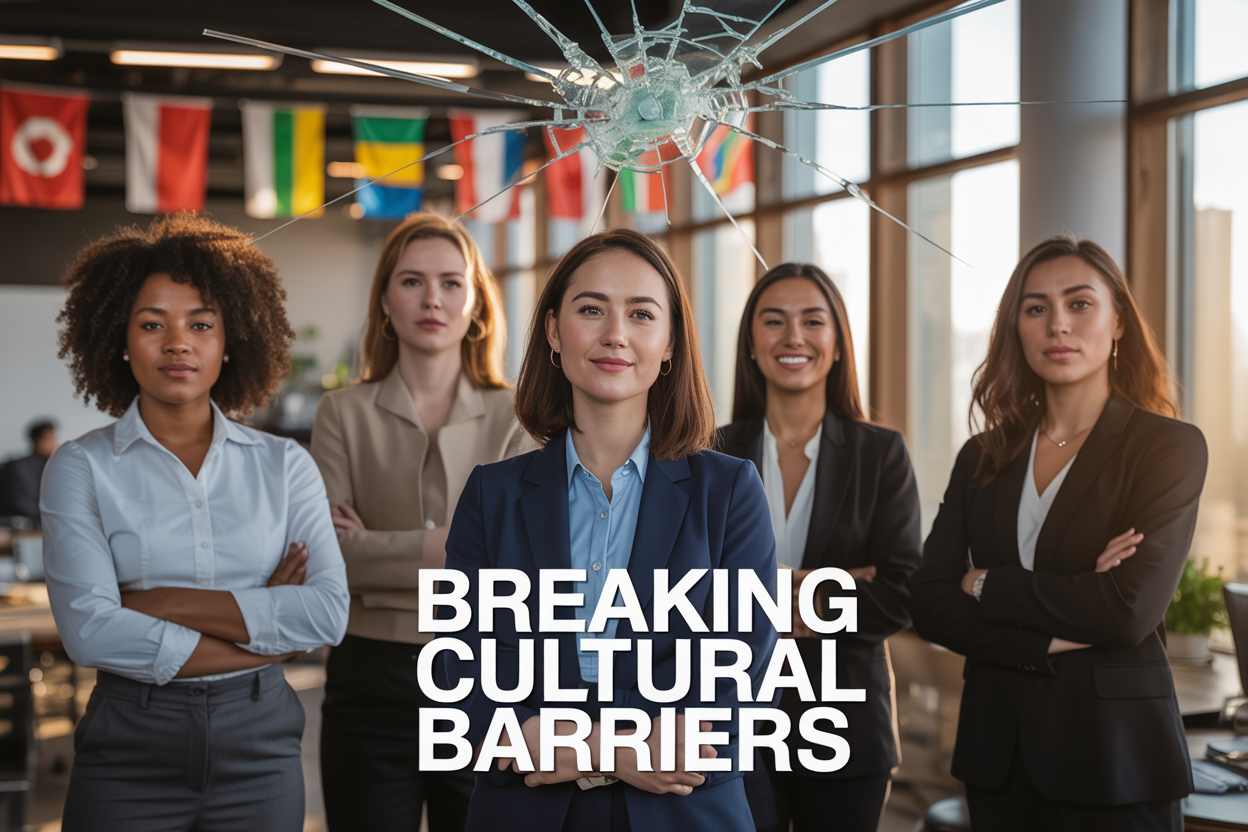
Women around the world face unique challenges when trying to advance in careers, leadership roles, and personal growth within traditional cultural settings. Breaking cultural barriers as a woman requires strategic thinking, unwavering confidence, and the right support system to create meaningful change.
This guide is for ambitious women who want to push past cultural limitations, whether you're climbing the corporate ladder in a male-dominated industry, starting your own business in a conservative community, or simply advocating for yourself in everyday situations.
We'll explore how to build unshakeable confidence and master self-advocacy skills that help you speak up for what you deserve. You'll also discover how to find and cultivate strategic allies who can open doors and provide crucial support when you need it most. Finally, we'll cover practical strategies for navigating professional advancement in traditional settings while creating lasting change that benefits the women who come after you.
The path to overcoming gender discrimination isn't always easy, but with the right tools and mindset, you can break through barriers that have held women back for generations.
Understanding Cultural Barriers Women Face Globally

Identifying Traditional Gender Roles That Limit Opportunities
Traditional gender roles create invisible cages that restrict women breaking cultural barriers across different societies. In many cultures, women are expected to prioritize family care over career ambitions, leading to limited professional growth. These expectations often manifest as early career steering toward "appropriate" fields like nursing or teaching, while discouraging women from pursuing leadership roles in business, technology, or politics.
The expectation to be primary caregivers affects women's ability to travel for work, attend networking events, or commit to demanding projects. Many cultures view ambitious women as selfish or unfeminine, creating internal conflicts between personal aspirations and social acceptance. This cultural programming starts early, with girls receiving different messages about their capabilities compared to boys.
Religious and traditional customs often reinforce these roles through ceremonies, community expectations, and family structures that position women as supporters rather than leaders. Women who challenge these norms frequently face social ostracism or family disappointment, making the choice to break free emotionally and financially costly.
Recognizing Workplace Discrimination and Glass Ceiling Effects
Gender discrimination in professional settings takes both obvious and subtle forms. While overt discrimination like pay gaps is becoming more documented, microaggressions and unconscious bias continue to limit women's advancement. Women often find their ideas dismissed in meetings, only to see male colleagues receive credit for similar suggestions.
The glass ceiling effect becomes apparent when examining leadership statistics across industries. Female empowerment workplace initiatives have increased awareness, but many organizations still struggle with promoting women to executive positions. Women face different evaluation criteria, with assertiveness labeled as aggression while the same behavior in men is praised as leadership.
Networking opportunities frequently exclude women through informal gatherings, golf outings, or after-work socializing that conflicts with family responsibilities. Performance reviews often contain gender-biased language, focusing on women's communication style rather than results. Many workplaces lack flexible policies that accommodate different life stages, forcing women to choose between career progression and personal commitments.
Addressing Educational Access Restrictions in Conservative Societies
Educational barriers represent one of the most fundamental cultural barriers women face. In conservative societies, girls often receive limited schooling due to beliefs about women's roles or concerns about mixing with male students. Some cultures prioritize boys' education when resources are scarce, viewing girls' education as less valuable since they're expected to marry young.
Religious interpretations sometimes restrict women's access to certain fields of study or higher education institutions. Even when formal education is available, informal restrictions exist through family expectations, early marriage pressure, or lack of safe transportation to schools.
The impact extends beyond individual women to entire communities. Countries with educated female populations show better economic growth and social development. However, changing these patterns requires addressing deep-rooted beliefs about women's capabilities and purposes in society.
Overcoming Family and Social Pressure to Conform
Family pressure often represents the strongest force keeping women within traditional boundaries. Parents, especially mothers, may discourage daughters from pursuing careers that challenge cultural norms, believing they're protecting them from social rejection or failure to find suitable marriage partners.
Women in traditional cultures face complex dynamics where success can be viewed as threatening to family harmony or cultural values. Extended family members, community leaders, and social circles may actively discourage deviation from expected paths through criticism, gossip, or social exclusion.
The pressure intensifies around major life decisions like marriage timing, career choices, or geographic relocation. Women must navigate between honoring family relationships and pursuing personal growth, often requiring strategic approaches that gradually introduce change rather than sudden rebellion against cultural expectations.
Building Confidence and Self-Advocacy Skills
Developing Strong Communication Techniques for Male-Dominated Spaces
Mastering communication in male-dominated environments requires strategic adjustments without losing your authentic voice. Start by observing the communication patterns around you - notice how ideas are presented, interrupted, and received. Many women find success using the "amplification strategy," where they restate important points with confidence and ensure their contributions aren't overlooked.
Direct communication often works better than apologetic language. Replace phrases like "I'm sorry, but I think..." with "Based on my analysis..." This shift demonstrates authority and expertise. Practice speaking with a lower, steadier tone, as research shows deeper voices command more attention and respect across cultures.
Body language speaks volumes before you even open your mouth. Maintain eye contact, use purposeful gestures, and claim your space at the table - literally and figuratively. When presenting ideas, use concrete data and examples to support your points, making it harder for others to dismiss your contributions.
Interruption handling becomes crucial in competitive environments. Develop techniques like "Let me finish that thought" or "I'd like to complete my point" delivered with calm assertiveness. Building confidence in these spaces means preparing thoroughly, arriving early to establish presence, and following up important conversations with written summaries.
Remember that effective communication adapts to cultural contexts while maintaining professional boundaries. What works in one setting may need adjustment in another, so stay observant and flexible in your approach.
Creating Personal Boundaries While Respecting Cultural Sensitivities
Setting boundaries across different cultural contexts requires a delicate balance between self-advocacy and cultural awareness. Each culture has unwritten rules about hierarchy, gender roles, and professional interactions that influence how boundaries are perceived and respected.
Start by understanding the cultural landscape you're navigating. Research the communication styles, power structures, and gender expectations specific to your environment. This knowledge helps you craft boundary-setting approaches that feel respectful rather than confrontational to others while still protecting your needs.
Use indirect communication when direct approaches might cause offense. Instead of saying "I don't work weekends," try "I've found I'm most productive when I can recharge on weekends, which helps me deliver better results during the week." This frames boundaries as professional optimization rather than personal demands.
| Boundary Type | Direct Approach | Culturally Sensitive Approach |
|---|---|---|
| Time Management | "I leave at 5 PM" | "I maintain peak performance by keeping consistent schedules" |
| Work Assignments | "That's not my job" | "I'd be happy to help you find the right person for this task" |
| Personal Questions | "That's inappropriate" | "I prefer to keep work and personal life separate" |
Find allies who can help reinforce your boundaries naturally. When respected colleagues support your limits, it normalizes boundary-setting behavior and reduces pushback. Document important boundary conversations via email to create accountability while maintaining professional relationships.
Practice saying no with grace and offering alternatives when possible. This approach shows respect for others' needs while protecting your own limits.
Cultivating Leadership Qualities Despite Cultural Expectations
Leadership development for women breaking cultural barriers requires intentional skill-building that challenges traditional expectations while building credibility. Focus on developing competencies that transcend cultural biases - strategic thinking, problem-solving, and results delivery speak louder than stereotypes.
Build expertise in areas that matter to your organization's bottom line. Whether it's financial analysis, technological innovation, or market expansion, becoming indispensable through specialized knowledge creates leadership opportunities that bypass traditional gatekeeping mechanisms. Women who demonstrate clear business impact find more support for advancement, regardless of cultural barriers.
Mentorship plays a crucial role in leadership development, but look beyond traditional mentor relationships. Seek reverse mentoring opportunities where you share your skills with senior colleagues, peer mentoring with others facing similar challenges, and sponsorship relationships with influential leaders who actively advocate for your advancement.
Develop your emotional intelligence as a leadership superpower. Women often excel at reading situations, building consensus, and managing complex team dynamics. These skills become increasingly valuable in diverse, global business environments where cultural competency drives success.
Create leadership opportunities rather than waiting for them. Volunteer for cross-functional projects, propose solutions to organizational challenges, and lead initiative teams. These experiences build your track record while demonstrating leadership capabilities to decision-makers.
Practice self-promotion strategically by sharing successes in terms of team achievements and organizational benefits. This approach aligns with cultural values that prioritize collective success while ensuring your contributions are recognized and remembered.
Finding Strategic Allies and Support Networks
Connecting with Progressive Community Leaders and Mentors
Progressive community leaders and mentors serve as powerful catalysts for women breaking cultural barriers by providing guidance, credibility, and access to opportunities. These influential figures understand the complexities of challenging traditional norms while working within existing systems.
Religious leaders who advocate for women's rights, business executives who champion diversity, and civic leaders promoting gender equality can open doors that might otherwise remain closed. Their endorsement carries weight in communities where direct challenges to cultural barriers women face might be met with resistance.
Building relationships with these mentors requires authenticity and patience. Start by attending community forums, religious gatherings, or business networking events where these leaders are present. Engage in meaningful conversations about shared values and community progress. Show genuine interest in their perspectives while sharing your own vision for positive change.
Many successful women have found mentors through professional associations, cultural organizations, and educational institutions. These mentors provide invaluable insights into navigating complex social dynamics while maintaining respect for cultural values that don't impede progress.
Building Relationships with Like-Minded Women Across Cultures
Cross-cultural connections among women create powerful support networks that transcend geographical and cultural boundaries. These relationships offer unique perspectives on overcoming similar challenges in different contexts, creating a rich exchange of strategies and solutions.
Female support networks flourish through various channels:
-
Online communities: Platforms like LinkedIn groups, Facebook communities, and specialized forums connect women globally
-
Professional conferences: International gatherings provide face-to-face networking opportunities
-
Cultural exchange programs: Educational and professional exchanges foster lasting relationships
-
Diaspora networks: Connecting with women from your cultural background who live in different countries
These relationships prove especially valuable because they combine understanding of cultural nuances with fresh perspectives on problem-solving. A woman facing workplace discrimination in Tokyo might find inspiration from someone who overcame similar challenges in São Paulo, while a female entrepreneur in Cairo could learn from success stories in Lagos.
Regular communication through video calls, messaging apps, and social media helps maintain these connections. Sharing experiences, celebrating victories, and offering support during setbacks creates bonds that strengthen over time.
Leveraging International Organizations and Women's Rights Groups
International organizations provide structured frameworks for female empowerment workplace initiatives and offer resources that individual efforts cannot match. These organizations bring legitimacy, funding, and expertise to women's advancement efforts.
| Organization Type | Examples | Key Benefits |
|---|---|---|
| UN Agencies | UN Women, UNESCO | Global credibility, policy influence |
| NGOs | Vital Voices, Women for Women International | Grassroots connections, training programs |
| Professional Groups | International Women's Forum, Catalyst | Industry-specific support, research |
| Development Organizations | World Bank Gender Innovation Lab | Funding opportunities, data resources |
These organizations offer training programs, leadership development opportunities, and platforms for advocacy. They also provide research and data that help make compelling cases for change within traditional settings.
Engaging with these groups requires identifying which organizations align with your specific goals and geographic context. Many offer membership opportunities, volunteer positions, or partnership programs that provide entry points for involvement.
Engaging Male Allies Who Champion Gender Equality
Male allies play crucial roles in advancing women leadership traditional cultures by lending their voices and influence to gender equality efforts. Their support often carries different weight in cultures where male opinions hold significant sway in decision-making processes.
Effective male allies understand that gender equality benefits everyone. They use their platforms to amplify women's voices, create opportunities for female colleagues, and challenge discriminatory practices when they witness them.
Finding these allies requires looking for men who already demonstrate inclusive behaviors:
-
Leaders who promote women to leadership positions
-
Colleagues who share credit and speaking opportunities
-
Family members who support non-traditional career choices
-
Community leaders who advocate for equal rights
Building these alliances involves clear communication about goals and expectations. Male allies need to understand how they can help without overshadowing women's voices or taking credit for their achievements.
The most effective partnerships develop when both parties bring unique strengths to the relationship. Women provide insights into barriers and solutions, while male allies offer access to networks and decision-making processes where women might face resistance.
These strategic alliances create momentum for gender equality cultural change by demonstrating that progress benefits entire communities, not just women. When respected male voices join the conversation, traditional barriers often become easier to address and overcome.
Navigating Professional Advancement in Traditional Settings

Adapting Career Strategies to Cultural Contexts
Success in traditional work environments requires a nuanced understanding of cultural expectations while staying true to professional goals. Women breaking cultural barriers often find that direct Western-style approaches can backfire in conservative settings. Instead, strategic adaptation becomes the key to advancement.
Building relationships through informal networks proves more effective than aggressive networking. In many cultures, trust develops through shared meals, family connections, or community involvement rather than formal business meetings. Women can leverage these cultural touchpoints to establish credibility and gain access to decision-makers.
Timing communication around cultural rhythms also matters. Understanding when colleagues are most receptive—perhaps after religious observances or during specific business cycles—can significantly impact how proposals and ideas are received. This cultural intelligence allows women to position themselves strategically without compromising their values.
Negotiating Flexible Work Arrangements and Family Balance
The challenge of balancing career ambitions with family expectations requires creative solutions tailored to specific cultural contexts. Rather than demanding flexibility, successful women often frame requests around business benefits and cultural values.
Presenting flexible work arrangements as productivity enhancers rather than personal accommodations resonates better with traditional management. Data-driven proposals showing improved output during different work schedules can shift conversations from personal needs to business advantages.
Some effective strategies include:
-
Remote work during family-sensitive periods (school holidays, cultural celebrations)
-
Compressed work weeks that align with cultural rhythms
-
Project-based arrangements that demonstrate results over presence
-
Gradual transitions that allow organizations to adapt slowly
Building alliances with other working parents, regardless of gender, creates a broader coalition for family-friendly policies. When these requests come from a diverse group rather than individual women, they carry more weight in traditional settings.
Demonstrating Value Through Results Rather Than Confrontation
Direct confrontation rarely succeeds in breaking down cultural barriers in professional settings. Instead, women professional advancement happens through consistent delivery of exceptional results that speak louder than any argument about gender equality.
Creating a track record of measurable achievements provides undeniable evidence of capability. Whether through increased sales numbers, successful project completions, or innovative solutions to business challenges, concrete results shift focus from gender to performance.
Documentation becomes crucial in environments where contributions might otherwise be overlooked or attributed to others. Maintaining detailed records of accomplishments, client feedback, and project outcomes creates an irrefutable professional narrative.
| Strategy | Traditional Approach | Results-Focused Alternative |
|---|---|---|
| Recognition | Demanding credit publicly | Sharing detailed project reports with leadership |
| Promotion | Highlighting gender inequality | Presenting business case with achievements |
| Resources | Requesting equal treatment | Demonstrating ROI on investments |
Building Credibility Through Continuous Skill Development
In traditional settings where women face skepticism about their professional capabilities, continuous learning becomes a powerful tool for establishing authority. Staying ahead of industry trends and developing expertise in emerging areas positions women as valuable resources rather than diversity initiatives.
Professional certifications carry particular weight in conservative environments where credentials are highly valued. Pursuing relevant qualifications, attending industry conferences, and obtaining specialized training demonstrates serious commitment to professional excellence.
Sharing knowledge through internal presentations, training sessions, or mentoring programs showcases expertise while contributing to organizational success. When colleagues begin seeking advice and insights, credibility naturally follows.
The key lies in choosing skills that align with business priorities. Whether it's digital transformation, regulatory compliance, or market expansion, developing expertise in areas critical to organizational success ensures that contributions are recognized and valued.
Building a reputation as a problem-solver rather than a complainer transforms how leadership views women's potential. When challenges arise, being the person with solutions rather than concerns changes the entire dynamic of professional relationships.
Creating Lasting Change for Future Generations
.png)
Mentoring Younger Women to Break Similar Barriers
When you've successfully navigated cultural barriers and achieved your goals, passing that knowledge forward becomes your superpower. Mentoring younger women creates a ripple effect that transforms entire generations. Start by sharing your real experiences - the mistakes, the victories, and everything in between. Young women need to hear that success isn't a straight line and that breaking cultural barriers often means taking calculated risks.
Create formal or informal mentorship opportunities within your workplace or community. This could mean starting a women's professional group, hosting monthly coffee chats, or simply being the person who speaks up when you see potential in someone. Focus on building confidence women need to challenge traditional expectations while respecting their unique cultural contexts.
Share practical strategies that worked for you, like how to negotiate salary increases in conservative environments or how to build credibility when you're the only woman in the room. Help younger women develop their self-advocacy skills by role-playing difficult conversations and providing honest feedback on their approach. Remember, female empowerment workplace initiatives start with individual connections that grow into powerful networks.
Advocating for Policy Changes Within Organizations and Communities
Real change happens when you move beyond personal success and start reshaping systems. Begin documenting patterns of gender discrimination or cultural bias you've witnessed. Present data-driven proposals to leadership that show how inclusive policies benefit everyone, not just women. This approach often resonates better in traditional settings where decision-makers need concrete business cases.
Work with HR departments to review hiring practices, promotion criteria, and workplace policies through a gender equity lens. Push for transparent salary bands, structured interview processes, and diverse hiring panels. These changes protect future generations from the barriers you faced while advancing gender equality cultural change.
At the community level, engage with local organizations, schools, and religious institutions to promote dialogue about women's roles and capabilities. Volunteer to speak at career days, join boards of directors, or participate in community planning committees. Your presence alone challenges assumptions about women leadership traditional cultures.
Partner with other women who've broken similar barriers to amplify your voice. Collective advocacy carries more weight than individual efforts, especially when addressing deeply rooted cultural norms.
Sharing Success Stories to Inspire Cultural Shifts
Your story becomes a powerful tool for change when you tell it strategically. Share your journey through multiple channels - social media, professional conferences, local media, and community events. Focus on specific moments when you overcame cultural barriers women face, making your experiences relatable and actionable for others.
Create content that showcases different paths to success. Not every woman will follow your exact route, so highlight diverse strategies for professional advancement and personal growth. Write about your failures too - they're often more instructive than your wins and help others feel less alone in their struggles.
Use your platform to highlight other women's achievements, especially those from different backgrounds or industries. Building female support networks means celebrating collective success rather than competing for limited recognition. When you amplify other voices, you create a chorus that's harder to ignore.
Partner with journalists, bloggers, or podcasters who are interested in stories about women breaking cultural barriers. Media representation matters enormously in shifting public perception and inspiring young women to pursue non-traditional paths.
Document your organization's transformation as you implement changes. Before-and-after stories showing improved retention rates, increased women in leadership positions, or enhanced workplace culture provide compelling evidence that cultural change is both possible and profitable.
.png)
Breaking through cultural barriers as a woman takes courage, strategy, and persistence. The journey involves understanding the unique challenges you face in your environment, developing the confidence to speak up for yourself, and building meaningful connections with people who believe in your potential. When you learn to navigate traditional professional settings while staying true to your values, you're not just advancing your own career – you're opening doors for others who will follow in your footsteps.
The real power lies in your ability to create ripple effects that extend far beyond your personal success. Every barrier you break, every conversation you start, and every opportunity you claim helps reshape what's possible for the next generation of women. Start by taking one small step today – whether that's speaking up in a meeting, reaching out to a potential mentor, or simply believing that you deserve a seat at the table. Your voice and your presence matter more than you know.
.png)


Comments
Post a Comment