Communication Tips for Women in Relationships
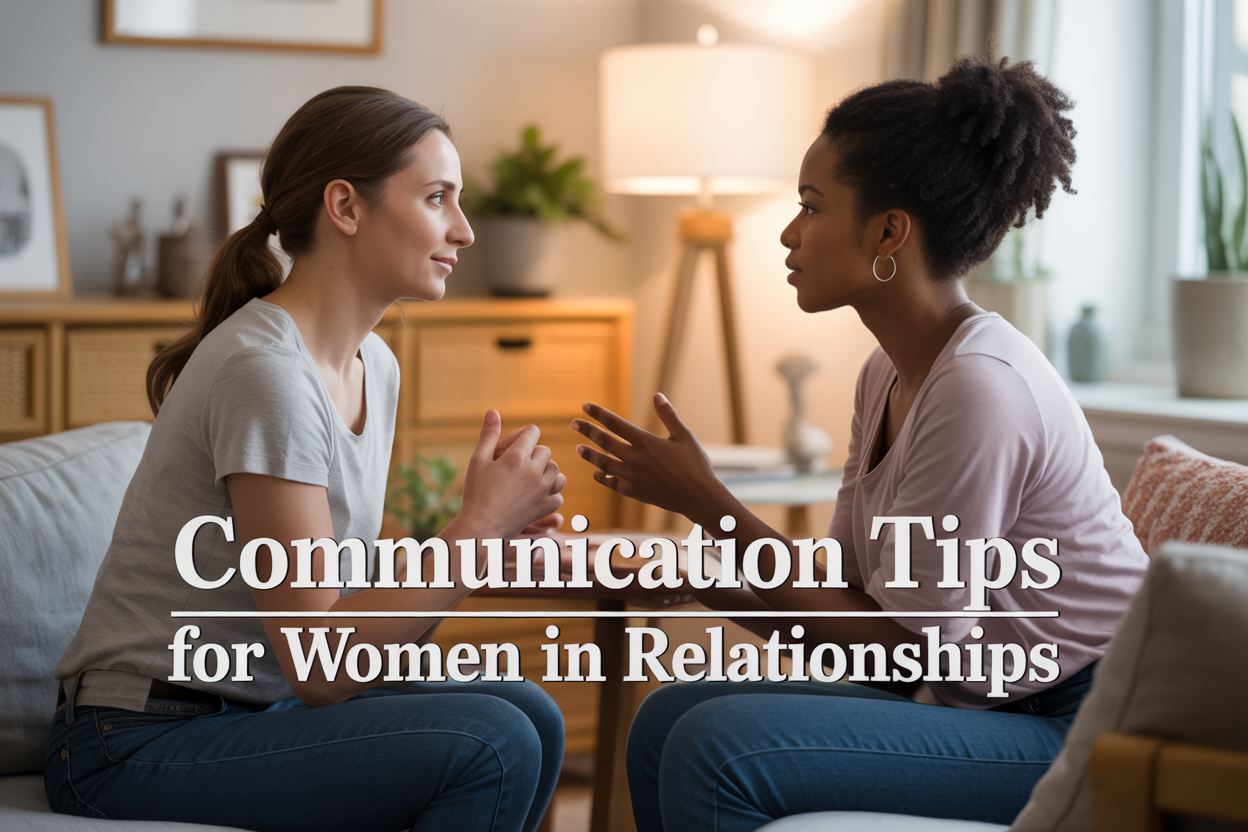
Strong communication can make or break your relationship, and many women struggle with finding their voice while staying connected to their partner. Whether you're newly dating or married for decades, mastering relationship communication skills helps you build deeper intimacy and resolve conflicts before they damage your bond.
This guide is designed for women who want to strengthen their romantic relationships through better communication. You'll discover how to express your needs clearly without coming across as demanding or needy, and you'll learn practical strategies for navigating disagreements without losing your cool.
We'll cover active listening techniques that make your partner feel truly heard, plus step-by-step methods for setting healthy boundaries that protect your relationship from common pitfalls. You'll also get actionable advice on building emotional intimacy through vulnerable conversations that bring you closer together.
Master the Art of Active Listening

Give Your Full Attention Without Planning Your Response
Active listening in relationships starts with being mentally present during conversations. When your partner speaks, resist the urge to formulate your comeback or defense while they're talking. This common mistake creates barriers to understanding and makes your partner feel unheard.
Create physical cues to help yourself stay focused. Put down your phone, turn away from the TV, and face your partner directly. Make eye contact and notice their body language alongside their words. Your partner will immediately sense when you're genuinely engaged versus when you're just waiting for your turn to speak.
Practice the pause between hearing and responding. After your partner finishes speaking, take a moment to process what they've shared before jumping into your response. This brief silence demonstrates respect for their thoughts and gives you time to respond thoughtfully rather than reactively.
Ask Clarifying Questions to Show Genuine Interest
Effective communication techniques in relationships include asking questions that deepen understanding rather than challenge or interrogate. When your partner shares something important, respond with curiosity instead of assumptions.
Try questions like "What did that feel like for you?" or "Help me understand what you mean by..." These approaches show you care about their perspective and want to truly grasp their experience. Avoid questions that feel accusatory, such as "Why would you think that?" which can shut down conversation quickly.
Timing matters when asking clarifying questions. Wait for natural pauses in the conversation and ask one question at a time. Multiple rapid-fire questions can overwhelm your partner and make them feel interrogated rather than heard.
Reflect Back What You Heard to Confirm Understanding
Reflecting back your partner's words serves as a bridge between hearing and understanding. This relationship communication skill prevents misunderstandings from spiraling into larger conflicts. Paraphrase what you heard using slightly different words to show you're processing their message, not just parroting it back.
Start your reflections with phrases like "What I'm hearing is..." or "It sounds like you're feeling..." This technique works especially well during emotionally charged conversations where feelings run high and miscommunication happens easily.
Don't worry about perfect accuracy in your reflections. If you misunderstood something, your partner will correct you, which actually strengthens communication by ensuring you're both on the same page before moving forward.
Avoid Interrupting Even During Emotional Conversations
Interrupting feels natural when emotions run high, but it damages trust and connection in relationships. Even when you feel misunderstood or want to defend yourself, let your partner complete their thoughts before responding.
During heated discussions, jot down key points you want to address instead of interrupting to make them immediately. This strategy helps you remember important responses while showing respect for your partner's need to be heard completely.
Practice bite-your-tongue moments by literally placing your tongue against the roof of your mouth when you feel the urge to interrupt. This physical reminder helps break the habit of cutting off your partner mid-sentence and demonstrates your commitment to better communication patterns.
Express Your Needs Clearly and Confidently

Use "I" statements to communicate your feelings
Transform your relationship conversations by switching from accusatory language to personal expression. Instead of saying "You never listen to me" or "You always interrupt," try "I feel unheard when conversations move quickly" or "I need a moment to finish my thoughts." This simple shift removes the defensive trigger that comes with "you" statements and creates space for understanding.
I statements work because they:
-
Focus on your emotional experience rather than your partner's behavior
-
Reduce the likelihood of defensive responses
-
Create opportunities for empathy and connection
-
Help you take ownership of your feelings without blaming
Practice this formula: "I feel [emotion] when [situation] because [reason]." For example: "I feel disconnected when we're both on our phones during dinner because I value our time together." This approach opens dialogue instead of shutting it down.
Be specific about what you want rather than what you don't want
Your brain processes positive requests more effectively than negative ones. When expressing needs in relationships, focus on the desired outcome rather than the problem. Instead of "Stop being so messy," try "I'd appreciate if we could keep the kitchen counter clear after cooking." This reframing helps your partner understand exactly what would make you happy.
Specific requests create clarity:
| Instead of Saying | Try This Approach |
|---|---|
| "You never help around here" | "Could you take care of the dishes on Tuesdays and Thursdays?" |
| "Don't ignore me when I'm talking" | "I'd love five minutes of your undivided attention to share something important" |
| "You're always late" | "Our dinner reservation is at 7 PM - can we plan to leave by 6:30?" |
Being specific removes guesswork and gives your partner actionable steps to meet your needs. This communication technique strengthens relationships by creating successful experiences for both people.
Choose the right timing for important conversations
Timing can make or break meaningful conversations. Having serious discussions when your partner is stressed, tired, or distracted often leads to misunderstandings and hurt feelings. Good relationship communication skills include reading the room and choosing moments when both people can be fully present.
Optimal timing considerations:
-
Both partners are relatively calm and not dealing with immediate stressors
-
You have privacy and won't be interrupted
-
Neither person is hungry, exhausted, or rushing to another commitment
-
Emotions aren't running high from a recent disagreement
Create a simple ritual for important conversations. You might say, "I have something meaningful I'd like to discuss with you. When would be a good time for both of us?" This approach shows respect for your partner's capacity and increases the likelihood of productive dialogue. Weekend mornings, evening walks, or designated check-in times often work well for couples who want to improve their communication patterns.
Navigate Conflict with Grace and Effectiveness
Stay calm and avoid defensive reactions
When your partner brings up something that stings, your first instinct might be to protect yourself with walls of defense. That knee-jerk reaction where you want to fire back with "Well, what about when you..." or "That's not fair!" is completely normal, but it's also relationship poison.
Taking three deep breaths before responding can literally change the entire trajectory of your conversation. Your nervous system needs a moment to shift from fight-or-flight mode into a space where real communication tips for women in relationships can actually work. Count to ten if you need to - your relationship is worth those few seconds.
Pay attention to your body language too. Crossed arms, eye rolls, and that defensive posture where you lean back and cross your legs all send signals that you're not really open to hearing what your partner has to say. Instead, try leaning slightly forward, keeping your hands visible, and maintaining gentle eye contact. These small shifts in body language can help both of you feel more connected during difficult conversations.
Focus on the issue rather than attacking your partner's character
The difference between "You never listen to me" and "I felt unheard during our conversation about vacation plans" might seem small, but it's massive for conflict resolution for couples. The first statement attacks who your partner is as a person, while the second focuses on a specific behavior and your experience of it.
When you're frustrated, it's tempting to use words like "always" and "never," but these absolutes put your partner on the defensive immediately. Instead of saying "You're so selfish," try "I need more consideration when we make decisions together." This approach opens the door for your partner to actually hear you and make changes, rather than shutting down to protect themselves.
Keep your complaints specific and recent. Bringing up something from six months ago during a current disagreement is like adding gasoline to a fire. Stick to the present issue and resist the urge to build your case with a laundry list of past grievances.
Find common ground before addressing differences
Starting a difficult conversation by acknowledging what you both want or value creates a foundation of teamwork rather than opposition. Maybe you both want to feel respected in the relationship, or you both care deeply about your family's financial security. Name that shared goal out loud before diving into where you disagree.
This technique works because it reminds both of you that you're on the same team, even when you have different perspectives on how to reach your goals. When you establish that common ground first, the conversation shifts from "me versus you" to "us versus the problem."
Effective communication techniques like this help create psychological safety during conflict. Your partner is much more likely to be open and honest when they remember that you're working toward the same basic things - love, respect, security, happiness. Start there, then gently move into the areas where your approaches differ.
Know when to take a break and revisit the discussion later
Sometimes the kindest thing you can do for your relationship is to recognize when a conversation isn't going anywhere productive and suggest a pause. This isn't giving up or avoiding the issue - it's strategic relationship management.
Watch for signs that either of you is getting overwhelmed: raised voices, circular arguments, bringing up unrelated issues, or when one of you starts saying things you'll regret later. When you notice these red flags, try saying something like "I care about working this out with you, and I think we both need a breather. Can we come back to this in an hour?"
The key is actually coming back to finish the conversation. Set a specific time to revisit the discussion, and honor that commitment. Taking breaks only works as a healthy relationship boundaries strategy when both people trust that the conversation will continue, not get swept under the rug. During your break, do something that helps you reset - take a walk, call a friend, or just sit quietly for a few minutes. Then return to your partner ready to listen and work together toward a solution.
Build Emotional Intimacy Through Vulnerable Communication
Share Your Fears and Insecurities Appropriately
Opening up about your deepest fears and vulnerabilities can feel scary, but it's one of the most powerful ways to deepen your connection. The key is timing and delivery. Choose moments when you both feel calm and present, not during heated arguments or when rushing out the door.
Start small if this feels overwhelming. Maybe share a worry about work or a childhood memory that shaped you. Watch how your partner responds. Do they listen without judgment? Do they offer comfort or understanding? These reactions help you gauge when it's safe to go deeper.
When you do share something vulnerable, be specific rather than vague. Instead of saying "I have trust issues," try "When you don't text me back quickly, I worry you're losing interest because my ex used to go silent before breaking up with me." This gives your partner context and helps them understand your reactions better.
Remember that vulnerable communication isn't about dumping every insecurity on your partner. It's about sharing the pieces of yourself that help them love you more completely. Some fears are best worked through with friends, family, or a therapist first.
Express Appreciation and Gratitude Regularly
Daily appreciation acts like emotional glue in relationships. When women consistently acknowledge their partner's efforts, both big and small, it creates a positive feedback loop that strengthens the bond between you.
Get specific with your gratitude. Rather than a generic "thanks for dinner," try "I love how you remembered I had a rough day and made my favorite pasta. It made me feel so cared for." This level of detail shows you're truly paying attention to their thoughtfulness.
Create gratitude rituals that work for your relationship. Some couples share three things they appreciated about each other before bed. Others leave little notes or send appreciation texts throughout the day. Find what feels natural for you both.
Don't forget to appreciate the invisible labor your partner does - emotional support, planning, remembering important dates, or just being a steady presence in your life. These contributions often go unnoticed but matter enormously.
Express gratitude for who they are, not just what they do. "I love how patient you are with my family" or "Your sense of humor always brightens my worst days" reinforces their positive qualities and encourages more of the same behavior.
Create Safe Spaces for Difficult Conversations
Every relationship needs a framework for handling tough topics without everything falling apart. Creating safety means establishing ground rules that protect both of your emotional wellbeing during challenging discussions.
Set the stage physically and emotionally. Turn off distractions, sit facing each other, and agree on a time limit if needed. Some couples find it helpful to hold hands during difficult conversations - the physical connection reminds you that you're on the same team.
Establish verbal cues that signal when someone needs a break. Words like "pause" or "timeout" can prevent conversations from escalating into damaging territory. When someone calls for a break, honor it immediately and agree on when to resume the discussion.
Use "I" statements to express your feelings without attacking your partner's character. "I feel unheard when conversations get interrupted" works better than "You never listen to me." This approach focuses on your experience rather than assigning blame.
Create agreements about timing. Some topics are too heavy for bedtime or right before work. Agree on windows when you're both emotionally available for deeper conversations. This prevents important discussions from happening at the worst possible moments.
Set and Maintain Healthy Boundaries
.png)
Communicate Your Limits Clearly and Kindly
Setting healthy relationship boundaries starts with knowing what you need and being able to express those needs without apologizing for them. When you communicate your limits, speak directly about what works for you and what doesn't. For example, instead of saying "I guess it's okay if you go out with friends every weekend," try "I enjoy having some weekends together, so let's find a balance that works for both of us."
Use "I" statements to express your boundaries without sounding accusatory. Say "I need some quiet time after work to decompress" rather than "You always interrupt me when I'm trying to relax." This approach helps your partner understand your needs without feeling attacked.
Timing matters when discussing boundaries. Choose calm moments when you're both relaxed and can focus on the conversation. Avoid bringing up important boundaries during heated arguments or stressful periods.
Stand Firm on Important Values and Deal-Breakers
Not all boundaries are created equal. Some are preferences you can negotiate, while others are non-negotiables that reflect your core values. Know the difference and communicate this distinction to your partner.
Your deal-breakers might include respect, fidelity, or how you handle finances. These aren't areas for compromise, and that's perfectly healthy. When discussing these important boundaries, be clear about their significance. Say something like "Honesty is essential to me in relationships, and I need complete transparency about finances."
Standing firm doesn't mean being rigid or unwilling to discuss your boundaries. It means maintaining consistency in what truly matters to you. If you consistently bend on important values, you risk losing yourself in the relationship and building resentment over time.
Respect Your Partner's Boundaries in Return
Healthy relationship boundaries work both ways. Just as you deserve to have your limits respected, your partner's boundaries deserve the same consideration. Pay attention when they express their needs, even if they communicate differently than you do.
Ask clarifying questions if you're unsure about their boundaries. Some people are direct communicators, while others hint at their needs. Don't assume you know what they want - check in regularly about what's working and what isn't.
Respecting boundaries also means not trying to change or fix your partner's limits. If they need alone time to recharge, don't take it personally or try to convince them they should want more social time instead.
Address Boundary Violations Immediately and Direct
When someone crosses your boundaries, speak up right away. Waiting too long can lead to resentment and make the conversation more difficult. Address the situation calmly but directly.
Use specific examples when discussing boundary violations. Instead of saying "You never respect my space," try "When you went through my phone yesterday, that crossed my privacy boundary, and we need to talk about it."
Don't let small boundary crossings slide thinking they'll go away on their own. Patterns often start small and escalate if not addressed. A simple "Hey, remember we talked about calling before stopping by? I need that heads up" can prevent bigger issues down the road.
Be prepared to follow through with consequences if boundaries continue to be violated. This might mean leaving the room, ending the conversation, or in serious cases, reconsidering the relationship itself. Your boundaries are only as strong as your willingness to maintain them.
.png)
Strong relationships thrive when both partners feel heard, understood, and respected. The communication skills we've covered—active listening, clear expression of needs, graceful conflict resolution, vulnerable sharing, and boundary setting—work together to create deeper connections. These aren't just techniques to memorize; they're relationship-changing habits that help you show up authentically while honoring your own needs and those of your partner.
Remember that great communication takes practice, and it's okay to stumble along the way. Start with one or two areas that resonate most with you right now, and gradually build from there. Your relationships deserve the investment, and so do you. When you communicate with intention and heart, you're not just improving conversations—you're creating the foundation for love that lasts.
.png)


Comments
Post a Comment