Healthy Relationships Every Woman Deserves
.png)
Every woman deserves a relationship built on respect, trust, and genuine connection. If you're wondering whether your current partnership measures up or you're looking to attract healthier relationships, understanding what healthy relationships actually look like is the first step.
This guide is for women who want to recognize the signs of a good relationship, set better boundaries, and build partnerships that truly support their growth and happiness.
We'll explore the essential emotional support systems that create strong foundations, including how partners should respond to your needs and celebrate your successes. You'll also learn effective communication patterns that bring couples closer together rather than driving them apart. Finally, we'll cover the relationship red flags that signal when it's time to reassess your situation and how building self worth in relationships protects you from settling for less than you deserve.
Your relationship should add joy and stability to your life, not constant stress and doubt.
Foundation Elements of Healthy Relationships
Mutual Respect and Appreciation
Respect forms the bedrock of every healthy relationship. This means valuing your partner's opinions, decisions, and feelings even when they differ from your own. In healthy relationships, both partners acknowledge each other's worth, talents, and contributions without trying to diminish or compete. Appreciation goes beyond simple thank-yous – it involves actively recognizing your partner's efforts, celebrating their successes, and expressing gratitude for who they are as a person.
Women deserve partners who see their achievements as victories worth celebrating rather than threats to overcome. This includes respecting career ambitions, personal goals, and individual interests. When disagreements arise, respectful partners address issues without resorting to name-calling, belittling, or dismissive behavior.
Open and Honest Communication
Effective communication in relationships creates a safe space where both partners can express thoughts, feelings, and concerns without fear of judgment or retaliation. This means sharing your authentic self – your dreams, worries, and daily experiences – while also being genuinely interested in your partner's inner world.
Healthy relationship signs include partners who:
-
Listen actively without interrupting or preparing counterarguments
-
Ask clarifying questions when they don't understand
-
Express their needs directly rather than expecting mind-reading
-
Address problems promptly instead of letting resentment build
-
Use "I" statements to express feelings rather than accusatory language
Communication also involves discussing uncomfortable topics like finances, future plans, and relationship expectations. Partners who communicate well create regular opportunities for deeper conversations beyond daily logistics.
Trust and Reliability
Trust develops through consistent actions over time. Reliable partners follow through on their commitments, show up when they say they will, and maintain transparency about their activities and relationships. This doesn't mean partners need to share every detail of their day, but major decisions, friendships, and concerns should be openly discussed.
Women deserve partners who demonstrate trustworthiness through:
-
Keeping confidences shared in private moments
-
Being honest about past relationships and current friendships
-
Following through on promises, both big and small
-
Admitting mistakes rather than covering them up
-
Maintaining consistent behavior across different situations
Trust also means feeling secure in the relationship without constantly worrying about betrayal or deception. Partners should feel comfortable being vulnerable with each other, knowing that intimacy won't be weaponized during conflicts.
Personal Boundaries and Independence
Healthy partnerships thrive when both people maintain their individual identities. Personal boundaries involve protecting your time, energy, and emotional well-being while respecting your partner's right to do the same. This includes having separate friendships, pursuing individual hobbies, and maintaining financial independence when possible.
Building self worth in relationships requires partners who encourage personal growth rather than trying to control or limit each other. Women deserve relationships where they can:
-
Spend time with friends without guilt or excessive questioning
-
Pursue educational or career opportunities
-
Make personal decisions about their body, appearance, and lifestyle
-
Have private thoughts and feelings that don't need to be shared
-
Say no to requests without facing manipulation or anger
Independence doesn't mean emotional distance – it means bringing your whole, authentic self into the relationship rather than losing yourself in your partner's expectations or demands.
Essential Emotional Support Systems
Active Listening and Validation
Strong emotional support in relationships begins with the ability to truly hear and understand each other. Active listening goes beyond simply waiting for your turn to speak - it involves giving your full attention, maintaining eye contact, and responding thoughtfully to what's being shared. When your partner practices active listening, they put away distractions, ask clarifying questions, and reflect back what they've heard to ensure understanding.
Validation plays an equally crucial role in healthy relationship signs. This doesn't mean agreeing with everything your partner says, but rather acknowledging their feelings and experiences as legitimate. A supportive partner might say, "I can see why you'd feel frustrated about that situation at work" or "Your feelings about this make complete sense given what you've been through." This type of validation creates emotional safety and helps both partners feel valued and understood.
Women deserve relationships where their thoughts and emotions are treated with respect and consideration. When both partners master these skills, conflicts become opportunities for deeper connection rather than battles to be won.
Encouragement During Challenges
Life throws curveballs at everyone, and having a partner who stands by you during tough times makes all the difference. Genuine encouragement goes beyond simple cheerleading - it involves understanding the specific challenges you're facing and offering meaningful support tailored to your needs.
Effective communication in relationships shines brightest during difficult periods. A caring partner might offer practical help, emotional reassurance, or simply a listening ear depending on what's most needed. They don't minimize your struggles with phrases like "it could be worse" or rush you through the healing process. Instead, they create space for you to process emotions while reminding you of your strengths and past successes.
Quality emotional support in relationships includes:
-
Offering specific compliments about your problem-solving abilities
-
Sharing confidence in your capacity to overcome obstacles
-
Providing physical comfort when appropriate
-
Helping you brainstorm solutions without taking over
-
Being patient with your timeline for recovery
The right partner becomes your biggest advocate when self-doubt creeps in, helping you remember your worth and capabilities.
Celebrating Personal Achievements Together
Healthy partnership dynamics include genuine enthusiasm for each other's successes, both big and small. Whether you've landed a promotion, completed a challenging project, or simply made it through a difficult week, your partner should be your first cheerleader. This celebration shouldn't feel forced or competitive - it should come from a place of authentic joy for your happiness and growth.
A supportive partner asks about your goals and remembers important dates like presentations, interviews, or project deadlines. They check in afterward and celebrate wins with genuine excitement. They might suggest going out for dinner, surprising you with your favorite treat, or simply acknowledging your hard work with heartfelt words of praise.
Building self worth in relationships happens when both people feel comfortable shining without dimming the other's light. Your achievements don't threaten a secure partner - they inspire and motivate them. This creates a positive cycle where both people encourage each other to reach their potential.
Red flags appear when a partner consistently downplays your accomplishments, changes the subject when you share good news, or makes your success about themselves. Women deserve partners who genuinely celebrate their growth and achievements as enthusiastically as their own.
Communication Patterns That Strengthen Bonds
Conflict Resolution Without Manipulation
Healthy relationship signs include working through disagreements without games, guilt trips, or emotional blackmail. When conflicts arise, partners in strong relationships focus on solving the problem rather than winning the argument. This means avoiding tactics like the silent treatment, bringing up past mistakes, or making threats about the relationship's future.
Effective communication in relationships during conflicts looks like staying on topic, using "I" statements instead of accusations, and taking breaks when emotions run too high. Both people should feel heard and respected, even when they disagree. The goal becomes finding a solution that works for everyone, not proving who's right or wrong.
Expressing Needs Without Fear of Judgment
What women deserve in relationships includes the freedom to speak up about their needs without worrying about backlash or criticism. In healthy partnerships, both people can share what they're missing or what would make them happier without their partner getting defensive or dismissive.
This creates space for honest conversations about everything from quality time together to physical affection to career support. When you can say "I need more help with household tasks" or "I'd love more spontaneous date nights" without walking on eggshells, you're in a relationship that values your voice and feelings.
Receiving Feedback Constructively
Strong relationship communication skills include being able to hear your partner's concerns without immediately getting defensive. This doesn't mean accepting harsh criticism or personal attacks, but rather being open to conversations about how you both can improve the relationship.
Partners who handle feedback well ask clarifying questions, acknowledge valid points, and work together on solutions. They recognize that nobody's perfect and that growing together means sometimes hearing things that might sting a little but ultimately help the relationship thrive.
Creating Safe Spaces for Vulnerability
Emotional support in relationships means creating an environment where both people can share their deepest fears, dreams, and insecurities without judgment. This involves actively listening without trying to fix everything, offering comfort during difficult times, and celebrating each other's victories.
Safe spaces in relationships look like:
-
No interrupting when someone's sharing something important
-
Keeping private conversations private
-
Avoiding making jokes about sensitive topics
-
Showing empathy instead of immediately offering solutions
-
Creating phone-free times for deeper conversations
Regular Check-ins About Relationship Health
Healthy partnership dynamics include making time to talk about how things are going between you two. These aren't heavy, dramatic conversations but regular opportunities to share appreciation, address small concerns before they become big problems, and discuss goals for your future together.
Monthly or weekly check-ins might cover questions like "What's been working well for us lately?" or "Is there anything you'd like more of from me?" These conversations help prevent resentment from building up and ensure both partners feel valued and heard in the relationship.
Red Flags to Recognize and Address

Controlling or Possessive Behaviors
These relationship red flags can start small and escalate quickly. Watch for partners who constantly check your phone, demand to know your whereabouts every minute, or get angry when you spend time with friends and family. They might disguise this behavior as caring deeply about you, but genuine love doesn't require constant surveillance.
Possessive partners often try to isolate you from your support network. They'll make negative comments about your friends, create conflicts around family gatherings, or guilt-trip you for having interests outside the relationship. This isolation makes you more dependent on them and less likely to recognize unhealthy patterns.
Other warning signs include:
-
Showing up uninvited to your work or social events
-
Making major decisions about your life without consulting you
-
Controlling your finances or access to money
-
Dictating what you can wear or how you should look
-
Tracking your location without permission
Signs of a good relationship include trust, respect for boundaries, and encouragement of your independence. Your partner should celebrate your friendships and support your individual growth.
Emotional Manipulation Tactics
Emotional manipulators use your feelings against you to get what they want. They're masters at making you question your own reality through gaslighting - telling you things didn't happen the way you remember, minimizing your feelings, or claiming you're "too sensitive" when you express concerns.
The silent treatment is another powerful manipulation tool. Instead of addressing conflicts directly, they withdraw affection and communication to punish you. This creates anxiety and makes you more likely to apologize or change your behavior to restore peace, even when you've done nothing wrong.
Guilt-tripping and emotional blackmail are also common tactics. They might say things like "If you really loved me, you would..." or threaten self-harm when you set boundaries. These manipulators often play the victim, making their problems your responsibility to solve.
Effective communication in relationships involves honest dialogue, active listening, and respect for different viewpoints. Healthy partners work through disagreements together rather than using emotions as weapons.
Dismissive Attitudes Toward Your Goals
A partner who truly supports you will cheer for your dreams, even if they don't fully understand them. Red flag partners minimize your ambitions, calling them unrealistic or silly. They might say you're "not good enough" for certain goals or that you should focus on more "practical" things instead.
This dismissiveness often extends to your career, education, and personal interests. They might sabotage your efforts by creating drama during important events, refusing to help with household responsibilities when you're pursuing opportunities, or making you feel guilty for time spent on your goals.
Some partners feel threatened by your success and growth. They worry that achieving your dreams might make you realize you deserve better treatment. Instead of celebrating your wins, they downplay your accomplishments or find ways to make themselves the center of attention during your moments of triumph.
Building self worth in relationships means finding someone who sees your potential and wants to help you reach it. The right partner becomes your biggest cheerleader, offering practical support and emotional encouragement as you pursue what matters to you.
Healthy relationship signs include mutual respect for each other's aspirations, sharing in celebrations, and providing comfort during setbacks. Your goals and dreams should matter to your partner because they matter to you.
Building Self-Worth Within Relationships
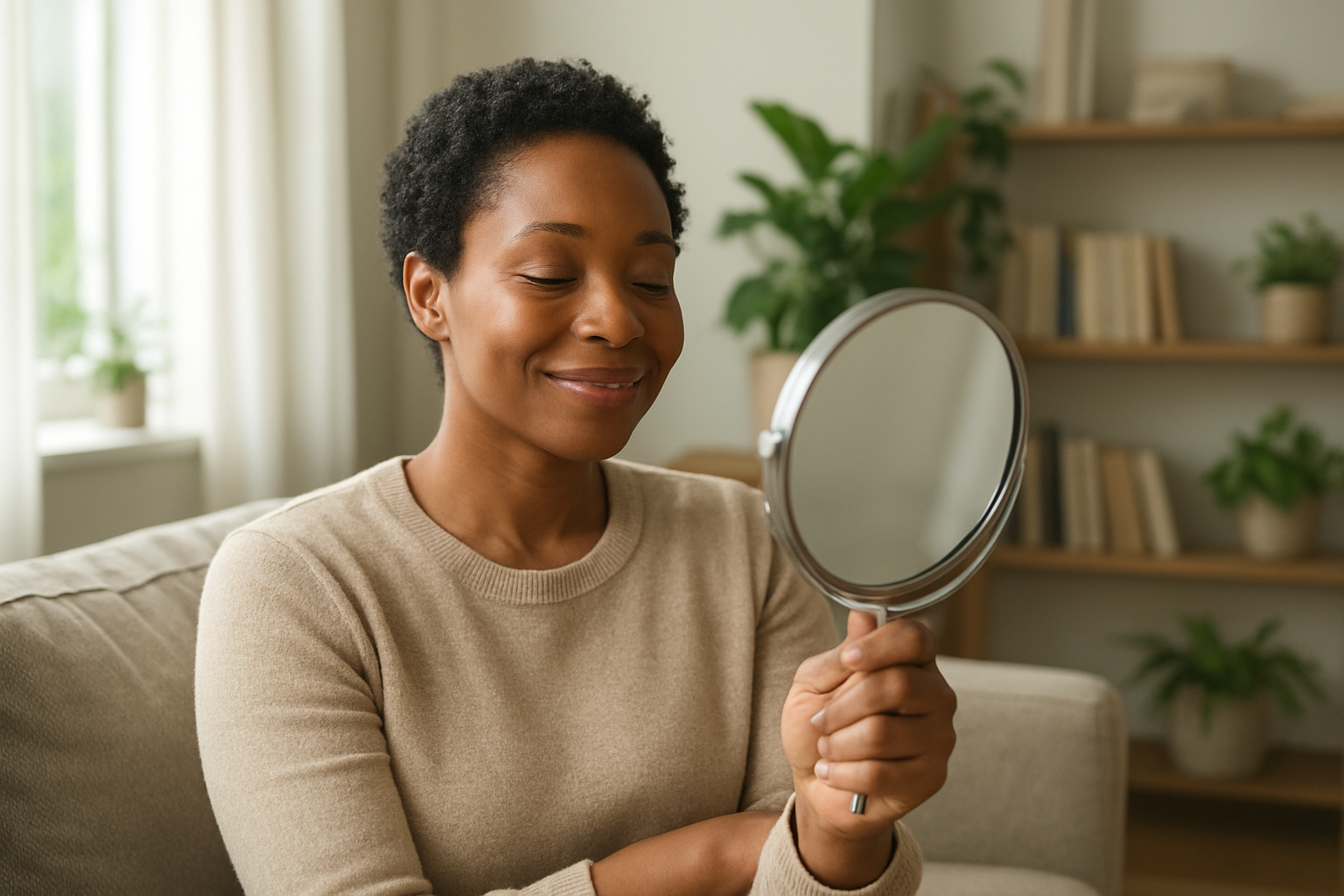
Maintaining Individual Identity and Interests
A strong relationship doesn't mean losing yourself in another person. When women prioritize building self worth in relationships, they understand that preserving their unique identity creates a stronger partnership. Your hobbies, career goals, friendships, and personal dreams matter just as much after entering a relationship.
Signs of a good relationship include a partner who celebrates your individual pursuits rather than feeling threatened by them. Whether you love painting, rock climbing, or advancing in your career, these interests make you the incredible woman your partner fell for in the first place.
Consider creating a "me time" schedule where you dedicate specific hours to personal activities. This might include:
-
Pursuing creative projects or hobbies
-
Spending time with friends independently
-
Taking classes or learning new skills
-
Exercising or engaging in solo wellness activities
-
Reading, journaling, or other reflective practices
Your relationship should feel like two whole people choosing to share their lives together, not two halves trying to complete each other.
Setting and Enforcing Personal Standards
What women deserve in relationships starts with knowing your non-negotiables before you need them. Personal standards aren't about being difficult or demanding – they're about respecting yourself enough to communicate what you need to feel valued and secure.
Your standards might include expectations around:
| Area | Example Standards |
|---|---|
| Communication | Open, honest dialogue without yelling or name-calling |
| Respect | Treating your opinions and feelings as valid |
| Loyalty | Faithfulness and trustworthiness |
| Support | Encouragement of your goals and dreams |
| Quality Time | Regular, undivided attention |
The key lies in communicating these standards clearly and kindly, then consistently maintaining them. When someone repeatedly crosses your boundaries despite clear communication, that's valuable information about their character and your compatibility.
Remember, enforcing standards doesn't mean being inflexible. Healthy relationships involve compromise, but never on your core values or fundamental needs for respect and kindness.
Prioritizing Self-Care Without Guilt
Self-care isn't selfish – it's essential for maintaining your emotional, physical, and mental well-being. Women often struggle with guilt when they prioritize their own needs, but taking care of yourself actually strengthens your ability to show up fully in your relationship.
Effective communication in relationships includes being honest about your self-care needs. This might mean:
-
Taking time for rest when you're exhausted
-
Saying no to activities that drain your energy
-
Maintaining your skincare routine, exercise habits, or meditation practice
-
Seeking therapy or counseling when needed
-
Taking breaks from technology or social commitments
Your partner should support and encourage your self-care efforts, not make you feel guilty for them. A loving partner recognizes that when you're at your best, the relationship benefits too.
Create self-care rituals that feel authentic to you. Maybe it's a weekly bath with a good book, morning walks before anyone else is awake, or monthly dinners with your closest friends. Whatever fills your cup, make it a priority without apology.
Recognizing Your Value Beyond the Relationship
Your worth isn't determined by your relationship status or how well you're performing as a partner. Building self worth in relationships means understanding that you bring incredible value to the table simply by being yourself – your intelligence, humor, kindness, talents, and unique perspective all have worth independent of romantic love.
Healthy relationship signs include a partner who recognizes and appreciates these qualities regularly. They should see you as a complete person with your own accomplishments, not just as their girlfriend or wife.
Keep a list of your achievements, skills, and positive qualities that have nothing to do with your romantic relationship. This might include:
-
Professional accomplishments and career growth
-
Educational achievements or ongoing learning
-
Creative projects or artistic abilities
-
Acts of kindness or community involvement
-
Personal growth and self-improvement efforts
-
Friendships and family relationships you've nurtured
Review this list regularly, especially during challenging times in your relationship. Your value doesn't fluctuate based on relationship dynamics – you are inherently worthy of love and respect, whether you're single, dating, or in a long-term partnership.
When you truly believe in your own worth, you naturally attract healthy partnership dynamics because you won't settle for treatment that falls short of what you deserve.
Creating Lasting Partnership Dynamics
Shared Values and Life Vision
Building healthy partnership dynamics starts with finding someone who shares your core beliefs and life direction. When you're both heading toward similar goals, the relationship becomes a journey you take together rather than a constant negotiation about which path to choose.
Think about the big things: Do you both value family time? Are your financial priorities aligned? How do you each feel about career ambitions versus work-life balance? These conversations might feel heavy early on, but they're essential for creating a strong foundation.
Your values don't need to be identical - some differences can actually enrich the relationship. However, your fundamental principles should complement rather than clash with each other. For example, if you value honesty and transparency while your partner believes in keeping certain things private, you'll need to find common ground that respects both perspectives.
Having a shared vision means you're both invested in building something together. This might look like planning for a house, discussing how you'll handle major decisions, or even talking about the kind of legacy you want to create as a couple. When partners can dream together and work toward mutual goals, they create the kind of healthy relationship signs that indicate long-term compatibility.
Equal Investment in Relationship Growth
Healthy partnership dynamics require both people to show up with equal energy and commitment. One person shouldn't carry the entire emotional load while the other coasts along passively. You deserve a partner who actively contributes to making the relationship stronger.
Equal investment shows up in different ways:
-
Emotional effort: Both partners initiate difficult conversations, offer comfort during tough times, and celebrate each other's wins
-
Time commitment: Making space for quality time together, even when life gets busy
-
Problem-solving: Working together to address issues rather than leaving one person to figure everything out
-
Growth mindset: Both people willing to learn, change, and improve for the relationship's benefit
This doesn't mean keeping score of every gesture or contribution. Instead, it's about feeling like you're both genuinely invested in the relationship's success. When conflicts arise, both partners should be willing to examine their own behavior and make necessary changes.
Watch for patterns where you're always the one initiating important conversations, planning dates, or addressing problems. What women deserve in relationships includes a partner who matches their level of commitment and actively participates in building something beautiful together.
Supporting Each Other's Personal Development
The strongest partnerships happen when both people continue growing as individuals while also growing together. Your partner should be your biggest cheerleader, not someone who feels threatened by your success or tries to hold you back from pursuing your dreams.
Supporting each other's personal development means:
-
Encouraging career moves that excite you, even if they require adjustments
-
Celebrating personal achievements without jealousy or competition
-
Giving each other space for individual hobbies, friendships, and interests
-
Offering honest feedback when asked, delivered with love and respect
-
Being patient during periods of personal growth or change
You should never feel like you need to shrink yourself to make your partner comfortable. A healthy partner will push you to become the best version of yourself and will appreciate the unique qualities you bring to the relationship.
This support goes both ways - you also need to champion your partner's goals and personal evolution. When both people feel supported in their individual journeys, they bring more confidence, fulfillment, and energy back to the relationship. The partnership becomes a launching pad for both people to thrive rather than a limitation that holds either person back.
Remember that personal growth sometimes means growing in different directions temporarily, and that's normal. The key is maintaining connection and communication throughout these individual journeys, always finding ways to reconnect and share what you're learning about yourselves.
.png)
Every woman has the right to experience relationships that lift her up rather than tear her down. The foundation you build through honest communication, emotional support, and mutual respect creates the groundwork for something truly meaningful. When you know your worth and can spot the warning signs early, you're already ahead of the game in creating the kind of partnership that brings out the best in both people.
Don't settle for less than what you deserve. Start by taking a good look at your current relationships and asking yourself if they meet these standards. If they don't, it's time to have some honest conversations or make some changes. Remember, healthy relationships aren't just nice to have – they're essential for your happiness and growth. You have the power to create the loving, supportive connections you want in your life.
.png)


Comments
Post a Comment