Minimalism for Women
Minimalism for women isn't about living with less—it's about making room for what truly matters in your life. This minimalist lifestyle women are embracing helps create space for meaningful experiences, genuine relationships, and personal growth while reducing the overwhelm that comes with managing too much stuff.
This women's minimalism guide is perfect for busy professionals, mothers juggling multiple responsibilities, students on tight budgets, and anyone feeling overwhelmed by the constant pressure to buy, organize, and maintain endless possessions.
We'll dive into proven decluttering wardrobe tips that help you build a functional closet you actually love, plus learn how to create a minimalist beauty routine that saves time and money without sacrificing self-care. You'll also discover practical strategies for designing living spaces that work with your lifestyle, not against it.
Understanding Minimalism's Unique Benefits for Women
Reduce Decision Fatigue in Daily Routines
Modern women make hundreds of decisions every day, from what to wear to which skincare products to use. This constant decision-making creates mental exhaustion that impacts your energy for things that actually matter. A minimalist lifestyle women embrace reduces these micro-decisions by creating streamlined systems.
When you own fewer clothes, getting dressed becomes effortless. Instead of staring at an overflowing closet wondering what matches, you choose from carefully curated pieces that all work together. The same principle applies to your morning routine - fewer beauty products mean less time debating which foundation to use or whether you need three different serums.
This mental clarity extends beyond personal care. With fewer belongings to organize, clean, and maintain, your brain has more bandwidth for creative thinking and problem-solving in areas that align with your goals.
Create More Time for Personal Goals and Relationships
Minimalism for women isn't about deprivation - it's about making room for what brings genuine fulfillment. When you're not spending weekends organizing cluttered spaces or hours shopping for things you don't need, those precious hours return to your calendar.
Consider the time you currently spend:
-
Maintaining and cleaning excess belongings
-
Shopping for non-essential items
-
Searching for misplaced items in cluttered spaces
-
Managing and organizing possessions
This reclaimed time becomes available for pursuing passions, deepening friendships, learning new skills, or simply enjoying moments of peace. Many women discover they can finally take that art class, call friends more often, or read books they've been meaning to tackle.
Eliminate Guilt Associated with Material Possessions
Women often carry emotional weight around their belongings. You might feel guilty about expensive items sitting unused, stressed about gifts you don't love, or overwhelmed by things you "should" appreciate. Simple living for women removes this psychological burden.
Minimalism gives you permission to let go of items that don't serve your current life, regardless of their cost or sentimental expectations. That designer bag you never use? The kitchen gadget that seemed essential but collects dust? These items lose their power to make you feel inadequate when you embrace intentional ownership.
The guilt cycle breaks when you focus on what genuinely adds value to your daily experience rather than keeping things out of obligation.
Build Confidence Through Intentional Choices
Every item you choose to keep in a minimalist approach represents a conscious decision about who you are and what you value. This intentionality builds deep confidence because you're actively curating a life that reflects your authentic self.
When your wardrobe contains only pieces you love and feel great wearing, you naturally feel more confident in your appearance. When your home contains only items that serve a purpose or bring joy, you feel proud of your space. These intentional choices compound into a stronger sense of self-worth and personal identity.
The confidence that comes from minimalism isn't superficial - it's rooted in the knowledge that you can trust your own judgment and that your choices align with your values rather than external pressures or impulse decisions.
Decluttering Your Wardrobe Like a Pro

Create a capsule wardrobe that works for every occasion
Building a capsule wardrobe transforms how you approach getting dressed each morning. Start with 30-40 carefully chosen pieces that mix and match effortlessly across your lifestyle needs. The foundation begins with neutral colors like black, white, navy, gray, or beige as your base, then add 2-3 accent colors that complement your skin tone and personal style.
Your capsule should include versatile basics: well-fitted jeans, tailored trousers, classic blazers, crisp white shirts, comfortable sweaters, and a little black dress. These pieces work together to create multiple outfits from fewer items. A quality blazer can transform a casual outfit for work meetings, while that little black dress works for date nights, business events, and social gatherings with simple accessory changes.
Consider your actual lifestyle when selecting pieces. If you work from home, prioritize comfortable yet polished items. If you're frequently in professional settings, invest in more structured pieces. The key is choosing items that serve multiple purposes rather than single-occasion clothing that sits unworn in your closet.
Choose quality pieces that reflect your authentic style
Quality trumps quantity every time in minimalist fashion. One well-made piece that lasts five years provides better value than five cheap items that fall apart after a season. Look for natural fabrics like cotton, wool, silk, and linen that breathe well and age beautifully. Check construction details: straight seams, quality buttons, reinforced stress points, and proper linings indicate garments built to last.
Your authentic style emerges when you stop following every trend and start choosing pieces that genuinely resonate with you. Pay attention to what makes you feel confident and comfortable. Maybe you gravitate toward clean lines and structured silhouettes, or perhaps you prefer flowy, bohemian pieces. Neither is right or wrong – what matters is staying true to your preferences.
Before purchasing anything new, ask yourself three questions: Does this fit my lifestyle? Does it work with at least three other pieces in my wardrobe? Will I still love wearing this in two years? If you can't answer yes to all three, skip the purchase. This simple filter prevents impulse buys that clutter your closet without adding value.
Organize clothing for maximum efficiency and joy
Smart organization makes your minimalist wardrobe work harder for you. Arrange clothing by category first, then by color within each category. This system helps you see everything at a glance and creates pleasing visual harmony in your closet space.
Use matching hangers to create a cohesive look – wooden hangers work well for heavier items like coats and blazers, while slim velvet hangers maximize space for lighter pieces. Fold knitwear to prevent stretching and use drawer dividers for undergarments and accessories.
The "one in, one out" rule keeps your wardrobe from expanding beyond your ideal size. When you bring home something new, identify what it's replacing and donate the old item immediately. This practice maintains balance and prevents accumulation of unworn clothing.
Store off-season items separately to reduce daily decision fatigue. Keep only current season clothing visible and accessible. Rotate items seasonally, using this opportunity to assess what you actually wore and what can be donated.
Create a designated space for items that need attention – dry cleaning, repairs, or alterations. Address these items weekly to keep your wardrobe in optimal condition. A well-maintained smaller wardrobe always looks better than a large collection of neglected pieces.
Streamlining Beauty and Self-Care Routines
Curate a minimalist skincare routine that delivers results
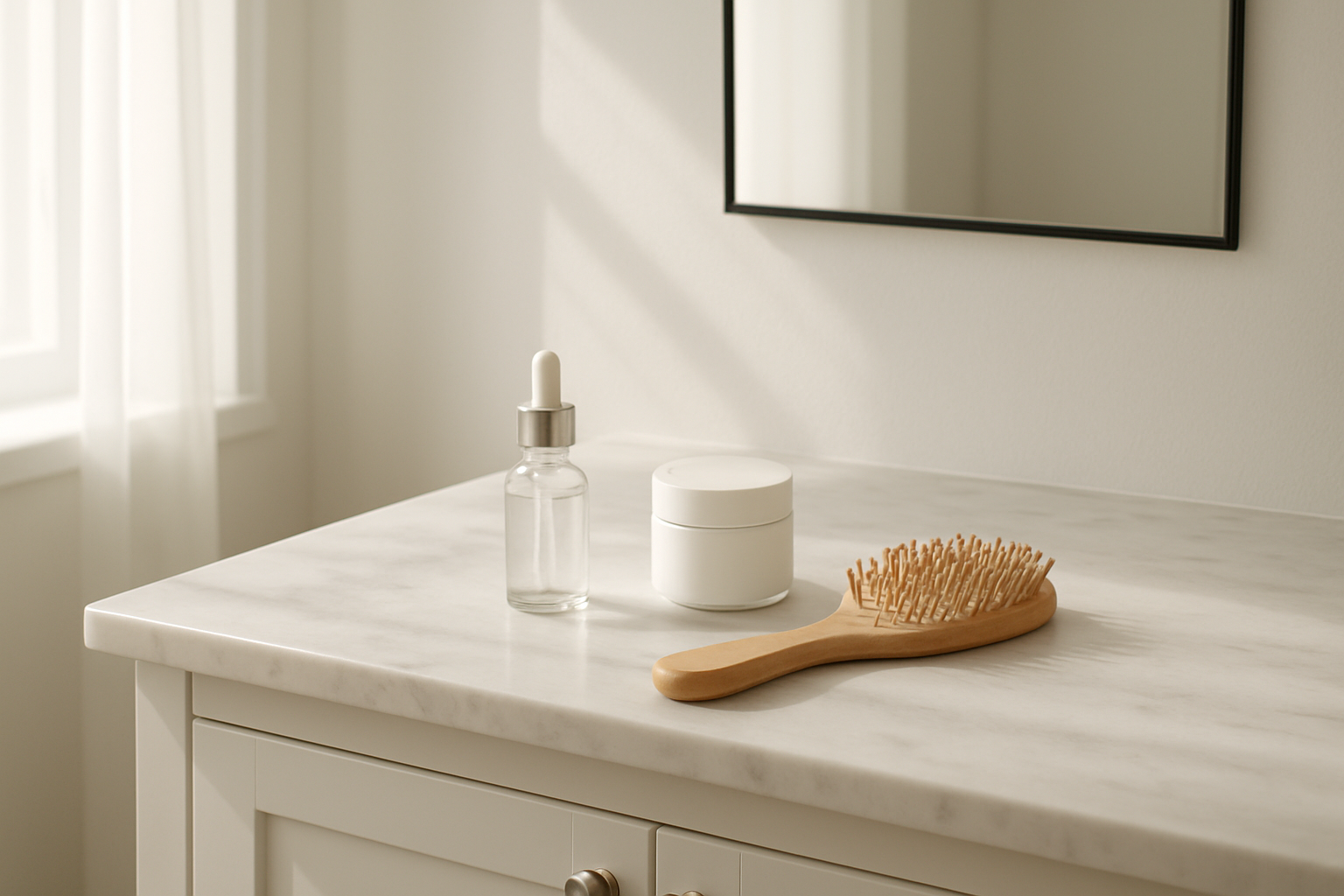
The secret to effective minimalist skincare lies in understanding your skin type and choosing products that multitask. Start with three core products: a gentle cleanser, a moisturizer with SPF for daytime use, and a nighttime treatment product. This foundation addresses cleansing, hydration, and protection without overwhelming your skin or your bathroom counter.
Look for ingredients that work harder, like niacinamide for oil control and pore refinement, or hyaluronic acid for hydration across all skin types. A vitamin C serum can serve as both an antioxidant treatment and brightening agent. Quality matters more than quantity - investing in three exceptional products beats owning fifteen mediocre ones.
Consider your lifestyle when building your routine. If you're always rushing in the morning, choose a moisturizer with built-in SPF. For evening routines, a gentle cleanser that removes makeup eliminates the need for separate makeup remover. Track how your skin responds over four to six weeks before adding anything new.
Simplify makeup collection to essential versatile products
Building a minimalist beauty routine means choosing products that work double or triple duty. A cream blush can work on both cheeks and lips, while a neutral eyeshadow palette can create both day and evening looks. Tinted moisturizer or BB cream provides coverage, hydration, and sun protection in one step.
Focus on your signature look rather than following every trend. If you love a bold lip, invest in two or three quality lipsticks in shades that complement your wardrobe. If you prefer natural makeup, a good mascara, cream blush, and tinted lip balm might be all you need.
Create a capsule makeup collection by identifying your non-negotiables. Most women can achieve their daily look with:
-
One base product (tinted moisturizer or foundation)
-
One mascara
-
One neutral eyeshadow palette
-
One versatile blush
-
Two lip products (one neutral, one statement)
-
One brow product
Store everything in a small bag or drawer organizer. When you can see all your products at once, you'll actually use what you own instead of constantly buying duplicates.
Choose multi-purpose beauty tools and products
Smart tool selection can cut your beauty routine in half. A high-quality makeup brush set with five essential brushes covers more ground than twenty specialized tools. Look for brushes that can blend eyeshadow and apply blush, or use a damp beauty sponge for both foundation application and blending harsh lines.
Your fingers are often the best tools for cream products. Cream blush, highlighter, and eyeshadow blend beautifully with fingertips and eliminate the need for additional brushes. This approach also speeds up your routine and creates a more natural finish.
Consider products with multiple uses built into their design. A lip and cheek tint saves space and creates a cohesive look. Coconut oil works as makeup remover, hair mask, and body moisturizer. A good quality facial oil can replace your serum, face oil, and even work as a makeup primer for dry skin types.
Create sustainable self-care practices without excess
Real self-care doesn't require expensive spa treatments or elaborate rituals. The most sustainable practices are simple, consistent habits that actually fit into your life. A five-minute morning meditation, a evening walk, or a weekly face mask using kitchen ingredients can be more restorative than complicated routines you'll abandon after a week.
Focus on practices that serve multiple purposes. Taking a bath with Epsom salt relaxes tense muscles, provides quiet time, and can be part of your skincare routine if you add a few drops of facial oil to damp skin afterward. Reading before bed improves your mind while helping you wind down naturally.
Build self-care around what genuinely makes you feel restored. Some women recharge through physical activity, others through creative pursuits or quiet reflection. Your minimalist self-care routine should reflect your personality and actual needs, not Instagram-worthy moments that don't serve your wellbeing.
Create boundaries around your self-care time. This might mean turning off your phone during your morning coffee, setting a specific bedtime, or designating Sunday mornings as your time. Consistency with small practices beats sporadic attempts at elaborate self-care marathons.
Designing Functional Living Spaces
Maximize small spaces with smart storage solutions
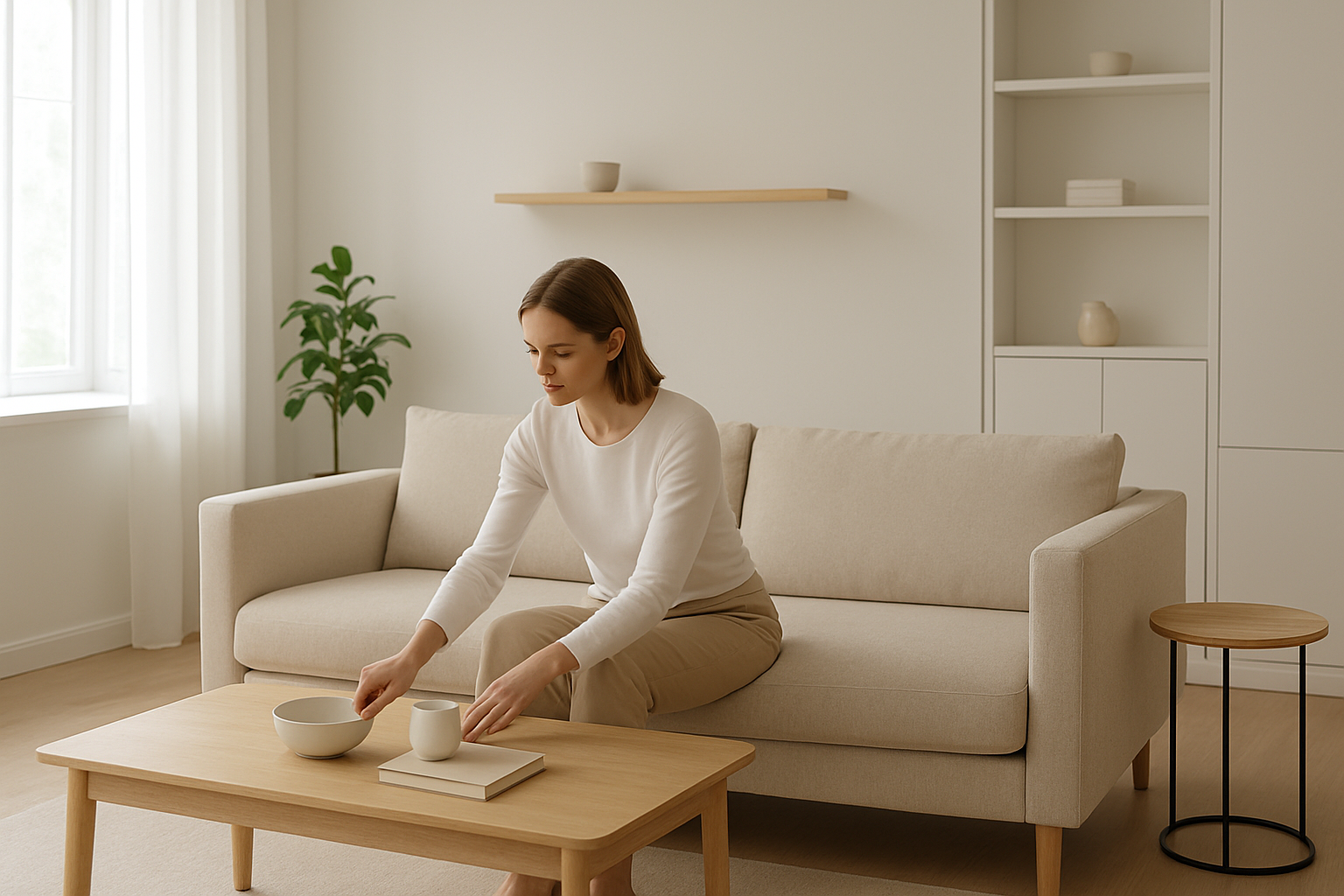
Smart storage transforms cramped quarters into organized havens. Vertical space becomes your best friend when floor area is limited. Install floating shelves that climb walls, creating room for books, plants, and decorative items without eating up precious square footage. Over-door organizers work wonders in bedrooms and bathrooms, holding everything from shoes to toiletries.
Under-bed storage boxes keep seasonal clothing and linens out of sight but easily accessible. Choose clear containers so you can quickly spot what you need. The space under stairs often goes unused – add pull-out drawers or built-in cubbies to store household essentials.
Kitchen cabinets benefit from stackable shelf inserts that double your storage capacity. Magnetic strips on walls hold knives and spices, freeing up counter space. Drawer dividers keep utensils organized and prevent that frustrating jumble when you're cooking.
Closets need strategic planning. Double-hanging rods maximize vertical space for shorter items like blouses and pants. Shelf dividers keep sweaters and t-shirts in neat stacks. Shoe racks or hanging organizers make the most of door space.
Storage ottomans and benches serve double duty – providing seating while hiding clutter inside. Wall-mounted hooks near entryways catch coats, bags, and keys before they scatter throughout your home.
Choose furniture that serves multiple purposes
Multi-functional furniture makes every piece earn its place in your minimalist home design. A coffee table with built-in storage compartments holds magazines, remotes, and board games while serving drinks and snacks. Ottoman storage cubes work as footrests, extra seating, and hidden storage all in one compact package.
Dining tables with extension leaves accommodate both intimate dinners and larger gatherings without requiring a permanently oversized table. Nesting tables tuck neatly together when space is tight but spread out when you need extra surface area for entertaining.
Bedroom furniture should work harder too. Beds with built-in drawers eliminate the need for separate dressers in small bedrooms. Platform beds with storage underneath keep bedding, out-of-season clothes, or books organized and dust-free.
Console tables behind sofas create display space and storage while defining room boundaries in open floor plans. Choose versions with shelves or drawers to maximize their usefulness.
Expandable desks grow from compact workspaces to full home offices when needed. Look for versions with fold-out surfaces and built-in cord management to keep your workspace clean and functional.
Bar carts serve multiple rooms – roll them from kitchen to living room for entertaining, then use them as bathroom storage or bedroom side tables. Their mobility makes them incredibly versatile for changing needs.
Create peaceful environments that support well-being
Peaceful spaces start with intentional color choices. Soft, neutral tones like warm whites, gentle grays, and muted earth tones create a calming backdrop that supports relaxation. These colors make rooms feel larger while providing a timeless foundation that won't quickly feel outdated.
Natural light dramatically improves mood and energy levels. Remove heavy curtains that block sunlight and replace them with light-filtering blinds or sheer panels. Position mirrors across from windows to bounce light deeper into rooms and create the illusion of more space.
Bring nature indoors through carefully chosen plants. Snake plants and pothos thrive in low light and purify air while adding life to corners and shelves. Fresh flowers or a small herb garden on windowsills connect you with natural cycles and seasonal changes.
Clutter creates visual noise that increases stress levels. Designate specific homes for frequently used items and return them there immediately after use. Clear surfaces in bedrooms and living areas signal to your brain that it's time to relax.
Soft textures invite touch and comfort. Layer different materials like linen throws, wool rugs, and cotton pillows to create depth without visual chaos. These elements add warmth while maintaining the clean lines essential to minimalist living.
Create quiet zones free from electronic distractions. Reading corners with comfortable seating and good lighting offer escapes from daily pressures. These spaces become sanctuaries for meditation, journaling, or simply sitting with your thoughts.
Building Meaningful Relationships Over Material Things

Prioritize experiences and connections over possessions
When embracing minimalist relationships, women often discover that memories outweigh material goods in creating lasting happiness. Instead of focusing on accumulating things, shift your energy toward shared experiences that strengthen bonds with loved ones. Plan weekend hiking trips with friends rather than shopping sprees. Cook a homemade meal together instead of buying expensive gifts. These moments create deeper connections that expensive items simply can't match.
Research consistently shows that experiential purchases bring more satisfaction than material ones. The joy from a new handbag fades, but the laughter from a spontaneous road trip with your sister remains vivid years later. Start small by suggesting experience-based activities when friends propose retail therapy sessions. Your relationships will become more authentic when they're built on genuine connection rather than shared shopping habits.
Practice saying no to social pressures and expectations
Society places tremendous pressure on women to participate in material-driven social activities. From baby showers requiring expensive gifts to girls' nights centered around shopping, these expectations can drain both your wallet and energy. Learning to politely decline or suggest alternatives becomes a crucial skill in maintaining minimalist relationships.
When invited to events that conflict with your values, offer creative alternatives. Suggest hosting a potluck dinner instead of meeting at an expensive restaurant. Propose a nature walk rather than a mall excursion. Most friends appreciate honest communication about your lifestyle choices, and many secretly wish they could simplify their own social obligations.
Practice phrases like "I'd love to spend time with you, but shopping isn't really my thing anymore. How about we try that new coffee shop instead?" This approach maintains the relationship while staying true to your minimalist principles.
Invest time in relationships that truly matter
Minimalism for women extends beyond decluttering physical spaces to include relationship assessment. Quality trumps quantity in meaningful connections. Take inventory of your social circle and identify relationships that energize versus drain you. This doesn't mean cutting off struggling friends, but rather recognizing where to invest your limited time and emotional resources.
Create a simple system to evaluate your relationships:
-
Energy givers: People who support your growth and make you feel valued
-
Energy neutral: Casual acquaintances requiring minimal investment
-
Energy drains: Relationships that consistently leave you feeling depleted
Focus your efforts on nurturing energy-giving relationships while setting appropriate boundaries with draining ones. This might mean reducing time spent with negative influences or having honest conversations about relationship expectations.
Create boundaries around gift-giving and receiving
Gift exchanges often become obligatory rather than meaningful, creating financial stress and clutter. Establishing clear boundaries helps maintain minimalist relationships without offending others. Start by having open conversations with family and close friends about your shift toward experiential giving.
Consider these boundary-setting strategies:
| Situation | Traditional Approach | Minimalist Alternative |
|---|---|---|
| Birthday gifts | Physical presents | Shared experience or homemade item |
| Holiday exchanges | Store-bought items | Secret Santa with spending limits |
| Wedding gifts | Registry purchases | Contribution to honeymoon fund |
| Baby showers | Multiple small items | Group gift for one meaningful item |
When receiving unwanted gifts, graciously accept them and later donate items that don't fit your lifestyle. The giver's intention matters more than keeping every item. Create a designated donation box for gifts that don't align with your minimalist values.
Explain your gift-giving philosophy without making others feel judged. Say something like, "I'm trying to focus more on experiences lately. Would you be up for a cooking class together instead of exchanging presents?" Most people respect honesty and may even appreciate the reduced pressure to find perfect gifts.
Managing Finances Through Minimalist Principles

Eliminate impulse purchases and emotional spending
Breaking free from spontaneous shopping sprees is your first step toward financial freedom through minimalism. Women often face unique pressures when it comes to retail therapy - whether it's the latest fashion trends, beauty products promising miraculous results, or home décor that promises to transform your space.
The key lies in recognizing your emotional triggers. Before making any non-essential purchase, pause and ask yourself: "Am I buying this because I need it, or because I'm feeling stressed, bored, or seeking validation?" Create a 24-48 hour waiting period for any purchase over $50. You'll be amazed how many items lose their appeal once the initial excitement wears off.
Unsubscribe from promotional emails that constantly tempt you with sales and new arrivals. Social media can be equally dangerous - consider unfollowing brands that regularly showcase products you don't actually need. Instead, curate your feeds to include accounts focused on minimalist budgeting and intentional living.
Keep a small notebook or phone app where you jot down everything you want to buy. Review this list monthly and notice patterns in your desires. Often, you'll find that what felt urgent in the moment becomes completely irrelevant weeks later.
Focus spending on values-aligned priorities
Your money should reflect what truly matters to you. Start by identifying your core values - perhaps it's quality time with family, personal growth, health, or creative pursuits. Every spending decision should align with these priorities.
Create a values-based budget that allocates money first to what you care about most. If wellness is important to you, invest in a gym membership or quality organic food rather than impulse clothing purchases. If relationships matter most, budget for experiences with loved ones instead of accumulating more possessions.
This approach naturally eliminates spending on items that don't serve your authentic self. You'll find yourself walking past sales that once would have derailed your budget because they simply don't align with your values anymore.
Quality becomes more important than quantity when you're spending intentionally. Buy fewer things, but choose items that will last longer and bring you genuine joy. This might mean investing in a well-made coat that will serve you for years rather than buying several cheaper alternatives that need replacing seasonally.
Build wealth through intentional consumption habits
Minimalist budgeting for women isn't about deprivation - it's about building real wealth through mindful choices. When you stop buying things you don't need, you free up significant money for savings, investments, and experiences that truly enrich your life.
Track your spending for one month without judgment. Simply observe where your money goes. You'll likely discover surprising amounts spent on small, seemingly insignificant purchases that add up quickly. Those daily coffee shop visits, subscription services you forgot about, and convenience purchases can easily consume hundreds of dollars monthly.
Adopt a "one in, one out" policy for non-essential items. When you want something new, donate or sell something you already own. This keeps your possessions manageable while making you more selective about new purchases.
Create automatic savings transfers that happen before you have a chance to spend the money elsewhere. Even small amounts add up significantly over time. Use the money you're no longer spending on unnecessary items to build an emergency fund, pay off debt, or invest in your future.
Consider the true cost of ownership for any major purchase. Factor in maintenance, storage, insurance, and the time required to care for items. Often, experiences or services provide better value than accumulating more possessions.
.png)
Living as a minimalist woman means finding freedom in simplicity across every part of your life. From building a wardrobe that actually works for you to creating spaces that feel peaceful instead of overwhelming, minimalism helps you focus on what really matters. When you stop chasing the latest trends and start investing in quality pieces, meaningful relationships, and experiences that bring you joy, you discover a different kind of richness.
The best part about embracing minimalism is that you don't have to do it all at once. Start with one area that feels most overwhelming right now - maybe it's that overflowing closet or the bathroom counter covered in products you never use. As you clear away the excess, you'll find more time, energy, and money to spend on the things and people you truly value. Your future self will thank you for choosing intention over impulse and quality over quantity.
.png)


Comments
Post a Comment