Navigating Friendship Changes as a Woman
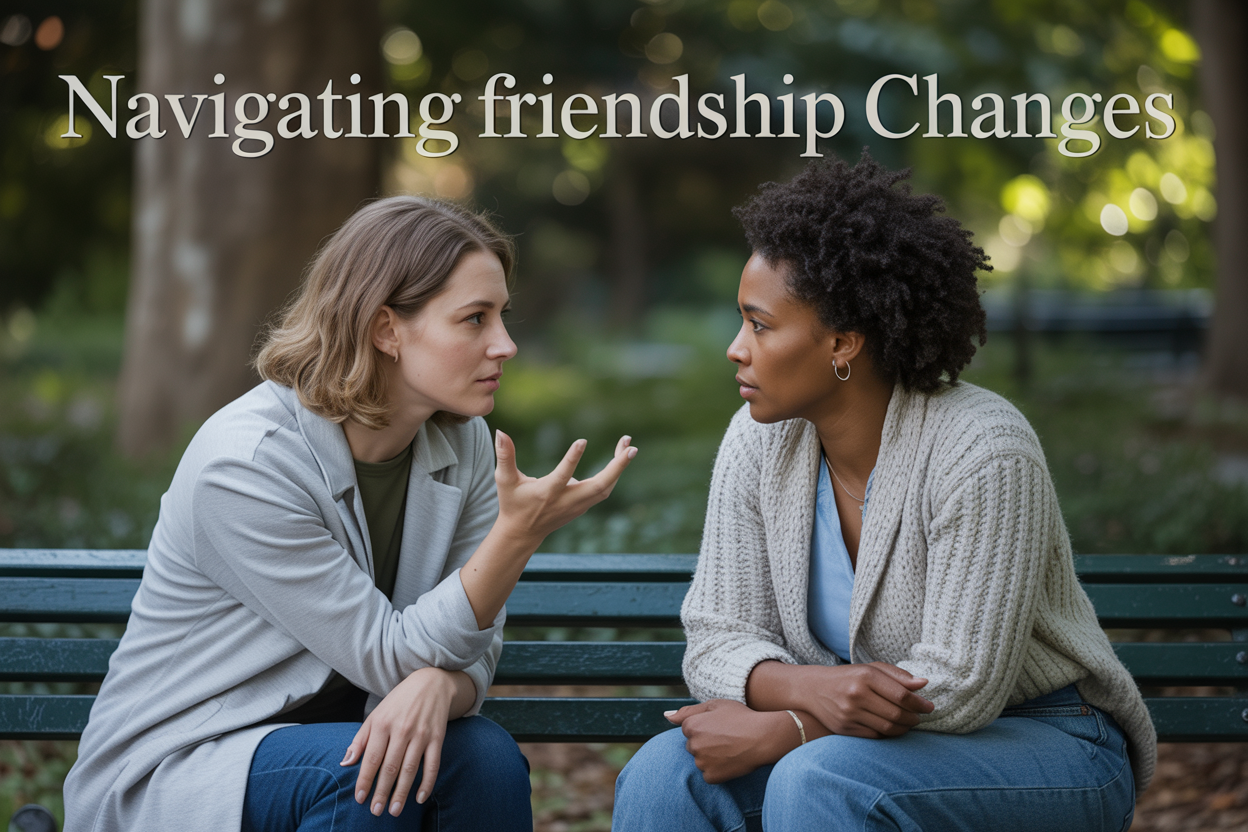
Female friendships shift and change more than we'd like to admit. If you're a woman who's noticed your social circle looking different than it used to, or you're struggling with friendship transitions that feel confusing and painful, you're not alone.
This guide is for women in their twenties, thirties, forties, and beyond who are navigating friendship shifts - whether you're dealing with growing apart from old friends, experiencing friendship breakups, or wondering how to build adult friendships that actually last.
We'll explore how to recognize when your female friendships are naturally evolving versus when they're becoming unhealthy. You'll learn practical ways to manage the emotional rollercoaster that comes with women friendship changes, including how to decide which relationships deserve your energy and which ones you need to let go. We'll also cover how to create space for new, meaningful connections that align with who you are now - not who you used to be.
Adult female friendships don't have to feel like a mystery. With the right approach, you can build a support network that grows with you instead of holding you back.
Recognizing When Friendships Are Shifting
.png)
Identifying subtle changes in communication patterns
The first signs that a friendship is shifting often show up in how you communicate. Maybe your friend takes longer to respond to texts, or her messages feel shorter and less personal. She might stop sharing the little details about her day that she used to tell you without thinking twice.
Pay attention to the tone changes too. Conversations that once flowed naturally now feel forced or surface-level. You catch yourself working harder to keep the chat going, while she seems distracted or gives one-word responses. Phone calls become less frequent, and when they do happen, they're cut short more often.
Social media behavior can be telling as well. If she's posting regularly but not engaging with your content like she used to, or if you notice she's commenting on other friends' posts but skipping yours, these patterns matter. The spontaneous sharing of memes, photos, or random thoughts might slow down or stop completely.
Watch for changes in how plans are made. A friend who used to suggest getting together might start being "too busy" more often, or she only agrees to group settings instead of one-on-one time. These shifts in female friendships don't always mean something's wrong, but they're worth noticing.
Understanding natural life transitions that affect friendships
Life changes create natural friction points in women's relationships. Marriage often reshuffles friendship priorities as your friend gets absorbed in building her new life with a partner. She might have less time for girls' nights or weekend catch-ups, and her emotional energy gets redirected toward her spouse.
Having children creates an even bigger shift. New moms often feel like they're living in a different world from their childless friends. The exhaustion, different schedules, and changed interests can make it hard to connect the same way. Meanwhile, friends without kids might feel left out or struggle to relate to constant baby talk.
Career changes bring their own challenges. A promotion might mean longer hours and less availability for socializing. Moving to a new city for work creates physical distance that tests friendship strength. Starting a business or changing careers entirely can shift someone's entire social circle as they network with different people.
Other major transitions like divorce, caring for aging parents, or health issues can dramatically change how someone shows up in friendships. These adult female friendship challenges are normal parts of growing up, even though they can feel isolating.
Distinguishing between temporary distance and permanent drift
Some friendship shifts are seasonal - your friend might be overwhelmed with work for a few months, dealing with family drama, or going through a rough patch that makes her withdraw from everyone. These temporary phases usually involve your friend acknowledging the distance and expressing that she misses connecting.
Permanent drift feels different. The distance doesn't lift after the crisis passes. Your friend seems content with the new level of connection, or lack thereof. She doesn't make efforts to rebuild closeness once life settles down. Plans become harder to make and easier to cancel without rescheduling.
| Temporary Distance | Permanent Drift |
|---|---|
| Friend acknowledges being distant | No recognition of changed dynamic |
| Expresses desire to reconnect soon | Seems comfortable with new distance |
| Makes occasional effort to check in | Minimal initiation of contact |
| Explains what's going on in her life | Becomes vague about personal matters |
| Distance coincides with specific stressor | No clear external cause |
Trust your instincts about which category your situation falls into. Temporary distance often comes with reassurance and future-focused language like "once things calm down" or "I can't wait until this is over so we can catch up." Permanent drift usually involves someone who's moved on emotionally, even if they haven't officially ended the friendship.
The key difference lies in intention and effort. Temporary distance involves someone who wants to maintain the friendship but can't right now. Permanent drift involves someone who's choosing a different level of connection, whether consciously or not.
Understanding Why Female Friendships Transform Over Time
Career Changes and Professional Growth Impacts
Women friendship changes often stem from career shifts that create entirely different lifestyles. When one friend lands a demanding corporate position while another stays in a creative field, their schedules become incompatible. The friend climbing the ladder might work 60-hour weeks, while the artist friend has flexible hours but lower income. These differences affect everything from available time to disposable income for social activities.
Professional growth can also shift confidence levels and priorities. A friend who discovers leadership abilities might develop different conversation interests, moving from personal topics to strategic thinking. Meanwhile, career setbacks can create emotional distance when one person feels behind compared to their successful friends.
Remote work has added another layer to adult female friendships. Some women gained flexibility to nurture relationships, while others became isolated. Geographic moves for career opportunities physically separate friends who once shared daily coffee breaks.
Relationship Status Shifts and Their Friendship Effects
Navigating friendship shifts becomes particularly challenging when romantic relationships enter the picture. Single friends often feel abandoned when their bestie enters a serious relationship, especially if couple activities replace one-on-one time. The newly partnered friend might prioritize date nights and meeting their partner's social circle.
Marriage intensifies these changes. Wedding planning can strain friendships through financial pressures, time demands, and differing opinions about priorities. Some friends feel relegated to supporting roles in what feels like a friendship they once shared equally.
Divorce creates its own friendship upheaval. Mutual friends might choose sides, or the divorced friend's emotional needs might overwhelm others. Some friendships deepen through crisis support, while others crumble under the weight of constant emotional labor.
Motherhood Transitions and Changing Priorities
Motherhood represents one of the most dramatic friendship transitions women experience. New mothers often struggle with friendship breakups women face when childless friends can't relate to sleep deprivation, feeding schedules, or the consuming nature of early parenthood. Spontaneous plans become impossible, and conversations shift from career ambitions to developmental milestones.
Mom friends typically connect with other parents who understand their reality. This natural gravitation toward people in similar life stages can leave longtime friendships feeling strained. The childless friend might feel forgotten, while the new mother feels judged for her changed priorities.
Different parenting philosophies can create unexpected tensions. Friends who once agreed on everything might clash over discipline styles, educational choices, or work-life balance decisions.
Personal Growth Creating Different Values and Interests
Female friendship evolution often reflects personal development journeys that lead people in different directions. Therapy, spiritual exploration, or life experiences can shift someone's values dramatically. A friend who embraces minimalism might struggle to relate to another's luxury lifestyle. Political awakening can create ideological gaps that feel insurmountable.
New interests and hobbies naturally influence social circles. The friend who discovers yoga might spend weekends at retreats, while her longtime companion prefers nightlife. These aren't personality conflicts but genuine growth that creates different lifestyles.
Sometimes personal growth reveals incompatibilities that were always present but overlooked. Increased self-awareness might illuminate toxic patterns or one-sided dynamics that no longer feel acceptable. Women losing friends through personal development often experience guilt, but recognizing these shifts helps them build healthier future relationships.
Managing Emotions During Friendship Transitions
Processing feelings of rejection and abandonment
When female friendships shift, the emotional aftermath can feel overwhelming. That sinking feeling when your once-close friend becomes distant hits different than other types of rejection. You might find yourself replaying conversations, wondering what went wrong, or feeling like you're mourning a breakup nobody else understands.
The pain runs deep because women often invest heavily in emotional intimacy within friendships. You shared secrets, dreams, and countless hours together – so when that connection fades, it can trigger feelings of abandonment that echo past experiences. Your brain doesn't always distinguish between different types of loss, so friendship rejection can activate the same neural pathways as romantic heartbreak.
Give yourself permission to grieve. Crying over a lost friendship isn't dramatic – it's healthy. Journal about what you're feeling, talk to other trusted friends, or seek therapy if the emotions feel unmanageable. Remember that someone pulling away doesn't necessarily reflect your worth or likability. People change, circumstances shift, and sometimes friendship transitions happen without anyone being at fault.
Creating distance from social media can help during this processing phase. Seeing your former friend living their life without you can intensify feelings of rejection and make moving forward harder.
Handling guilt about outgrowing certain relationships
Growing beyond certain friendships often comes with a heavy dose of guilt, especially for women who've been socialized to maintain relationships at all costs. You might feel selfish for wanting different things, or worry that you're abandoning someone who still needs you in their life.
This guilt becomes particularly intense when you recognize that you've evolved while your friend hasn't, or when your values no longer align. Maybe you've developed new interests, career ambitions, or life priorities that create distance. Perhaps their constant negativity drains your energy, or their lifestyle choices no longer resonate with who you're becoming.
Here's what you need to know: outgrowing friendships is a natural part of personal development. You're not obligated to shrink yourself to maintain relationships that no longer serve you. Growth requires space, and sometimes that means leaving people behind who can't or won't grow alongside you.
| Healthy Perspective | Guilt-Based Thinking |
|---|---|
| "I can love someone and still need distance" | "Good friends never abandon each other" |
| "My growth benefits everyone in the long run" | "I'm being selfish by changing" |
| "Different life paths don't diminish past value" | "I owe it to them to stay the same" |
Practice self-compassion when these guilty feelings arise. You can honor the positive memories while accepting that some relationships have natural expiration dates.
Overcoming fear of confrontation about changing dynamics
Many women avoid direct conversations about shifting friendship dynamics, hoping the situation will resolve itself or fade away quietly. This avoidance often stems from fear of conflict, worry about hurting feelings, or uncertainty about how to articulate what's happening.
The anxiety around these conversations is real – you might fear being labeled as mean, dramatic, or ungrateful. Women are often taught to be peacekeepers, making it particularly challenging to initiate difficult discussions about relationship changes. You might worry about burning bridges or creating unnecessary drama in your social circle.
Start with small, honest communications rather than big confrontational moments. If you feel distance growing, try saying something like "I've been feeling disconnected lately – how are you experiencing our friendship?" This opens dialogue without accusation.
Strategies for navigating these conversations:
-
Choose neutral locations and private settings
-
Use "I" statements to express your feelings
-
Focus on your needs rather than their shortcomings
-
Be prepared for various reactions – denial, anger, or relief
-
Accept that not every conversation will lead to resolution
Sometimes the most honest thing you can do is gradually create space without a formal "friendship breakup" conversation. Not every relationship change requires a detailed explanation. Trust your instincts about when direct communication helps versus when it might create more pain for everyone involved.
Remember that prioritizing your emotional wellbeing isn't cruel – it's necessary for showing up authentically in the relationships that truly matter.
Deciding Which Friendships to Preserve or Release

Evaluating Mutual Effort and Investment Levels
The foundation of any lasting female friendship rests on reciprocity. When navigating friendship transitions women face, the balance of give-and-take becomes crystal clear. Look at who initiates conversations, plans get-togethers, or reaches out during tough times. A healthy friendship flows both ways, with each person contributing energy and care.
Pay attention to how your friends respond when you share good news or need support. Do they celebrate your wins or seem distracted? When you're going through challenges, are they present and engaged? These moments reveal true investment levels.
Consider the effort you're putting in versus what you receive back. If you're always the one texting first, suggesting plans, or checking in, the relationship may have shifted into an unbalanced dynamic. While temporary imbalances happen during life transitions, chronic one-sidedness signals it might be time to step back.
Assessing Compatibility with Your Current Life Stage
Adult female friendships evolve as we move through different phases of life. Career changes, marriage, parenthood, or personal growth can create natural distance between friends who once felt inseparable. This doesn't mean the friendship was fake - it might simply mean you're growing in different directions.
Think about your current priorities and values. Are your friends supporting or understanding these changes? A friend who constantly criticizes your career ambitions or dismisses your parenting choices isn't aligned with your current journey.
Life stage compatibility also involves practical considerations. Single friends might not understand the constraints of family life, while married friends might struggle to relate to dating challenges. The key is finding friends who respect your circumstances, even when they differ from their own experiences.
Recognizing Toxic Patterns Worth Leaving Behind
Some friendship patterns in female friendships become genuinely harmful over time. Drama-filled relationships that consistently leave you drained deserve serious evaluation. Watch for friends who gossip excessively about others - they're likely talking about you too.
Competitive dynamics where your friend constantly tries to one-up your achievements or minimize your successes create toxic environments. Similarly, friends who guilt-trip you for spending time with others or making different choices are crossing healthy boundaries.
Manipulation tactics like silent treatment, passive-aggressive comments, or emotional blackmail have no place in adult friendships. Trust your instincts when something feels off. If you dread their calls or feel anxious after spending time together, your body is telling you something important about this relationship.
Identifying Core Friendships Deserving Extra Attention
Certain friendships stand the test of time because they're built on solid foundations of trust, respect, and genuine care. These core relationships deserve your investment, even when maintaining women friendships requires extra effort.
Look for friends who know your authentic self and love you anyway. They remember important details about your life, celebrate your growth, and offer honest feedback when needed. These friends show up consistently, not just when it's convenient.
Core friendships often involve people who've witnessed your evolution and supported you through major life changes. They might be the friend who helped you through a breakup, celebrated your promotion, or simply listened without judgment during difficult times. These relationships are worth nurturing because they provide stability and continuity in an ever-changing world.
The best friendships feel easy and natural, even when life gets complicated. You can pick up conversations after months apart without missing a beat. These friends deserve your time, energy, and commitment because they reciprocate the same level of care and investment in your relationship.
Building New Meaningful Connections as an Adult

Finding authentic friendships in your thirties and beyond
Building adult friendships women can truly count on requires a shift in mindset from the spontaneous connections of younger years. Your thirties and beyond bring clearer self-awareness, making it easier to recognize compatible personalities and shared values. The key lies in focusing on quality over quantity – seeking women who appreciate your authentic self rather than trying to impress everyone you meet.
Start by examining your current lifestyle and interests. Join activities that genuinely excite you, whether that's a book club, hiking group, art class, or volunteer organization. Women who share your passions naturally create stronger foundations for lasting female friendships. Online platforms like Bumble BFF, Meetup, or local Facebook groups can connect you with like-minded women in your area.
Don't overlook workplace connections either. Colleagues who share similar professional values often transition into meaningful personal friendships. Suggest grabbing lunch or attending work events together as natural conversation starters.
The beauty of building adult friendships women cherish lies in mutual respect for each other's time and commitments. Unlike younger friendships that might demand constant contact, mature connections understand that life includes responsibilities. This realistic approach actually strengthens bonds because expectations align with adult realities.
Creating opportunities for genuine connection in busy schedules
Adult schedules rarely allow for the hours-long conversations that built friendships in college, but meaningful connections still flourish with intentional effort. The secret involves integrating social opportunities into existing routines rather than adding extra commitments to already packed calendars.
Consider these practical approaches:
-
Morning coffee meetups before work start the day positively
-
Walking meetings combine exercise with conversation
-
Potluck dinners share cooking responsibilities while gathering
-
Weekend farmers market trips blend errands with socializing
-
Exercise partnerships make workouts more enjoyable and consistent
Technology becomes your friend for maintaining female friendships between in-person meetings. Voice messages while commuting, quick video calls during lunch breaks, or shared photo albums keep connections alive. These small touchpoints maintain intimacy without requiring major time investments.
Group activities often work better than one-on-one meetings for busy women. Organizing monthly dinners where everyone brings a dish creates regular connection points without overwhelming individual schedules. The shared responsibility makes hosting manageable while building community among multiple friends simultaneously.
Developing deeper relationships through vulnerability and openness
Surface-level conversations might feel safer, but authentic female friendships require gradual emotional depth. Adult women appreciate honesty about struggles, fears, and imperfections more than carefully curated presentations of perfect lives. This vulnerability creates the trust that transforms acquaintances into confidantes.
Start small with personal sharing. Mention real challenges like work stress, parenting struggles, or relationship concerns. Notice how potential friends respond – do they offer genuine support or change the subject? Women worth your friendship investment will reciprocate with their own authentic experiences.
Active listening becomes crucial for deepening connections. Ask follow-up questions, remember important details from previous conversations, and check in during difficult times. These actions demonstrate that you value the friendship beyond casual socializing.
Navigating friendship shifts successfully often means accepting that some connections remain pleasantly surface-level while others develop into profound bonds. Not every woman you meet will become a deep friend, and that's perfectly normal. Focus your emotional energy on relationships that naturally evolve toward greater intimacy and mutual support.
The most rewarding adult female friendships often emerge from shared life transitions – career changes, parenthood, divorce, or loss. These experiences create immediate common ground and understanding that accelerates emotional bonding. Women supporting each other through life's challenges build unbreakable foundations for lasting friendship.
.png)
Friendships as a woman are constantly evolving, and that's perfectly normal. Life stages, career changes, relationships, and personal growth all play a role in how our connections shift and change. The key is recognizing these transitions early, allowing yourself to feel whatever emotions come up, and making thoughtful decisions about which friendships deserve your energy and which ones have simply run their course.
Don't be afraid to let go of relationships that no longer serve you, but also remember that some friendships are worth fighting for through difficult patches. As you navigate these changes, stay open to forming new connections that align with who you're becoming. Your friendship circle might look completely different at 35 than it did at 25, and that's not just okay – it's healthy. Trust your instincts, communicate openly with the people who matter, and remember that quality always beats quantity when it comes to the relationships in your life.
.png)


Comments
Post a Comment