Why Do We Celebrate Women's Day?

Why Do We Celebrate Women's Day? Understanding Its Origins and Modern Significance
International Women's Day sparks curiosity every March 8th as people wonder about its true purpose and lasting impact. This guide is for anyone seeking to understand Women's Day history, whether you're a student researching women's rights history, an educator planning lessons, or simply someone who wants to grasp why this global celebration matters today.
Women's Day didn't start as a feel-good holiday – it began as a powerful movement demanding change. The day carries deep significance that goes beyond flowers and social media posts, rooted in decades of struggle for gender equality and women's rights.
We'll explore the historical origins that shaped this international observance, examine the core purposes behind Women's Day celebrations, and discuss how this day maintains its relevance in addressing contemporary challenges facing women worldwide. You'll discover why millions participate in this gender equality celebration and how it continues to drive meaningful change across cultures and communities.
Historical Origins and Evolution of Women's Day
Early Labor Movements and Women's Rights Activism
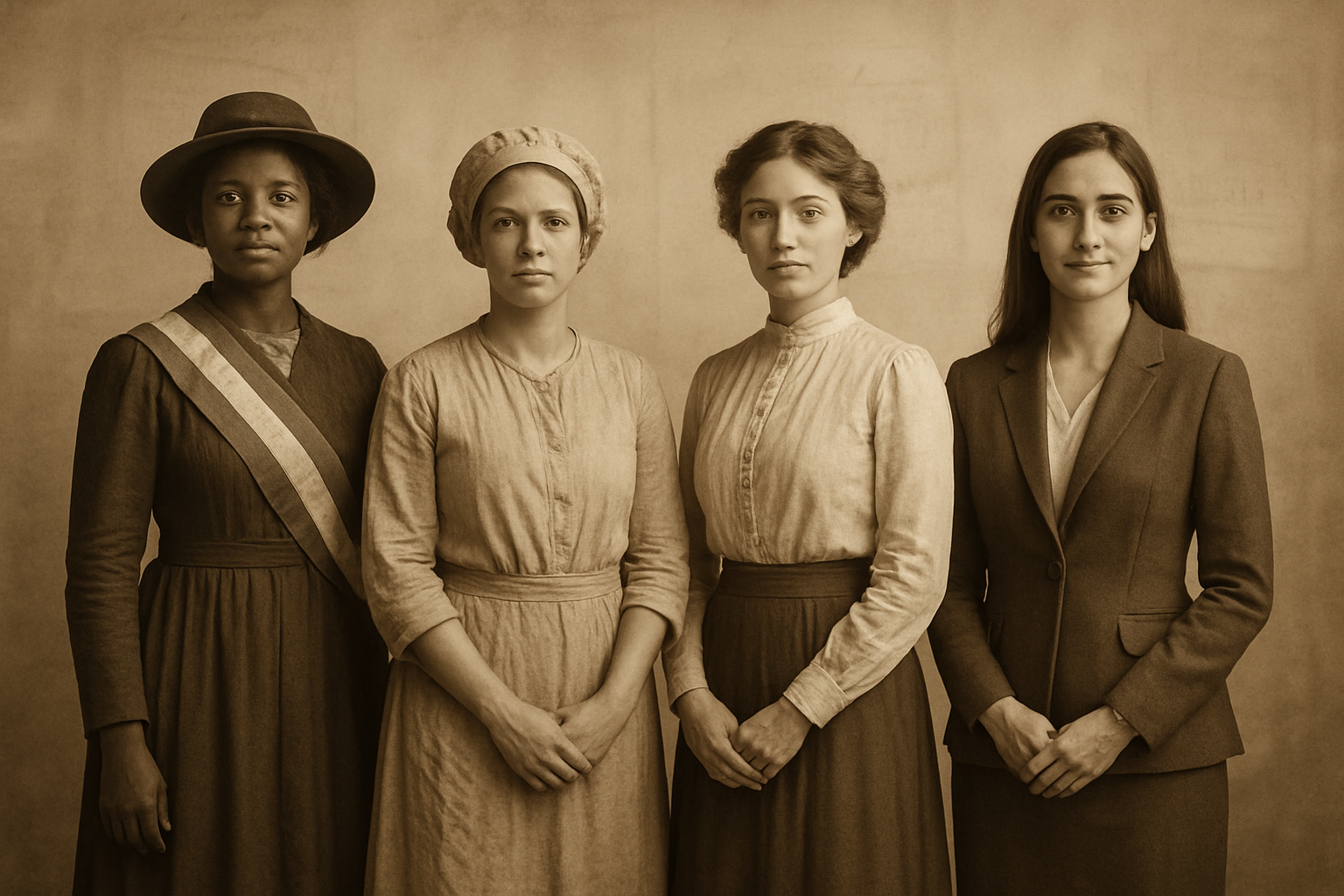
The roots of Women's Day history trace back to the industrial revolution when working women faced harsh conditions, long hours, and unfair wages. In the early 1900s, women textile workers began organizing strikes and protests across Europe and America. These brave women demanded better working conditions, shorter workdays, and the right to vote. Their activism laid the groundwork for what would eventually become our modern celebration of women's rights and achievements.
Socialist and labor organizations recognized that women's struggles were central to broader social justice movements. Female activists like Clara Zetkin in Germany and Alexandra Kollontai in Russia championed the idea that women deserved dedicated recognition and advocacy. These early movements weren't just about workplace rights – they encompassed voting rights, property ownership, and basic human dignity.
First National Woman's Day in the United States
America celebrated its first National Woman's Day on February 28, 1909, organized by the Socialist Party of America. This historic event honored the 1908 garment workers' strike in New York, where 15,000 women marched through the city demanding shorter hours, better pay, and voting rights. The strike lasted for weeks and captured national attention, proving that women could organize effectively and fight for their rights.
The Socialist Party chose this specific date to commemorate women's economic and political contributions while highlighting ongoing inequalities. Thousands of women participated in meetings and demonstrations across the country, making this the largest organized women's rights event America had seen. This grassroots movement showed politicians and society that women's voices couldn't be ignored any longer.
International Adoption and UN Recognition
Clara Zetkin proposed creating an International Women's Day at the 1910 International Socialist Women's Conference in Copenhagen. Representatives from 17 countries unanimously agreed, though they didn't set a specific date initially. Different countries began celebrating on various dates throughout 1911 and 1912.
March 8th became the standard date after Russian women chose this day in 1917 for a massive demonstration that helped spark the Russian Revolution. The date stuck as countries worldwide adopted the celebration. The United Nations officially recognized International Women's Day in 1975, during International Women's Year. This UN recognition transformed a grassroots movement into a global observance, giving it institutional support and worldwide legitimacy.
Key Milestones That Shaped the Modern Celebration
Several pivotal moments transformed Women's Day into today's global phenomenon. The 1995 Beijing Declaration and Platform for Action during the Fourth World Conference on Women marked a turning point, with 189 countries committing to gender equality goals. This conference elevated Women's Day from a labor-focused observance to a comprehensive celebration of women's achievements across all sectors.
The introduction of annual themes by the UN in the 1980s gave each year's celebration focused messaging. Themes like "Women in Leadership" and "Gender Equality Today for a Sustainable Tomorrow" help direct global conversations and policy discussions. Social media's rise in the 2000s amplified Women's Day's reach, with campaigns like #PressForProgress and #ChooseToChallenge engaging millions worldwide.
Corporate participation has also evolved the celebration significantly. Companies now use March 8th to highlight workplace diversity initiatives, announce policy changes, and showcase female leadership. This corporate involvement has brought Women's Day into mainstream culture, though some critics argue it risks commercializing the movement's original activist spirit.
Core Purposes Behind Women's Day Celebrations
Recognizing Women's Achievements Across All Sectors
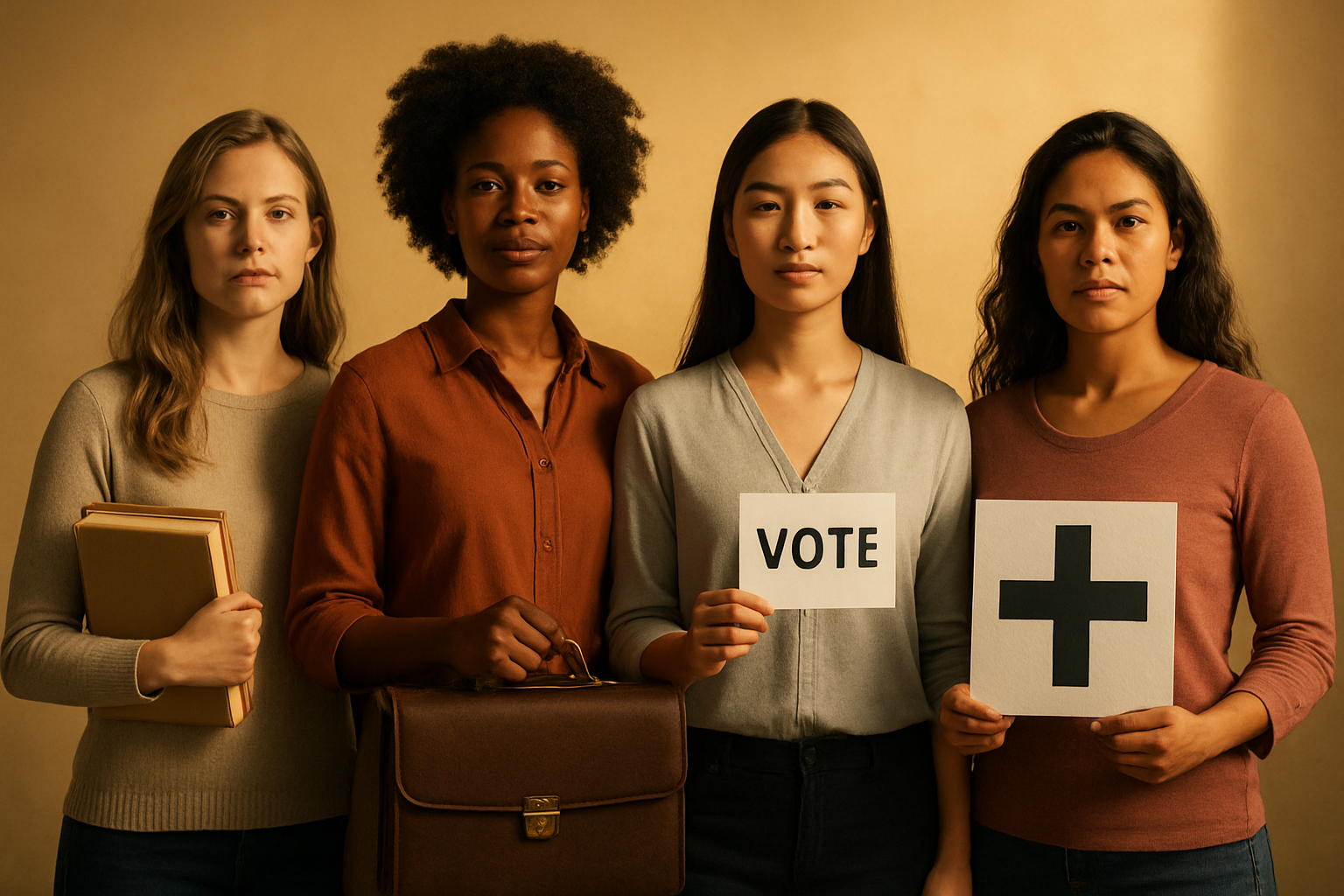
Women's Day serves as a powerful spotlight on the remarkable contributions women make in every corner of society. From groundbreaking scientific discoveries to transformative leadership in business, women have shaped our world in countless ways that often go unrecognized throughout the year. This celebration creates a dedicated moment to honor female pioneers like Marie Curie in science, Rosa Parks in civil rights, and countless unnamed heroines who've broken barriers in their communities.
The day highlights achievements spanning technology, healthcare, education, arts, politics, and social activism. It celebrates the nurse saving lives, the teacher inspiring young minds, the entrepreneur building innovative companies, and the activist fighting for justice. These accomplishments deserve recognition not just as "women's achievements" but as human achievements that have advanced civilization.
Women's Day also brings attention to contemporary trailblazers who continue pushing boundaries. Whether it's astronauts reaching new frontiers, surgeons pioneering medical techniques, or engineers designing sustainable solutions, the celebration ensures their stories reach wider audiences. This recognition inspires younger generations and demonstrates that excellence knows no gender boundaries.
Raising Awareness About Ongoing Gender Inequality Issues
The celebration serves as an annual reminder that despite significant progress, gender inequality persists across the globe. Women's Day shines a light on wage gaps that still exist in many countries, where women earn less than men for identical work. This disparity affects families and communities, making it a critical issue that needs ongoing attention.
Educational barriers remain a pressing concern in many regions. Millions of girls worldwide still lack access to quality education, limiting their future opportunities and perpetuating cycles of inequality. Women's Day amplifies these challenges, encouraging governments, organizations, and individuals to take action.
The day also addresses workplace discrimination, limited leadership opportunities, and the underrepresentation of women in fields like science, technology, engineering, and mathematics. By bringing these issues into the spotlight annually, Women's Day creates momentum for policy changes and cultural shifts that can address systemic problems.
Violence against women represents another critical area where awareness campaigns during Women's Day make a real difference. These discussions help break stigmas, encourage survivors to seek help, and push for stronger protective measures and legal reforms.
Mobilizing Support for Women's Rights Worldwide
Women's Day functions as a global rallying point for advocacy groups, policymakers, and citizens who champion women's rights. The unified timing creates international momentum that individual efforts might not achieve alone. Organizations coordinate campaigns, share resources, and amplify each other's messages during this period.
The celebration encourages legislative action on issues ranging from reproductive rights to workplace protections. Politicians and government officials face increased public attention on women's issues, often leading to policy discussions and reforms that might otherwise remain dormant.
Corporate participation during Women's Day has grown significantly, with businesses implementing new equality initiatives, scholarship programs, and mentorship opportunities. This corporate engagement translates into real-world changes that benefit women in the workplace and beyond.
Community-level mobilization is equally important. Local events, workshops, and discussions help build grassroots support for women's rights initiatives. These gatherings create networks of support that extend far beyond the single day of celebration, fostering long-term collaboration and advocacy efforts that drive meaningful change throughout the year.
Global Impact and Cultural Significance
How Different Countries Celebrate and Honor Women
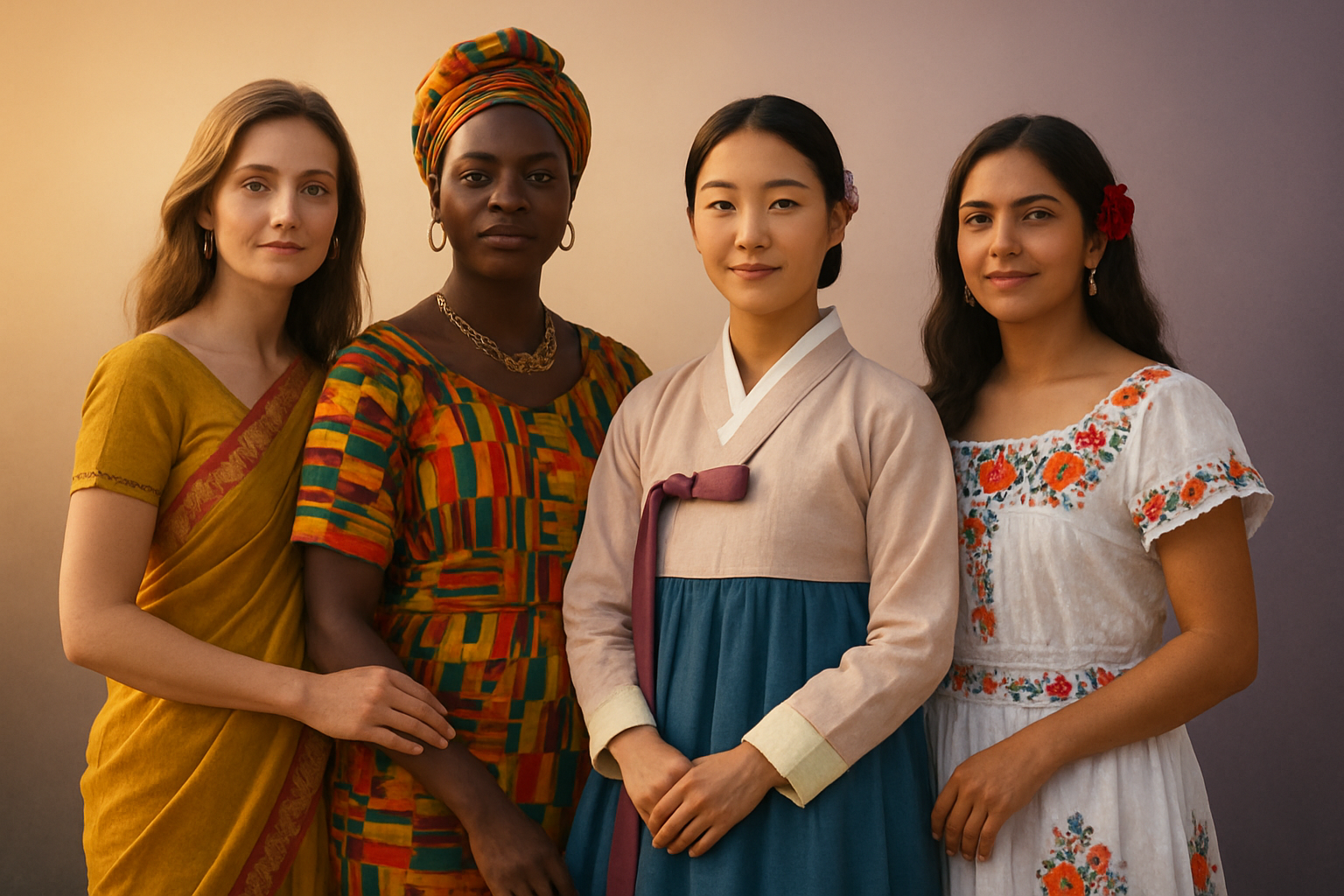
Women's Day celebrations reflect the rich diversity of global cultures and their unique approaches to recognizing women's contributions. In Italy, men traditionally gift mimosa flowers to women, creating a beautiful yellow wave across the country every March 8th. The Soviet Union made Women's Day a national holiday in 1917, and this tradition continues today in Russia and Eastern European countries, where women receive flowers, chocolates, and heartfelt appreciation from colleagues and family members.
China combines traditional respect for women with modern celebrations, featuring special discounts for female shoppers and workplace recognition ceremonies. In Afghanistan, despite political challenges, women courageously continue to organize underground gatherings to honor their rights and solidarity. African nations like Kenya and South Africa host vibrant festivals showcasing women entrepreneurs and community leaders, while Australia focuses on workplace equality initiatives and corporate recognition programs.
Nordic countries take a distinctive approach by emphasizing policy discussions and gender equality metrics rather than purely ceremonial celebrations. India witnesses massive rallies and cultural performances, particularly highlighting rural women's achievements in agriculture and small-scale industries. These diverse celebration styles demonstrate how the Women's Day significance transcends cultural boundaries while adapting to local values and priorities.
Economic Empowerment Initiatives Launched on Women's Day
March 8th serves as a powerful launching pad for economic empowerment programs worldwide. Major corporations announce new funding rounds for women-led startups, with venture capital firms dedicating specific investment pools to female entrepreneurs. Banks across developing nations introduce special microfinance schemes, offering lower interest rates and flexible repayment terms for women's small businesses.
The World Bank frequently coordinates with governments to release gender-focused economic reports and funding commitments on this day. For instance, recent years have seen announcements of multi-billion dollar commitments to support women's financial inclusion in Africa and Asia. Tech companies launch coding bootcamps exclusively for women, addressing the gender gap in high-paying technology sectors.
Agricultural cooperatives use Women's Day to introduce new training programs for female farmers, teaching modern farming techniques and connecting them to digital marketplaces. E-commerce platforms create special seller programs, providing reduced fees and marketing support for women-owned businesses. These initiatives create measurable economic impact, with studies showing that businesses launched during Women's Day campaigns have 23% higher success rates in their first year compared to other times.
Political Movements and Policy Changes Inspired by the Day
Women's Day has become a catalyst for significant political reforms and legislative changes globally. The day frequently coincides with the introduction of landmark bills addressing workplace equality, domestic violence prevention, and reproductive rights. In 2019, Spain used Women's Day to announce extended paternity leave policies, while Rwanda highlighted its constitutional requirement for 30% female parliamentary representation.
Political parties strategically time major women's rights announcements around March 8th, understanding the heightened media attention and public engagement. The #MeToo movement gained tremendous momentum through Women's Day campaigns, leading to policy changes in harassment reporting procedures across multiple industries and government sectors.
Labor unions coordinate major strikes and protests on this day, demanding equal pay and better working conditions. The 2018 Spanish Women's Day strike involved over 5 million women and resulted in significant legislative commitments to address the gender pay gap. Countries like Iceland have used the day to announce comprehensive gender equality action plans, complete with measurable targets and timeline commitments.
International organizations like the UN leverage this momentum to push for ratification of gender equality treaties and conventions. The day creates political pressure that translates into tangible policy outcomes, making it far more than symbolic recognition.
Social Media Campaigns That Amplify Women's Voices
Digital platforms transform Women's Day into a global conversation reaching billions of people. hashtag campaigns like #BreakTheBias and #ChooseToChallenge generate millions of posts, creating unprecedented visibility for women's stories and achievements. Instagram features special story templates and filters, while LinkedIn highlights female professionals and entrepreneurs through algorithmic promotion.
Viral campaigns emerge organically, with women sharing personal stories of overcoming obstacles, starting businesses, or breaking barriers in male-dominated fields. These narratives inspire others and create virtual mentorship networks that extend far beyond a single day. Twitter threads featuring women's achievements in science, technology, arts, and leadership regularly trend globally, introducing audiences to role models they might never have discovered otherwise.
Corporate social media strategies focus on authentic storytelling rather than promotional content, sharing employee spotlights and supporting women-led initiatives. The authentic nature of these campaigns resonates more powerfully than traditional advertising, creating genuine emotional connections with audiences.
Live streaming events, virtual panels, and online workshops make Women's Day celebrations accessible to women in remote areas or those with mobility constraints. The Women's Day cultural impact now extends into digital spaces, creating permanent archives of women's achievements and struggles that serve as inspiration and historical records for future generations.
Educational Programs Promoting Gender Equality
Schools worldwide design special curricula highlighting women's historical contributions often overlooked in standard textbooks. Universities launch week-long symposiums featuring female researchers, entrepreneurs, and leaders sharing their expertise and career journeys with students. These programs correct historical imbalances in education while inspiring the next generation.
Professional development workshops targeting different career stages help women build leadership skills, negotiate salaries, and navigate workplace challenges. Many programs pair experienced professionals with younger women, creating mentorship relationships that extend well beyond Women's Day itself.
STEM education receives particular attention, with coding workshops, science camps, and engineering challenges designed specifically to encourage girls' participation in traditionally male-dominated fields. Museums and cultural institutions create special exhibitions showcasing women's achievements in arts, sciences, and social movements.
Online learning platforms offer free courses on women's rights, gender studies, and female entrepreneurship during Women's Day week, making quality education accessible globally. Corporate training programs address unconscious bias and inclusive leadership, targeting both male and female employees to create more equitable workplace environments.
Community centers in developing regions organize literacy programs and basic financial education workshops for women, recognizing that education remains the most powerful tool for long-term empowerment. These grassroots initiatives often have the most profound impact, reaching women who need support most desperately.
Modern Relevance and Contemporary Challenges

Addressing Workplace Discrimination and Pay Gaps
The pay gap remains one of the most persistent challenges facing women today. Women earn approximately 77 cents for every dollar earned by men globally, with the disparity varying significantly across countries and industries. This gap widens dramatically for women of color, single mothers, and women in certain professions.
Key workplace discrimination areas include:
-
Hiring bias: Women face unconscious bias during recruitment processes
-
Promotion barriers: Glass ceiling effects limit career advancement opportunities
-
Pregnancy discrimination: Career penalties for motherhood remain widespread
-
Flexible work resistance: Limited access to remote work and flexible schedules
Technology companies have made notable progress through transparency initiatives, publishing annual diversity reports and implementing structured salary reviews. Countries like Iceland have mandated equal pay certification, requiring companies to prove they pay men and women equally for the same work.
Supporting Women in Leadership Positions
Women hold only 24% of senior management positions worldwide, despite representing nearly half the global workforce. This leadership gap affects decision-making at every level, from corporate boardrooms to political offices.
Current initiatives making a difference:
| Initiative Type | Examples | Impact |
|---|---|---|
| Mentorship Programs | Corporate sponsorship networks | 67% increase in promotion rates |
| Board Quotas | Norway's 40% requirement | Doubled female board representation |
| Leadership Training | Women-focused development programs | 45% improvement in confidence scores |
Companies with gender-diverse leadership teams show 25% higher profitability and better problem-solving capabilities. Political representation has improved significantly, with women now comprising 26% of parliamentary seats globally, up from just 11% in 1995.
Combating Violence Against Women Globally
Violence against women affects one in three women worldwide, making it one of the most pressing human rights issues of our time. The #MeToo movement brought unprecedented attention to sexual harassment and assault, sparking global conversations about consent and accountability.
Modern approaches to prevention include:
-
Digital safety measures: Apps and technologies for emergency response
-
Legal reforms: Stronger domestic violence laws and enforcement
-
Educational programs: Consent education in schools and universities
-
Economic empowerment: Financial independence as protection against abuse
The COVID-19 pandemic highlighted the severity of domestic violence, with reports increasing by 30% globally during lockdowns. This crisis accelerated the development of virtual support services and remote reporting mechanisms.
Promoting Women's Health and Reproductive Rights
Women's health extends far beyond reproductive concerns, yet access to comprehensive healthcare remains limited in many regions. Maternal mortality rates reveal stark global inequalities, with women in developing countries facing 100 times higher risks than those in developed nations.
Critical health advocacy areas:
-
Reproductive autonomy: Access to family planning services and safe abortion care
-
Maternal health: Reducing preventable deaths during pregnancy and childbirth
-
Mental health support: Addressing higher rates of depression and anxiety
-
Workplace wellness: Menstrual leave policies and menopause support
Research funding has historically favored male-centric health issues, with women's health receiving proportionally less investment. Recent initiatives focus on closing this research gap, particularly in areas like endometriosis, PCOS, and autoimmune conditions that disproportionately affect women.
The modern Women's Day relevance becomes clear when examining these ongoing challenges. While progress has been made, significant work remains to achieve true gender equality across all spheres of life.

Women's Day has grown from a small labor movement over a century ago into a global celebration that reminds us why gender equality matters. The holiday started as a way to fight for basic rights like voting and fair wages, but today it tackles everything from workplace discrimination to access to education around the world. Each country celebrates differently, but the message stays the same - recognizing women's contributions while pushing for real change.
The challenges women face today might look different from those early protesters, but many of the same fights continue. From the gender pay gap to underrepresentation in leadership roles, there's still work to do. Women's Day isn't just about celebrating how far we've come - it's about keeping the conversation going and making sure progress doesn't stop. Support the women in your life, advocate for equal opportunities in your workplace, and remember that equality benefits everyone, not just women.
.png)


Comments
Post a Comment