How To Reset After Easter
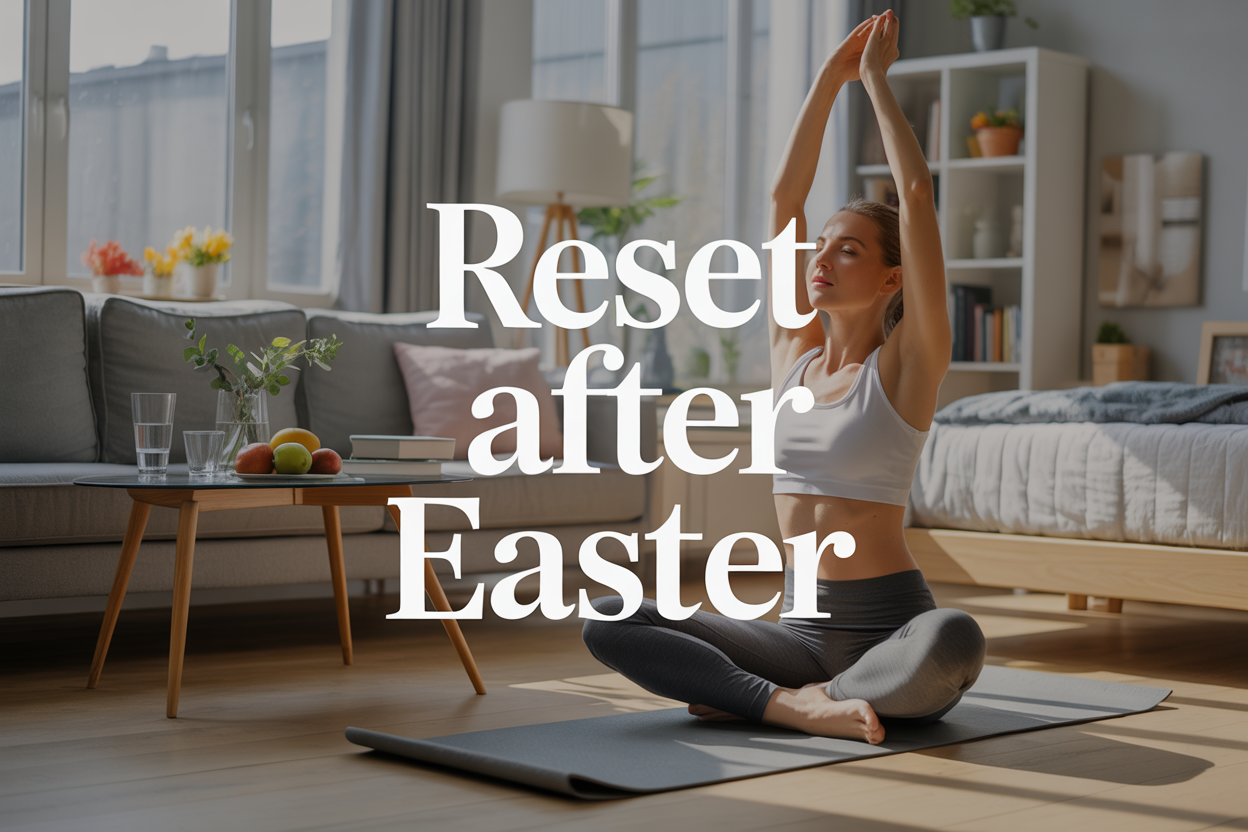
Easter's over, and you're probably feeling the effects of all those chocolate eggs, late nights, and disrupted schedules. If you're someone who went a little overboard during the holiday weekend and now wants to get back on track, you're in the right place.
This guide will help you reset after Easter and bounce back from the holiday hangover. We'll walk through how to detox your body from all those sweet treats and rich meals, plus share practical ways to restore your sleep patterns that got thrown off during the long weekend.
You'll also discover simple strategies to reorganize your living space after the Easter chaos and learn how to refocus your financial goals if holiday spending put a dent in your budget. Ready to reestablish your daily routines and get your post holiday productivity back? Let's dive in.
Detox Your Body from Holiday Indulgences

Eliminate Excess Sugar and Processed Foods
Easter celebrations often leave us with leftover chocolate eggs, sugary treats, and processed snacks that can derail our healthy eating habits. The first step in your post Easter detox is clearing these tempting foods from your kitchen. Start by donating unopened candy to local food banks or offices where coworkers can help finish them off.
Replace sugary cravings with naturally sweet alternatives like fresh berries, dates, or a small piece of dark chocolate with at least 70% cacao content. When your body craves sugar, it's often signaling dehydration or nutrient deficiency rather than actual hunger. Combat processed food cravings by reading labels carefully and choosing items with five ingredients or fewer.
Increase Water Intake to Flush Toxins
Your body needs extra hydration to process the excess sugar and sodium consumed during holiday festivities. Aim for at least 8-10 glasses of water daily, starting with a large glass first thing in the morning. Add lemon slices, cucumber, or fresh mint to make plain water more appealing.
Herbal teas like dandelion root, green tea, and ginger tea provide additional detoxifying benefits while contributing to your daily fluid intake. Avoid sugary drinks, alcohol, and excessive caffeine, which can further dehydrate your system and slow down the detox process.
Incorporate Nutrient-Dense Whole Foods
Focus on foods that actively support your body's natural detoxification processes. Dark leafy greens like spinach, kale, and arugula contain chlorophyll and antioxidants that help cleanse your system. Cruciferous vegetables such as broccoli, cauliflower, and Brussels sprouts support liver function.
Build your meals around these powerhouse foods:
-
Protein sources: Wild-caught fish, organic chicken, beans, and lentils
-
Healthy fats: Avocados, nuts, seeds, and olive oil
-
Fiber-rich options: Quinoa, brown rice, sweet potatoes, and fresh fruits
-
Detoxifying herbs: Cilantro, parsley, turmeric, and garlic
Add Gentle Movement to Boost Metabolism
Physical activity accelerates your body's natural detox processes by increasing circulation and promoting lymphatic drainage. You don't need intense workouts immediately after indulgent holidays. Start with gentle activities that feel good and gradually increase intensity.
Morning walks in fresh air help kickstart your metabolism and improve mood. Yoga poses like twists and inversions specifically support digestion and detoxification. Swimming provides full-body movement without joint stress, while dancing makes exercise feel like fun rather than punishment.
Even simple activities like taking stairs instead of elevators or parking farther from store entrances contribute to your Easter detox body goals. The key is consistency rather than intensity during this holiday recovery tips phase.
Restore Healthy Sleep Patterns
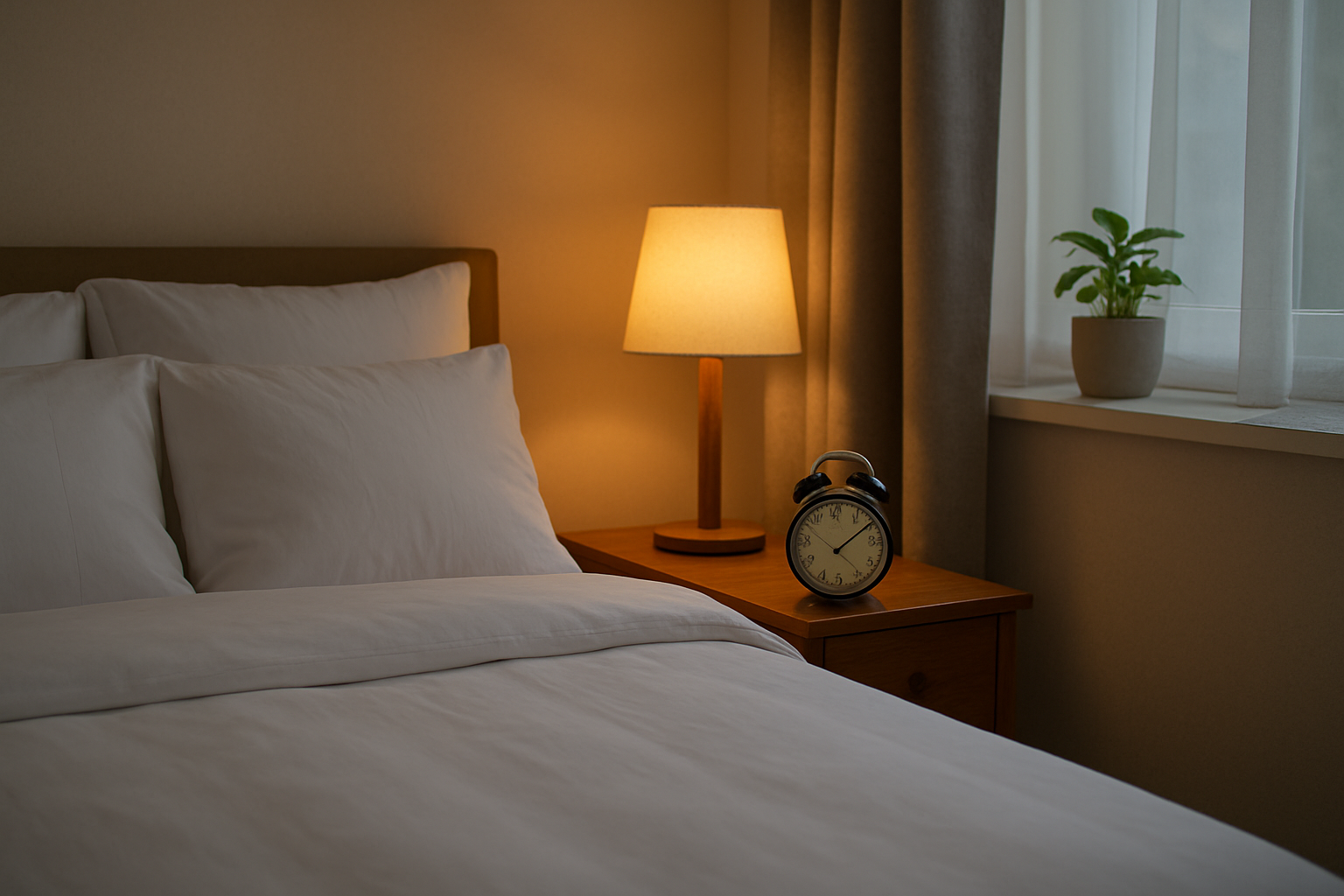
Set Consistent Bedtime and Wake-Up Times
Your body thrives on predictability, and Easter weekend probably threw your sleep schedule completely off track. Late-night family gatherings, sugar-fueled energy crashes, and vacation-mode thinking can leave you feeling like you're living in a different time zone.
Start by choosing a realistic bedtime that works with your lifestyle – not what you think you should do, but what you can actually stick with. If you normally go to bed at 10:30 PM, don't suddenly try for 9 PM. That's a recipe for frustration. Pick your target times and stick with them for at least two weeks, even on weekends.
Your internal clock responds better to gradual changes. If Easter festivities had you staying up until 2 AM, shift your bedtime earlier by 15-30 minutes each night until you reach your goal. This gentle approach helps avoid the grogginess that comes with dramatic schedule changes.
Wake up at the same time every day, regardless of how tired you feel. Yes, even if you had a rough night. This consistency reinforces your natural circadian rhythms and makes falling asleep easier the next evening.
Create a Calming Evening Routine
After days of excitement and overstimulation, your nervous system needs help winding down. A predictable evening routine signals to your brain that sleep time is approaching, making the transition from day to night much smoother.
Start your routine 60-90 minutes before your target bedtime. This gives your body enough time to shift from active mode to rest mode. Your routine doesn't need to be elaborate – simple activities work best.
Try incorporating these calming activities:
-
Take a warm bath or shower to lower your core body temperature
-
Read a few pages of a book (physical books work better than e-readers)
-
Practice gentle stretches or light yoga
-
Write in a journal to clear your mind of tomorrow's worries
-
Listen to soft music or nature sounds
The key is consistency. Pick 2-3 activities you genuinely enjoy and do them in the same order each night. Your brain will start associating these activities with sleep, making it easier to feel drowsy when bedtime arrives.
Limit Screen Time Before Bed
Those holiday photos on social media and late-night Netflix sessions might seem relaxing, but they're sabotaging your ability to restore sleep patterns after holidays. The blue light from screens tricks your brain into thinking it's still daytime, suppressing melatonin production – the hormone that makes you sleepy.
Set a digital curfew at least one hour before bedtime. Put your phone in another room, turn off the TV, and close the laptop. If you absolutely must use devices, invest in blue light blocking glasses or enable night mode on your devices.
Create a charging station outside your bedroom so you're not tempted to scroll through your phone when you can't fall asleep immediately. Replace evening screen time with one of the calming activities from your bedtime routine.
If you use your phone as an alarm clock, buy an actual alarm clock instead. This removes the temptation to check messages or social media if you wake up during the night. Your bedroom should be a sanctuary for sleep, not a extension of your digital life.
Reorganize Your Living Space

Declutter Easter Decorations and Seasonal Items
Pack away those pastel bunnies, egg garlands, and spring wreaths before they start collecting dust. Start by gathering all Easter decorations from around your home - check mantels, tabletops, doorways, and any seasonal displays you created. Sort items into three categories: keep for next year, donate, and toss. Store keepers in clearly labeled containers with tissue paper or bubble wrap for fragile pieces.
Don't forget about seasonal clothing and accessories that served their Easter purpose. Spring dresses, bonnets, and special occasion outfits can be cleaned and stored properly until needed again. This clearing process creates immediate visual relief and prevents your space from feeling stuck in holiday mode.
Deep Clean High-Traffic Areas
Easter gatherings leave their mark on the busiest areas of your home. Focus your deep cleaning efforts on entryways, living rooms, kitchens, and dining areas where family and friends spent the most time. Vacuum upholstery thoroughly, paying attention to crumbs and spills that might have been missed during the holiday rush.
Scrub down surfaces that saw heavy use during meal prep and entertaining. Kitchen counters, stovetops, and dining tables often bear the brunt of holiday cooking marathons. Mop floors with extra attention to sticky spots where Easter egg hunts or candy treats might have left their mark.
Windows deserve special attention too - spring sunlight reveals streaks and smudges that winter's dim light kept hidden. Clean glass surfaces inside and out to maximize natural light and create that fresh, renewed feeling.
Create Organized Systems for Daily Essentials
Reset your daily routine by establishing clear homes for everyday items. Designate specific spots for keys, mail, phone chargers, and other essentials that tend to wander during busy holiday periods. Install hooks near entryways for bags and jackets, and use drawer organizers to keep smaller items contained.
Your kitchen needs special attention after holiday cooking chaos. Reorganize pantry shelves, grouping similar items together and checking expiration dates on products that may have been pushed to the back. Set up systems that make healthy eating easier - dedicate space for fresh fruits and vegetables where they're visible and accessible.
Bathroom organization plays a crucial role in smooth morning routines. Clear countertops of products you don't use daily, and create designated spaces for toothbrushes, medications, and grooming essentials.
Refresh Your Environment with Spring Elements
Bring the renewal of spring indoors by incorporating natural elements that energize your space. Fresh flowers or potted plants instantly lift the mood and improve air quality. Choose low-maintenance options like pothos, snake plants, or fresh herbs that serve double duty in cooking.
Swap heavy winter textiles for lighter fabrics in spring colors. Replace thick throw blankets with cotton versions, and consider switching pillow covers to brighter, more cheerful patterns. These small changes create visual freshness without major expense.
Open windows when weather permits to circulate fresh air and remove any lingering cooking odors from holiday meals. The simple act of letting spring air flow through your home creates an instant sense of renewal and marks the transition from holiday mode back to everyday living.
Natural light works wonders for mood and energy levels. Remove heavy window treatments or tie back curtains to maximize sunlight exposure throughout your living spaces.
Refocus Your Financial Goals
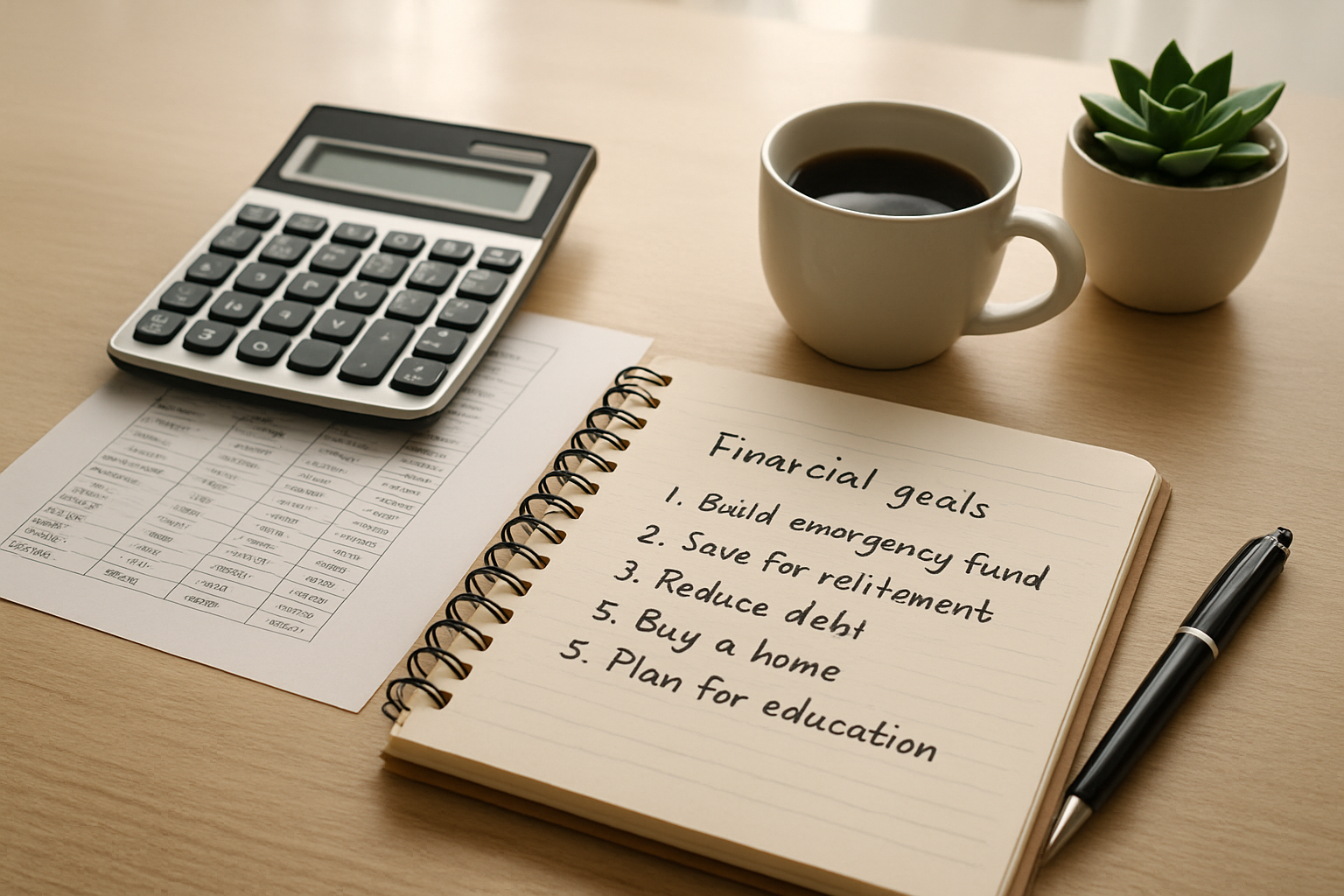
Review Holiday Spending and Assess Damage
The first step to refocus your financial goals after Easter is taking an honest look at your spending patterns during the holiday season. Pull out your credit card statements, bank records, and receipts from the past month to get a clear picture of where your money went. Don't just focus on obvious Easter expenses like chocolate eggs and family dinners – include everything from extra gas for travel, special outfits, decorations, and those spontaneous purchases that happen when you're in celebration mode.
Create a simple spreadsheet or use your phone's notes app to categorize your spending: food and dining, gifts, travel, entertainment, and miscellaneous items. This isn't about judging yourself harshly – it's about gathering data to make informed decisions moving forward. Many people are surprised to discover they spent 20-30% more than usual during holiday periods, and Easter can be particularly sneaky since it often involves multiple gatherings and events.
Once you've tallied everything up, compare it to your regular monthly spending. This comparison gives you the real "damage assessment" and helps you understand exactly how much extra you need to account for in your recovery plan.
Create a Realistic Budget for the Coming Months
Armed with your spending analysis, you can now craft a budget that acknowledges your current financial reality while setting you up for success. Start by calculating how much extra you spent during Easter and divide that amount by three or four months – this gives you a manageable timeline to get back on track without creating additional stress.
Your post-Easter budget should include three key components: essential expenses, debt payments (if you used credit cards), and a modest amount for enjoyment so you don't feel completely restricted. The key word here is "realistic" – creating an overly strict budget often leads to giving up entirely within a few weeks.
Consider implementing the 50/30/20 rule as a foundation: 50% for needs (rent, utilities, groceries), 30% for wants (dining out, entertainment), and 20% for savings and debt repayment. If your Easter spending threw off this balance, temporarily adjust to something like 55/25/20 until you've recovered.
Look for areas where you can naturally cut back without feeling deprived. Maybe you meal prep more often, choose streaming over movie theaters, or find free activities for weekend fun. Small adjustments in multiple categories often work better than dramatic cuts in one area.
Set Up Automatic Savings to Rebuild Reserves
The most effective way to rebuild your financial reserves is to make saving automatic and effortless. Contact your bank or use their mobile app to set up automatic transfers from your checking to savings account. Even if you can only manage $25-50 per week initially, consistency matters more than the amount.
Choose a transfer date that aligns with your pay schedule – ideally, set it for the day after you receive your paycheck. This "pay yourself first" approach ensures your savings goal gets priority before other expenses have a chance to consume your available funds.
Consider setting up separate automatic savings for different goals: one for your emergency fund, another for next year's holidays, and perhaps a third for a specific goal like a vacation or major purchase. Many banks allow you to create multiple savings accounts with different names, making it easier to track progress toward specific objectives.
Start with a modest amount and gradually increase it as your budget stabilizes. You can always adjust the transfer amount up or down based on your monthly review, but having the automation in place removes the decision fatigue and temptation to skip saving altogether.
Reestablish Daily Routines and Productivity

Prioritize Essential Tasks and Commitments
Getting back on track after Easter means cutting through the noise and focusing on what truly matters. Start by doing a brain dump of everything on your plate - work projects, personal commitments, family obligations, and upcoming deadlines. Write it all down without judgment.
Now comes the tough part: ruthlessly prioritizing. Ask yourself which tasks directly impact your most important goals or have real deadlines that can't be moved. These become your non-negotiables. Everything else can wait or be delegated.
Use the 80/20 rule as your guide - 20% of your tasks typically produce 80% of your results. Identify those high-impact activities and tackle them when your energy is highest. This approach helps you reestablish daily routines without feeling overwhelmed by an endless to-do list.
Plan Weekly Meal Prep and Grocery Shopping
After days of chocolate eggs and holiday feasts, your kitchen probably needs a complete reset. Planning your meals ahead of time removes daily decision fatigue and keeps you from grabbing whatever's convenient (usually not the healthiest choice).
Pick one day each week - Sunday works well for most people - to plan your meals and create a detailed grocery list. Look at your calendar first to see which nights you'll need quick meals versus when you have time to cook something more involved.
Batch cooking saves massive amounts of time during busy weekdays. Prepare proteins like grilled chicken or baked salmon, chop vegetables, and cook grains in larger quantities. Store everything in clear containers so you can quickly assemble balanced meals throughout the week.
Don't forget to include healthy snacks in your planning. Having cut vegetables, nuts, or Greek yogurt readily available prevents those moments when you reach for leftover Easter candy out of pure hunger.
Schedule Regular Exercise and Self-Care Time
Your body craves movement after holiday sluggishness, but jumping back into intense workouts often leads to burnout or injury. Start with gentle activities like walking, yoga, or swimming to rebuild your exercise habit gradually.
Block specific times in your calendar for movement, just like any other important appointment. Morning workouts often work best because they're less likely to get pushed aside by unexpected demands. Even 20-30 minutes makes a significant difference in your energy levels and mood.
Self-care isn't selfish - it's essential for maintaining productivity and mental clarity. This might look like reading before bed, taking relaxing baths, practicing meditation, or simply sitting quietly with your morning coffee. The key is consistency, not perfection.
Set Boundaries Around Social Obligations
Easter season often brings a packed social calendar, and you might feel obligated to say yes to every invitation. Learning to say no gracefully protects your time and energy for what matters most.
Before automatically accepting social invitations, pause and consider whether they align with your current priorities and energy levels. You can decline politely by saying something like, "Thank you for thinking of me, but I'm focusing on some personal goals right now."
Create a simple system for evaluating social commitments. Ask yourself: Does this bring me joy? Will I regret missing it? Does it support relationships that matter to me? If the answer is no to all three, it's probably safe to skip.
Create Accountability Systems for Important Goals
Having someone or something hold you accountable dramatically increases your chances of sticking to new habits and achieving your goals. This doesn't mean finding someone to nag you - it means creating supportive structures that keep you on track.
Share your goals with a trusted friend or family member who will check in on your progress regularly. Many people find success with workout buddies, meal prep partners, or even virtual accountability through apps and online communities.
Track your progress visually using a simple habit tracker, calendar marks, or progress photos. Seeing your streak of consistent days builds momentum and makes it harder to break the chain. Start small with easily achievable daily actions that compound over time into significant results.

Easter celebrations often leave us feeling a bit off-track, but getting back to our normal rhythm doesn't have to be overwhelming. The key is taking it one step at a time - start by drinking more water and eating lighter meals to help your body bounce back from all those chocolate eggs and holiday treats. Fix your sleep schedule by going to bed and waking up at consistent times, and tackle that post-holiday mess in your home by decluttering and creating organized spaces that make you feel refreshed.
Now's the perfect time to check in with your finances and see how the holiday spending affected your budget, then make any needed adjustments to get back on track with your money goals. Most importantly, ease back into your daily routines without being too hard on yourself - small, consistent changes will help you regain your productivity and energy. Remember, everyone needs time to reset after the holidays, so be patient with yourself as you work your way back to feeling your best.
.png)


Comments
Post a Comment