Meaning of the Easter Symbols
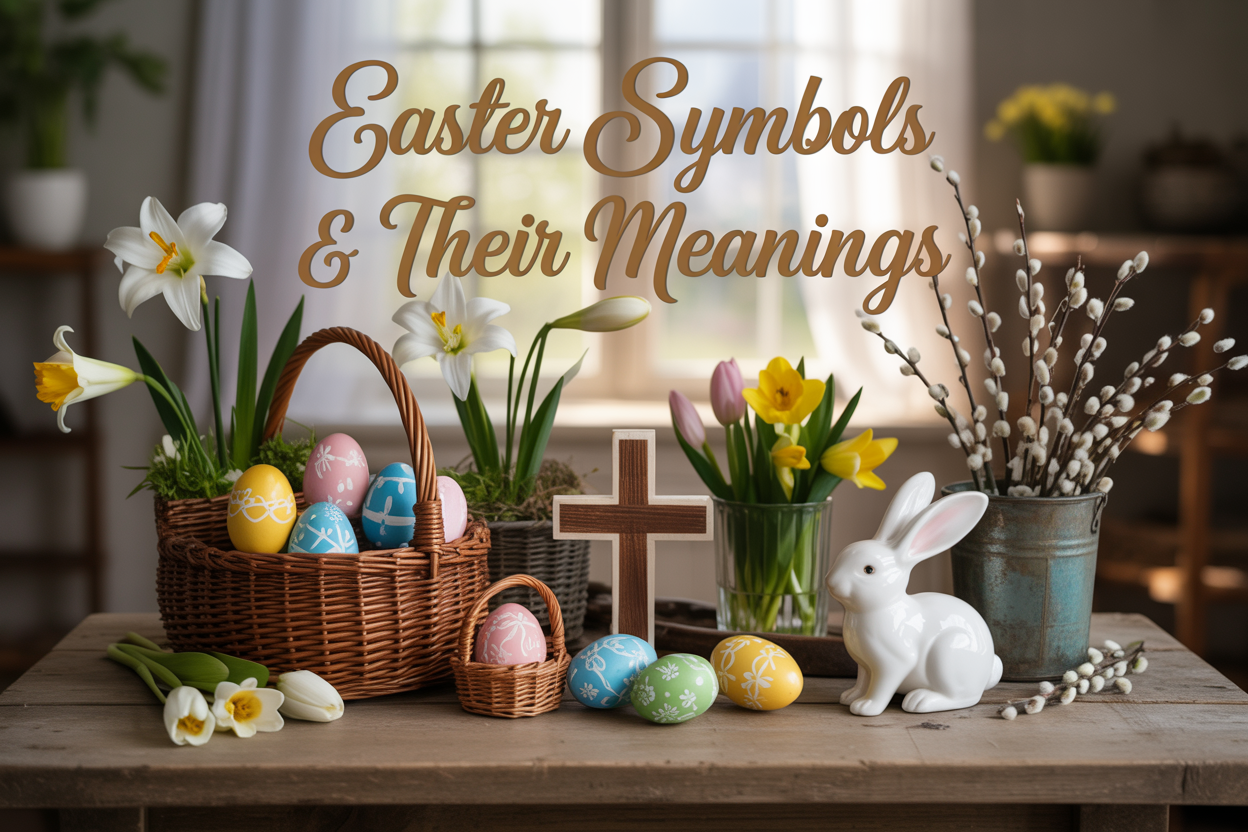
Easter symbols carry deep meanings that connect us to centuries of faith, hope, and renewal. This guide is for Christians, families, and anyone curious about the spiritual significance of Easter traditions who wants to understand what these beloved symbols truly represent.
Easter symbols meaning goes far beyond colorful decorations and fun activities. Each symbol tells a story of sacrifice, resurrection, and new life that forms the heart of Christian celebration. From ancient religious Easter symbols like the cross and lamb to traditional Easter animals like the Easter bunny, these images speak to our deepest spiritual truths.
We'll explore the sacred meanings behind religious Easter symbols that have guided believers for generations. You'll discover how Easter egg symbolism connects to rebirth and eternal life, and learn about the spiritual significance of Easter through nature's own symbols of renewal. We'll also look at how modern traditions have evolved while keeping their connection to these timeless messages of hope and transformation.
Religious Easter Symbols and Their Sacred Meanings
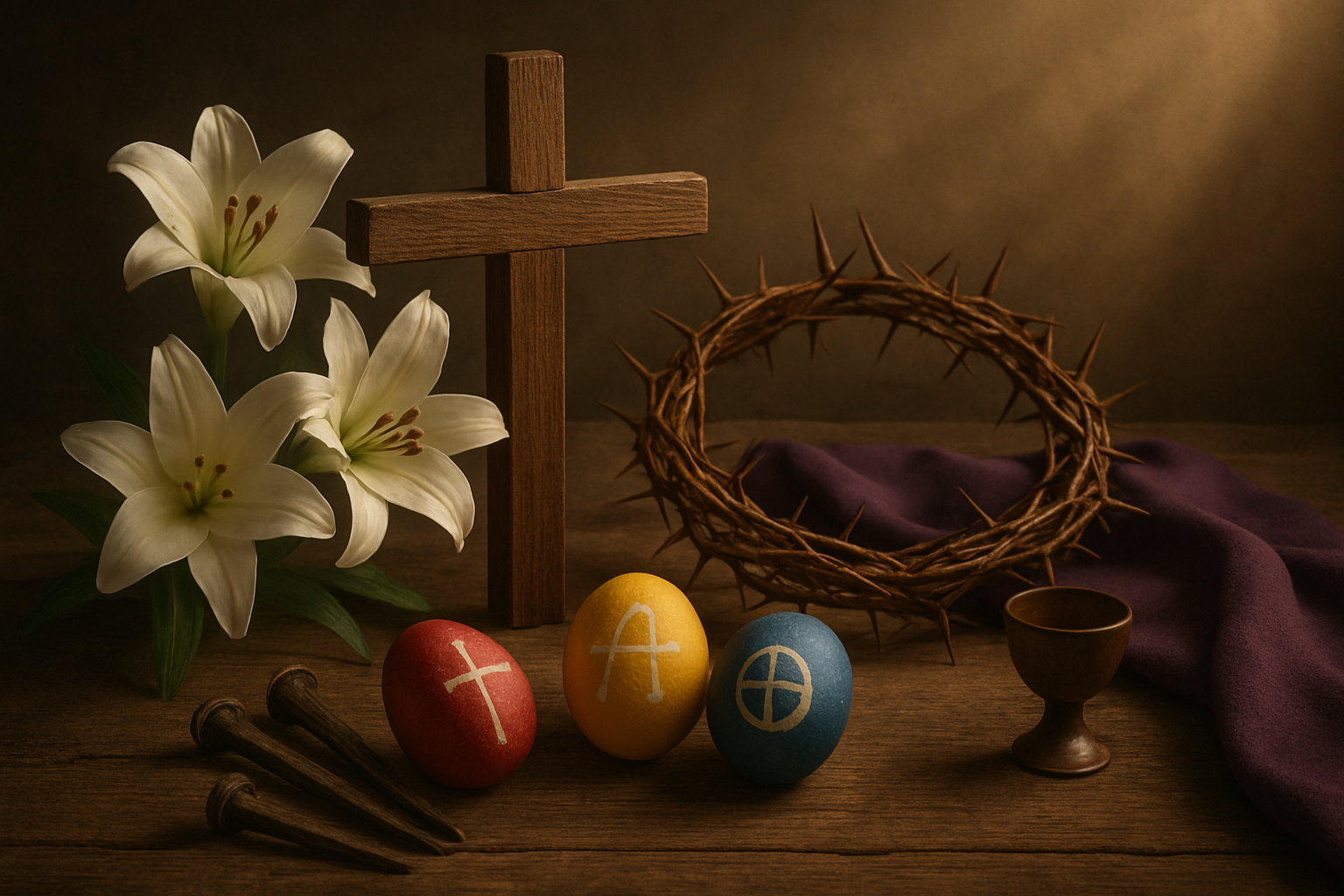
The Cross as the Ultimate Symbol of Sacrifice and Redemption
The cross stands as Christianity's most powerful and recognizable symbol, carrying profound meaning that extends far beyond its simple wooden structure. This Easter cross symbolism represents the ultimate sacrifice made for humanity's salvation, transforming an instrument of death into a beacon of hope and eternal life.
During Easter, the cross takes on heightened significance as Christians reflect on the crucifixion and resurrection of Jesus Christ. The vertical beam represents the connection between heaven and earth, while the horizontal beam symbolizes the bridge between humanity and divine forgiveness. This intersection point becomes sacred space where divine love meets human need.
Many churches display empty crosses during Easter celebrations, emphasizing that Christ is no longer bound by death. The empty cross differs dramatically from a crucifix, which shows Christ's suffering body. Both serve important purposes, but the empty cross specifically celebrates the victory over death that Easter commemorates.
Easter Lilies Representing Purity and Resurrection
White Easter lilies bloom naturally during spring, making them perfect symbols for resurrection and new life. These religious Easter symbols have adorned churches for centuries, their pure white petals representing Christ's sinless nature and the hope of eternal life promised through his resurrection.
The lily's growth pattern holds deep symbolic meaning. The bulb lies dormant underground through winter's darkness, then emerges with stunning beauty when spring arrives. This mirrors Christ's three days in the tomb before rising gloriously on Easter morning.
Biblical references strengthen the lily's connection to Easter symbolism. Jesus spoke of lilies in the Sermon on the Mount, noting how God clothes them with greater splendor than Solomon's royal garments. This connection emphasizes divine care and the beauty that comes from trusting in God's providence.
Churches often place Easter lilies near the altar during services, creating visual reminders of resurrection hope. The sweet fragrance fills worship spaces, engaging multiple senses in the Easter celebration. Many families take home potted lilies after services, extending the symbol's meaning into their personal spaces.
The Empty Tomb Symbolizing Victory Over Death
The empty tomb represents Christianity's central miracle and the foundation of Easter faith. Unlike other religious leaders whose graves become pilgrimage sites, Christ's tomb remains significant precisely because it's empty. This spiritual significance of Easter centers on the reality that death has been defeated.
Gospel accounts describe women discovering the empty tomb on Easter morning, finding only burial cloths left behind. The stone had been rolled away, not to let Jesus out, but to let witnesses in to see that death had been conquered. This empty space becomes a symbol of infinite possibility and hope.
Archaeological sites in Jerusalem draw millions of visitors who want to see locations associated with Christ's burial and resurrection. Whether or not any specific site represents the actual tomb, the symbol's power remains unchanged. The empty tomb reminds believers that physical death is not the final chapter.
Churches often create empty tomb displays during Easter services, using simple materials to represent the cave where Christ's body was placed. These visual representations help congregations connect with the historical reality while celebrating its ongoing spiritual impact.
Palm Branches Commemorating Christ's Triumphant Entry
Palm branches carry rich symbolism dating back to ancient times when they represented victory, peace, and eternal life. During Christ's triumphant entry into Jerusalem, crowds waved palm branches while shouting "Hosanna," creating a scene that churches worldwide recreate during Palm Sunday services.
The choice of palm branches wasn't accidental. These trees grow in harsh desert conditions yet remain green and fruitful, symbolizing the righteous person who thrives despite difficult circumstances. Their long lifespan represents eternal life, while their ability to bend without breaking symbolizes faithful endurance through trials.
Traditional Easter symbols like palm branches connect modern believers to biblical events. Many churches distribute palm fronds during services, allowing congregations to physically participate in recreating Christ's reception. Children especially enjoy waving these branches while singing hosanna songs.
The transformation from celebration to crucifixion within one week adds complexity to palm branch symbolism. The same crowds that welcomed Christ with palm branches later called for his crucifixion. This reminds believers that true discipleship requires more than momentary enthusiasm – it demands lasting commitment through both triumph and suffering.
Traditional Easter Animals and Their Spiritual Significance
The Easter Lamb Embodying Innocence and Divine Sacrifice
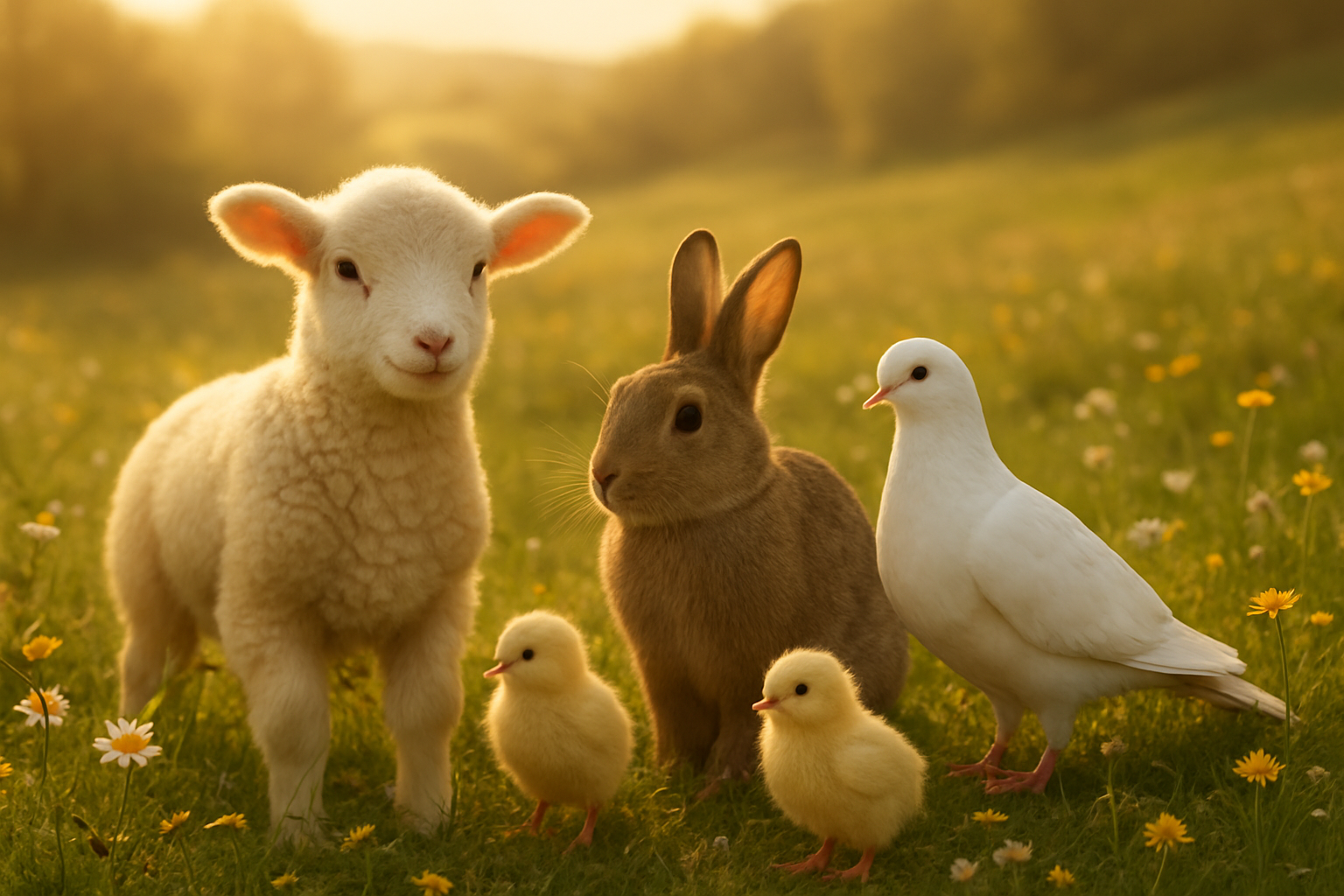
The lamb stands as one of the most powerful traditional Easter symbols, carrying deep spiritual significance that reaches back to ancient religious practices. In Christian tradition, the lamb represents Jesus Christ's ultimate sacrifice, embodying perfect innocence and purity. This symbolism connects directly to the Jewish Passover, where the sacrificial lamb protected families from divine judgment.
The Easter lamb's white fleece symbolizes the sinless nature of Christ, while its gentle disposition reflects divine mercy and compassion. Early Christians adopted this imagery to help explain the concept of redemptive sacrifice to converts from various cultural backgrounds. The lamb's vulnerability yet willingness to be led represents humanity's need for salvation and Christ's willing acceptance of suffering.
Many Eastern European cultures still prepare lamb-shaped bread or cakes during Easter celebrations, blessing them in church services. These edible representations serve as reminders of the spiritual nourishment provided through Christ's sacrifice. The tradition creates a tangible connection between physical sustenance and spiritual renewal.
Doves as Messengers of Peace and Holy Spirit
Doves carry profound spiritual significance as Easter animals, representing the Holy Spirit's presence and divine peace. Their white plumage symbolizes purity and holiness, while their gentle nature embodies the peace that Christ's resurrection brings to believers. Biblical accounts describe the Holy Spirit descending like a dove during Jesus's baptism, establishing this bird as a sacred messenger.
The dove's ability to return home from great distances makes it a powerful symbol of the soul's journey back to God. During Easter celebrations, many churches release white doves to symbolize the ascending of Christ and the hope of eternal life. This practice visually represents the spiritual freedom that Easter promises to believers.
Their monogamous mating patterns also represent faithful love and devotion, qualities that Christians are called to embody in their relationship with God and each other. The soft cooing of doves creates a peaceful atmosphere that many associate with prayer and meditation.
Fish Symbols Connecting to Early Christian Identity
Fish symbols hold special meaning in Easter symbols Christianity, serving as one of the earliest secret signs used by persecuted Christians. The Greek word for fish, "ichthys," forms an acronym representing "Jesus Christ, Son of God, Savior" in ancient Greek. This clever code allowed believers to identify each other safely during times of persecution.
The fish's connection to Easter stems from several Gospel accounts where Jesus performed miracles involving fish, including feeding thousands and calling disciples who were fishermen. After His resurrection, Jesus cooked fish for His disciples, demonstrating His physical return and continued care for them.
Water baptism, often performed during Easter season, connects to the fish's aquatic habitat. New believers emerge from baptismal waters like fish, symbolizing their new life in Christ. The fish's ability to thrive underwater represents the Christian's capacity to live spiritually while remaining in the physical world.
Many Christian families display fish symbols during Easter as reminders of their faith's ancient roots and the courage of early believers who risked everything to follow Christ.
Easter Eggs and Their Hidden Symbolic Power
Eggs as Ancient Symbols of New Life and Rebirth
Long before Christianity adopted the egg as an Easter egg symbolism, ancient civilizations recognized eggs as powerful symbols of creation and renewal. The simple oval shape contains the mystery of life itself – a complete world waiting to emerge. In many cultures, eggs represented the cosmic egg from which all existence sprang forth.
The Easter symbols meaning behind eggs traces back thousands of years. Ancient Egyptians and Persians exchanged decorated eggs during spring festivals, believing them to carry the essence of new beginnings. When early Christians sought symbols to represent Christ's resurrection, the egg became perfect metaphor. Just as a chick breaks free from its shell to begin life, Jesus emerged from the tomb, conquering death and offering eternal life to believers.
This transformation makes eggs one of the most profound religious Easter symbols. The hard shell represents the sealed tomb, while the life emerging from within symbolizes Christ's victory over death. Early Christians in Mesopotamia began dyeing eggs red to represent the blood of Christ, creating one of Christianity's oldest Easter traditions.
The egg's symbolism extends beyond resurrection to encompass spiritual rebirth and renewal. For Christians, Easter eggs remind us that we too can experience new life through faith, breaking free from the shells of our old selves to embrace spiritual transformation.
Decorated Eggs Representing Joy and Celebration
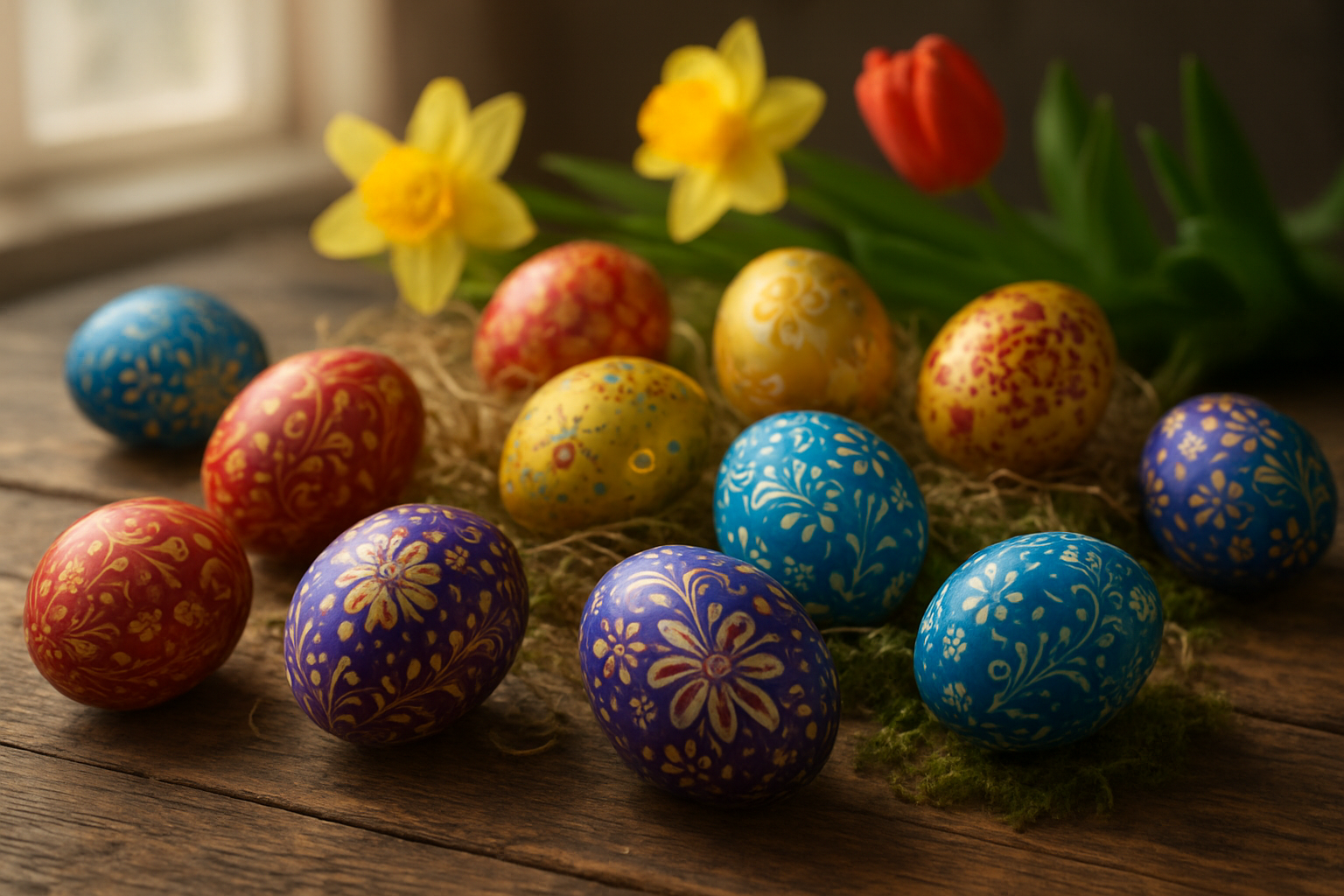
Decorating eggs transforms these simple symbols into vibrant expressions of Easter joy. The practice of creating ornate Easter eggs celebrates not just resurrection, but the beauty and abundance of God's creation. Each carefully painted design, every delicate pattern, reflects the artistry believers put into honoring this sacred season.
The colors chosen for decorated eggs carry deep spiritual significance of Easter. Red represents Christ's blood and sacrifice, while gold symbolizes divine light and glory. Purple recalls Jesus's royal nature, and green speaks to new growth and eternal life. White eggs symbolize purity and the cleansing power of resurrection, making them popular choices for Easter celebrations.
Different cultures have developed unique decorating traditions that enhance these Easter symbols and their meanings. Ukrainian pysanky eggs feature intricate wax-resist patterns that tell biblical stories through symbols. Greek Orthodox traditions include deep red eggs that commemorate Christ's blood, while Polish pisanki showcase elaborate folk art designs.
The act of decorating eggs becomes a form of prayer and meditation. Families gathering to create these beautiful objects share in the joy of Easter preparation. Children learning these traditions connect with centuries of believers who found hope and celebration in transforming simple eggs into works of art that honor the risen Christ.
The Tradition of Egg Hunts Symbolizing the Search for Christ
Easter egg hunts represent more than childhood fun – they embody the spiritual journey of seeking and finding Christ. The carefully hidden eggs mirror how God's truth often lies concealed in everyday life, waiting for those who search with sincere hearts to discover divine presence and meaning.
This beloved tradition reflects the disciples' experience on Easter morning. Just as children eagerly search for hidden treasures, the disciples sought their missing Lord, not knowing they would find Him gloriously resurrected. The joy of discovery during egg hunts echoes the overwhelming happiness the disciples felt when they encountered the living Christ.
The hiding and seeking pattern teaches important spiritual lessons. Easter symbols Christianity embraces include this metaphor of divine hide-and-seek, where God remains present but requires active searching to find. Children racing to find eggs learn that the best treasures require effort, patience, and determination – qualities essential for spiritual growth.
Parents hiding eggs take on roles similar to God preparing blessings for His children. The eggs placed in obvious spots represent God's easily recognized gifts, while those requiring more careful searching symbolize deeper spiritual truths that reward persistent seekers. The excitement and anticipation children feel mirrors the joy believers experience when discovering new aspects of their faith.
Modern egg hunts often culminate in sharing discoveries with others, teaching children that spiritual treasures multiply when shared rather than hoarded, reflecting Christ's teachings about generous love and community.
Nature-Based Easter Symbols Celebrating Renewal
Spring Flowers Marking the Season of Resurrection
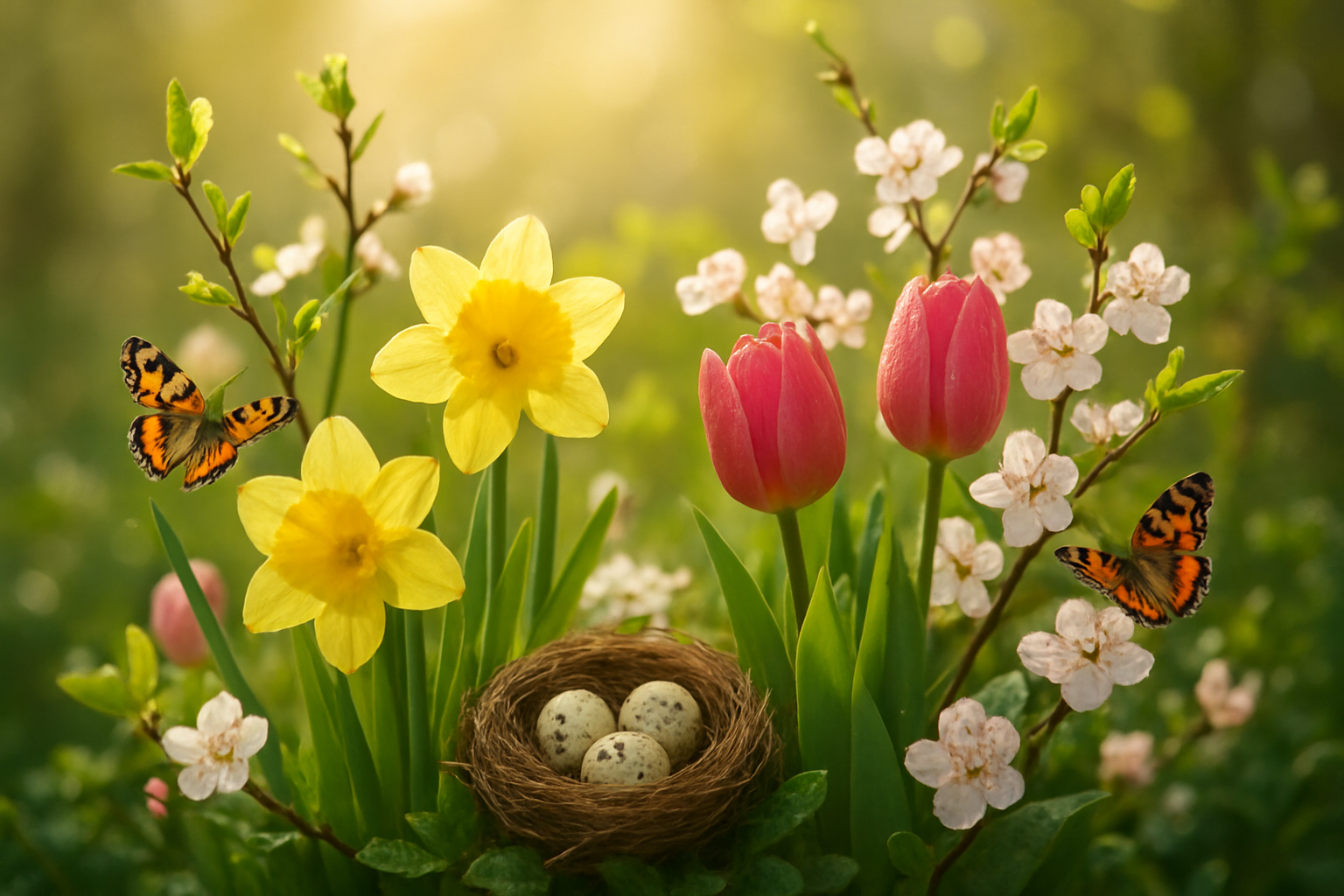
Spring flowers hold profound spiritual significance in Easter symbols and their meanings, representing the triumphant emergence of life after winter's death. Daffodils, tulips, and crocuses push through frozen ground to bloom precisely when Easter arrives, creating a natural metaphor for Christ's resurrection. These vibrant blossoms serve as living reminders that life conquers death, hope overcomes despair, and beauty emerges from darkness.
The timing of these flowers aligns perfectly with Easter's message of renewal. Churches often decorate their sanctuaries with Easter lilies, whose pure white petals symbolize Christ's purity and the promise of eternal life. The lily's trumpet shape represents the angel's announcement of the resurrection, while its sweet fragrance fills sacred spaces with the essence of divine grace.
Cherry blossoms and apple flowers carry their own spiritual weight, representing new beginnings and the fruitfulness that comes from faith. These delicate blooms remind believers that spiritual growth requires patience and trust in divine timing, just as flowers must endure winter before experiencing spring's glory.
Butterflies Demonstrating Transformation and New Life
The butterfly stands as one of the most powerful Easter symbols meaning transformation and resurrection. This remarkable creature's lifecycle mirrors the Christian journey from death to new life through three distinct stages: caterpillar, chrysalis, and butterfly. The caterpillar represents earthly life, the chrysalis symbolizes death and burial, and the butterfly embodies resurrection and eternal life.
Early Christians embraced butterfly symbolism because it perfectly illustrated Christ's transformation from mortality to immortality. The butterfly's emergence from its cocoon parallels Christ's emergence from the tomb, both representing victory over death and the promise of new life. Children particularly connect with this symbol because they can observe the transformation process firsthand in nature.
Different butterfly species carry unique meanings within Easter celebrations. The Monarch butterfly, with its orange and black wings, represents the journey between earthly and spiritual realms. White butterflies symbolize purity and divine grace, while colorful varieties represent the joy and celebration that accompanies spiritual rebirth. Many families release butterflies during Easter services as a visual prayer of transformation and hope.
Green Plants and Trees Symbolizing Eternal Life
Green vegetation holds central importance in traditional Easter symbols, representing the eternal life promised through Christ's resurrection. Evergreen trees like pine, fir, and cedar maintain their vibrant color throughout winter, symbolizing the unchanging nature of divine love and the promise of everlasting life. These trees remind believers that spiritual life persists even during the darkest seasons.
Palm branches carry special significance, commemorating Christ's triumphant entry into Jerusalem on Palm Sunday. The fresh green palms waved by crowds represent victory, peace, and the welcoming of divine presence. Many churches preserve palm fronds from Palm Sunday services throughout the year, using them as bookmarks and prayer reminders.
New grass sprouting in spring represents fresh starts and spiritual renewal. The bright green shoots pushing through last year's dead vegetation create a natural symbol of resurrection power. Wheat and barley, which begin growing in spring, symbolize the bread of life and spiritual nourishment that sustains believers through their faith journey.
Sunrise Services Representing Light Conquering Darkness
Easter sunrise services capture the essence of spiritual significance of Easter through the powerful symbol of dawn breaking over darkness. These early morning gatherings recreate the experience of the women who discovered Christ's empty tomb at daybreak, finding hope where they expected only sorrow. The rising sun represents Christ as the light of the world, dispelling the darkness of sin and death.
The transition from night to day during sunrise services provides a tangible experience of transformation that mirrors the resurrection story. As darkness gradually gives way to light, worshippers witness a daily miracle that points to the greater miracle of Easter morning. The first rays of sunlight streaming across the landscape create natural cathedral spaces where heaven seems to touch earth.
Many sunrise services take place in outdoor settings like hilltops, beaches, or gardens, connecting worshippers with the natural world that celebrates renewal. The cool morning air, singing birds, and fresh spring scents enhance the spiritual experience, making the resurrection story feel immediate and real. These services often conclude as full daylight arrives, symbolizing the complete victory of light over darkness that Easter represents.
Modern Easter Symbols and Their Cultural Evolution
The Easter Bunny as a Symbol of Fertility and Abundance
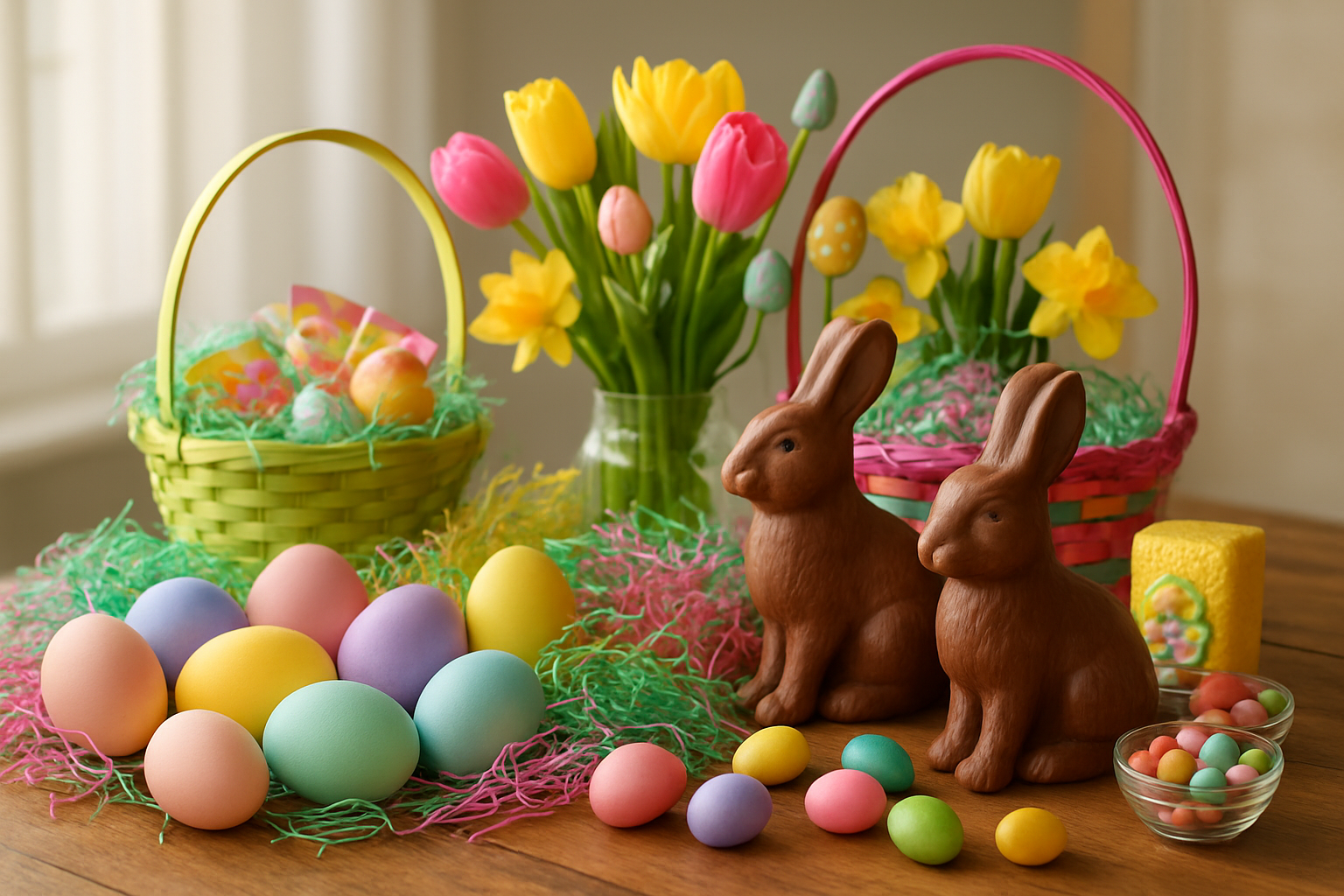
The Easter bunny meaning traces back to ancient Germanic and Anglo-Saxon traditions, where rabbits represented fertility and new life. This beloved modern symbol perfectly captures the spring season's essence of renewal and abundance. Rabbits reproduce rapidly and give birth to large litters, making them natural emblems of fertility across many cultures.
When German immigrants brought their Easter Hare traditions to America in the 1700s, the symbol evolved into the cuddly Easter bunny we know today. Children would make nests for the Easter Hare to fill with colored eggs, much like leaving cookies for Santa. The bunny's association with Easter eggs created a powerful combination - both symbols representing new beginnings and the promise of life.
The Easter bunny also embodies nature's awakening after winter's dormancy. Just as rabbits emerge from their burrows in spring, Easter celebrates humanity's spiritual emergence from darkness into light. This connection between physical and spiritual renewal makes the Easter bunny more than just a cute mascot - it's a bridge between ancient fertility celebrations and Christian resurrection themes.
Easter Baskets Representing the Gathering of Blessings
Traditional Easter symbols like Easter baskets carry deep meaning beyond their role as containers for treats. The woven basket represents the gathering together of life's blessings, much like how farmers collect their harvest in baskets. This symbolism connects Easter to themes of abundance, provision, and thanksgiving.
The basket's circular or oval shape holds special significance, representing the cycle of life, death, and rebirth that Easter celebrates. Ancient cultures used baskets in religious ceremonies to hold offerings and sacred items, establishing a connection between the everyday and the divine.
Easter baskets also symbolize the nest - a place where new life begins and is nurtured. When filled with eggs, candy, and small gifts, the basket becomes a representation of God's provision and care. The act of giving Easter baskets mirrors the biblical concept of sharing blessings with others, especially children who represent innocence and new beginnings.
The tradition of blessing Easter baskets in some Christian denominations highlights their sacred purpose. These blessed baskets transform from simple containers into symbols of divine grace and the gifts that come from faith.
Hot Cross Buns Combining Food with Sacred Symbolism
Hot cross buns perfectly blend culinary tradition with religious Easter symbols, creating one of the most meaningful food traditions of the season. The cross marked on top clearly represents Christ's crucifixion, while the sweet, spiced bread symbolizes the joy of resurrection morning.
The ingredients themselves carry symbolic weight. Currants or raisins represent tears shed during Christ's suffering, while the sweet spices - cinnamon, nutmeg, and allspice - symbolize the spices used to anoint Jesus's body. The round shape represents eternity and the wholeness that comes through faith.
Dating back to 12th-century England, monks originally baked these buns for Good Friday, distributing them to the poor. The tradition held that eating hot cross buns on Good Friday would bring good luck and protection throughout the year. Some believed these blessed buns wouldn't spoil, leading families to hang them in their kitchens year-round.
The Easter symbols Christianity embraces often transform ordinary objects into sacred reminders, and hot cross buns exemplify this beautifully. Each bite connects the eater to centuries of believers who found meaning in this simple yet profound tradition. The buns serve as edible prayers, making the Easter story tangible through taste and tradition.
Easter symbols carry deep meanings that go far beyond their colorful appearances. From the sacred cross representing Christ's sacrifice to the playful bunny symbolizing new life, each element tells a story of hope, renewal, and spiritual transformation. The eggs we hunt and decorate remind us of rebirth and hidden potential, while spring flowers like lilies speak to the beauty of resurrection and fresh beginnings.
Understanding these symbols helps us connect more meaningfully with the holiday's rich traditions. Next time you see an Easter lamb or butterfly, take a moment to reflect on the deeper message of renewal they represent. These symbols bridge our past with our present, giving us tangible ways to celebrate the themes of hope and new life that make Easter so special.
.png)


Comments
Post a Comment