Meaningful Easter Traditions to Start with Your Family
.png)
Easter brings families together like no other holiday, but creating meaningful Easter activities that go beyond candy and commercialization can feel overwhelming. If you're a parent, grandparent, or family leader wanting to build deeper connections and lasting memories this season, you're in the right place.
The best Easter traditions for families combine fun with purpose, creating moments your children will remember and pass down to their own kids. You don't need elaborate plans or expensive materials – just intentional choices that reflect your family's values and faith.
We'll explore how to create faith-based Easter crafts that tell the resurrection story in hands-on ways your kids will love. You'll also discover Easter food traditions that turn your kitchen into a place of learning and togetherness, plus unique Easter egg hunt ideas that add meaning to this classic activity. Finally, we'll share Easter giving traditions that teach your family the joy of serving others during this sacred season.
Ready to start building Easter family traditions that matter? Let's dive into simple, doable ideas that will make this Easter – and every one after – truly special.
Create Sacred Memory-Making Opportunities
Establish Weekly Easter Preparation Rituals
Building anticipation makes Easter traditions more meaningful for families. Start your Easter memory making by creating weekly rituals that begin six weeks before Easter Sunday. Transform ordinary weeknights into special family moments by lighting purple candles during dinner while sharing stories about Jesus's journey. Set aside Sunday evenings for family devotions where everyone takes turns reading scripture passages related to Easter.
Create a visual countdown calendar where children can add symbols each day - crosses, hearts, or spring flowers. This simple ritual helps young ones understand the significance of the season while building excitement. Consider establishing "Wonder Wednesdays" where family members share something they're grateful for or a prayer request.
Weekly preparation rituals work best when they're consistent but flexible enough to accommodate busy schedules. Even fifteen minutes of focused family time can create lasting memories that children will carry into adulthood.
Document Traditions Through Photos and Journals
Capturing your Easter family traditions ensures these precious moments live beyond memory. Start a dedicated Easter journal where family members write about their favorite moments, funny mishaps, or spiritual insights from each celebration. Young children can draw pictures while older kids contribute written reflections.
Create photo albums specifically for Easter celebrations, organizing them chronologically to show how traditions evolve over time. Include behind-the-scenes shots of preparation - flour-covered faces during baking sessions, concentrated expressions while decorating eggs, or candid moments during family prayers.
Consider these documentation ideas:
-
Annual family photos in Easter outfits
-
Before and after shots of Easter crafts
-
Video recordings of children hunting eggs
-
Photos of special Easter meals
-
Screenshots of virtual celebrations with distant relatives
Digital scrapbooks make sharing easy with extended family while physical photo books become cherished keepsakes children can flip through years later.
Involve Children in Planning Special Activities
Children become more invested in meaningful Easter activities when they help create them. Host monthly family meetings starting in January where everyone brainstorms ideas for Easter celebrations. Let kids vote on which traditions to continue and which new ones to try.
Assign age-appropriate planning responsibilities to each child. Preschoolers might choose colors for egg decorating while teenagers research new recipes for Easter brunch. This involvement teaches valuable life skills while making children feel ownership of family traditions.
Create planning committees for different aspects of Easter - one child handles decorations, another focuses on food, and someone else organizes games. Rotate responsibilities yearly so everyone gets to try different roles. When children feel heard and valued in the planning process, they're more likely to embrace these traditions as meaningful rather than obligatory.
Connect Celebrations to Family Heritage and Values
Weaving your family's unique story into Christian Easter traditions creates deeper meaning and stronger connections across generations. Research Easter customs from your cultural background - whether that's Ukrainian pysanky eggs, Greek tsoureki bread, or Mexican cascarones. Incorporating ancestral traditions helps children understand their heritage while celebrating their faith.
Share stories about how previous generations celebrated Easter. Pull out old family photos and explain the significance behind grandmother's special Easter dress or grandfather's wooden crosses. Create new traditions that reflect your family's current values and circumstances while honoring the past.
Document your family's Easter evolution by creating a tradition timeline showing how celebrations have changed over generations. This visual representation helps children appreciate both continuity and change in family life. When kids understand why certain traditions matter to your family, they're more likely to continue them with their own children someday.
Meaningful Easter traditions for families grow stronger when they connect past, present, and future through intentional memory-making that centers on faith, family, and shared values.
Build Faith-Centered Easter Activities
Start Easter Story Reading Traditions
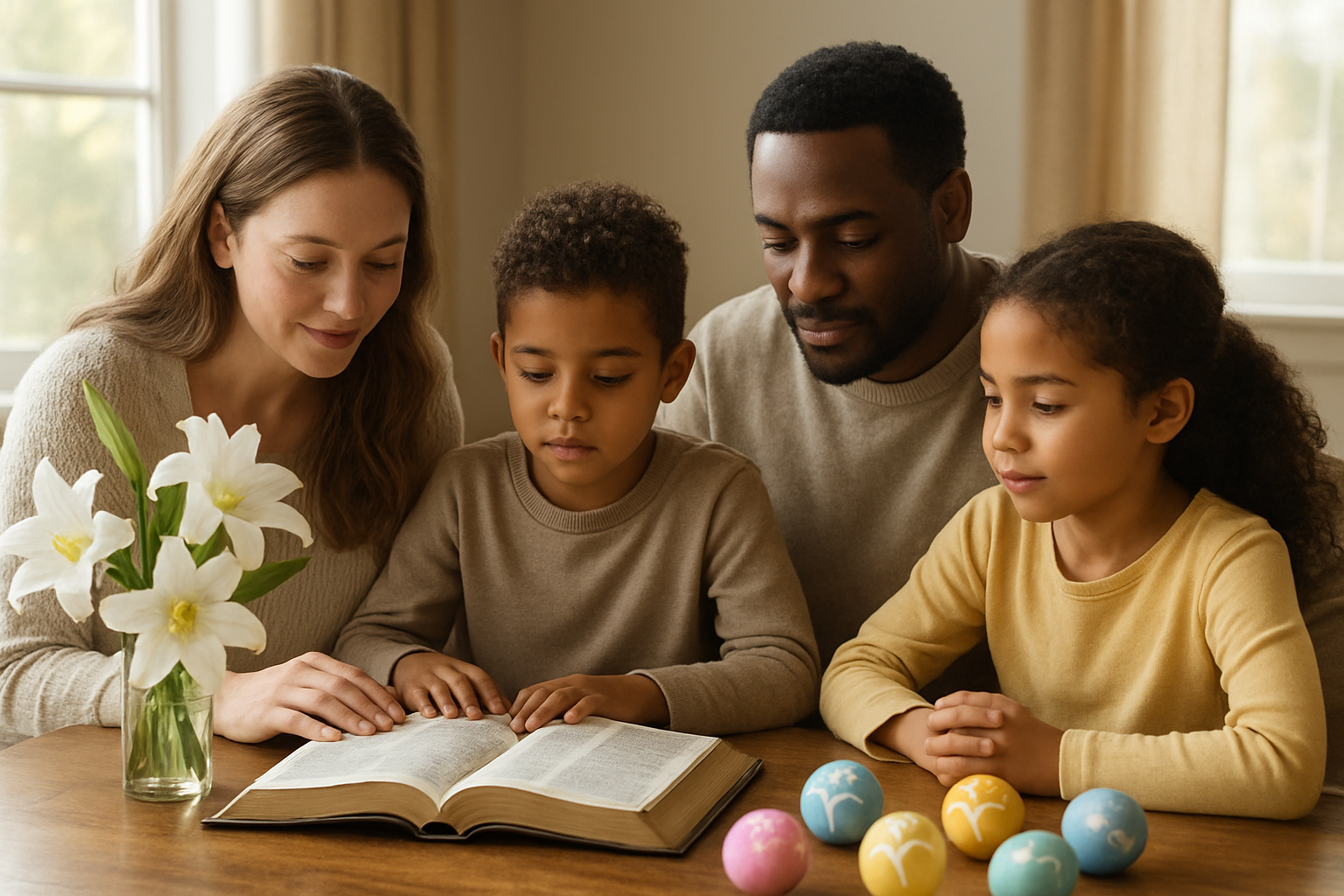
Reading the Easter story together creates a powerful foundation for meaningful Easter activities that connect your family to the heart of the holiday. Choose a family-friendly Bible or children's book that tells the story of Jesus's death and resurrection in age-appropriate language. Make this reading special by designating a specific time each day during Holy Week, perhaps right after dinner or before bedtime.
Create a cozy atmosphere with soft lighting, comfortable seating, and maybe even special Easter-themed snacks. Take turns reading different parts of the story, allowing each family member to participate. Ask open-ended questions about what they heard and encourage discussions about the meaning behind the events. This faith-based Easter tradition helps children understand the significance of Easter beyond eggs and candy.
Consider acting out parts of the story with simple costumes or props. Younger children especially love this hands-on approach to learning. You might also incorporate related songs or hymns that reinforce the Easter message throughout your reading time.
Create Meaningful Prayer and Reflection Time
Christian Easter traditions should include dedicated moments for prayer and quiet reflection. Set aside time each day during the week leading up to Easter for family prayer. This doesn't need to be lengthy or formal – even five to ten minutes can make a significant impact.
Create a simple prayer routine that includes gratitude, requests for others, and reflection on Jesus's sacrifice. Encourage each family member to share something they're thankful for and someone they'd like to pray for. Use this time to talk about forgiveness, love, and new beginnings – central themes of Easter.
Consider creating a family prayer journal where you write down prayer requests and answers throughout the Easter season. This tangible record becomes a treasured keepsake that shows how God works in your family's life. Light candles during prayer time to create a sacred atmosphere that helps everyone focus and feel the specialness of the moment.
Incorporate Acts of Service and Giving
Easter service activities teach children that faith goes beyond personal beliefs and extends to caring for others. Plan specific ways your family can serve your community during the Easter season. This might include preparing meal bags for homeless shelters, visiting nursing homes to share Easter cards, or participating in church outreach programs.
Create care packages filled with essential items for families in need. Let children help select items and pack the bags, explaining how these actions demonstrate God's love. Volunteer together at local food banks or community gardens, showing that Easter's message of renewal includes helping others start fresh.
Consider adopting a family through local charities and providing them with Easter dinner supplies or gifts. This hands-on giving helps children understand that Easter giving traditions aren't just about receiving but about sharing blessings with others who might be struggling.
Establish Church Attendance as Family Priority
Making church attendance a non-negotiable part of your Easter family traditions reinforces the spiritual significance of the holiday. Start attending special Holy Week services like Maundy Thursday or Good Friday services to help children understand the complete Easter story timeline.
Plan your Easter Sunday around church attendance, making it the central event rather than an afterthought. Choose church clothes together the night before and talk about what you expect to hear or experience during the service. If your children are young, bring quiet activities or small snacks to help them sit through longer services.
Create post-church traditions that extend the worship experience at home. Discuss the sermon over lunch, sing Easter songs together, or share what each person learned during the service. This helps reinforce the church experience and shows that faith doesn't end when you leave the building but continues throughout your daily life together.
Develop Creative Easter Craft Traditions
Make homemade Easter decorations together
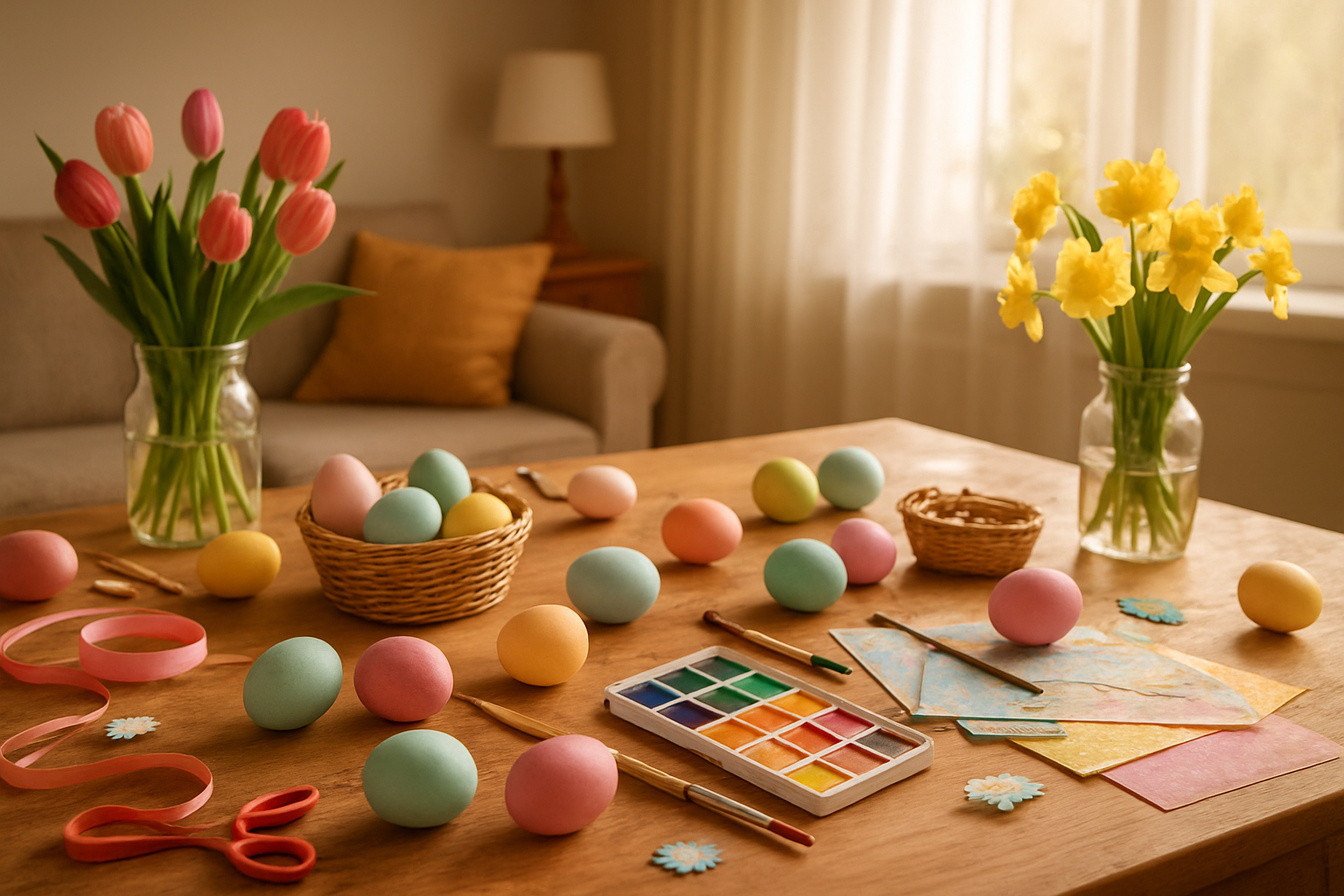
Creating handmade decorations transforms your home into a celebration of spring and new life while building lasting Easter family traditions. Start with simple paper crafts that even young children can master. Cut out cross shapes from colorful cardstock and let kids decorate them with stickers, glitter, or hand-drawn Bible verses. String these crosses together to create beautiful garlands for doorways and mantels.
Fresh flowers offer another wonderful opportunity for meaningful Easter activities. Gather branches from flowering trees like cherry or forsythia and arrange them in tall vases. Add handwritten scripture cards tied with ribbon for a personal touch. Kids love helping arrange tulips, daffodils, and hyacinths in mason jars wrapped with burlap and lace.
Try making resurrection butterflies using coffee filters and clothespins. Color the filters with markers, then lightly spray with water to create beautiful bleeding effects. Once dry, gather the center with a clothespin and add pipe cleaner antennae. These delicate creations represent transformation and new life perfectly.
Window clings made from tissue paper and contact paper brighten any room. Layer different colored tissue pieces between clear contact paper, then cut into egg or cross shapes. The sunlight streaming through creates gorgeous stained-glass effects that remind everyone of the season's significance.
Design personalized Easter cards for loved ones
Handmade Easter cards carry so much more meaning than store-bought versions, making them perfect faith-based Easter crafts for the whole family. Start with blank cardstock and let creativity guide the process. Younger children can create thumb-print art by pressing their thumbs in washable paint, then adding details to transform prints into chicks, bunnies, or flowers.
Pressed flower cards bring nature indoors beautifully. Collect flowers and leaves a week before crafting, then press them between heavy books. Once dried, arrange these natural elements on cardstock and secure with a thin layer of glue. Add meaningful Easter messages or Bible verses in your own handwriting.
Photo cards capture precious family moments while sharing Easter joy. Print recent family photos and mount them inside card blanks. Let kids decorate the borders with drawings of Easter symbols or write personal messages to grandparents, neighbors, or friends who might be spending the holiday alone.
Pop-up cards add an element of surprise and delight. Simple pop-up crosses or empty tombs can be created by folding cardstock strategically. Online templates make this easier for beginners, but once you master the technique, designing original pop-ups becomes an exciting challenge.
Create resurrection gardens as teaching tools
Resurrection gardens serve as powerful visual reminders of Christ's victory over death, making them excellent Christian Easter traditions that teach while creating beauty. These miniature landscapes tell the Easter story through natural elements that children can touch and explore throughout the season.
Start with a shallow planter or large terra cotta saucer. Create rolling hills using potting soil, leaving space for a small tomb area. Use flat stones to build a cave-like structure, ensuring one stone can be "rolled away" to show the empty tomb. Plant wheatgrass seeds or moss to create green hillsides that will grow throughout the Easter season.
Add meaningful details that enhance the story. Small pebbles create pathways leading to the tomb. Tiny twigs can represent the cross on Calvary hill. Some families include small figures to represent Mary Magdalene or the disciples discovering the empty tomb. Battery-operated tea lights placed inside the tomb create a gentle glow during evening family devotions.
Living resurrection gardens teach patience and faith as families watch grass grow and flowers bloom. Plant easy-growing seeds like alyssum or marigolds around the tomb area. As plants emerge and flourish, they become beautiful metaphors for resurrection and new life. These gardens spark natural conversations about faith, hope, and God's promises throughout the Easter season and beyond.
Establish Special Easter Food Traditions
Bake traditional Easter breads and treats
Nothing fills your home with the spirit of Easter quite like the aroma of freshly baked bread wafting from the kitchen. Traditional Easter breads carry centuries of meaning and create lasting memories for your family. Hot cross buns, with their sweet spices and symbolic cross, tell the story of Christ's sacrifice while delighting taste buds. These treats become even more special when little hands help measure cinnamon and brush the glossy egg wash on top.
Consider making Greek tsoureki, a braided bread enriched with eggs and flavored with orange zest, or Italian pane di Pasqua, studded with colorful eggs. These Easter food traditions connect your family to generations of believers who celebrated with similar recipes. Russian kulich, tall and dome-shaped like church bells, adds another layer of significance to your holiday table.
Start simple if you're new to bread-baking. Even boxed hot cross bun mix becomes meaningful when you gather the family to prepare it together. As your confidence grows, graduate to scratch recipes that become your signature Easter tradition. Document the process with photos – flour-dusted faces and proud smiles over perfect loaves become treasured family keepsakes that capture the joy of creating Easter family traditions together.
Plan meaningful Easter dinner menus
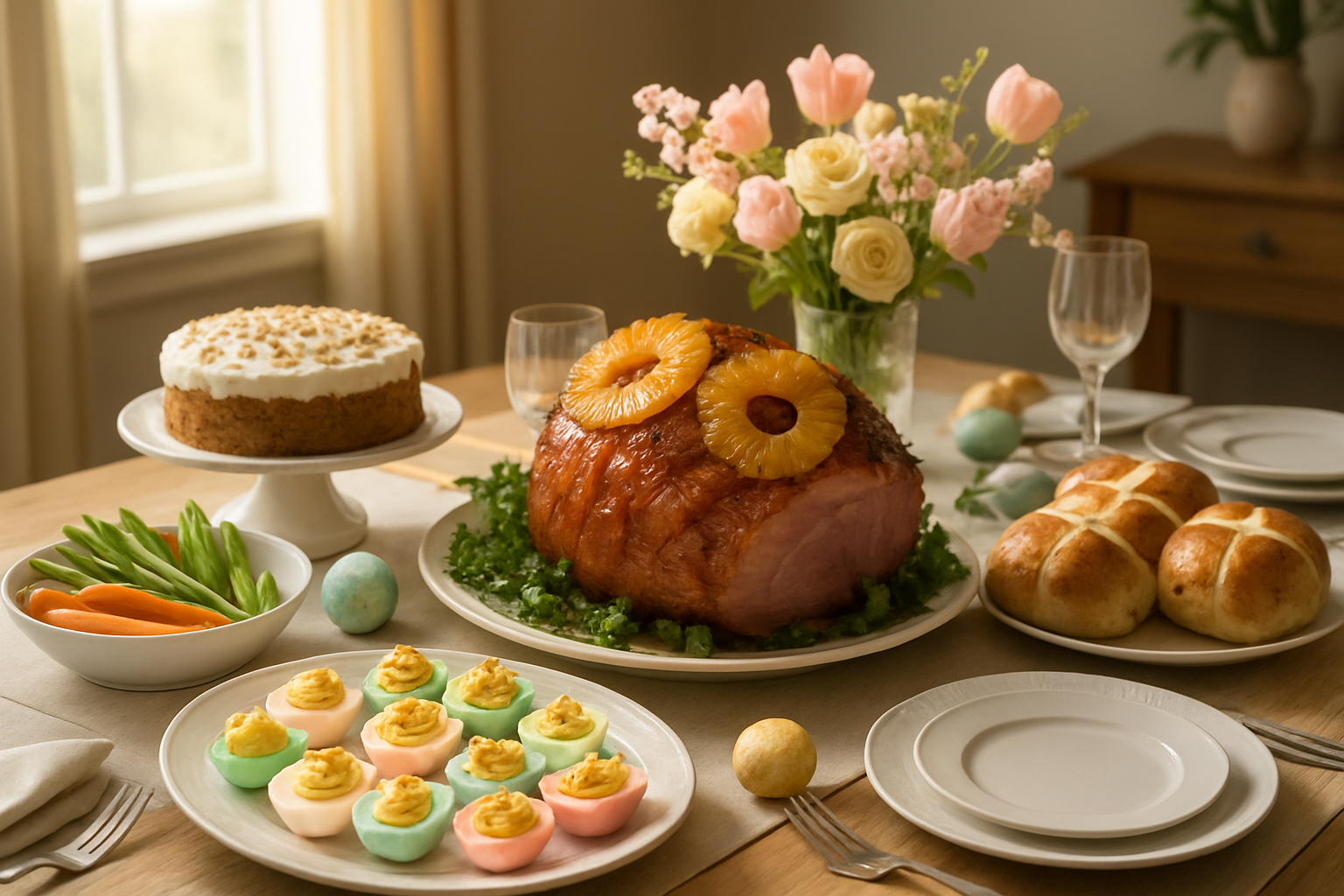
Your Easter dinner menu sets the tone for celebration and creates space for meaningful conversation about faith and family. Move beyond the typical ham-and-sides approach by incorporating foods that tell the resurrection story. Lamb, symbolizing Christ as the Lamb of God, makes a beautiful centerpiece that sparks discussion about sacrifice and salvation.
Create a menu that honors both tradition and your family's preferences. Roasted spring vegetables like asparagus and baby carrots celebrate new life, while dishes featuring eggs remind everyone of rebirth and renewal. Consider serving fish as the disciples did, or prepare foods from biblical times like figs, pomegranates, and unleavened bread.
Planning meaningful meals doesn't require gourmet cooking skills. Simple roasted chicken with herbs, fresh bread, and seasonal fruits create an atmosphere of gratitude and togetherness. The key lies in intentionality – explain why certain foods grace your table and what they represent. This transforms an ordinary meal into a teaching moment that reinforces your faith-based Easter activities.
| Traditional Easter Foods | Symbolic Meaning | Family-Friendly Options |
|---|---|---|
| Lamb | Christ as sacrificial lamb | Herb-crusted leg of lamb or lamb chops |
| Eggs | New life and resurrection | Deviled eggs, egg salad, or frittata |
| Fish | Biblical significance | Baked salmon or fish tacos |
| Bread | Body of Christ | Homemade dinner rolls or focaccia |
Teach children family recipes and cooking skills
The kitchen becomes a classroom during Easter preparation, offering perfect opportunities to pass down both culinary skills and family history. Start with age-appropriate tasks – preschoolers can crack eggs and stir batter while older children measure ingredients and operate simple appliances. These shared moments create the foundation for lifelong Easter family traditions.
Share stories while you cook. Tell children about their grandmother's secret ingredient or how great-grandfather always insisted on making the gravy himself. These narratives weave family history into your Easter food traditions, creating connections that span generations. Write down recipes in a special family cookbook, complete with photos and memories from each cooking session.
Teaching cooking skills builds confidence and creates independence. Children who help prepare Easter meals develop a sense of ownership and pride in the celebration. They're more likely to eat what they've helped create and appreciate the work that goes into meaningful meals. Start a tradition where each child masters one special Easter dish, becoming the family expert on that recipe as they grow.
Document these learning moments with photos and videos. Capture flour explosions, taste-testing faces, and the triumph of successfully flipped pancakes. These images become precious reminders of time spent together, reinforcing the importance of family traditions and creating anticipation for next year's cooking adventures.
Create new healthy Easter meal traditions
Easter celebrations don't have to derail healthy eating habits. Create new traditions that honor both your faith and your family's wellness goals. Design colorful vegetable platters arranged like spring gardens, with vibrant bell peppers, cherry tomatoes, and snap peas creating a rainbow of God's creation. These displays become conversation starters about the beauty and abundance of nature.
Experiment with lighter versions of traditional favorites. Substitute Greek yogurt for heavy cream in desserts, use whole grain flours in breads, or create fruit-based treats that satisfy sweet cravings naturally. Carrot cake energy balls rolled in coconut make perfect finger foods that children love helping to prepare.
Start a tradition of growing your own Easter herbs and microgreens. Plant seeds weeks before Easter, watching them sprout and grow as the holiday approaches. Use these fresh additions in salads, as garnishes, or in homemade herb butter. This activity connects children to their food sources while creating meaningful Easter activities that extend beyond one day.
Consider themed healthy meals that tell biblical stories. Create "Garden of Eden" salads with every fruit and vegetable imaginable, or prepare "Loaves and Fishes" meals featuring whole grain breads and grilled fish. These creative approaches make healthy eating exciting while reinforcing the spiritual significance of Easter through your Easter food traditions.
Design Unique Easter Egg and Hunt Traditions

Move Beyond Candy to Meaningful Egg Contents
Transform your unique Easter egg hunt ideas by filling eggs with thoughtful alternatives that create lasting memories. Replace sugary treats with small treasures like family photos, handwritten scripture verses, or tiny puzzle pieces that form a special message when collected. Include activity coupons for one-on-one time with each parent, promising experiences like "bake cookies together" or "star-gazing night." Small trinkets with spiritual significance work beautifully too – miniature crosses, prayer cards, or smooth stones with inspirational words painted on them.
Consider age-appropriate items that spark curiosity and learning. Younger children love stickers, small toys, or coins for their piggy banks. Older kids appreciate gift cards, special privileges, or pieces of a larger gift that they assemble throughout the hunt. These meaningful contents turn Easter traditions for families into treasure hunts that feed both body and soul.
Create Themed Hunts with Educational Elements
Design Easter family traditions around learning themes that make hunting educational and engaging. Historical themes work wonderfully – hide eggs containing facts about Easter traditions around the world or early Christian history. Create a nature-themed hunt where each egg contains information about spring animals, flowers, or Bible verses about God's creation.
Geography themes add adventure by featuring eggs with facts about different countries and their Easter customs. Science-minded families can hide eggs with simple experiments or fun facts about spring phenomena like why leaves change color or how butterflies emerge from cocoons. Literature themes incorporate favorite Bible stories or classic Easter tales, with each egg containing story fragments that children piece together.
Math concepts sneak into hunts through numbered eggs that must be found in sequence, or eggs containing simple addition problems that reveal the location of the next clue. These themed approaches transform simple egg hunts into interactive learning experiences that children remember long after the chocolate is gone.
Establish Egg Decorating as Family Art Time
Turn egg decorating into scheduled family art sessions that become anticipated yearly events. Set up dedicated crafting spaces with watercolors, markers, stickers, glitter, and natural materials like pressed flowers or small twigs. Each family member can develop their signature style over the years, creating personal collections that grow more sophisticated with time.
Document the artistic evolution by photographing each year's creations alongside their creators. These photos become treasured keepsakes showing both artistic growth and family development. Consider alternating between different decorating techniques annually – one year focus on watercolor painting, the next on collage work using fabric scraps or magazine cutouts.
Invite extended family to join virtually or in person, creating multi-generational art sessions where grandparents share techniques they learned in their youth. Young children can start with simple finger painting while older siblings master more complex designs. The key lies in making the process stress-free and celebratory rather than competitive.
Start Community or Neighborhood Hunt Traditions
Expand meaningful Easter activities beyond your immediate family by organizing neighborhood events that bring communities together. Coordinate with neighbors to create large-scale hunts that span multiple yards, allowing children from different families to work together. Assign age-appropriate zones so toddlers aren't competing with teenagers, and everyone enjoys success.
Community hunts can incorporate charitable elements by asking participants to bring non-perishable food items as "entry fees" for local food banks. Design group challenges where teams must work together to solve clues or complete tasks before advancing to the next location. These collaborative elements build friendships and teach children about cooperation.
Consider rotating hosting duties among families each year, allowing different households to showcase their creativity while distributing the organizational workload. Document these events through group photos and share them with participating families, creating visual histories of your neighborhood's Easter tradition evolution.
Incorporate Spiritual Symbols into Egg Designs
Weave faith-based Easter crafts naturally into your decorating traditions by teaching children about Christian symbols and their meanings. The cross represents sacrifice and salvation, while doves symbolize the Holy Spirit and peace. Butterflies illustrate transformation and resurrection, making them perfect Easter emblems that children can easily draw or paint.
Fish symbols connect to early Christian traditions and Jesus calling disciples to be "fishers of men." Rainbow designs remind families of God's promises, while flowers represent new life and growth in faith. Sheep and lambs connect to Jesus as the Good Shepherd, offering simple shapes that even young children can create successfully.
Create reference sheets showing these symbols alongside their biblical meanings, turning decorating time into gentle religious education. Encourage children to choose symbols that resonate with them personally, allowing for individual expression within spiritual frameworks. These decorated eggs become visual reminders of faith concepts that children have learned through hands-on creation.
Plan Easter Giving and Service Activities
Create Family Donation Drives During Lent
Transform the weeks leading up to Easter into a season of generosity by organizing family donation drives that teach children the joy of giving. Start by designating specific weeks during Lent for different types of donations. The first week might focus on collecting canned goods and non-perishables for local food banks, while the second week could center on gathering gently used clothing and toys.
Make donation collecting a fun family activity by creating colorful collection boxes decorated with Easter themes. Children love seeing their contributions add up, so use clear containers when possible. Set weekly goals that feel achievable but meaningful - perhaps 20 canned items or five bags of clothing. This approach helps kids understand that small, consistent acts of kindness create significant impact.
Consider partnering with other families in your neighborhood or congregation to multiply your efforts. When multiple families participate, children see their Easter giving traditions extending beyond their immediate household, creating a stronger sense of community connection.
Volunteer Together at Local Charities
Easter service activities become much more meaningful when the whole family participates. Research local organizations that welcome family volunteers and match your family's interests and ages. Food pantries often need help sorting donations, while animal shelters might welcome families to help with basic care tasks.
Many soup kitchens and homeless shelters have special Easter meal programs that depend on volunteer support. Contact these organizations early, as Easter volunteering spots fill quickly. Some facilities offer family-friendly shifts where even young children can help with simple tasks like setting tables or organizing supplies.
Create a volunteer schedule that works for your family's Easter timeline. Some families prefer volunteering on Holy Saturday as a meaningful way to prepare their hearts for Easter Sunday, while others choose the week following Easter to extend the celebration of Christ's love through service.
Document your volunteer experiences with photos and journaling. These records become precious family memories and help children reflect on how their Easter giving traditions impact others in their community.
Make Easter Baskets for Families in Need
Channel your family's Easter excitement into creating special baskets for families facing difficult circumstances. Partner with local churches, social service agencies, or schools to identify families who would appreciate Easter joy delivered to their doorstep.
Start planning your basket creation in early March to allow time for thoughtful shopping and preparation. Include both practical items and Easter treats - perhaps combining necessities like toiletries and grocery gift cards with traditional Easter goodies like chocolate eggs and small toys. Age-appropriate books with Easter or spring themes make wonderful additions that families can treasure long after the candy disappears.
Involve children in every step of the process, from shopping and basket assembly to writing encouraging notes. Let kids choose items they think other children would enjoy, helping them develop empathy and understanding. Many families create assembly-line systems where each family member has specific responsibilities - one person handles the practical items, another focuses on treats, and someone else writes personalized cards.
Consider creating themed baskets based on family sizes and ages. A basket for a single mother might include spa items and coffee gift cards along with Easter treats, while a family with teenagers might appreciate movie theater gift cards and trendy snacks. These thoughtful touches show recipients that someone took time to consider their specific situation and preferences.
.png)
Creating meaningful Easter traditions with your family builds lasting connections that go far beyond chocolate eggs and fancy outfits. The activities you choose—whether it's crafting resurrection gardens, preparing special meals together, organizing thoughtful egg hunts, or serving others in your community—become the foundation for memories your children will carry into their own families. These traditions help weave faith, creativity, and love into the fabric of your family's Easter celebrations.
Start small this year by picking one or two ideas that resonate with your family's values and schedule. Maybe it's baking hot cross buns together or creating a simple service project for your neighbors. The magic isn't in doing everything perfectly—it's in showing up consistently and creating space for your family to connect, reflect, and celebrate together. Your Easter traditions don't need to be elaborate to be meaningful; they just need to come from the heart.
.png)


Comments
Post a Comment