Practical ways to plan for the Easter holiday
Easter approaches fast, and smart planning makes all the difference between a stressed scramble and a joyful celebration. This guide helps busy families, holiday hosts, and anyone wanting to create memorable Easter traditions without the last-minute chaos.
Getting your Easter planning tips organized early saves money, reduces stress, and lets you focus on what matters most - time with loved ones. We'll walk you through setting a realistic budget that covers everything from dinner ingredients to decorations, then dive into creating the perfect Easter menu with a shopping strategy that prevents forgotten items and overspending.
You'll also discover simple ways to organize Easter activities for families that keep everyone entertained, plus practical Easter home decorations ideas that transform your space without breaking the bank. By the end, you'll have a clear Easter holiday checklist that turns planning from overwhelming to enjoyable.
Set Your Easter Budget Early
Calculate Total Holiday Expenses Including Food, Gifts, and Activities
Smart Easter budget planning starts with understanding your complete financial picture. Begin by listing every potential expense category: groceries for your Easter feast, gifts for family members, activity costs, and any special purchases you're considering. Food typically represents the largest portion of Easter spending, especially if you're hosting dinner. Plan for a main course, sides, desserts, beverages, and any special dietary requirements for guests.
Gift expenses can quickly spiral without proper planning. Consider who you'll be buying for - immediate family, extended relatives, or family friends. Set individual spending limits per person to maintain control over your Easter budget planning. Activities like egg hunts require supplies, craft projects need materials, and entertainment options may involve tickets or equipment rentals.
Create a detailed spreadsheet or use a budgeting app to track each category. Include estimated costs next to each item, then research actual prices to ensure your projections are realistic. This approach prevents the common mistake of underestimating holiday expenses by 30-40%.
Allocate Funds for Easter Outfits and Decorations
Easter outfits and decorations deserve their own budget categories since these expenses often get overlooked during initial planning. New spring clothes for the family can represent a significant cost, especially for growing children. Shop early for better selection and pricing, or consider mixing new pieces with existing wardrobe items.
Home decorations transform your space but don't need to break the bank. Allocate 15-20% of your total Easter budget for decorative elements like flowers, table settings, and seasonal accents. DIY decoration projects can stretch your budget further while creating personalized touches. Fresh flowers, particularly lilies and tulips, add elegance but consider their short lifespan when budgeting.
Balance splurge items with budget-friendly options. Invest in quality pieces you'll use annually, like a beautiful tablecloth or serving dishes, while choosing inexpensive disposable items for one-time use.
Create a Contingency Fund for Unexpected Costs
Easter planning inevitably includes surprise expenses. Weather changes might require indoor activity alternatives, last-minute guests could expand your grocery needs, or broken decorations might need quick replacements. Set aside 10-15% of your total budget as a contingency fund.
Common unexpected costs include additional groceries when recipes yield less than expected, backup entertainment for children if outdoor plans fail, or emergency outfit purchases for growing kids. Having this buffer prevents panic spending and maintains your overall financial plan.
Track Spending Throughout the Planning Process
Monitor your expenses weekly rather than waiting until after Easter. Use receipt scanning apps or maintain a simple notebook to record purchases immediately. Regular tracking helps identify budget overruns early, allowing for adjustments before overspending becomes problematic.
Compare actual costs against your initial estimates to improve future holiday planning. This data becomes invaluable for next year's Easter budget planning process.
Plan Your Easter Menu and Shopping Strategy
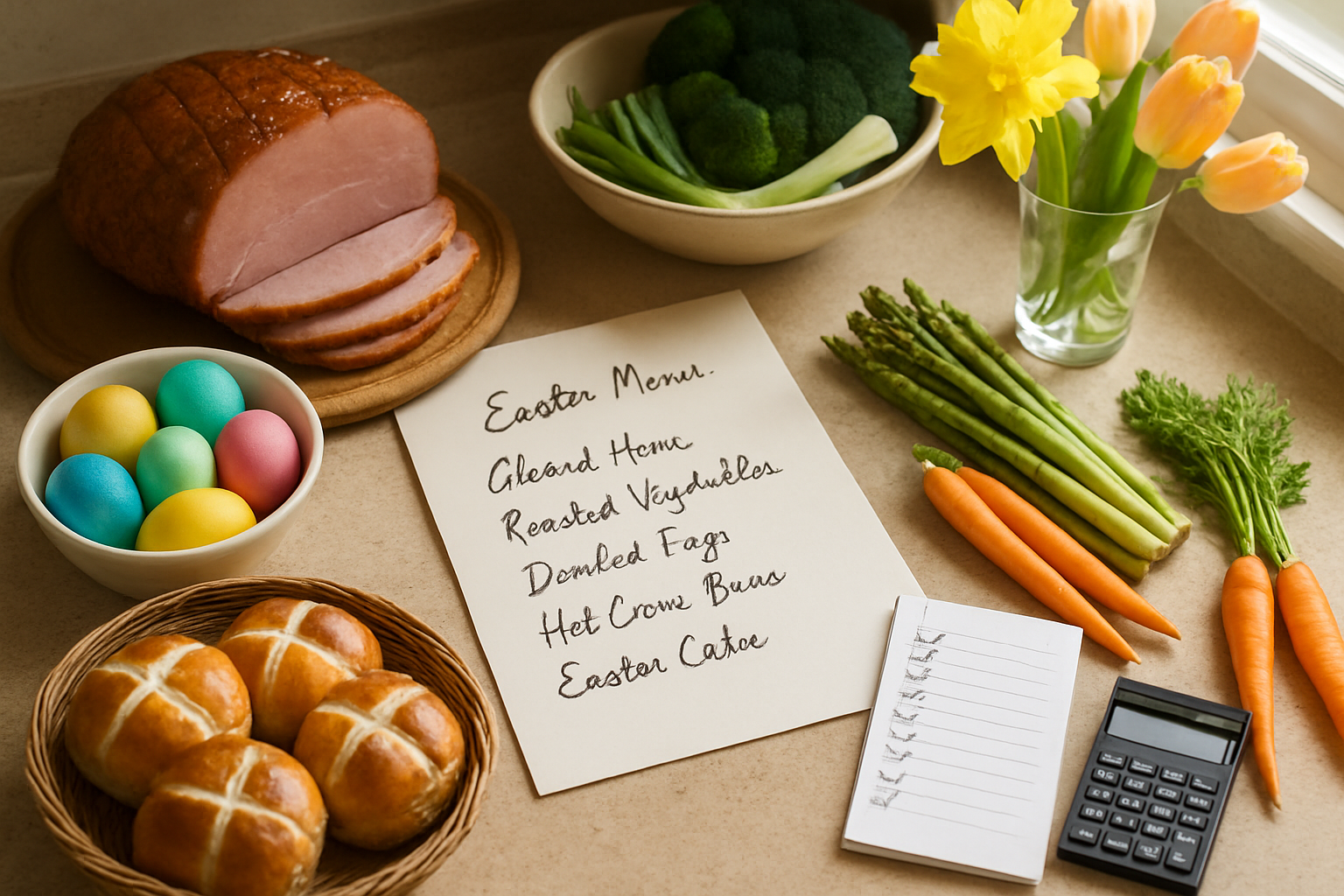
Design a balanced menu that accommodates dietary restrictions
Creating an Easter menu that pleases everyone starts with understanding your guest list and their dietary needs. Send a quick message or make a brief call to confirm any allergies, vegetarian preferences, or religious dietary restrictions well before your shopping day. This simple step saves you from scrambling to find alternatives at the last minute.
Build your menu around a show-stopping main dish - whether that's traditional lamb, glazed ham, or a stunning vegetarian centerpiece like herb-crusted salmon or stuffed portobello mushrooms. Balance rich dishes with lighter options by pairing creamy sides with fresh salads or roasted vegetables. Include at least one naturally gluten-free option and consider plant-based alternatives that even meat-eaters will enjoy.
Don't forget about appetizers and desserts when planning for dietary restrictions. Deviled eggs can easily be made vegan with aquafaba, and fruit-based desserts often work for multiple dietary needs. Keep a mental note of cross-contamination concerns if you're serving guests with severe allergies - use separate cutting boards and utensils when preparing their food.
Create detailed shopping lists organized by store sections
Smart Easter menu planning means organizing your shopping list like a roadmap through the grocery store. Group items by store sections: produce, dairy, meat, pantry staples, and frozen foods. This approach cuts your shopping time in half and reduces the chance of forgetting essential ingredients.
Start with non-perishables and work your way through to items with shorter shelf lives. Your list might look like this:
Produce Section:
-
Fresh herbs (rosemary, thyme, parsley)
-
Lemons and oranges for glazes
-
Spring vegetables (asparagus, baby carrots)
-
Salad greens and vegetables
Meat & Seafood:
-
Main protein (order ahead if needed)
-
Bacon for side dishes
Dairy:
-
Eggs for multiple recipes
-
Butter, cream, specialty cheeses
-
Milk alternatives if needed
Pantry & Baking:
-
Flour, sugar, spices
-
Olive oil, vinegar
-
Canned goods
Add quantities next to each item and note which recipes they're for. This prevents buying duplicates and helps you spot if you've missed anything for a specific dish.
Schedule grocery shopping to avoid last-minute rushes
Timing your Easter shopping makes the difference between a relaxed preparation and a stressful scramble. Plan your shopping trips strategically, starting with non-perishable items up to two weeks before Easter. This includes pantry staples, cleaning supplies, and decorative items that won't spoil.
Schedule your main grocery run for the Tuesday or Wednesday before Easter weekend. Stores are typically restocked and less crowded during these mid-week days. Save highly perishable items like fresh seafood, delicate produce, and dairy products for this trip.
Consider splitting your shopping between stores if you have specific needs. Visit specialty shops for items like artisan breads or unique ingredients during off-peak hours. Many grocery stores offer online ordering with curbside pickup - perfect for busy families managing multiple Easter planning tasks.
Create a backup plan for forgotten items by identifying which stores in your area stay open late or have extended Easter weekend hours. Keep a running list on your phone throughout the week for any last-minute additions, but aim to complete 90% of your shopping before the weekend rush begins.
Organize Easter Activities and Entertainment
Plan Age-Appropriate Easter Egg Hunts for Different Groups
Creating memorable Easter egg hunts requires thinking about the different ages and abilities of your guests. For toddlers under 3, stick to simple hunts in a small, contained area like your living room or backyard patio. Use large, colorful eggs that are easy to spot and safe if put in mouths. Hide them in obvious places - behind chair legs, next to flower pots, or on low shelves.
Elementary-age kids (4-10) love the classic backyard hunt with more challenging hiding spots. Use bushes, under outdoor furniture, and around garden features. Consider creating a treasure map or giving riddle clues to make the hunt more engaging. For teens and adults, design puzzle-based hunts with cryptic clues, QR codes linking to challenges, or photo scavenger lists.
Age-Specific Hunt Ideas:
-
Ages 2-3: 6-8 large eggs in plain sight
-
Ages 4-7: 15-20 eggs with moderate hiding difficulty
-
Ages 8-12: 25+ eggs with puzzles and themed zones
-
Teens/Adults: Challenge hunts with riddles and team competitions
Separate different age groups by time slots or designated areas to prevent older kids from dominating younger children's fun. This approach keeps everyone engaged while ensuring fair participation across all age ranges.
Prepare Indoor Backup Activities for Unpredictable Weather
Weather can make or break outdoor Easter activities for families, so having solid indoor alternatives keeps your celebration running smoothly. Transform your living space into activity zones that work just as well as outdoor options. Set up an indoor egg hunt using different rooms - hide eggs behind books, under couch cushions, or inside kitchen cabinets.
Create Easter-themed game stations throughout your home. A "Pin the Tail on the Bunny" game works great in hallways, while Easter charades or trivia can happen in the living room. Consider setting up a mini obstacle course using household items - kids can hop like bunnies through hula hoops or crawl under tables.
Quick Indoor Activity Setup:
-
Living Room: Board games, Easter movies, storytelling corner
-
Kitchen/Dining: Cookie decorating, egg dyeing stations
-
Basement/Playroom: Dance party with Easter songs, craft tables
-
Bedrooms: Quiet activities like coloring books, Easter puzzles
Keep entertainment supplies in a designated box - construction paper, markers, stickers, small prizes, and activity printouts. This way, you can quickly pivot to indoor fun without scrambling for materials. Having these backup plans ready means bad weather won't dampen anyone's Easter spirit.
Schedule Family Traditions and Religious Observances
Balancing family traditions with religious observances creates a meaningful Easter celebration that honors both faith and family bonds. Start by mapping out your day's timeline, giving proper time and attention to each element. Many families begin with sunrise or morning church services, so plan breakfast and other activities around these commitments.
Traditional activities might include special Easter breakfast foods, family photo sessions in Easter outfits, or reading the Easter story together. Religious families often incorporate prayer time, scripture reading, or discussions about the significance of Easter. Consider creating a family devotional time where everyone shares what Easter means to them.
Sample Easter Day Schedule:
-
7:00 AM: Sunrise service or morning prayers
-
8:30 AM: Special Easter breakfast
-
10:00 AM: Church service or family worship time
-
12:00 PM: Easter dinner preparation begins
-
2:00 PM: Egg hunts and family activities
-
4:00 PM: Quiet time for reflection or naps
-
6:00 PM: Easter dinner and family sharing
Build in flexibility around these core traditions. Some years you might add new elements like visiting elderly relatives or volunteering at community events. The key is creating a framework that feels meaningful to your family while leaving room for spontaneous moments of joy and connection.
Coordinate Group Activities That Engage All Attendees
Getting everyone involved requires thoughtful planning that considers different personalities, ages, and interests. Start with activities that naturally bring people together - group cooking projects where everyone has a role, collaborative games, or shared creative projects work well for Easter party planning.
Design team-based activities that mix different age groups. Create Easter trivia teams with one adult and two kids per team, or set up relay races that require different skills - hopping, puzzle-solving, or creative challenges. This approach helps shy family members feel included while giving natural leaders ways to help others succeed.
Inclusive Group Activity Ideas:
| Activity Type | All-Ages Example | Materials Needed |
|---|---|---|
| Creative | Group mural painting | Large paper, paints, brushes |
| Physical | Easter relay races | Eggs, spoons, baskets, markers |
| Mental | Family trivia contest | Questions, scoreboard, prizes |
| Service | Making Easter cards for seniors | Cardstock, markers, stickers |
Rotate activities every 30-45 minutes to keep energy high and prevent anyone from getting bored. Have quiet conversation areas set up for those who need breaks from group activities. Consider appointing activity ambassadors - enthusiastic family members who can help guide shy participants and keep things moving smoothly.
Set Up Craft Stations for Children's Entertainment
Craft stations provide perfect entertainment that doubles as take-home memories. Create multiple stations with different skill levels and time commitments, so kids can move between activities based on their interest and attention span. Cover tables with plastic tablecloths for easy cleanup, and use small containers to organize supplies at each station.
Popular Easter craft ideas include decorating wooden eggs, creating paper plate bunnies, making Easter bonnets with ribbons and flowers, or designing personalized Easter cards. Set up each station with clear examples and simple instructions that older kids can read independently. Having adult helpers at craft stations keeps things organized and helps younger children complete their projects successfully.
Essential Craft Station Supplies:
-
Basic Materials: Construction paper, scissors, glue sticks, markers, crayons
-
Decorative Items: Ribbons, stickers, google eyes, cotton balls, pipe cleaners
-
Specialty Supplies: Wooden eggs, small baskets, fabric scraps, Easter stamps
-
Cleanup Supplies: Baby wipes, paper towels, trash bags, wet cloths
Pre-cut materials for younger children and have examples of finished projects displayed at each station. Consider creating "craft passports" where kids get stamps for completing different projects - this encourages them to try multiple activities. Set up a display area where completed crafts can dry or be shown off to family members, giving kids pride in their creative work.
Prepare Your Home and Decorations
Deep clean your home before guests arrive
Getting your home Easter-ready means tackling cleaning tasks room by room about a week before your celebration. Start with the main areas where guests will spend most of their time - the living room, dining room, kitchen, and guest bathroom. Focus on high-impact areas like wiping down baseboards, cleaning light fixtures, and giving windows a good scrub to let in that spring sunshine.
Don't forget about the little details that make a big difference. Polish furniture surfaces, vacuum upholstery, and give your floors a thorough mop or steam clean. If you're hosting an Easter egg hunt, pay special attention to outdoor spaces by clearing walkways, sweeping patios, and tidying up garden areas.
Create a cleaning checklist and spread tasks across several days rather than cramming everything into one marathon session. Delegate age-appropriate tasks to family members - kids can dust low surfaces and organize toys while adults handle deeper cleaning. Stock up on cleaning supplies early so you're not scrambling at the last minute.
Create festive Easter decorations on budget
Transform your home into an Easter wonderland without breaking the bank by focusing on DIY projects and natural elements. Collect branches from your yard and place them in tall vases to create stunning centerpieces. Add paper or fabric flowers in pastel colors for an instant spring feel.
Mason jars become perfect vessels for Easter displays when filled with colorful jelly beans, painted eggs, or fresh flowers from your garden. Wrap them with burlap or pastel ribbons for extra charm. Create garlands using construction paper cut into egg shapes or bunny silhouettes - let kids help with this fun family activity.
Natural elements work beautifully for Easter home decorations. Fill wooden bowls with moss and nestle plastic eggs inside, or arrange potted spring flowers like tulips and daffodils around your main living areas. These can double as gifts for guests to take home.
| Budget-Friendly Decoration Ideas | Estimated Cost | Time Required |
|---|---|---|
| Paper egg garland | $3-5 | 30 minutes |
| Branch centerpieces | $0-8 | 15 minutes |
| Mason jar displays | $5-10 | 20 minutes |
| Painted egg arrangements | $4-7 | 45 minutes |
Set up designated spaces for different activities
Smart space planning makes Easter celebrations flow smoothly and keeps everyone engaged. Create distinct zones throughout your home and yard for various activities, ensuring smooth traffic flow and maximum enjoyment.
Designate your dining room or kitchen as the main eating area, but set up a separate kids' table if space allows. This gives children their own special spot while letting adults enjoy conversation. Transform a corner of your living room into a craft station with supplies for decorating eggs or making Easter cards.
For outdoor Easter activities for families, map out your yard into activity zones. Choose a flat, easily searchable area for the Easter egg hunt - avoid spots with thick bushes or hazardous terrain. Set up games like sack races or three-legged races in open lawn areas away from flower beds.
Inside, prepare a quiet corner with comfortable seating for older relatives who might need breaks from the excitement. Stock this area with Easter-themed books, magazines, or photo albums to keep guests entertained. If weather forces activities indoors, have backup plans like moving the egg hunt to different rooms or setting up Easter movie screenings in the family room.
Consider traffic patterns when arranging furniture and decorations. Keep pathways clear and position food stations away from high-traffic areas to prevent bottlenecks. Place drinks and snacks in multiple locations so guests can easily access refreshments without crowding one area.
Coordinate Guest Arrangements and Communications

Send invitations with clear timing and expectations
Getting your Easter invitations right sets the tone for a smooth celebration. Send your invites at least three weeks before Easter, giving guests enough time to plan around other commitments. Digital invitations work perfectly for Easter hosting tips, allowing you to include all the essential details while keeping track of responses.
Your invitation should clearly state the start time, expected duration, and what type of gathering you're hosting. Mention whether it's a formal dinner, casual brunch, or all-day celebration. Include the dress code - whether guests should come in their Easter best or keep things comfortable for outdoor activities. Don't forget to specify if children are welcome and what Easter activities for families you have planned.
Be upfront about your Easter menu ideas and any dietary restrictions you can accommodate. Let guests know if they should bring anything specific or if you're handling everything. This transparency helps everyone feel comfortable and prepared.
Confirm attendance numbers for accurate meal planning
Accurate headcounts make or break your Easter celebration preparation. Follow up on your invitations one week before Easter to get firm numbers. This timing gives you enough notice to adjust your shopping list without being too pushy about responses.
Create a simple tracking system using a spreadsheet or even a notebook. List each invited household, expected number of attendees, and any special dietary needs. Don't just ask "Are you coming?" - ask specific questions like "How many adults and how many children should I expect?" This detail matters when you're planning portions and seating arrangements.
Consider that some guests might bring unexpected plus-ones or last-minute cancellations happen. Plan for about 10% more food than your confirmed count to avoid running short. This buffer also works well with your Easter budget planning since you're not drastically overspending on excessive amounts.
Arrange transportation or accommodation for out-of-town guests
Out-of-town guests need extra attention in your Easter holiday checklist. Start conversations about their travel plans as soon as they confirm attendance. Ask about their arrival and departure times, preferred accommodation type, and whether they need airport pickups.
Research local hotels, bed-and-breakfasts, or vacation rentals in advance. Share a list of options with different price ranges so guests can choose what works for their budget. If you're offering to host guests in your home, be clear about sleeping arrangements and bathroom access.
For transportation, coordinate carpools from airports or train stations. Create a shared document or group chat where family members can volunteer for pickup duties. This approach distributes the responsibility and ensures no one gets stranded.
Communicate any special instructions or requests to attendees
Clear communication prevents Easter day confusion and stress. Send a final reminder email or text three days before Easter with all the important details consolidated in one place.
Include parking instructions, especially if street parking is limited or you have specific areas designated for guests. Mention any ongoing home projects or areas that might be off-limits. If you have pets, let guests know so those with allergies can prepare accordingly.
Share your Easter party planning timeline if guests are participating in activities like egg hunts or games. Let them know when different events start so they can plan their day. Include your phone number for day-of questions and designate a backup contact person in case you're busy with final preparations.
Consider creating a simple welcome packet for overnight guests with wifi passwords, local restaurant recommendations, and your Easter day schedule. These small touches show thoughtfulness and help everyone feel more comfortable in your space.

Planning ahead for Easter doesn't have to be overwhelming when you break it down into manageable steps. By setting your budget early, you'll avoid those last-minute spending sprees that can hurt your wallet. Getting your menu sorted and shopping done in advance means less stress and more time to actually enjoy the holiday with your loved ones. Don't forget that the little details like decorations and activities can make all the difference in creating those special memories everyone will cherish.
The key to a successful Easter celebration is staying organized and keeping your guests in the loop. When everyone knows what to expect and how they can help, the whole event runs smoother. Start with these basics now, and you'll find yourself actually relaxing and having fun instead of running around like crazy on Easter Sunday. Your future self will thank you for putting in the effort early, and your family will appreciate the thoughtful touches that come from good planning.
.png)


Comments
Post a Comment