The Impact of Social Media on Today's Woman
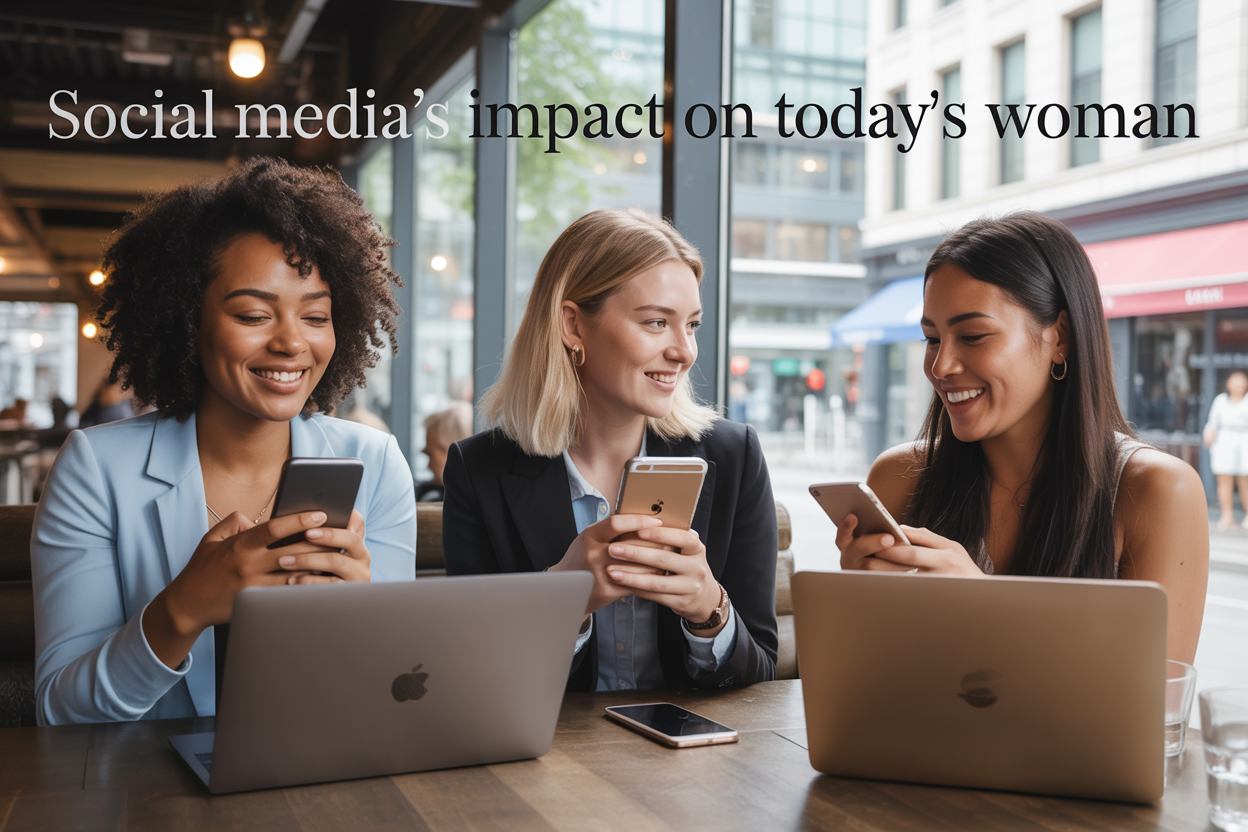
Social media has completely changed how women navigate their personal and professional lives today. This comprehensive guide explores the social media impact on women and how digital platforms are reshaping everything from career opportunities to self-perception.
Who this is for: Women of all ages looking to understand and harness social media's power, plus anyone interested in how digital platforms affect female experiences in the modern world.
We'll dive deep into three critical areas: how social media is transforming women's career networking online and professional growth, the complex relationship between social media body image women face and digital age self-esteem women experience daily, and the exciting ways women are achieving financial independence online while building powerful movements through social activism on digital platforms.
From female entrepreneurs social media success stories to the challenges of maintaining authentic women digital identity, you'll discover both the opportunities and obstacles that define modern women's online presence today.
Social Media's Role in Shaping Modern Female Identity
How Platforms Influence Self-Perception and Personal Branding
Social media platforms have transformed how women see themselves and present their identities to the world. Instagram's visual-first approach encourages women to think about their lives as curated galleries, while LinkedIn pushes professional achievements to the forefront of personal identity. TikTok celebrates authenticity and spontaneity, creating a completely different framework for self-expression.
These platforms don't just reflect who women are—they actively shape perceptions. The constant feedback loop of likes, comments, and shares creates a metrics-driven view of self-worth that previous generations never experienced. Women find themselves making daily decisions based on "shareability," from outfit choices to career moves.
Personal branding has become an essential skill for modern women. Creating a cohesive online presence across platforms requires strategic thinking about messaging, visual consistency, and audience engagement. Many women develop distinct personas for different networks—professional on LinkedIn, lifestyle-focused on Instagram, and unfiltered on Twitter.
The social media impact on women extends beyond surface-level posting. Algorithms learn preferences and serve content that reinforces certain ideals, creating echo chambers that can either empower or limit how women view their potential. Success stories of female entrepreneurs gain visibility, inspiring others, while beauty standards get amplified and normalized through repeated exposure.
The Pressure to Curate Perfect Online Personas
Creating the "perfect" online presence has become a full-time mental occupation for many women. Every photo gets filtered, every caption gets edited multiple times, and spontaneous moments get staged for maximum impact. This pressure affects women across all ages and backgrounds, from teenagers crafting their first profiles to working mothers trying to balance family life with career aspirations.
Women digital identity often becomes a performance rather than authentic representation. The highlight reel effect means comparing real life to others' carefully edited moments, creating impossible standards. Women spend significant time crafting posts that appear effortless, researching trending hashtags, and analyzing engagement patterns to optimize their reach.
The economic pressure adds another layer of complexity. With influencer culture promising financial independence through social media presence, many women feel compelled to maintain consistently high-quality content. This transforms personal sharing into work, where every post needs to serve multiple purposes—personal expression, brand building, and potential monetization.
Platform algorithms reward consistency and engagement, creating pressure to post regularly even when life gets messy or inspiration runs dry. Women often describe feeling "behind" when they take breaks from posting, as if their lives lose validity without digital documentation.
Balancing Authentic Self-Expression with Social Expectations
Finding the sweet spot between genuine self-expression and meeting social media expectations presents a daily challenge for modern women. The desire to connect authentically conflicts with the knowledge that certain types of content perform better than others. Women navigate this tension by developing strategies for maintaining their true voice while participating in platform cultures.
Many women create boundaries around what aspects of their lives they'll share publicly. Some keep family photos private while building professional brands, others share struggles alongside successes to maintain relatability. These choices reflect deeper questions about privacy, vulnerability, and the right to control one's narrative.
Modern women online presence often involves code-switching between different versions of themselves depending on the platform and audience. The same woman might share workout progress on Instagram, professional insights on LinkedIn, and political opinions on Twitter—all representing different facets of her identity.
The most successful approaches often involve finding niche communities where authentic expression gets rewarded rather than penalized. Women build followings around shared interests, experiences, or values, creating spaces where being real becomes the main attraction rather than maintaining perfect facades.
Smart women have learned to use platform features strategically—Stories for more casual content, main feeds for polished posts, and close friends features for truly authentic moments. This tiered approach allows for both authentic connection and strategic brand building without completely sacrificing either goal.
Career and Professional Advancement Through Digital Networks
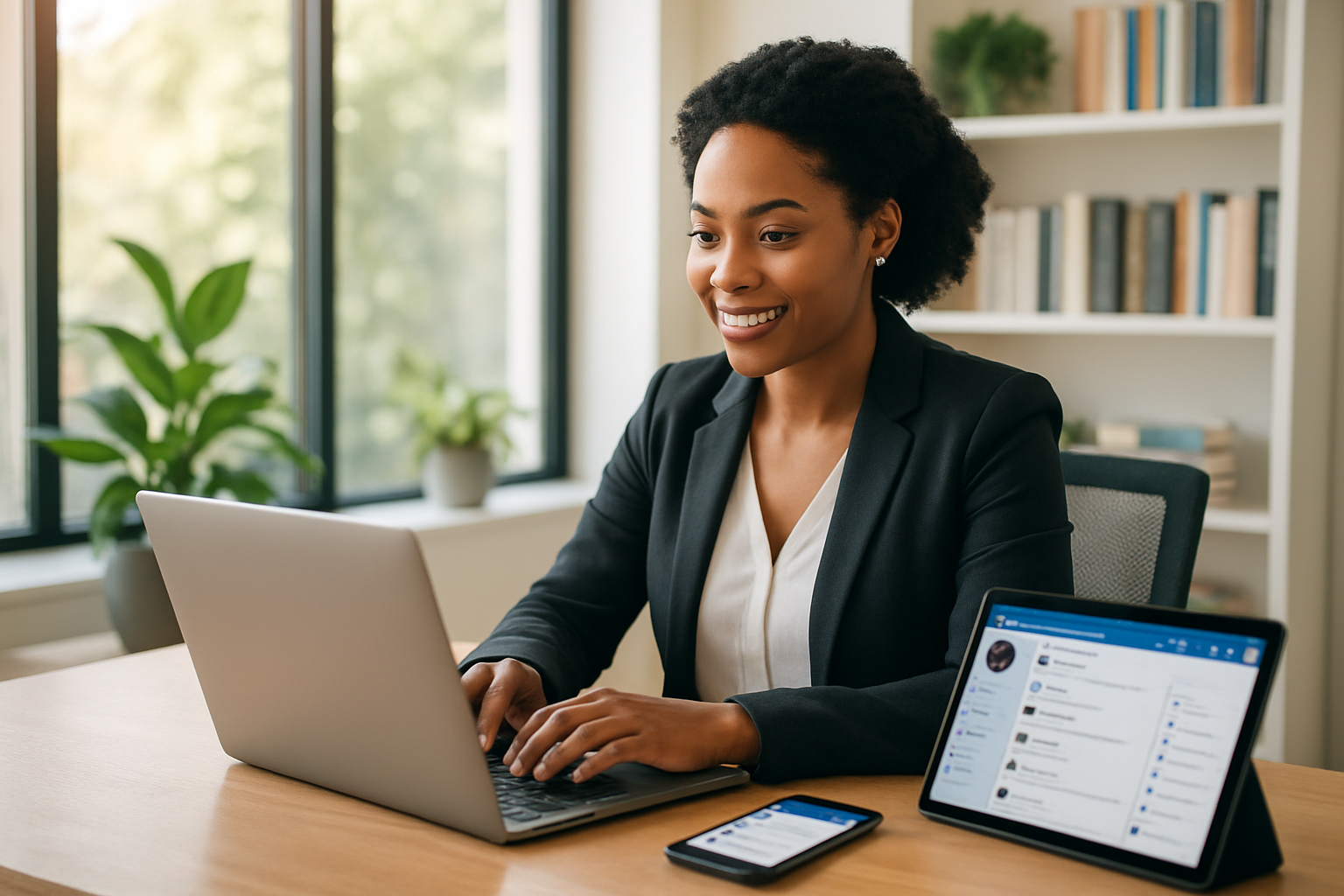
Building professional networks and finding mentorship opportunities
Social media has completely transformed how women build meaningful professional relationships. LinkedIn stands out as the powerhouse platform where women career networking online happens organically through industry groups, alumni networks, and professional associations. Women are joining specialized communities like Women in Tech, Female Entrepreneur Network, and industry-specific groups where they can connect with like-minded professionals across the globe.
The mentorship landscape has exploded beyond traditional office settings. Twitter, Instagram, and LinkedIn have become virtual coffee shops where seasoned professionals share insights and young women can directly reach out to potential mentors. Many successful women leaders now dedicate time to mentoring through social platforms, creating accessible pathways that didn't exist before.
Female empowerment social media groups have created safe spaces where women share career challenges, celebrate wins, and offer advice. These communities often organize virtual networking events, webinars, and skill-sharing sessions that break down geographical barriers.
Showcasing skills and expertise to potential employers
Modern women online presence has become their professional portfolio. Instagram stories showcase behind-the-scenes work, LinkedIn posts demonstrate thought leadership, and Twitter threads reveal problem-solving abilities. Creative professionals use platforms like Behance, Dribbble, and Instagram to display their work directly to potential clients and employers.
Video content has become particularly powerful. Women are creating YouTube channels, LinkedIn video posts, and TikTok content that demonstrates their expertise in real-time. A marketing professional might share campaign strategies, while a developer showcases coding tutorials. This direct demonstration of skills often speaks louder than traditional resumes.
Personal branding has shifted from optional to essential. Women are crafting consistent messaging across platforms, sharing their unique perspectives, and positioning themselves as experts in their fields. This visibility often leads to speaking opportunities, consulting gigs, and job offers that come through direct outreach rather than traditional application processes.
Accessing entrepreneurial resources and business connections
Female entrepreneurs social media has created unprecedented access to funding, mentorship, and business development resources. Platforms like Facebook groups for women entrepreneurs, LinkedIn business communities, and Twitter startup ecosystems provide real-time advice, partnership opportunities, and investor connections.
Crowdfunding platforms integrated with social media have democratized business funding. Women launch campaigns on Kickstarter, Indiegogo, or GoFundMe, then leverage their social networks to drive support. Many successful businesses started with social media campaigns that validated demand before traditional funding was even necessary.
Resource sharing happens constantly in these digital spaces. Entrepreneurs share vendor recommendations, legal advice, marketing strategies, and partnership opportunities. The collaborative nature of these communities means women are lifting each other up rather than competing in isolation.
Overcoming traditional workplace barriers through online visibility
Social media has become a powerful equalizer for women facing traditional workplace challenges. Remote work opportunities discovered through social networks have allowed women to bypass location-based limitations and access global job markets. Freelancing platforms connected to social media profiles enable women to build businesses around their schedules.
Age discrimination, which often affects women disproportionately, becomes less relevant when skills and expertise are showcased through content rather than resumes. Women are building thought leadership positions that transcend traditional hiring biases.
The transparency of social media has also created accountability for companies. Organizations are more conscious of their diversity practices when their hiring and promotion patterns are visible online. Women are using platforms to share workplace experiences, both positive and negative, creating pressure for systemic change.
Social media impact on women in professional settings has been particularly significant for those in male-dominated industries. Engineers, developers, finance professionals, and scientists are building communities that provide support, visibility, and opportunities that might not exist in their immediate work environments.
Body Image and Self-Esteem in the Digital Age
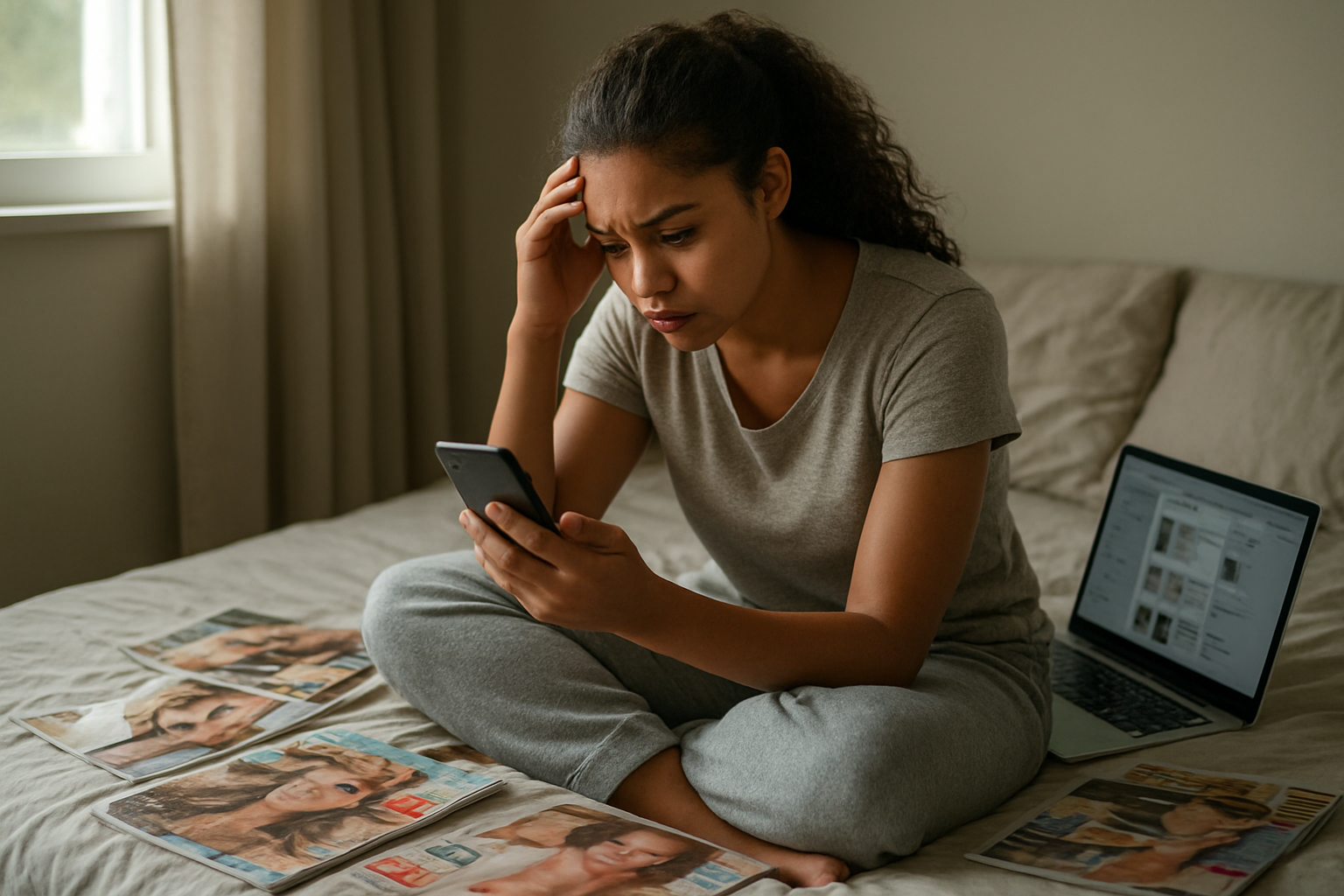
The Impact of Filtered Photos and Beauty Standards on Self-Worth
Scrolling through Instagram or TikTok often feels like walking through a hall of mirrors where every reflection has been perfected. The prevalence of filters, editing apps, and carefully curated content has fundamentally altered how women perceive themselves and others. These digital tools create an impossible standard of beauty that exists nowhere in reality, yet becomes the benchmark against which many women measure their worth.
The psychological impact runs deeper than surface-level insecurity. When every photo is smoothed, brightened, and enhanced, the unfiltered self begins to feel inadequate. Women report feeling shocked by their appearance in unedited photos or mirrors, experiencing what researchers call "Snapchat dysmorphia" - a disconnect between digital self-image and reality.
Social media platforms amplify these effects by rewarding conventionally attractive content with likes, comments, and shares. This creates a feedback loop where women internalize that their value is tied to their appearance, leading to decreased social media body image women confidence and self-acceptance.
Comparison Culture and Its Effects on Mental Health
The phrase "comparison is the thief of joy" has never been more relevant than in our hyperconnected world. Social media platforms are designed to showcase highlight reels - the best moments, angles, and achievements. Yet our brains interpret these curated glimpses as complete representations of others' lives, creating unrealistic benchmarks for our own experiences.
Research shows that women who spend more time on appearance-focused social media platforms report higher levels of body dissatisfaction, anxiety, and depression. The constant exposure to seemingly perfect bodies, lifestyles, and achievements triggers feelings of inadequacy and fuels the "compare and despair" cycle.
The mental health implications extend beyond individual well-being. Studies indicate that excessive social media comparison correlates with:
-
Increased rates of eating disorders
-
Body dysmorphic disorder symptoms
-
Sleep disruption from late-night scrolling
-
Decreased life satisfaction
-
Social withdrawal and isolation
Digital age self-esteem women face unique challenges as they navigate these comparison traps while building their sense of self in an increasingly online world.
Finding Body-Positive Communities and Supportive Spaces
Despite its challenges, social media also offers unprecedented opportunities for connection and healing. Body-positive communities have flourished online, creating safe spaces where women can celebrate diverse bodies, share authentic experiences, and support each other's journeys toward self-acceptance.
These communities actively challenge traditional beauty standards by showcasing:
| Body-Positive Content Types | Impact on Community |
|---|---|
| Unfiltered selfies and real-life moments | Normalizes natural appearance variations |
| Diverse body types and abilities | Expands definition of beauty |
| Mental health discussions | Reduces stigma around struggles |
| Self-love affirmations and tips | Provides practical tools for healing |
Hashtags like #BodyPositivity, #SelfLove, and #RealBodies have created virtual support networks where women find validation, encouragement, and practical advice for developing healthier relationships with their bodies and self-image.
Learning to Navigate Unrealistic Beauty Expectations
Developing media literacy skills becomes essential for protecting mental health in the digital age. Women are learning to recognize and question the artificial nature of much online content, understanding that what they see isn't always reality.
Practical strategies for navigating unrealistic beauty expectations include:
-
Curating feeds mindfully: Following accounts that promote body diversity and self-acceptance while unfollowing those that trigger comparison
-
Setting boundaries: Limiting time spent on appearance-focused platforms and creating phone-free zones
-
Practicing critical thinking: Questioning whether content has been edited or filtered before internalizing its message
-
Engaging with authentic creators: Supporting influencers who share unfiltered content and honest experiences
The social media impact on women regarding body image continues to evolve as platforms introduce new features and society becomes more aware of these issues. Many women are reclaiming their narratives by sharing their authentic selves, creating counter-movements that prioritize mental health over perfect images.
Building resilience against unrealistic beauty standards requires both individual awareness and collective action to demand more authentic representation across all digital spaces.
Financial Independence and Economic Empowerment
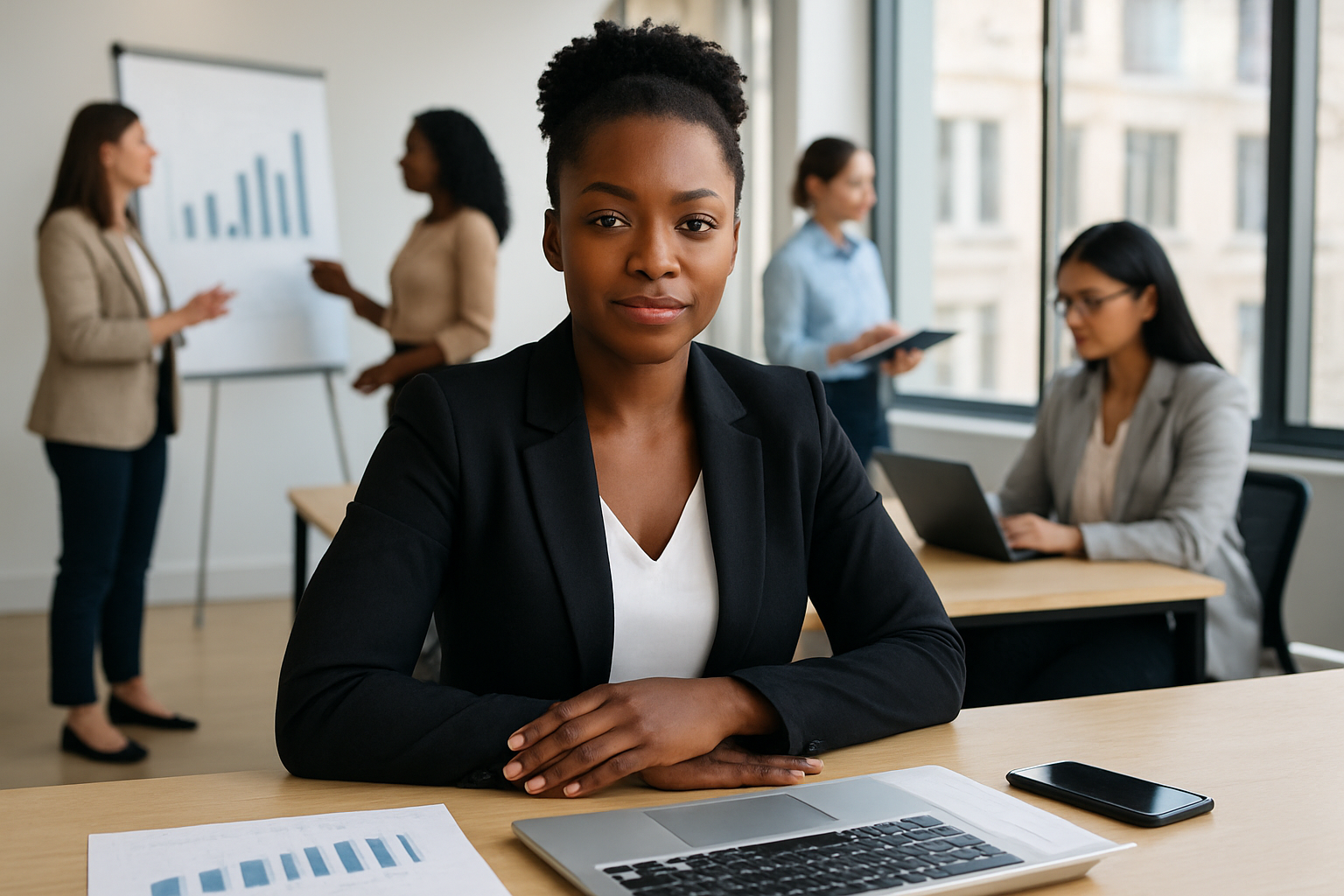
Discovering Income-Generating Opportunities Through Social Platforms
Women today are turning social media into powerful income-generating machines. Platforms like Instagram, TikTok, and YouTube have opened doors that simply didn't exist a decade ago. Female entrepreneurs social media success stories are everywhere - from micro-influencers earning thousands through affiliate marketing to creators building million-dollar businesses from their bedroom setups.
The gig economy has exploded across social platforms, giving women flexible options to earn money on their own terms. Virtual assistants connect with clients through LinkedIn, graphic designers showcase portfolios on Instagram, and freelance writers build their reputation through Twitter. These platforms level the playing field, allowing women to bypass traditional gatekeepers and create their own opportunities.
E-commerce integration has made selling products easier than ever. Women are launching boutiques through Instagram Shopping, creating digital courses on Facebook, and dropshipping products through TikTok. The barriers to entry are lower, and the potential reach is global. Social media provides built-in marketing tools that were once only available to big corporations.
Popular Income Streams on Social Media:
-
Sponsored content and brand partnerships
-
Affiliate marketing commissions
-
Digital product sales (courses, templates, guides)
-
Coaching and consulting services
-
Subscription-based content
-
Live streaming monetization
Learning Financial Literacy From Female Influencers and Educators
Women financial independence online has found strong advocates in female financial educators who are making complex topics accessible. These influencers break down intimidating subjects like investing, budgeting, and retirement planning into bite-sized, actionable content that resonates with their audiences.
Financial influencers like Tori Dunlap, Rachel Cruze, and Haley Slade have built massive followings by teaching women how to take control of their money. They share personal stories, practical tips, and step-by-step guides that make financial literacy feel achievable rather than overwhelming. Their content often addresses the unique financial challenges women face, from the gender pay gap to career breaks for caregiving.
Social media's visual nature makes financial education more engaging. Infographics explaining compound interest, video tutorials on using investment apps, and live Q&A sessions about debt payoff strategies help women learn in ways that work for them. The interactive nature of these platforms allows for real-time questions and community support.
Key Financial Topics Covered by Female Educators:
-
Emergency fund building strategies
-
Debt elimination techniques
-
Investment basics for beginners
-
Salary negotiation tactics
-
Side hustle development
-
Retirement planning for women
Building Personal Brands That Translate to Monetary Success
Modern women online presence has become a cornerstone of career advancement and income generation. Building a strong personal brand on social media isn't just about vanity metrics - it's about creating a valuable asset that opens doors to speaking engagements, consulting opportunities, book deals, and business partnerships.
Successful female personal brands focus on authenticity and expertise. Women are sharing their professional journeys, industry insights, and unique perspectives to establish themselves as thought leaders in their fields. This visibility often leads to unexpected opportunities - job offers, collaboration requests, and invitations to exclusive events.
The key to monetizing a personal brand lies in consistency and value creation. Women who regularly share helpful content, engage meaningfully with their audience, and stay true to their message tend to see the strongest returns. They understand that social media impact on women extends beyond personal fulfillment to real economic empowerment.
Personal Brand Monetization Strategies:
| Strategy | Platform Focus | Revenue Potential |
|---|---|---|
| Speaking Engagements | LinkedIn, Twitter | $5K-$50K+ per event |
| Consulting Services | All platforms | $100-$500+ per hour |
| Online Courses | Instagram, YouTube | $10K-$1M+ annually |
| Book Publishing | All platforms | $5K-$100K+ per book |
| Brand Partnerships | Instagram, TikTok | $1K-$100K+ per campaign |
The transformation of social media from entertainment platform to economic engine has created unprecedented opportunities for female empowerment social media initiatives. Women are no longer just consumers of content - they're creators, entrepreneurs, and financial educators who are reshaping the digital economy on their own terms.
Social Activism and Voice Amplification
Using Platforms to Advocate for Women's Rights and Social Causes
Social media has become the megaphone that amplifies women's voices on issues that matter most. Platforms like Twitter, Instagram, and TikTok serve as digital soapboxes where women can speak out about reproductive rights, workplace discrimination, and domestic violence. The beauty lies in how these platforms break down traditional gatekeeping - you don't need a journalism degree or media connections to share your story and reach millions.
Women are creating powerful content that goes viral, sparking conversations that might never have happened in mainstream media. A single Instagram post about period poverty can reach thousands of young women who finally realize they're not alone in their struggles. Women social activism digital platforms have democratized advocacy, allowing everyday women to become powerful voices for change.
Creating Awareness About Gender Inequality and Discrimination
The power of storytelling on social media has exposed gender inequality in ways that statistics never could. Women share their experiences with the gender pay gap through LinkedIn posts, document street harassment on TikTok, and use Twitter threads to explain complex issues like reproductive justice. These personal narratives create emotional connections that drive real understanding.
Social media impact on women extends beyond individual stories. Women are using data visualization, infographics, and educational content to make complex gender issues accessible to broader audiences. The #MeToo movement exemplifies how personal experiences shared online can illuminate systemic problems that were previously hidden or dismissed.
Building Movements and Organizing Collective Action
Digital platforms have revolutionized how women organize for change. Facebook groups dedicated to women's rights can mobilize thousands for protests within hours. Instagram Stories coordinate donation drives for reproductive health organizations. Twitter hashtags like #TimesUp and #BelieveWomen create unified messaging across different causes.
Female empowerment social media manifests through coordinated campaigns that combine online advocacy with real-world action. Women use scheduling tools to create synchronized posting campaigns, leverage Instagram's donation stickers for fundraising, and organize virtual town halls that connect activists across geographical boundaries. The speed and scale of organization possible through digital platforms far exceed traditional organizing methods.
Connecting with Like-Minded Activists Globally
Social media breaks down geographical barriers, allowing women from different continents to collaborate on shared causes. A feminist activist in Mumbai can connect with someone fighting similar battles in Mexico City, sharing strategies and offering mutual support. These connections create a global sisterhood that strengthens local movements.
Women digital identity now includes participation in international networks of change-makers. Activists use translation tools to overcome language barriers, participate in virtual conferences that would have been impossible to attend physically, and learn from successful campaigns in other countries. This global perspective enriches local activism with diverse strategies and approaches.
Challenging Traditional Power Structures Through Digital Influence
Modern women online presence has disrupted traditional power hierarchies in unexpected ways. Women who might never have had access to mainstream media platforms can now build massive followings and influence public opinion. A mom blogger can challenge corporate policies, a college student can hold politicians accountable, and grassroots organizers can compete with established advocacy organizations for attention and resources.
Social media metrics - followers, shares, engagement - create new forms of social capital that women can leverage for change. Brands and politicians now pay attention to social media influencers because they recognize the power these women wield over public opinion. This shift has forced traditional institutions to become more responsive to women's concerns, as they can no longer ignore voices that command digital audiences in the millions.

Social media has completely changed what it means to be a woman today. From building professional networks that open doors to new opportunities, to finding communities that support career growth, women are using these platforms to advance in ways that weren't possible before. The digital world has become a space where female voices can reach millions, driving important conversations about equality, justice, and change that make real impacts in society.
The flip side is real too - the pressure to look perfect and measure up to endless filtered images takes a toll on how women see themselves and their worth. But here's what's encouraging: more women are also using these same platforms to build businesses, create multiple income streams, and achieve financial freedom on their own terms. The key is finding balance and using social media intentionally - as a tool for growth and connection rather than comparison. Make your feed work for you by following accounts that inspire and educate, and don't be afraid to take breaks when you need them.
.png)


Comments
Post a Comment