The significance of Easter and why we celebrate it
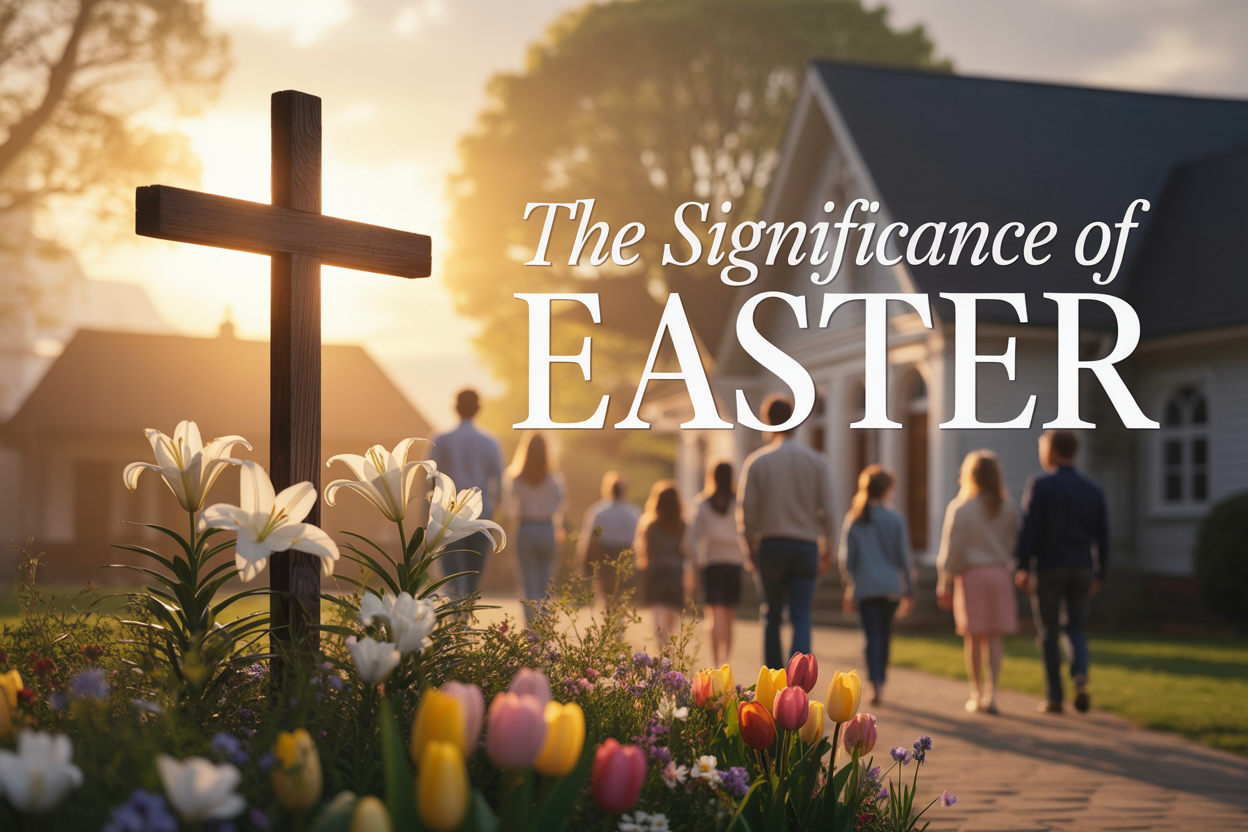
Easter stands as Christianity's most important celebration, but many people wonder about the deeper meaning behind the holiday beyond egg hunts and family gatherings. This guide is perfect for anyone curious about Easter's true significance—whether you're exploring faith, teaching children about religious traditions, or simply wanting to understand why millions worldwide mark this special day.
Easter commemorates the resurrection of Jesus Christ, an event that changed the course of human history and became the cornerstone of Christian belief. The significance of Easter goes far beyond its religious roots, shaping cultural traditions that bring families together and communities closer.
We'll explore Easter's historical origins and biblical foundation to understand how this celebration began over 2,000 years ago. You'll discover the deep religious and spiritual meaning that makes Easter the highlight of the Christian calendar. We'll also look at how Easter traditions have evolved into the cultural practices we know today, from sunrise services to Easter egg traditions that delight children worldwide.
Historical Origins and Biblical Foundation of Easter
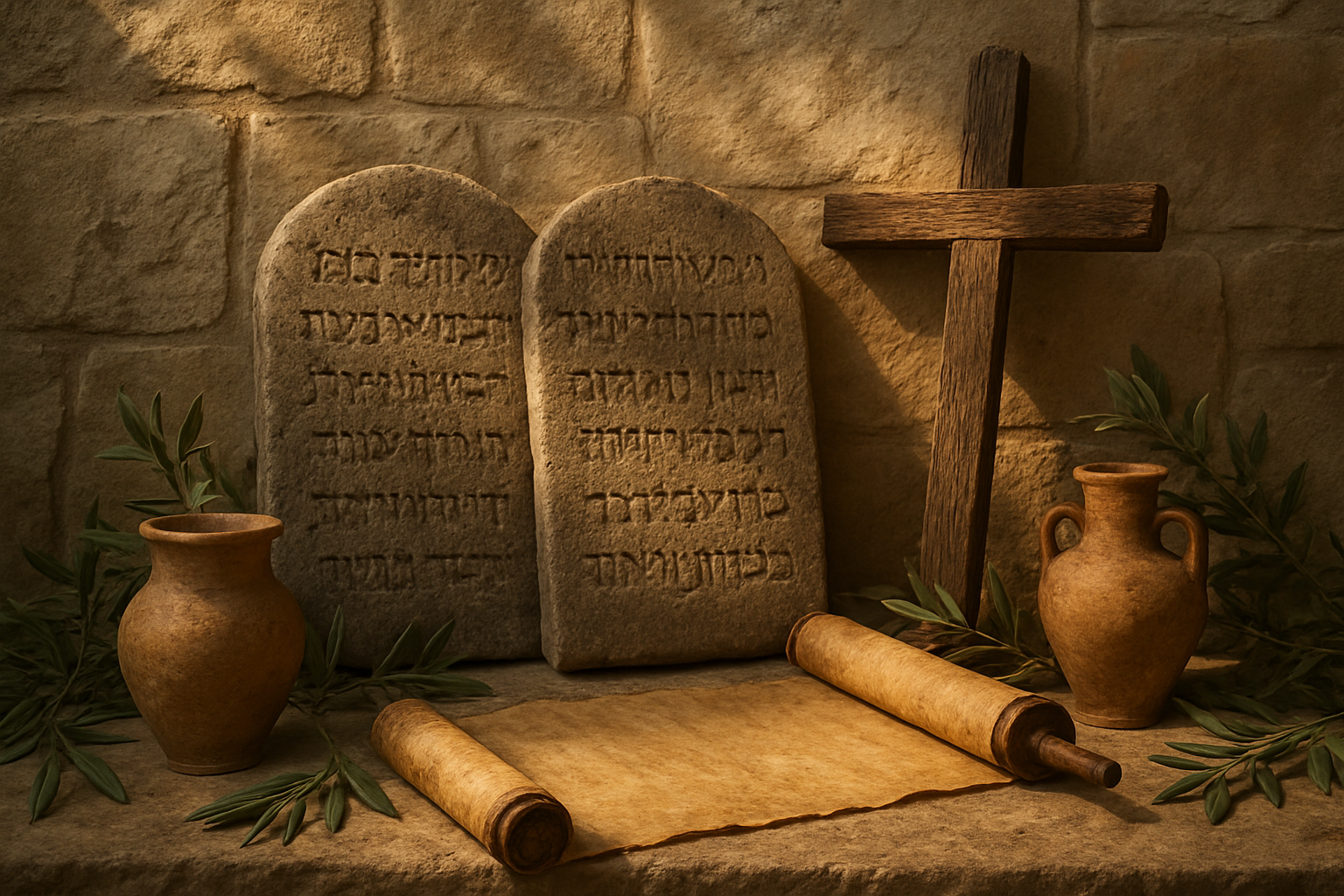
The crucifixion and resurrection of Jesus Christ as the cornerstone event
Easter's biblical foundation centers on the crucifixion, death, and resurrection of Jesus Christ, which Christians believe occurred around 30-33 CE in Jerusalem. According to the Gospels of Matthew, Mark, Luke, and John, Jesus was arrested, tried, and sentenced to death by crucifixion under Roman governor Pontius Pilate. The crucifixion took place on what Christians now call Good Friday, followed by Jesus's burial in a tomb.
The resurrection account describes how Jesus rose from the dead on the third day, which became the first Easter Sunday. This event represents the victory over sin and death in Christian theology, offering believers the promise of eternal life. The resurrection appearances to Mary Magdalene, the disciples, and other followers provided the foundation for early Christian faith and the establishment of Christianity as a distinct religion.
These events form the core of Easter's significance because they represent God's redemptive plan for humanity. The crucifixion symbolizes the ultimate sacrifice for human sin, while the resurrection demonstrates divine power over death itself. Without these foundational events, Easter would lose its spiritual meaning and transformative power in Christian faith.
Connection to Jewish Passover traditions and timing
Easter's timing directly connects to the Jewish Passover festival, creating a bridge between Old and New Testament traditions. Jesus's crucifixion occurred during Passover week, when Jews commemorated their liberation from Egyptian slavery. This connection wasn't coincidental – early Christians saw deep theological meaning in the timing.
The Passover lamb, sacrificed for the protection of Jewish households in Egypt, became a powerful symbol that Christians applied to Jesus Christ. Just as the lamb's blood saved the Israelites from death, Christians believe Jesus's sacrifice saves humanity from spiritual death. This parallel established Jesus as the "Lamb of God" in Christian theology.
The timing also explains why Easter's date moves each year. Early Christians initially celebrated Easter on the same date as Passover, following the Jewish lunar calendar. The Council of Nicaea in 325 CE established that Easter would fall on the first Sunday after the first full moon following the spring equinox, maintaining the seasonal connection while creating a distinct Christian observance.
Key connections include:
-
Both festivals celebrate liberation and freedom
-
Sacrificial lamb symbolism in both traditions
-
Shared themes of redemption and divine intervention
-
Similar ritual meals (Passover Seder and Last Supper)
Early Christian church establishment of Easter celebrations
The earliest Christians didn't immediately establish formal Easter celebrations as we know them today. Initially, they gathered weekly on Sunday to commemorate the resurrection, making every Sunday a mini-Easter. However, as Christianity spread throughout the Roman Empire, the need for a special annual observance became apparent.
By the second century, Christian communities were debating the proper timing and manner of Easter celebrations. The Quartodeciman controversy emerged, with some Christians wanting to celebrate on the 14th of Nisan (following Jewish calendar), while others preferred the Sunday following. This wasn't just about dates – it reflected deeper questions about Christianity's relationship with Judaism.
The Council of Nicaea resolved this dispute by establishing uniform Easter practices across the Christian world. They created a standardized calculation method and emphasized Easter Sunday as the culmination of Holy Week. This decision helped unify Christian communities and established Easter as Christianity's most important celebration.
Early Easter celebrations included:
-
Extended fasting periods leading up to the festival
-
Baptisms of new converts on Easter Sunday
-
Special liturgies and prayers
-
Community feasts following the resurrection service
-
Distribution of blessed bread and other symbolic foods
Evolution from ancient pagan spring festivals to Christian holy day
Christianity's spread through the Roman Empire brought contact with existing pagan spring festivals, leading to complex cultural exchanges. Many pre-Christian cultures celebrated spring renewal, fertility, and rebirth during the same seasonal period when Easter occurs. Rather than completely rejecting these traditions, early Christian leaders often adapted and transformed them.
The name "Easter" itself likely derives from Eostre, an Anglo-Saxon goddess of spring and dawn. Germanic and Celtic tribes celebrated spring festivals featuring symbols like eggs and rabbits, representing new life and fertility. As these populations converted to Christianity, familiar symbols took on new Christian meanings.
This cultural blending created opportunities for evangelism while preserving meaningful seasonal connections. Easter eggs became symbols of Christ's tomb and resurrection, while spring flowers represented new spiritual life. The timing of Easter during spring's arrival reinforced themes of renewal, rebirth, and victory over the death of winter.
The transformation wasn't immediate or uniform across regions. Different areas developed unique combinations of Christian theology and local customs, creating the rich variety of Easter traditions we see today. This evolution demonstrates Christianity's ability to engage meaningfully with existing cultures while maintaining core theological principles.
Modern Easter celebrations still reflect this historical layering, combining biblical foundation with cultural traditions that help communities connect seasonal renewal with spiritual transformation.
Religious Significance and Spiritual Meaning
Resurrection as Proof of Jesus's Divine Nature and Victory Over Death
The resurrection stands as Christianity's most profound claim and the cornerstone of Easter's religious meaning of Easter. According to Christian doctrine, Jesus's return from the dead after three days validates his identity as the Son of God and demonstrates divine power over humanity's greatest enemy - death itself. This miraculous event separates Christianity from other world religions, as it presents a deity who didn't just teach about overcoming mortality but actually conquered it.
The empty tomb serves as tangible evidence that Jesus possessed supernatural authority. Early disciples transformed from fearful followers hiding in locked rooms to bold evangelists willing to die for their beliefs. This dramatic change suggests they witnessed something extraordinary that convinced them beyond doubt. The resurrection proves Jesus's earlier claims about his divine nature weren't mere boastful statements but literal truth.
Death has always represented humanity's ultimate limitation, the final boundary no human can cross and return. By rising from the grave, Jesus shattered this universal law, revealing divine power that transcends natural order. This victory offers hope that death isn't the end but a doorway to something greater.
Promise of Eternal Life and Salvation for Believers
Easter's spiritual significance of Easter centers on the promise that Jesus's resurrection opened the path to eternal life for all who believe. Christian theology teaches that sin created a barrier between humanity and God, with death as the ultimate consequence. The resurrection removes this barrier, offering salvation to anyone who accepts Jesus as their savior.
The promise isn't just about avoiding punishment but gaining access to eternal communion with God. Believers receive assurance that physical death becomes merely a transition, not a termination. This transforms how Christians view mortality, suffering, and life's challenges. The resurrection guarantee means current struggles pale compared to future glory.
This promise extends beyond individual salvation to cosmic restoration. Christians believe Jesus's victory over death signals the beginning of creation's renewal, where suffering, pain, and injustice will ultimately be eliminated. Easter celebrates not just personal hope but universal redemption.
Renewal of Faith and Spiritual Rebirth Symbolism
The Easter celebration importance includes powerful symbolism of renewal and spiritual rebirth that resonates deeply with believers. Spring's arrival during Easter season creates natural parallels between physical renewal in nature and spiritual revival in human hearts. Dead winter gives way to blooming life, mirroring how spiritual death transforms into vibrant faith.
Baptism ceremonies often occur during Easter, symbolizing believers' identification with Jesus's death and resurrection. The water represents washing away old life while emerging clean symbolizes new spiritual birth. This ritual captures Easter's transformative power in tangible ways.
The season encourages Christians to examine their hearts, confess failures, and recommit to following Jesus. Many use Easter as a spiritual reset button, abandoning harmful habits and embracing healthier spiritual practices. The resurrection power that raised Jesus becomes available for personal transformation, enabling believers to overcome persistent struggles and grow in character.
Churches worldwide emphasize renewal themes through special services, encouraging congregations to experience fresh spiritual vitality and deeper commitment to their faith journey.
Cultural Traditions and Modern Celebrations
Easter Sunday Church Services
Easter Sunday marks the cornerstone of Christian worship, bringing together congregations worldwide in celebration of resurrection. Churches transform their sanctuaries with vibrant flowers, white linens, and joyful music that echoes the triumph over death. Many Christians attend special sunrise services, symbolizing the dawn of new hope, while traditional morning services feature triumphant hymns like "Christ the Lord is Risen Today" and powerful sermons about victory over sin.
The Easter traditions and customs during these services create memorable experiences for families. Children often participate in special programs, Easter pageants, and choir performances. Churches frequently organize baptisms on Easter Sunday, representing the spiritual rebirth that aligns with the season's theme of renewal and new beginnings.
Easter Eggs as Symbols of New Life and Rebirth
Decorated eggs have become one of the most recognizable Easter cultural practices, representing the promise of new life emerging from apparent death. The tradition of coloring eggs dates back centuries, with different cultures adding their unique touches to this symbol of resurrection and fertility.
Modern Easter egg traditions include:
-
Dyeing hard-boiled eggs in bright spring colors
-
Elaborate egg hunts for children in backyards and parks
-
Chocolate eggs filled with candies and surprises
-
Decorative egg crafts using various techniques and materials
The egg hunt has evolved into a community-wide celebration in many neighborhoods, with parents organizing elaborate searches that bring families together. Some communities host massive public egg hunts with thousands of participants, creating lasting memories and strengthening social bonds.
Easter Bunny Tradition and Gift-Giving Customs
The Easter bunny emerged as a beloved figure combining ancient fertility symbols with modern gift-giving traditions. This cheerful character delivers Easter baskets filled with chocolates, toys, and treats, creating excitement similar to Christmas morning for many families.
Contemporary Easter gift exchanges often include:
-
Easter baskets filled with themed items and sweets
-
Stuffed animals and spring-themed toys
-
New clothing for Easter Sunday services
-
Books and games with Easter or spring themes
Shopping centers and malls invite families to visit the Easter bunny for photos, continuing the tradition of capturing childhood wonder. Many parents create elaborate basket presentations, hiding them around the house for children to discover on Easter morning.
Family Gatherings and Festive Meals
Easter dinner ranks among the most important family meals of the year, often featuring traditional dishes that vary by culture and region. Ham takes center stage in many American households, while lamb appears frequently in Mediterranean and Middle Eastern celebrations. The meal becomes a time for extended families to reconnect, share stories, and create new memories together.
Popular Easter feast elements include:
| Main Dishes | Side Dishes | Desserts |
|---|---|---|
| Glazed ham | Scalloped potatoes | Carrot cake |
| Roasted lamb | Green bean casserole | Lemon desserts |
| Prime rib | Asparagus | Hot cross buns |
| Stuffed turkey | Fresh salads | Easter cookies |
These gatherings often span entire afternoons, with multiple generations sharing meals, playing games, and participating in Easter activities together. Many families establish unique traditions, such as special recipes passed down through generations or annual group photos in Easter outfits.
Spring Cleaning and Home Decoration Practices
Easter coincides with spring's arrival, inspiring households to embrace renewal through deep cleaning and fresh decorating. This Easter cultural practice transforms living spaces with pastel colors, fresh flowers, and nature-inspired elements that reflect the season's energy and growth.
Common spring renewal activities include:
-
Deep cleaning rooms and organizing spaces
-
Fresh flower arrangements featuring tulips, daffodils, and lilies
-
Light, airy decorations replacing winter's heavier themes
-
Garden preparation for spring planting and outdoor activities
Many families use this time to redecorate with lighter fabrics, brighter colors, and seasonal accents that celebrate rebirth and renewal. The practice connects households with nature's cycles while creating welcoming environments for Easter gatherings and the warmer months ahead.
Personal and Community Benefits of Easter Celebration
Strengthening Family Bonds Through Shared Traditions
Easter celebration importance goes far beyond religious observance—it creates powerful opportunities for families to connect and build lasting memories together. When families gather to decorate eggs, prepare traditional meals, or attend sunrise services, they're participating in rituals that have been passed down through generations. These shared experiences create a sense of continuity and belonging that children carry into adulthood.
The preparation process itself brings families together in meaningful ways. From shopping for Easter outfits to planning holiday menus, these activities encourage collaboration and communication. Children learn family recipes from grandparents, hear stories about past celebrations, and develop their own traditions that they'll eventually share with their children.
Holiday traditions also provide stability and predictability in an increasingly fast-paced world. When families know they'll gather every Easter morning for breakfast before church, or that they'll spend Easter afternoon hunting for eggs in the backyard, these rituals become anchors that strengthen family identity and create anticipation throughout the year.
Opportunity for Spiritual Reflection and Personal Growth
The Easter season naturally invites deep contemplation about life's bigger questions. The themes of sacrifice, redemption, and renewal that define Easter significance encourage people to examine their own lives and relationships. This period of reflection often leads to personal breakthroughs and positive changes.
Many people use the weeks leading up to Easter as a time for spiritual disciplines like prayer, fasting, or meditation. These practices create space for introspection and help individuals reconnect with their values and priorities. The contrast between Good Friday's solemnity and Easter Sunday's joy mirrors the human experience of struggle followed by hope and renewal.
The spiritual significance of Easter also provides comfort during difficult times. The message of resurrection offers hope to those facing loss, illness, or other challenges. This hope isn't just abstract theology—it translates into practical resilience and the ability to see beyond current circumstances.
Personal growth often emerges from engaging with Easter's central themes. People report making important life decisions, healing broken relationships, or finding new purpose during this season of reflection and renewal.
Community Building Through Church and Neighborhood Activities
Easter brings communities together in unique and powerful ways. Churches become hubs of activity with special services, community dinners, and outreach programs that welcome both members and visitors. These gatherings create opportunities for people to connect with neighbors they might not otherwise meet.
Community Easter egg hunts, sponsored by churches, schools, or neighborhood associations, transform public spaces into places of joy and connection. Parents chat while children play, creating informal networks that often develop into lasting friendships. These events break down social barriers and create inclusive spaces where families from different backgrounds can celebrate together.
Many communities organize Easter service projects that address local needs—food drives, clothing donations, or volunteer work at shelters. These activities demonstrate Easter's message of love and compassion in practical ways while building stronger community bonds. Working together toward common goals helps neighbors see each other as allies rather than strangers.
The religious meaning of Easter also inspires interfaith dialogue and cooperation. Communities often host joint Easter services or collaborative charitable projects that bring different faith traditions together around shared values of hope, renewal, and service to others.
.png)
Easter stands as one of the most meaningful celebrations in human history, bringing together deep spiritual significance with rich cultural traditions that have shaped communities for thousands of years. From its biblical roots commemorating Christ's resurrection to the vibrant customs we see today, Easter offers a powerful reminder of hope, renewal, and new beginnings. The holiday connects us to our faith, strengthens family bonds, and creates opportunities for communities to come together in celebration and reflection.
Whether you observe Easter through religious services, family gatherings, or personal moments of contemplation, this special time of year invites everyone to embrace the spirit of rebirth and transformation keeping Christ at the center. Take time this Easter season to connect with what matters most to you - whether that's deepening your faith, spending quality time with loved ones, or simply pausing to appreciate the beauty of spring and the promise of fresh starts that Easter represents.
.png)


Comments
Post a Comment