Traditional Easter Recipes to Excite the Season
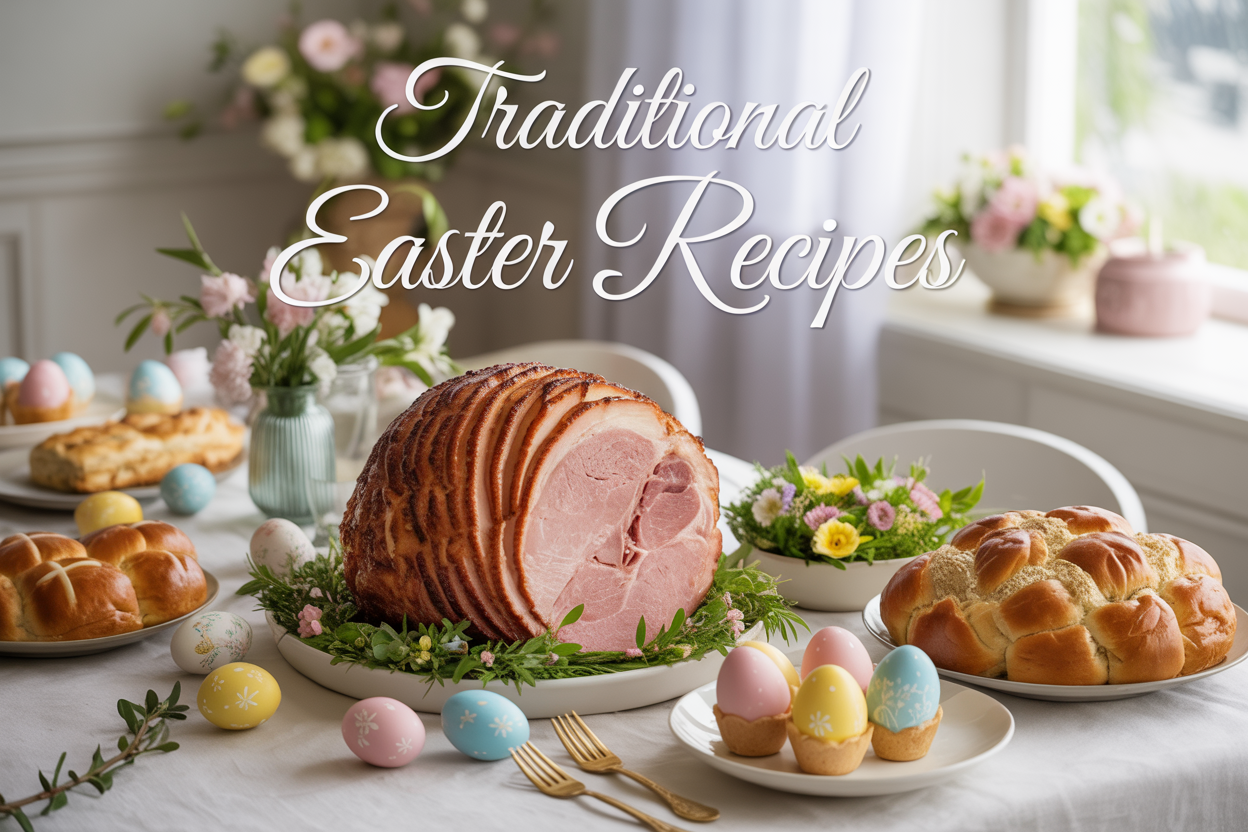
Easter brings families together around tables filled with cherished dishes passed down through generations. For home cooks planning their Easter feast menu ideas and families wanting to honor beloved food traditions, the right traditional Easter recipes can transform your celebration into something truly memorable.
From glazed ham and roasted lamb that anchor classic Easter dinner ideas to sweet breads that fill your kitchen with warmth, these time-tested recipes connect us to our heritage while creating new memories. You'll discover how to prepare show-stopping Easter main course recipes that serve as the centerpiece of your meal, explore the rich world of Easter baking traditions with breads and pastries that tell stories, and master colorful Easter egg dishes that delight both kids and adults at your table.
Classic Easter Main Dishes That Bring Families Together
Perfect Glazed Ham Recipes for Your Easter Table
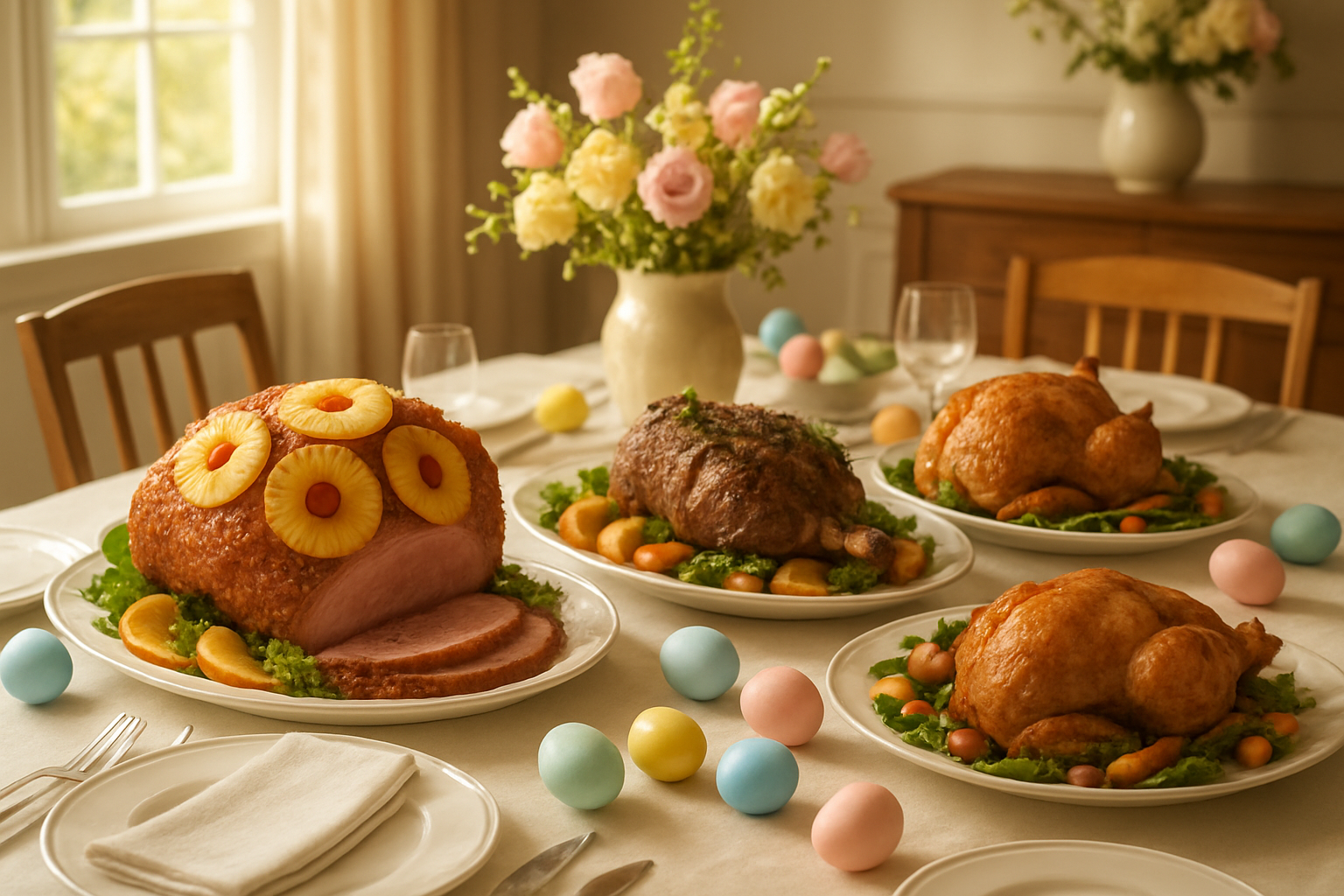
Ham stands as the centerpiece of countless Easter celebrations, bringing warmth and tradition to family gatherings. The secret to exceptional Easter main course recipes lies in the perfect balance of sweet and savory glazes that caramelize beautifully during roasting.
Start with a bone-in spiral-cut ham weighing 8-10 pounds for optimal flavor and presentation. Score the surface in a diamond pattern, creating pockets for the glaze to penetrate deeply. Classic honey-brown sugar glazes remain popular, but maple-bourbon combinations add sophisticated depth. Mix together 1 cup brown sugar, ½ cup honey, ¼ cup Dijon mustard, and 2 tablespoons bourbon for a glaze that transforms ordinary ham into something extraordinary.
Apply the glaze during the final 30 minutes of cooking, basting every 10 minutes to build layers of caramelized flavor. The internal temperature should reach 140°F for pre-cooked hams. For an elegant touch, stud the ham with whole cloves before glazing, creating aromatic warmth throughout your dining space.
Temperature control makes all the difference. Cook at 325°F, allowing approximately 15 minutes per pound. Cover with foil initially, removing it during the glazing phase to achieve that beautiful golden-brown finish that makes traditional Easter recipes so memorable.
Traditional Roasted Lamb with Herbs and Seasonal Vegetables
Roasted lamb embodies Easter's spiritual significance while delivering incredible flavors that define classic Easter dinner ideas. This ancient tradition transforms your dining room into a feast worthy of celebration, combining aromatic herbs with tender, succulent meat.
Choose a leg of lamb weighing 5-7 pounds, bone-in for maximum flavor. Create herb paste using minced garlic, fresh rosemary, thyme, oregano, olive oil, salt, and black pepper. Make small incisions throughout the meat, stuffing them with this aromatic mixture. The herb penetration creates flavor pockets that infuse every bite.
Surround the lamb with seasonal spring vegetables – new potatoes, baby carrots, pearl onions, and asparagus spears. These vegetables absorb the lamb's natural juices, creating perfectly complementary side dishes. Season vegetables with olive oil, salt, and herbs before roasting alongside the meat.
Cook at 450°F for the first 15 minutes to sear the exterior, then reduce to 350°F. Target internal temperatures of 125°F for rare, 135°F for medium-rare, or 145°F for medium. Use a meat thermometer for accuracy, as overcooked lamb loses its tender texture and delicate flavor.
Rest the lamb for 15 minutes before carving, allowing juices to redistribute throughout the meat. This resting period ensures each slice remains moist and flavorful.
Time-Honored Easter Turkey Preparations
Turkey offers a magnificent alternative for Easter family recipes, especially when traditional preparation methods highlight the bird's natural flavors. Many families choose turkey for its impressive presentation and ability to feed large gatherings comfortably.
Brine the turkey 24 hours before roasting for exceptional moisture retention. Combine 1 gallon water, 1 cup kosher salt, ½ cup sugar, bay leaves, peppercorns, and fresh herbs. This brine penetrates the meat, seasoning from within while preventing dryness during roasting.
Stuff the cavity with quartered lemons, onions, and fresh herb bundles – sage, rosemary, and thyme work beautifully. Rub softened butter mixed with minced garlic and herbs under the skin, creating a natural basting system that keeps breast meat incredibly moist.
Roast at 325°F, calculating 13 minutes per pound for unstuffed birds. Start breast-side down for the first hour, then flip to achieve golden-brown skin. This method allows back juices to flow into breast meat, preventing the common problem of dry white meat.
Tent with foil if browning too quickly, removing it during the final 30 minutes for crispy skin. The internal temperature should reach 165°F in the thickest part of the thigh.
Regional Easter Meat Dishes from Around the World
Easter traditions span cultures, each bringing unique traditional Easter recipes that reflect local ingredients and cooking methods. These diverse preparations showcase how different regions celebrate this important holiday through food.
Greek Arni Psito features lamb marinated in lemon juice, olive oil, oregano, and garlic, then slow-roasted until fork-tender. Greeks often stuff the lamb with rice, nuts, and herbs, creating a complete meal within the meat itself.
Italian Agnello alle Erbe combines leg of lamb with anchovy paste, rosemary, and white wine. The anchovy melts during cooking, adding umami depth without fishy flavor. Italians serve this with roasted vegetables and crusty bread for soaking up pan juices.
Polish Baranina involves lamb shoulder braised with root vegetables, creating tender, fall-apart meat perfect for Easter Sunday. The long, slow cooking method infuses the meat with vegetable flavors while creating rich, satisfying gravy.
Spanish Cordero Asado features milk-fed lamb seasoned simply with salt, pepper, and olive oil, then roasted in clay ovens. This minimalist approach highlights the lamb's natural sweetness and tender texture.
Each regional approach offers different flavor profiles while maintaining the ceremonial importance of sharing exceptional meat dishes during Easter celebrations.
Beloved Easter Bread and Baking Traditions
Hot Cross Buns with Authentic Spices and Glazes
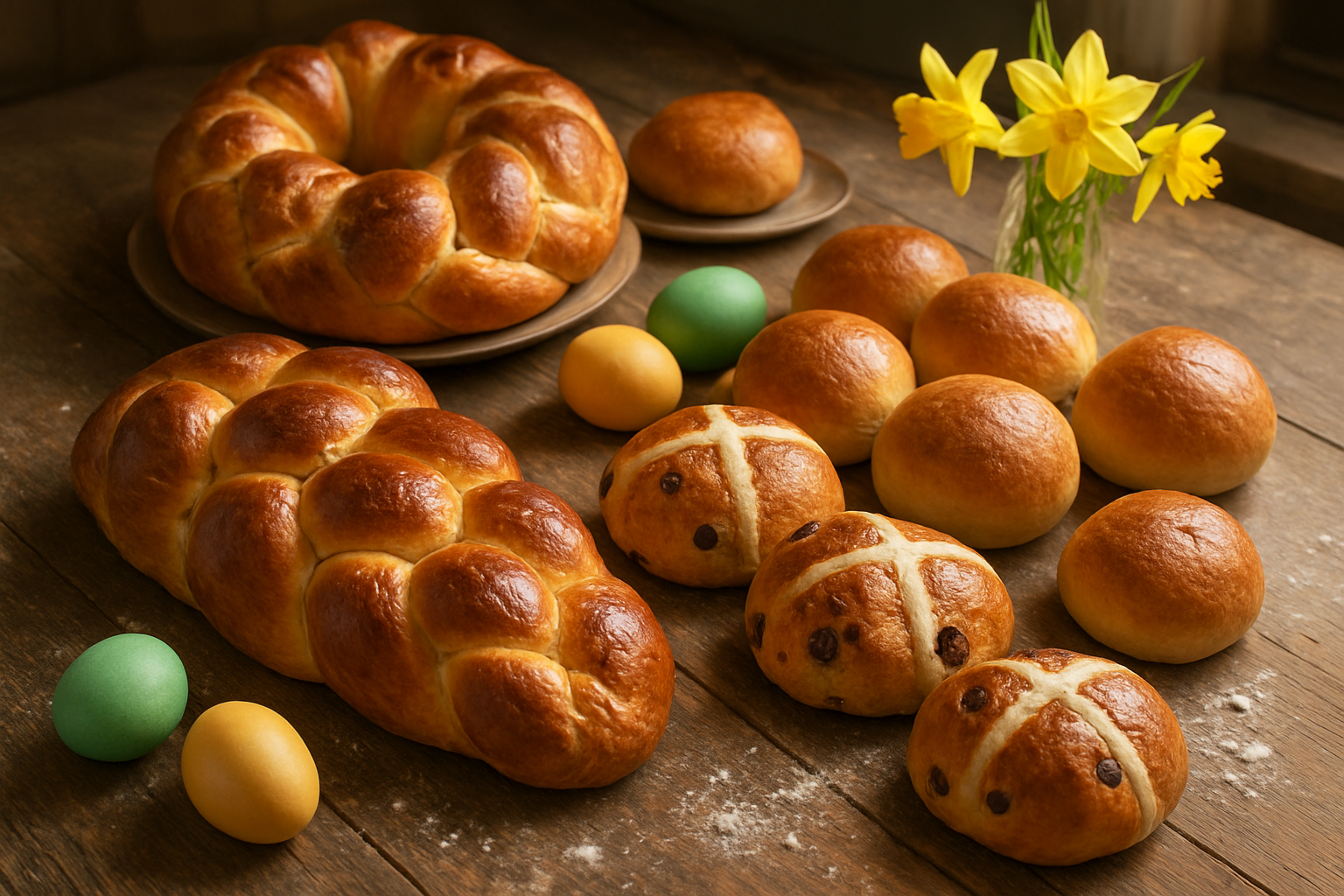
Hot cross buns represent one of the most beloved Easter baking traditions, carrying centuries of symbolism and flavor. These spiced sweet rolls, marked with their signature cross, combine warm spices like cinnamon, nutmeg, and allspice with dried currants or raisins. The secret to exceptional hot cross buns lies in the dough preparation - allowing proper rising time and incorporating the perfect balance of orange zest and mixed spice.
Creating the perfect glaze requires a simple mixture of flour and water or milk, piped onto the buns before baking to form the iconic cross. For the finishing touch, brush warm buns with a honey or apricot jam glaze that adds shine and sweetness. Many bakers enhance their traditional Easter recipes by adding candied orange peel or experimenting with different dried fruits like cranberries or golden raisins.
The timing matters significantly when making hot cross buns. Start the process early in the day to allow for multiple rising periods, which develop the tender, pillowy texture these buns are known for. Temperature control during proofing ensures the yeast works properly, creating buns that are light and airy rather than dense.
Easter Bread Recipes from European Heritage
European Easter bread recipes showcase diverse regional traditions that have shaped holiday baking for generations. Italian Pane di Pasqua features anise flavoring and often includes whole eggs baked directly into the dough, symbolizing new life and rebirth. The bread's golden color comes from egg yolks and sometimes saffron, creating a rich, festive appearance.
Greek Tsoureki stands out with its distinctive mahlab spice and mastic flavoring, ingredients that create a unique aromatic profile. The dough incorporates orange zest and is enriched with butter and eggs, resulting in a brioche-like texture. Red-dyed eggs are traditionally nestled into the braided dough before baking.
Polish Babka showcases the art of enriched yeast dough, requiring patience and technique to achieve its characteristic tall, airy structure. The dough gets folded multiple times with butter, similar to croissant-making techniques, creating distinct layers and a tender crumb. Some variations include raisins, candied fruits, or nuts.
German Osterbrot often features marzipan and dried fruits, with recipes varying by region. The bread gets shaped into wreaths or braids and decorated with almonds or pearl sugar for added texture and visual appeal.
Sweet Easter Rolls and Festive Shaped Breads
Easter family recipes for shaped breads transform simple dough into edible art that delights both children and adults. Dove-shaped breads symbolize peace and the Holy Spirit, requiring careful shaping techniques to achieve recognizable forms. Rolling and stretching the dough properly ensures the shape holds during baking without losing definition.
Braided breads offer endless creative possibilities, from simple three-strand braids to elaborate six or eight-strand patterns. Each braid style creates different textures and appearances - tighter braids produce denser sections while looser braids create more open, airy pockets. Egg wash applied before baking gives these breads their characteristic golden-brown shine.
Flower and nest-shaped breads provide opportunities for incorporating colored eggs directly into the design. These Easter baking traditions often use a slightly sweet dough that complements both savory and sweet accompaniments. The key to success lies in proper dough consistency - too soft and shapes won't hold, too stiff and the bread becomes dense.
Ring-shaped breads represent eternal life and work beautifully as centerpieces for Easter tables. These can be decorated with seeds, nuts, or dried fruits before baking, adding both flavor and visual interest to the finished product.
Colorful Easter Egg Dishes and Creative Preparations
Easter Egg Salad Variations for Spring Gatherings
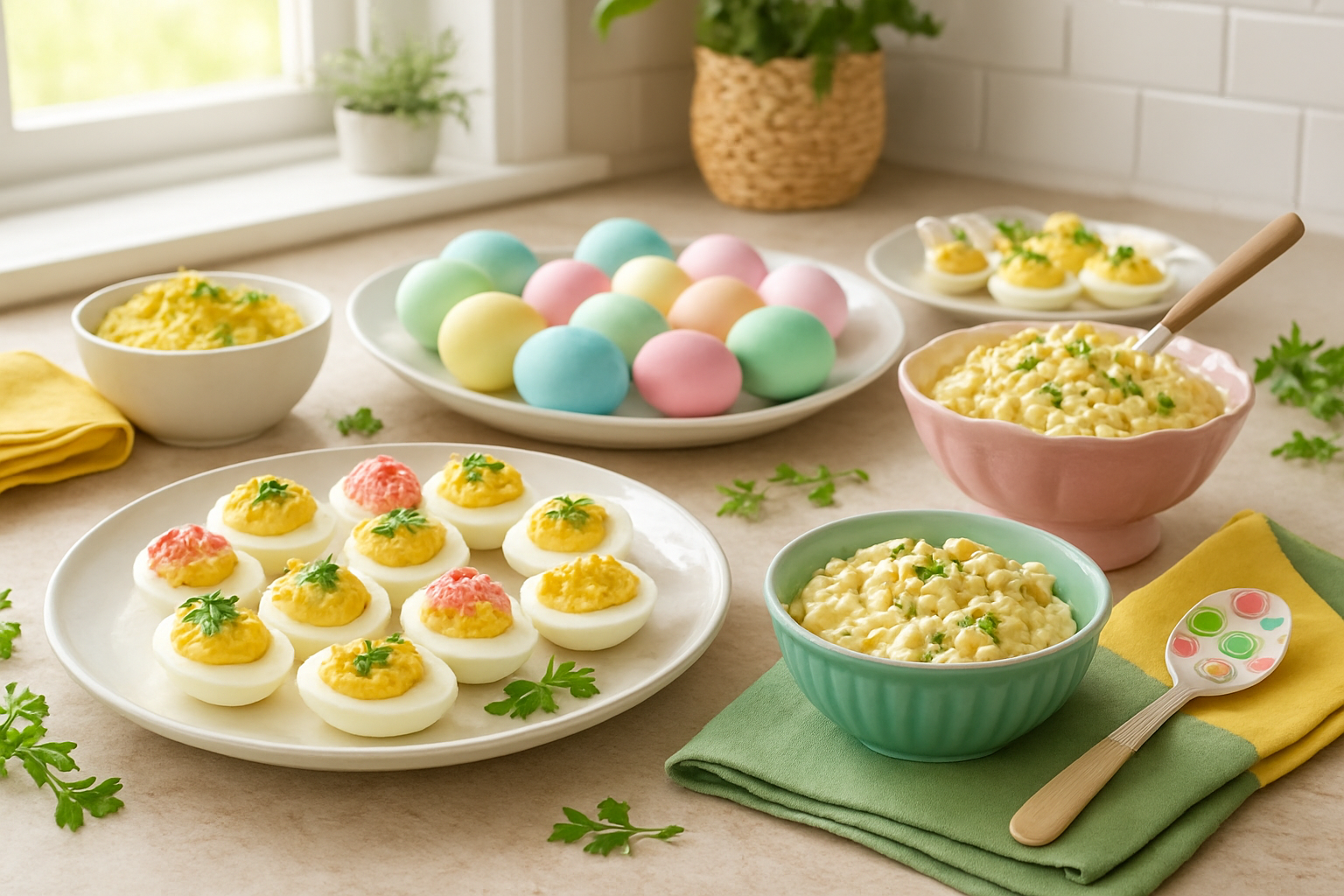
Classic egg salad gets a festive makeover when you transform traditional Easter egg dishes into crowd-pleasing variations perfect for spring celebrations. Start with a foundation of perfectly hard-boiled eggs – the secret lies in using eggs that are at least a week old for easier peeling. For a traditional spring twist, mix chopped eggs with mayonnaise, fresh dill, and finely minced chives from your garden.
Create colorful variations by incorporating seasonal ingredients. The garden-fresh version combines eggs with cucumber, radishes, and tender spring lettuce for delightful crunch. For something more sophisticated, try the deviled egg salad that blends the creamy yolk mixture with paprika and a touch of mustard, then serves it over mixed greens.
Make individual egg salad cups using hollowed-out dinner rolls or serve family-style in a beautiful spring bowl garnished with edible flowers. These Easter family recipes work beautifully for buffet-style gatherings where guests can customize their portions.
Pickled Easter Eggs with Vibrant Natural Colors
Transform ordinary hard-boiled eggs into stunning centerpieces using natural ingredients that create gorgeous hues without artificial dyes. Red cabbage produces beautiful blue and purple tones, while turmeric creates golden yellow eggs that practically glow on your Easter table.
The pickling process is surprisingly simple. Create your brine using equal parts water and white vinegar, add salt and your chosen natural coloring agent, then bring everything to a boil. Beets create deep magenta colors, yellow onion skins produce warm amber tones, and spinach yields soft green shades.
For the most vibrant results, let eggs sit in their colored brine for at least 24 hours in the refrigerator. The longer they pickle, the more intense the colors become. These pickled beauties keep for up to two weeks and make excellent additions to salads, charcuterie boards, or eaten straight as a tangy snack.
Baked Egg Casseroles Perfect for Easter Brunch
Easter brunch calls for dishes that feed a crowd without keeping the cook chained to the stove. Baked egg casseroles deliver on both fronts while incorporating traditional Easter dinner ideas into convenient make-ahead formats.
The classic Easter strata combines day-old bread, eggs, milk, and cheese, then gets elevated with spring additions like asparagus, ham, and fresh herbs. Prepare it the night before, refrigerate overnight, then bake fresh in the morning while you focus on other Easter feast menu ideas.
For something different, try a hash brown egg bake that layers crispy potatoes with beaten eggs, cheese, and your choice of breakfast meats. The Spanish-inspired version uses roasted red peppers, chorizo, and manchego cheese for a more sophisticated flavor profile.
Individual baked egg cups work perfectly for families with different dietary preferences. Use muffin tins to create personalized portions – some with bacon and cheddar, others with vegetables and goat cheese. These Easter egg dishes reheat beautifully and can accommodate various dietary restrictions with simple substitutions.
Traditional Easter Desserts That Sweeten the Celebration
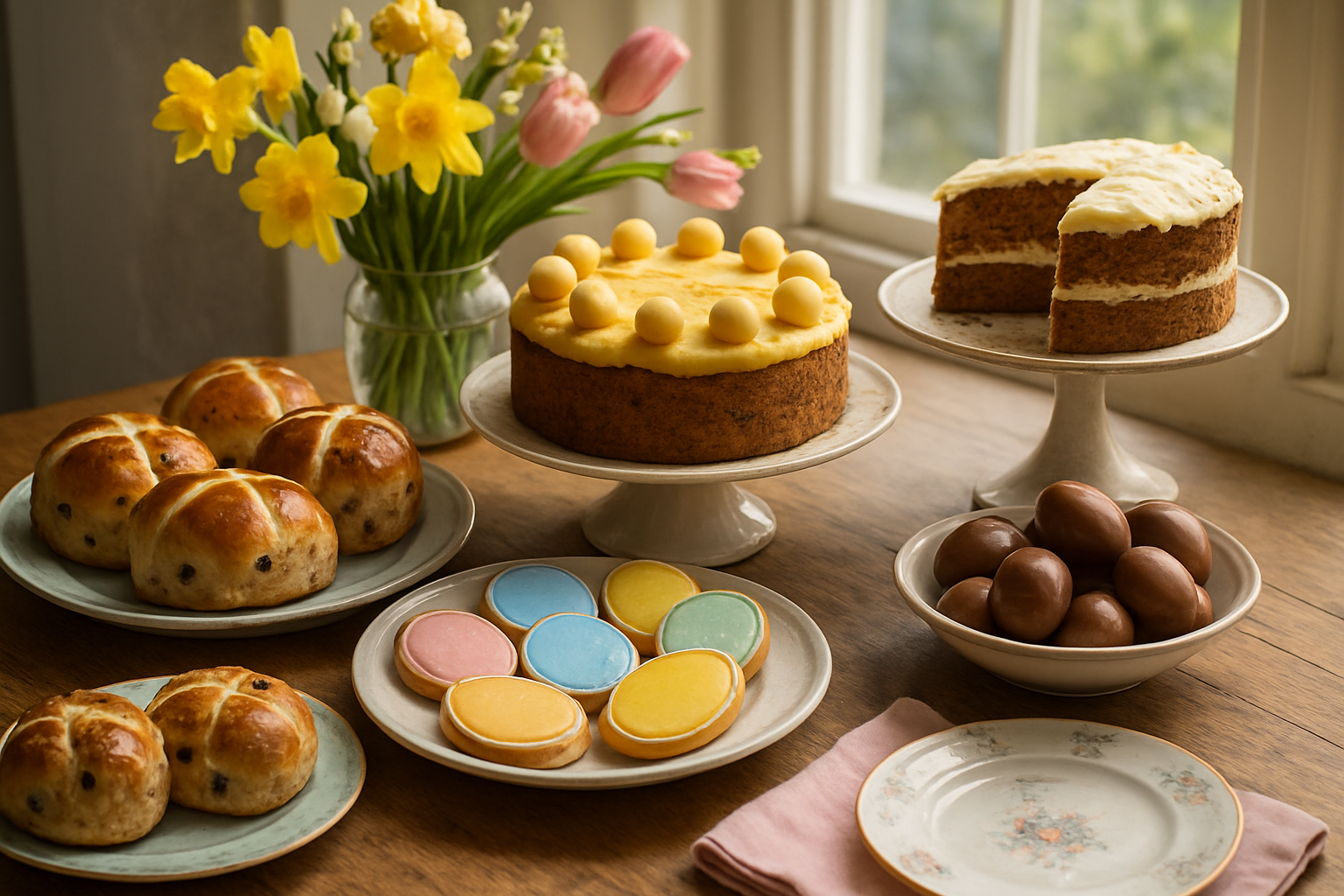
Classic Easter Cakes and Seasonal Decorating Ideas
Easter cakes serve as stunning centerpieces that capture the spirit of renewal and celebration. The beloved carrot cake remains a top choice among traditional Easter desserts, perfectly embodying the season's fresh flavors with cream cheese frosting and decorative marzipan carrots. Many families pass down recipes for lemon pound cake, which pairs beautifully with spring's bright energy and can be adorned with delicate buttercream flowers.
Creating memorable Easter cake decorations doesn't require professional skills. Simple techniques like dusting with powdered sugar through doilies create elegant lace patterns. Fresh edible flowers, coconut "grass," and candy eggs transform ordinary cakes into festive masterpieces. Consider making a classic Italian Easter cake called Torta Pasqualina, filled with ricotta and fresh herbs, or try the French tradition of Gâteau de Pâques with its distinctive lamb-shaped design.
Traditional Easter Cookies and Sugar Confections
Easter cookie traditions span cultures and generations, offering sweet treats that double as edible art. Sugar cookies cut into bunny, egg, and chick shapes become canvases for colorful royal icing designs. Italian Easter cookies like Cuccidati feature fig and nut fillings wrapped in tender dough, while Greek Koulourakia cookies twisted into braided shapes symbolize the Holy Trinity.
Hot cross buns technically bridge the gap between bread and cookie, featuring sweet spiced dough studded with currants and marked with symbolic crosses. These traditional Easter recipes often include warm spices like cinnamon, nutmeg, and allspice that create aromatic kitchens filled with holiday anticipation.
Mazurek, a Polish Easter confection, combines shortbread bases with rich toppings like chocolate ganache, dried fruits, and nuts. These bars cut beautifully for serving crowds and showcase intricate decorative patterns using colored icings and candied fruits.
Festive Easter Puddings and Custard Treats
Bread pudding takes on special significance during Easter, often incorporating leftover hot cross buns or challah bread into rich, custardy desserts. Traditional Easter bread pudding recipes frequently include vanilla custard bases enriched with cream and eggs, creating comfort food that speaks to the heart of family gatherings.
Rice pudding variations appear across many cultures' Easter celebrations. Spanish Arroz con Leche gets dressed up with cinnamon and lemon zest, while Scandinavian versions might include cardamom and almonds. These creamy puddings can be served warm or chilled, often garnished with fresh berries or a sprinkle of nutmeg.
Trifles make impressive Easter desserts by layering sponge cake, custard, fruit, and whipped cream in clear glass bowls. British Easter trifles traditionally feature sherry-soaked ladyfingers, while American versions might use pound cake with fresh strawberries and vanilla pudding.
Chocolate Easter Desserts with Homemade Appeal
Chocolate plays a starring role in Easter celebrations, and homemade versions far surpass store-bought alternatives. Chocolate Easter eggs can be crafted using silicone molds, filled with ganache, caramel, or even smaller candies for delightful surprises. Dark chocolate provides rich, sophisticated flavors, while milk chocolate appeals to younger palates.
Easter chocolate nests made from melted chocolate mixed with crispy cereal create charming individual desserts. Fill these edible nests with candy eggs or fresh berries for a presentation that delights both children and adults. Chocolate bark studded with dried fruits, nuts, and colorful candies offers another simple yet elegant option.
Flourless chocolate torte decorated with chocolate shavings and fresh raspberries creates an impressive finale to Easter dinner. This gluten-free option accommodates various dietary needs while delivering intense chocolate satisfaction. Serve with whipped cream or vanilla ice cream to balance the rich flavors and complete your traditional Easter feast menu ideas.
Fresh Spring Sides and Salads for Easter Feasts
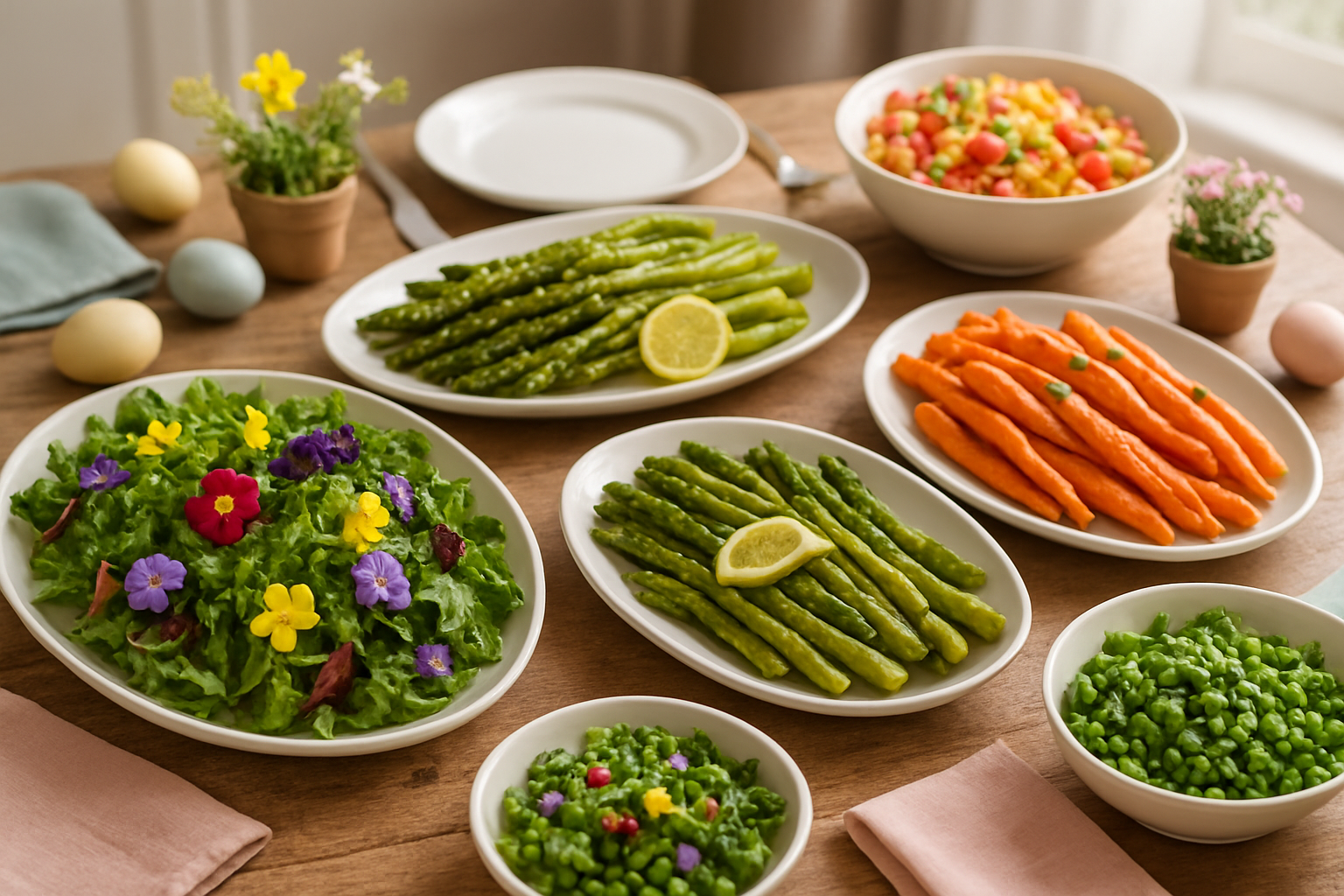
Seasonal Vegetable Dishes Featuring Spring Produce
Spring vegetables bring vibrant colors and fresh flavors to your Easter table. Asparagus spears, barely cooked and drizzled with lemon butter, capture the essence of the season perfectly. Steam them for just 3-4 minutes to maintain their bright green color and crisp texture. Baby carrots, glazed with honey and fresh thyme, add natural sweetness that pairs beautifully with traditional Easter main course recipes.
Artichokes make an elegant addition to Easter feast menu ideas. Stuff them with breadcrumbs, garlic, and fresh herbs, then steam until tender. The leaves become perfect vessels for herb-infused olive oil or hollandaise sauce. Fresh peas, whether sugar snaps or shelled varieties, bring a pop of green that screams spring. Sauté them quickly with butter and mint, or toss them into warm salads with fresh herbs.
Young fennel bulbs, sliced thin and roasted with olive oil and sea salt, develop a mild, sweet flavor that complements rich Easter dishes. Don't forget about tender spring onions – grill them whole as an unexpected side that guests will remember long after dinner ends.
Traditional Easter Salads with Fresh Garden Ingredients
Garden-fresh salads have graced Easter tables for generations, celebrating the renewal that spring brings. Mixed greens with early radishes, cucumber, and fresh herbs create a classic base that pairs perfectly with any traditional Easter recipes. The peppery bite of watercress mixed with butter lettuce provides textural contrast and bold flavor.
A traditional wilted spinach salad brings warmth to the Easter spread. Fresh baby spinach gets topped with hard-boiled eggs, crispy bacon, and a warm bacon dressing that slightly wilts the leaves. This classic preparation has been a Easter family recipes staple for decades.
Spring onion and herb salad showcases the best of the season's early harvest. Combine chopped chives, parsley, and dill with thinly sliced spring onions, then dress with a simple vinaigrette of olive oil and white wine vinegar. The fresh, clean flavors cleanse the palate between richer dishes.
Consider a traditional German potato salad served at room temperature – a perfect make-ahead option for busy Easter preparations. Unlike mayonnaise-based versions, this style uses a warm vinegar dressing that penetrates the potatoes, creating complex flavors that develop over time.
Classic Potato Preparations for Easter Dinner
Potatoes anchor many spring Easter sides with their comforting, familiar presence. Duchess potatoes, piped into elegant rosettes and baked until golden, bring restaurant-quality presentation to home Easter celebrations. These make-ahead beauties can be prepared earlier in the day and simply reheated when needed.
Scalloped potatoes, layered with cream and fresh herbs, create a rich, satisfying side that complements lighter spring vegetables perfectly. Use a mix of Yukon Gold and red potatoes for varied textures, and add fresh thyme between layers for aromatic depth.
New potatoes, simply boiled and tossed with butter, fresh dill, and sea salt, celebrate the vegetable in its purest form. Their thin skins and creamy flesh need minimal preparation to shine. For something different, try smashed new potatoes – boil them until tender, lightly crush each one, then roast with olive oil and rosemary until crispy edges form.
Potato gratin with spring herbs transforms the humble tuber into something special. Layer thin potato slices with fresh chives, parsley, and gruyere cheese, then bake in cream until bubbly and golden. The herbs add freshness that balances the rich, creamy base perfectly.
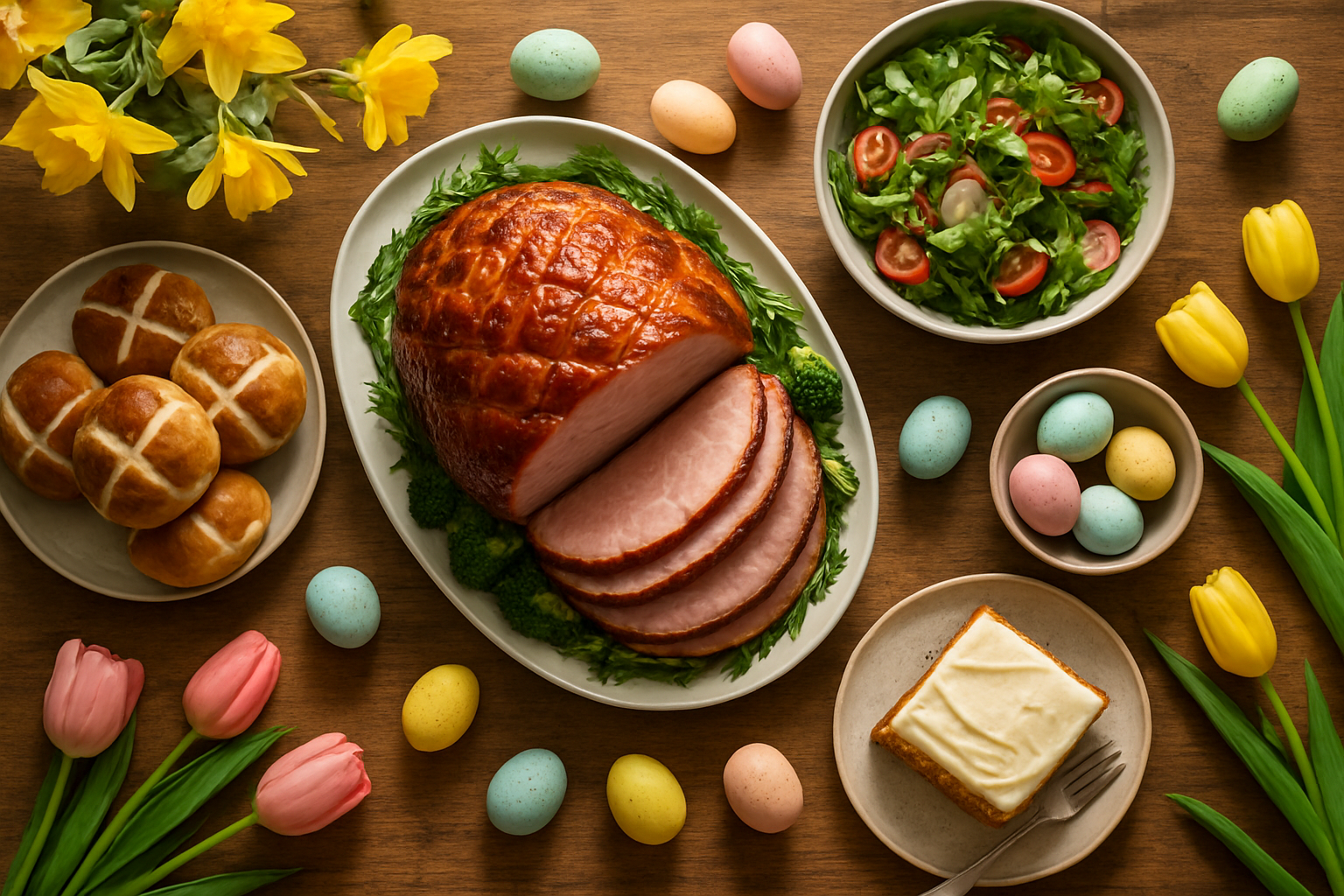
Easter traditions come alive through the recipes that have been passed down through generations, creating memories that last long after the last bite. From hearty main dishes that anchor your family table to sweet breads that fill your kitchen with warmth, these time-tested recipes connect us to our heritage while bringing loved ones together. The vibrant egg dishes and colorful spring salads remind us why this season celebrates renewal and fresh beginnings.
Ready your apron and gather your family for an Easter feast that honors tradition while creating new memories. These beloved recipes don't just feed hungry guests – they weave stories, spark conversations, and keep family traditions alive for the next generation. Start planning your Easter menu today and let these classic dishes transform your celebration into something truly special.


.png)
Comments
Post a Comment