Understanding the Easter Colors
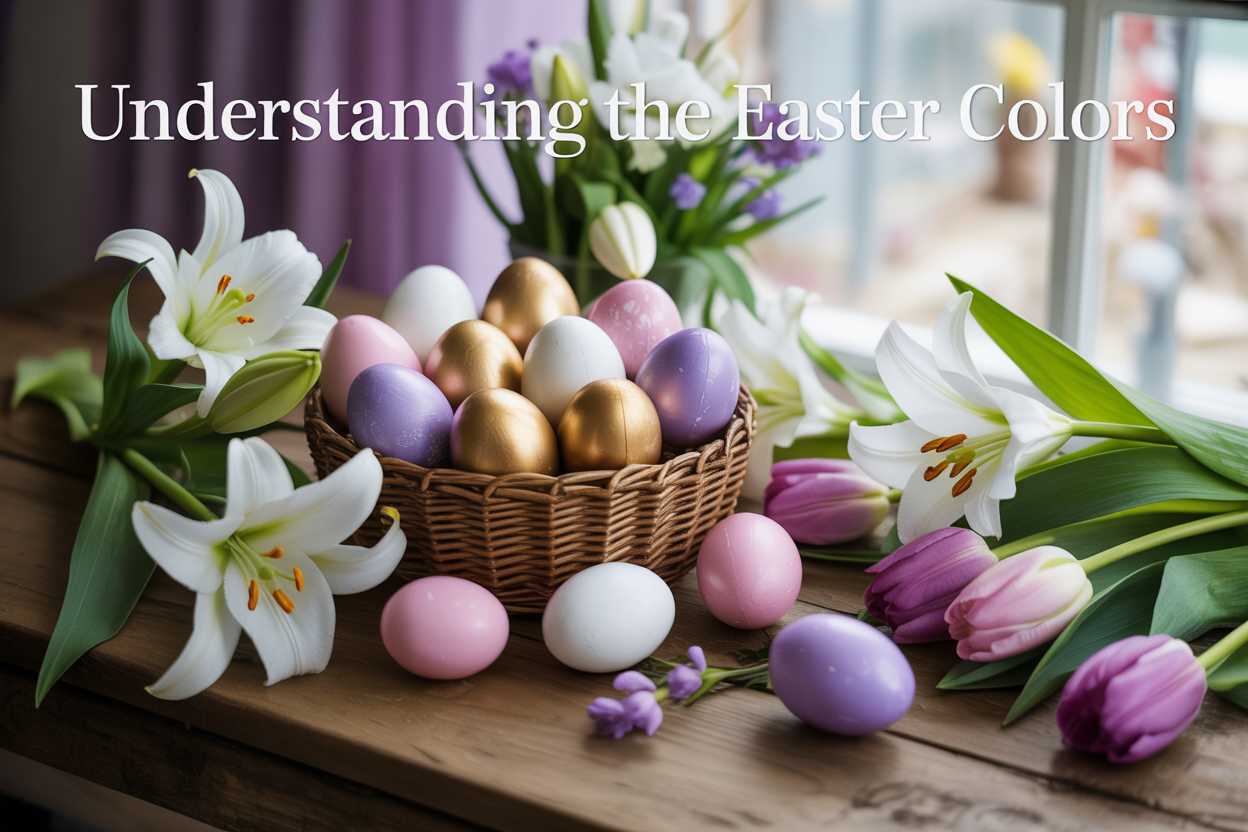
Easter colors carry deep meaning that goes far beyond simple spring decorating. This guide helps families, church decorators, and anyone curious about Christian traditions understand why certain hues appear during the Easter season.
You'll discover the traditional Easter color palette and learn what purple, white, gold, and red actually represent in Christian worship. We'll explore the biblical Easter colors that connect modern celebrations to ancient religious practices, plus show you how the liturgical calendar color system guides churches throughout the year.
Finally, you'll get practical Easter color palette ideas for meaningful home decorating that honors both tradition and personal style.
Discover the Traditional Easter Color Palette
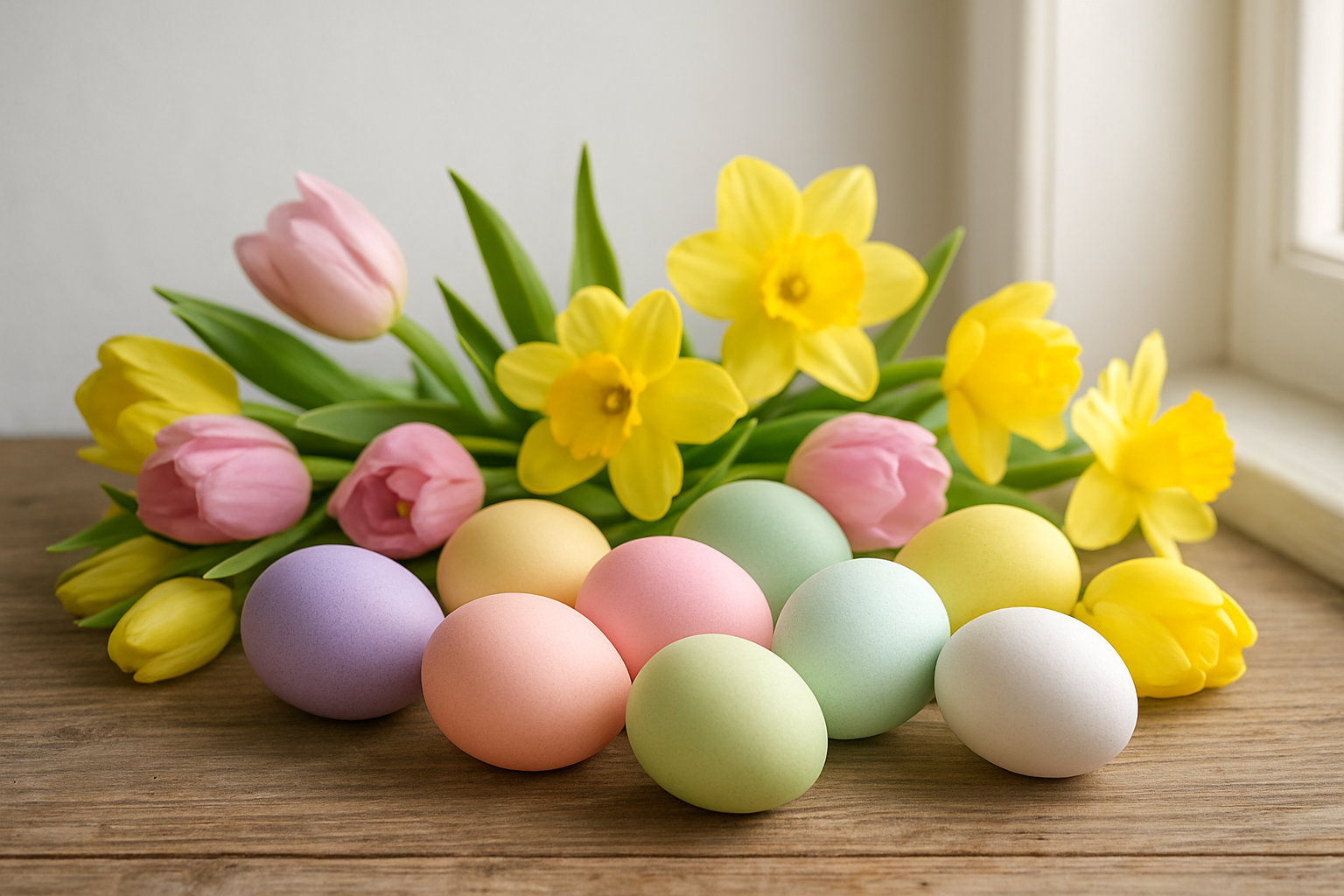
Learn why purple dominates the Lenten season
Purple stands as the cornerstone of traditional Easter colors, carrying profound spiritual weight throughout the Lenten season. This rich, royal hue appears in churches worldwide from Ash Wednesday through Holy Saturday, creating an atmosphere of solemn preparation and deep reflection.
The choice of purple stems from its historical association with royalty, penance, and sacrifice. During the 40-day Lenten period, purple altar cloths, vestments, and decorations remind worshippers of Christ's ultimate sacrifice and their own journey toward spiritual renewal. The color's deep intensity mirrors the serious nature of fasting, prayer, and almsgiving that defines this sacred season.
Purple Easter color symbolism extends beyond mere tradition – it represents the bridge between earthly sorrow and heavenly joy. Many churches use different shades of purple throughout Lent, with darker purples during early weeks gradually lightening as Easter approaches. This subtle progression creates visual anticipation for the celebration ahead.
Understand the significance of white and gold on Easter Sunday
The dramatic shift from purple to white and gold on Easter Sunday creates one of Christianity's most powerful visual transformations. These luminous colors burst forth in churches and homes, proclaiming Christ's resurrection with unmistakable joy and triumph.
White Easter color meanings center on purity, victory, and new beginnings. This pristine hue symbolizes the sinless nature of Christ and the cleansing power of His resurrection. Churches drape altars in brilliant white linens, while clergy don white vestments to celebrate humanity's liberation from sin and death.
Gold elevates the Easter celebration even higher, representing divine glory and eternal life. The combination of white and gold creates a heavenly atmosphere that speaks to the transcendent nature of the resurrection. These liturgical colors Easter Sunday work together to transform sacred spaces into glimpses of celestial beauty.
| Color | Symbolism | Usage |
|---|---|---|
| White | Purity, Victory, New Life | Altar cloths, vestments, flowers |
| Gold | Divine Glory, Eternal Life | Accents, chalices, decorative elements |
Explore the meaning behind red in Easter celebrations
Red plays a unique role in Easter color traditions, particularly during Holy Week and on specific feast days. This vibrant color carries multiple layers of meaning that connect directly to the Easter story's most pivotal moments.
The primary red Easter color symbolism relates to Christ's blood shed on the cross and the fire of the Holy Spirit. On Palm Sunday, red often appears alongside purple, marking the beginning of Holy Week's intense focus on Christ's passion. Some traditions incorporate red on Good Friday to commemorate the crucifixion itself.
Red also represents the martyrs who gave their lives for their faith, making it especially significant during Easter season celebrations of various saints' feast days. The color's intensity matches the depth of sacrifice it represents, creating powerful emotional connections for worshippers.
Beyond its somber associations, red symbolizes love – the divine love that motivated Christ's sacrifice and the passionate love believers are called to share with others. This dual nature makes red one of the most complex and meaningful colors in the Easter palette.
Recognize green as a symbol of new life and growth
Green emerges as Easter's most hopeful color, representing the new life that Christ's resurrection brings to all creation. This natural hue connects the spiritual themes of Easter with the physical world's springtime renewal, creating perfect harmony between faith and nature.
Traditional Easter colors include green precisely because it captures the essence of rebirth and growth. As spring arrives in the Northern Hemisphere during Easter season, green shoots push through winter soil, mirroring humanity's emergence from spiritual darkness into the light of resurrection hope.
Churches often incorporate green in Easter decorating colors through fresh plants, growing grass in Easter gardens, and verdant floral arrangements. These living decorations serve as tangible reminders that Easter celebrates life conquering death.
Biblical Easter colors frequently feature green in references to pastures, trees, and flourishing plants. The Psalms speak of being led beside green pastures and growing like trees planted by streams of water – images that resonate powerfully during Easter celebrations of new life in Christ.
Easter color palette ideas that include green create connections between indoor celebrations and the natural world's awakening. From simple potted plants to elaborate garden displays, green brings Easter's promise of renewal into every space where people gather to celebrate.
Uncover the Biblical Origins of Easter Colors
Connect Old Testament references to modern color choices
The rich tapestry of biblical Easter colors finds its roots deep in Old Testament traditions. Purple, one of the most significant Easter color meanings, traces back to the royal purple dye mentioned throughout Hebrew scriptures. This expensive Tyrian purple, extracted from murex shells, became synonymous with royalty and divine authority in ancient Israel. When we see purple in Easter celebrations today, we're connecting to the same color that adorned King Solomon's temple and represented God's sovereignty.
Red carries profound biblical significance from the very beginning of scripture. The Hebrew word "adam," meaning red earth, connects humanity to the ground from which we came. Blood sacrifice rituals in the Old Testament established red as a symbol of atonement and life. The Passover lamb's blood painted on doorposts created a direct link between Jewish traditions and Christian Easter celebrations, making red a bridge between these traditional Easter colors.
White appears consistently throughout Old Testament prophecy as a symbol of purity and righteousness. Isaiah's promise that sins "though they be as scarlet, they shall be as white as snow" established white as the ultimate symbol of spiritual cleansing. This Old Testament foundation explains why white dominates Easter Sunday celebrations and remains central to liturgical colors Easter traditions.
Green represents new life and God's provision, evident in the Psalms' references to green pastures and flourishing trees planted by streams of water. These agricultural metaphors laid groundwork for Easter's spring renewal themes.
Examine Jesus' crucifixion and resurrection color symbolism
The events of Jesus' crucifixion and resurrection created the most powerful Easter color symbolism in Christian tradition. Purple takes center stage during Holy Week, directly referencing the purple robe Roman soldiers mockingly placed on Jesus. This same color that once represented earthly kingship became transformed into a symbol of Christ's true divine kingship through suffering. The purple Easter color meaning evolved from mockery to majesty, representing both the humiliation and ultimate triumph of Jesus.
Crimson red flows through the crucifixion narrative with unmistakable meaning. The blood shed on Calvary transformed red from Old Testament sacrifice symbolism into the ultimate expression of divine love and redemption. Every red lily, red banner, or red vestment during Easter season carries this profound connection to Jesus' sacrifice. The color literally represents the life poured out for humanity's salvation.
White emerges triumphantly in resurrection accounts. The angel at the tomb appeared in brilliant white garments, and Jesus' transfiguration revealed him clothed in dazzling white. This white Easter color symbolism represents victory over death, spiritual purity, and divine glory. The shift from Good Friday's somber colors to Easter Sunday's brilliant white creates a visual journey from death to life.
Black, though less prominent in modern Easter decorating colors, held significant meaning in crucifixion accounts. The darkness that covered the earth during Jesus' death established black as a color of mourning and spiritual darkness, making its absence on Easter Sunday even more meaningful.
Understand how early Christian traditions shaped color meanings
Early Christian communities developed sophisticated color systems that still influence our Easter color palette ideas today. The early church fathers, many coming from Jewish backgrounds, intentionally connected Christian celebrations to Old Testament color symbolism while adding new layers of meaning based on Christ's life and teachings.
During the first three centuries, Christians celebrated Easter with simple white garments, representing their new birth in Christ. As Christianity became legalized and then official in the Roman Empire, more elaborate color traditions emerged. Bishops and church leaders began incorporating purple into their vestments, claiming the royal color for Christ's kingdom rather than Caesar's.
The development of the liturgical calendar brought structure to biblical Easter colors usage. Early church councils established specific colors for different seasons and celebrations. This systematic approach created the foundation for modern liturgical colors Easter traditions that many churches still follow.
Regional variations emerged as Christianity spread. Eastern Orthodox traditions emphasized gold alongside white, representing divine glory. Western churches developed more complex color progressions, moving from purple through black or deep red to white and gold. These regional differences explain why traditional Easter colors can vary between different Christian denominations today.
Early Christian art and mosaics provide evidence of how these color meanings developed. Byzantine churches decorated with gold backgrounds, purple-robed saints, and white-clothed angels created visual theologies that communicated Easter color symbolism to largely illiterate populations. These artistic traditions cemented color meanings that continue influencing modern Easter celebrations.
Master the Liturgical Calendar Color System
Navigate the progression from Ash Wednesday to Easter Sunday
The liturgical calendar creates a stunning visual journey through Easter colors that tells the complete story of faith from repentance to resurrection. Starting with Ash Wednesday, churches adopt deep purple or violet hues that symbolize penance, preparation, and royal majesty. This purple Easter color dominates the Lenten season for forty days, creating an atmosphere of reflection and anticipation.
As Holy Week approaches, the color intensity often deepens. Many churches transition to darker purples or even burgundy shades during Palm Sunday, acknowledging the approaching passion of Christ. Good Friday brings a dramatic shift to black or deep red in many traditions, representing mourning, sacrifice, and the shedding of blood.
The most spectacular transformation occurs on Easter Sunday when churches burst into brilliant white Easter color and gold. This dramatic change from purple to white represents the triumph of light over darkness, life over death. The visual impact creates an emotional crescendo that worshippers feel viscerally - the stark contrast makes Easter morning feel genuinely celebratory and renewed.
Distinguish between different shades and their seasonal purposes
Liturgical colors Easter practices involve specific shade distinctions that carry deep meaning. Royal purple differs significantly from violet in liturgical use - royal purple connects to Christ's kingship, while violet emphasizes penitential preparation. Churches often use lighter lavender shades for Gaudete Sunday (the third Sunday of Advent) and Laetare Sunday (the fourth Sunday of Lent) to provide brief moments of joy within penitential seasons.
The white Easter color encompasses various shades serving different purposes:
-
Pure white: Represents the purity of Christ and the resurrection
-
Cream or off-white: Often used for everyday celebrations
-
Gold-infused white: Reserved for the highest feast days
-
Silver-white: Sometimes used for martyrs' commemorations
Red serves multiple liturgical functions beyond Holy Week. Bright scarlet marks Pentecost and martyrs' feast days, while deeper crimsons often appear during Passion Sunday. Green, the color of ordinary time, has its own spectrum from forest green to lighter spring shades, each creating different emotional atmospheres.
Apply proper color timing in religious observances
Traditional Easter colors follow precise timing that enhances worship experiences. The purple-to-white transition shouldn't happen gradually - it creates maximum impact when churches completely transform overnight between Saturday evening and Easter Sunday morning. Many parishes cover all purple decorations with white linens or completely replace purple elements.
Timing considerations for Easter color meanings include:
| Period | Primary Color | Secondary Colors | Duration |
|---|---|---|---|
| Lent | Purple/Violet | Rose (Laetare Sunday) | 40 days |
| Holy Week | Deep Purple/Red | Black (Good Friday) | 1 week |
| Easter Season | White/Gold | None | 50 days |
| Ordinary Time | Green | Various for feast days | Remainder |
The Easter season extends fifty days until Pentecost, maintaining white and gold throughout this period. Churches that rush back to ordinary time's green miss the extended celebration that Easter color symbolism intends to create.
Recognize regional variations in liturgical color practices
Biblical Easter colors interpretation varies significantly across different Christian traditions and geographical regions. Eastern Orthodox churches often emphasize red during Easter season more than Western traditions, connecting to the life-giving blood of Christ. Russian Orthodox churches frequently use bright red and gold combinations that differ from the pure white preferences of many Western denominations.
Scandinavian countries often incorporate natural elements into their Easter color palette ideas, blending traditional purple and white with birch branches and spring flowers. This creates unique color combinations that honor both liturgical tradition and cultural heritage. African churches sometimes integrate traditional textile patterns and colors while maintaining liturgical color principles, creating vibrant celebrations that feel both authentic and reverent.
Latin American churches often feature more elaborate color combinations during Easter, incorporating regional artistic traditions. These variations don't diminish liturgical meaning - they enhance it by connecting universal Christian symbols with local cultural expressions. Understanding these regional differences helps appreciate how Easter decorating colors can be both globally unified and locally meaningful.
Transform Your Easter Decorating with Meaningful Colors
Choose colors that reflect spiritual significance
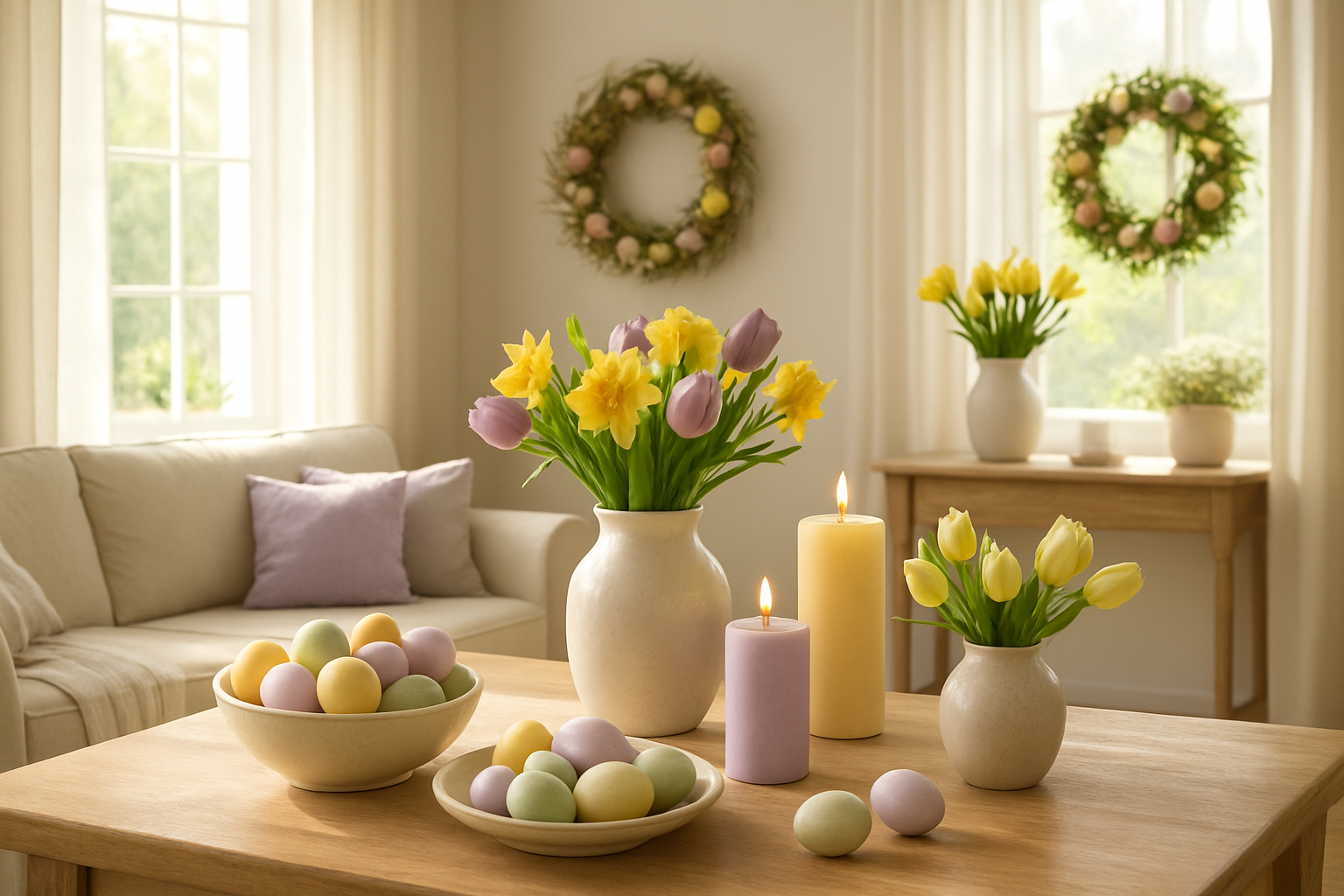
When decorating for Easter, the colors you choose can tell a powerful story of faith and renewal. Purple represents the solemnity of Lent and Christ's suffering, making it perfect for early Easter season decorations. White symbolizes purity, resurrection, and new life - ideal for Easter Sunday celebrations. Gold adds touches of divine glory and eternal light to your displays.
Red carries deep meaning as the color of Christ's sacrifice and the Holy Spirit's power. Green represents hope, growth, and new beginnings that spring brings. These traditional Easter colors create decorations that connect your celebration to centuries of Christian tradition while adding deeper meaning to your home's Easter atmosphere.
Consider using purple prominently in the weeks leading up to Easter, then transitioning to brilliant whites and golds for Easter Sunday itself. This color progression mirrors the liturgical calendar and helps your family experience the full journey from reflection to celebration.
Balance traditional meanings with modern aesthetic appeal
Your Easter decorating colors don't have to choose between spiritual significance and contemporary style. Modern design trends actually work beautifully with traditional Easter color meanings. Soft lavender brings the spiritual depth of purple while creating an elegant, updated look that fits today's home design preferences.
Cream and ivory offer the purity symbolism of white with a warmer, more sophisticated feel than stark white. Rose gold combines the divine significance of gold with trendy metallic accents that feel fresh and current. Sage green maintains the hope and renewal meaning of traditional green while adding the muted, calming tones popular in modern interiors.
| Traditional Color | Modern Alternative | Maintained Meaning |
|---|---|---|
| Deep Purple | Lavender/Lilac | Reflection & Penitence |
| Bright White | Cream/Ivory | Purity & Resurrection |
| Bright Gold | Rose Gold/Champagne | Divine Glory |
| Forest Green | Sage/Eucalyptus | Growth & Hope |
Create harmonious color schemes for home celebrations
Building cohesive Easter color palettes requires understanding how traditional Easter colors work together. Start with one primary spiritual color as your foundation, then add complementary shades for visual interest. A purple and white scheme creates classic elegance while honoring the Lenten journey to Easter joy.
For warmer celebrations, combine gold with cream and soft green accents. This palette feels welcoming while maintaining spiritual significance. Cool-toned schemes using white, silver, and pale purple create serene, contemplative atmospheres perfect for reflection and prayer.
Consider your home's existing colors when planning your Easter palette. If you have warm wood tones, earth-based versions of traditional colors work beautifully. Cool-toned homes benefit from cleaner, brighter versions of Easter colors. Always include white as a unifying element - it represents the central Easter message and helps other colors work together harmoniously.
Incorporate symbolic colors into Easter crafts and activities
Easter crafts become more meaningful when you understand the symbolism behind each color choice. Purple construction paper for Lent calendars helps children connect with the season's reflective nature. White flowers in Easter arrangements represent Christ's victory over death. Golden accents on handmade crosses symbolize divine light and eternal life.
When dyeing Easter eggs, explain the color meanings to make the activity more than decoration. Purple eggs can represent the journey through Lent, while white eggs celebrate resurrection morning. Red eggs honor Christ's sacrifice, and green eggs symbolize the new life He brings.
Create prayer flags using liturgical colors Easter traditions recognize. Children can paint or color fabric strips in purple, white, gold, and green, learning about each color's spiritual significance while making beautiful decorations for your Easter celebration space.
Select appropriate colors for Easter clothing and accessories
Your Easter wardrobe choices can reflect the season's spiritual journey while looking polished and appropriate. White clothing naturally fits Easter Sunday's celebration of resurrection and new life. Soft purple accessories during Lent show understanding of the season's reflective nature.
Pastels work wonderfully because they represent the lightening of the spiritual mood as Easter approaches. Light pink, pale yellow, and soft blue all carry meanings of hope, joy, and new beginnings while creating the fresh, spring-like appearance traditional for Easter celebrations.
For church services, deeper versions of Easter colors show reverence while remaining seasonally appropriate. Navy blue with white accents, deep purple with gold jewelry, or cream with subtle green details all honor both the occasion's solemnity and its joy. Children can wear brighter versions of these same meaningful colors, connecting the whole family's appearance to the Easter story.
Avoid Common Easter Color Mistakes
Prevent Misusing Sacred Colors in Inappropriate Contexts
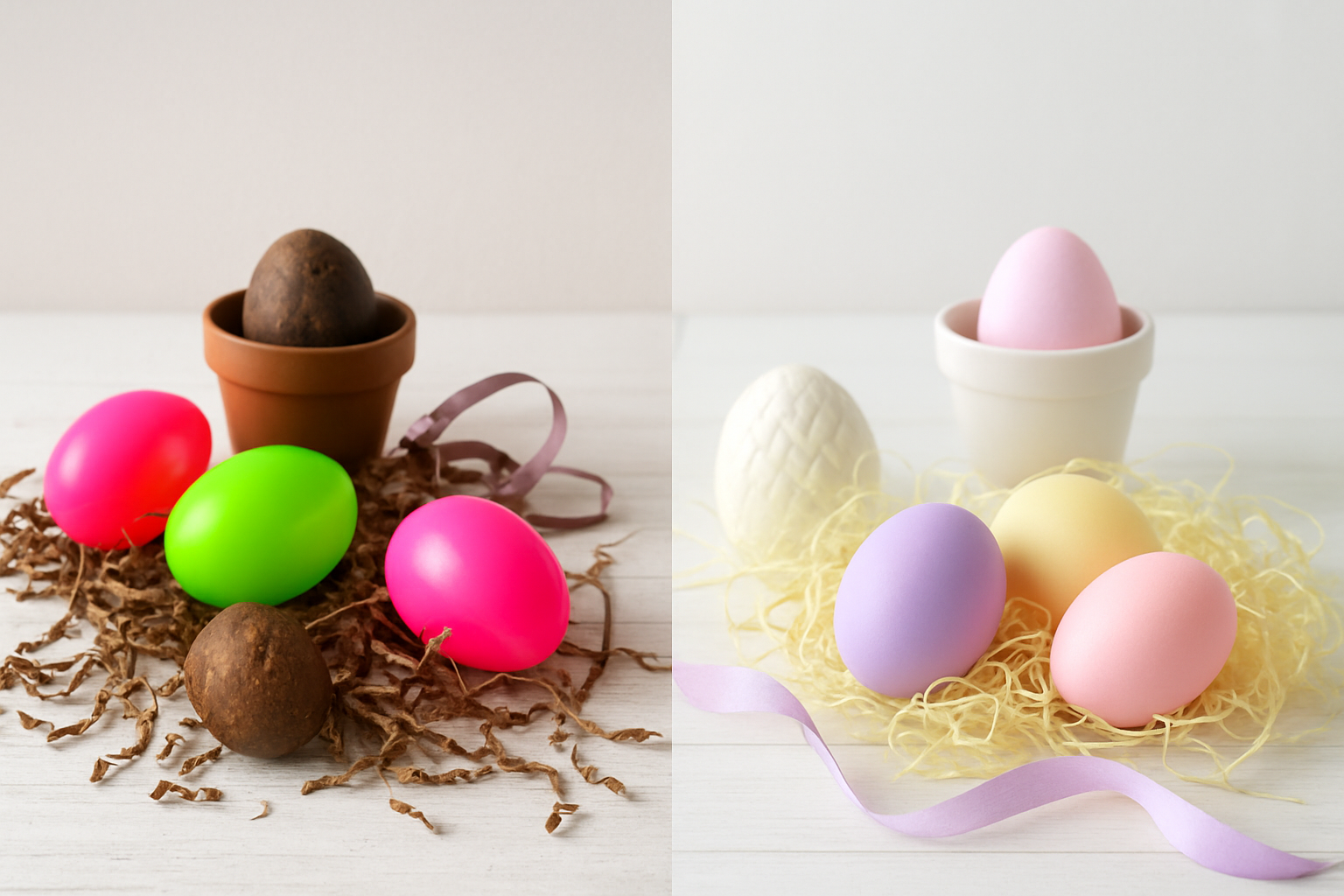
Sacred Easter colors carry deep spiritual significance that shouldn't be treated lightly. Purple, representing penance and preparation during Lent, loses its reverent meaning when used for playful Easter egg hunts or party decorations. Similarly, white, symbolizing Christ's resurrection and purity, becomes diluted when mixed casually with commercial pastels for purely aesthetic purposes.
The liturgical colors Easter traditions hold sacred deserve respectful application. Purple should remain associated with solemn reflection and spiritual preparation rather than general spring decorating. White works beautifully for resurrection celebrations but shouldn't be randomly paired with bright commercial colors that shift focus away from its biblical significance.
Consider the context before incorporating traditional Easter colors into your celebrations. Church services, religious displays, and worship spaces call for authentic liturgical color meanings, while family gatherings might blend sacred and festive elements more freely.
Understand When Bright Pastels Overshadow Spiritual Meaning
Bright pastels often dominate modern Easter celebrations, but their commercial appeal can overshadow the deeper biblical Easter colors and their symbolism. Pink bunnies, yellow chicks, and mint green eggs create a cheerful atmosphere yet may distract from Easter's true spiritual message.
The challenge isn't avoiding pastels entirely but finding balance. Easter color symbolism gets lost when every surface displays bright, playful hues without connection to the resurrection story. Children especially benefit from understanding why certain colors appear during Easter beyond their visual appeal.
Smart Easter decorating colors combine meaningful traditional hues with carefully chosen pastels. Use white as your primary Easter color to honor the resurrection, then accent with soft pastels that complement rather than compete with sacred meanings. This approach maintains spiritual focus while creating an inviting celebration space.
Respect Cultural and Denominational Color Traditions
Different Christian denominations follow varying liturgical colors Easter practices, and respecting these traditions prevents awkward misunderstandings. Eastern Orthodox churches may emphasize red for Easter, representing Christ's blood and sacrifice, while Western traditions favor white and gold for resurrection joy.
Cultural interpretations of Easter color meanings also vary globally. What seems appropriate in one tradition might feel jarring or disrespectful in another. Research your community's specific practices before planning major Easter decorations or church events.
When hosting interfaith or multicultural Easter gatherings, choose neutral sacred colors like white and gold that translate well across denominations. These Easter color palette ideas work universally while honoring the spiritual significance most Christians share. Avoid making assumptions about which traditional Easter colors others expect or prefer without asking directly.

The rich tradition of Easter colors goes far beyond simple decoration choices. Purple represents Jesus's royalty and the season of preparation, white symbolizes purity and resurrection, gold reflects divine glory, and red honors sacrifice and love. These colors connect us to centuries of Christian tradition while helping create more meaningful celebrations in our homes and communities.
Your Easter decorating becomes more powerful when you understand these deeper meanings. Skip the random pastels and embrace colors that tell the real Easter story. Whether you're planning church decorations or setting up your dining table, let these traditional hues guide your choices. The result will be celebrations that feel more connected to the true spirit of Easter and create lasting memories for your family.
.png)


Comments
Post a Comment