How Motherhood Changes Your Identity

Becoming a mother doesn't just add a new role to your life—it completely reshapes who you are at your core. How motherhood changes identity touches every aspect of your existence, from your daily priorities to your deepest sense of self.
This guide is for new moms, expecting mothers, and women navigating the complex journey of motherhood and self-perception. Whether you're experiencing a new mom identity crisis or simply trying to understand the changes happening within you, you're not alone in this transformation.
We'll explore how becoming a mother identity shift affects your relationship with yourself and others. You'll discover why motherhood changes priorities so dramatically overnight and how your social connections evolve during this time. We'll also address the real challenges around loss of independence motherhood brings and share practical ways to navigate this postpartum identity changes while developing your new maternal identity.
The Profound Shift in Self-Perception After Becoming a Mother

Recognizing the End of Your Pre-Baby Self
The woman you were before becoming a mother doesn't just fade away—she transforms completely. Many new mothers describe feeling like they're mourning their former selves while simultaneously celebrating their new role. This motherhood identity shift happens gradually, then all at once.
Your pre-baby priorities, from career ambitions to weekend plans, suddenly seem foreign. The spontaneous dinner dates, sleeping in until noon, and having complete control over your schedule become distant memories. You might catch yourself looking in the mirror and wondering who this person is staring back at you.
This isn't about losing yourself—it's about evolving into someone entirely new. The interests that once defined you may feel less important now, replaced by an overwhelming focus on your child's needs and well-being. Your social media feeds shift from travel photos and career updates to baby milestones and sleepless night confessions.
Embracing Your New Role as Primary Caregiver
Stepping into the role of primary caregiver brings both overwhelming responsibility and unexpected fulfillment. Your days now revolve around feeding schedules, diaper changes, and decoding different types of cries. This dramatic shift in daily routine represents one of the most significant aspects of how motherhood changes identity.
| Before Motherhood | After Motherhood |
|---|---|
| Personal schedules | Baby-centered routines |
| Self-focused decisions | Child-first thinking |
| Individual goals | Family-oriented planning |
| Independent choices | Protective instincts guide decisions |
You become an expert in reading your baby's cues, understanding their needs often before they express them. This intuitive connection develops rapidly, surprising many mothers with its intensity. The weight of being responsible for another human being's survival and happiness reshapes how you view your capabilities and purpose.
Learning to See Yourself Through Your Child's Eyes
Your child sees you as their entire world, and this perspective gradually becomes part of how you view yourself. To them, you're not just mom—you're safety, comfort, and unconditional love personified. This realization can be both humbling and empowering.
When your baby stops crying at the sound of your voice or reaches for you when upset, you begin to understand your unique power in their life. Their complete trust in your ability to care for them often exceeds your own confidence in your new maternal abilities.
This shift in motherhood and self-perception means you start measuring your worth differently. Success isn't just about professional achievements anymore—it's about soothing a crying baby, celebrating first smiles, and creating a sense of security for your little one.
Discovering Hidden Strengths You Never Knew You Had
Motherhood reveals capabilities you never imagined possessing. You function on minimal sleep while maintaining patience you didn't know existed. You multitask at superhuman levels—feeding a baby while answering work emails, grocery shopping with a fussy toddler, or solving problems with creative solutions born from necessity.
Physical strength emerges too. Carrying a growing child, lifting strollers, and maneuvering car seats builds muscles and endurance. Mental resilience develops as you navigate sleepless nights, manage multiple demands, and make countless decisions daily.
Your emotional capacity expands beyond previous limits. The depth of love you feel surprises you, as does your ability to remain calm during chaotic moments. These newly discovered strengths become integral parts of your developing maternal identity, proving that becoming a mother unlocks potential you never knew existed within you.
How Your Priorities Completely Transform Overnight
Putting Your Child's Needs Before Your Own Desires
The moment you hold your baby for the first time, something fundamental clicks into place. Your own needs suddenly take a backseat to this tiny person's every whim. That morning coffee you used to savor slowly? Now you're chugging it lukewarm between diaper changes. The Netflix series you were binge-watching gets replaced by evaluating every cry and checking breathing patterns throughout the night.
This shift happens so naturally that many new mothers don't even realize how completely their decision-making process has changed. Where you once might have considered "What do I want for dinner?" you now think "What will give me enough energy to care for my baby?" The lens through which you view every choice gets filtered through your child's wellbeing first.
Shopping trips transform from personal indulgences to missions focused on baby supplies. Your wardrobe considerations shift from style preferences to nursing-friendly options. Even simple pleasures like a hot shower become calculated around nap schedules rather than personal desire.
This motherhood changes priorities in ways that extend beyond daily routines. The very framework of what feels important gets rewritten, often leaving mothers surprised by how willingly they embrace this new hierarchy of needs.
Reevaluating Career Goals and Professional Ambitions
Professional identity often takes the biggest hit during this period of transformation. Women who once climbed corporate ladders with fierce determination find themselves questioning whether that promotion is worth missing bedtime stories. The drive for individual achievement gets complicated by new considerations about work-life balance, daycare costs, and the emotional toll of separation.
Many mothers discover their career goals need a complete overhaul. Some realize they want more flexibility, leading them toward freelance work or part-time positions. Others find their ambitions actually intensify, driven by a desire to create a better future for their children. The timeline changes too - what once felt urgent might now feel negotiable when weighed against family time.
The guilt factor becomes real when making these career decisions. Mothers wrestle with questions about providing financially versus being present emotionally. Professional networking events compete with school plays. Business trips get evaluated not just for career advancement but for their impact on family stability.
This motherhood and self-perception shift often creates internal conflict between the ambitious professional you were and the nurturing mother you've become. Finding balance between these identities becomes an ongoing negotiation rather than a one-time decision.
Shifting Focus from Individual Success to Family Well-being
Success metrics get completely redefined when becoming a mother identity shift takes hold. Personal achievements that once brought satisfaction pale in comparison to your child's milestones. A successful day might now mean everyone ate vegetables and got enough sleep rather than closing a big deal or receiving professional recognition.
Financial planning changes from personal goals like vacation funds or designer purchases to college savings and emergency funds for family emergencies. Investment decisions get filtered through long-term family security rather than short-term personal gains. Even gift-giving preferences shift - you find yourself more excited about buying things for your child than treating yourself.
Social media habits reflect this change too. Instead of posting about personal accomplishments, your feed fills with proud parent moments. The validation you seek comes from your child's happiness and development rather than external professional praise.
This transformation in measuring success can feel disorienting initially. The individualistic mindset that society often celebrates gets replaced by collective family thinking. Your wins become intertwined with your family's wins, creating a new definition of what it means to thrive in life.
The Evolution of Your Relationships and Social Circle
Deepening Bonds with Your Partner Through Shared Parenting
Becoming parents together creates an entirely new dimension in your relationship. The late-night feeding schedules, diaper changes, and countless small decisions about your child's care become shared experiences that can either strengthen your bond or reveal areas where you need better communication. Many couples find they discover new qualities in their partner - watching them soothe a crying baby or seeing their dedication during sleepless nights often brings a deeper appreciation.
The division of childcare responsibilities naturally leads to new conversations about roles, expectations, and support. Some partners excel at bedtime routines while others become expert at meal prep or playtime. This specialization can create a beautiful teamwork dynamic where motherhood and relationships evolve into something more collaborative than before.
However, it's also common for new parents to experience tension as they navigate sleep deprivation and the overwhelming responsibility of caring for a tiny human. The key is maintaining open communication about needs, frustrations, and appreciation for each other's efforts during this major life transition.
Finding New Connections with Fellow Mothers
The motherhood personal transformation often includes discovering an entirely new social network. Mom groups, both online and in-person, become lifelines for sharing experiences, asking questions, and finding reassurance that your struggles are normal. These connections form quickly because you're all navigating similar challenges - from breastfeeding difficulties to sleep training methods.
Playgroups, library story times, and neighborhood parks become natural gathering spots where conversations flow easily between women who might never have crossed paths otherwise. The shared experience of motherhood creates instant common ground that transcends differences in background, career, or lifestyle.
Online communities offer 24/7 support, especially valuable during those 3 AM feeding sessions when you need someone who understands exactly what you're going through. These virtual friendships often become surprisingly deep and meaningful, providing emotional support that feels just as real as face-to-face connections.
Navigating Changes in Friendships with Childless Friends
Perhaps one of the most challenging aspects of how motherhood changes identity is watching some friendships fade while others strengthen. Friends without children might struggle to understand why you can't make last-minute dinner plans or why you need to leave gatherings early. The spontaneous brunches and late-night conversations that once defined these relationships become logistically complicated.
Some childless friends may feel left out as your conversations naturally shift toward topics like sleep schedules, developmental milestones, and childcare challenges. Others might feel uncertain about how to relate to this new version of you or worry that your friendship has permanently changed.
The friends who adapt and show genuine interest in your new role as a mother often become even closer. They're the ones who offer to bring takeout when you're too exhausted to cook, who remember important milestones, and who make effort to include your child in plans when appropriate. These relationships prove their resilience and deepen in meaningful ways.
Redefining Your Relationship with Your Own Parents
Becoming a mother dramatically shifts how you view your relationship with your parents. Suddenly, you have firsthand experience of the sleepless nights, constant worry, and overwhelming love that comes with having a child. This often leads to a profound appreciation for everything your parents did for you, even if your relationship had challenging moments in the past.
Many new mothers find themselves calling their own mothers more frequently, seeking advice or simply wanting to share experiences. The postpartum identity changes often include seeing your parents not just as authority figures, but as people who once went through exactly what you're experiencing now.
This new perspective can heal old wounds or create opportunities for deeper conversations about your childhood, their parenting choices, and family traditions you want to continue or change. Some women discover new respect for family members who helped raise them, while others feel empowered to set different boundaries or make different choices for their own families.
The role reversal aspect also emerges as your parents become grandparents, creating new dynamics around advice-giving, babysitting, and involvement in your child's life. Establishing these new boundaries while honoring the wisdom they offer becomes an important part of your evolving family relationships.
Rediscovering Your Body and Physical Self After Birth

Accepting Your Postpartum Body with Compassion
Your body tells a completely different story after giving birth. The stretch marks, the softer belly, the wider hips - these changes can feel overwhelming when you're used to seeing yourself in a particular way. Many new mothers struggle with recognizing the person looking back at them in the mirror, and that's completely normal.
Self-compassion becomes your greatest ally during this adjustment period. Instead of focusing on what your body "lost" during pregnancy and childbirth, try shifting your perspective toward what it gained. Your skin may bear new marks, but each one represents your body's incredible ability to expand and accommodate new life. Your breasts may feel different, but they're now capable of nourishing your child.
The comparison trap hits particularly hard during this vulnerable time. Social media feeds filled with "bounce-back" stories can make you feel like you're failing if you're not back in pre-pregnancy clothes within weeks. Remember that every woman's postpartum journey looks different. Some bodies snap back quickly, others take months or years to find their new normal, and many never return to their previous state - and all of these experiences are valid.
Creating a new relationship with your reflection takes time and patience. Start small by acknowledging one thing you appreciate about your body each day, whether it's your arms that rock your baby to sleep or your legs that carry you through exhausting days.
Appreciating What Your Body Accomplished During Pregnancy
Growing a human being ranks among the most extraordinary feats any body can perform. Your organs shifted to make room, your blood volume increased by nearly 50%, and your joints loosened to prepare for delivery. These aren't just medical facts - they represent your body's incredible intelligence and adaptability.
During pregnancy, your body worked around the clock to build another person from scratch. It created a placenta, developed an entirely new organ that would sustain your baby for nine months. Your heart pumped extra blood, your lungs worked harder to provide oxygen for two, and your digestive system slowed down to absorb maximum nutrients for your growing child.
The birthing process itself showcases your body's remarkable power. Whether you delivered vaginally or via cesarean section, your body completed one of nature's most challenging tasks. Your muscles, hormones, and nervous system worked together in perfect coordination to bring your baby safely into the world.
Even the recovery process demonstrates your body's healing capabilities. Broken bones mend, wounds close, hormones gradually rebalance, and energy slowly returns. Your body doesn't just bounce back - it transforms into something new and capable of nurturing life outside the womb through breastfeeding, endless nights of comfort, and the physical demands of caring for a child.
Building New Confidence in Your Physical Capabilities
Strength in Unexpected Places
Motherhood reveals physical strengths you never knew you possessed. Carrying a sleeping toddler up two flights of stairs, functioning on three hours of sleep, or soothing a crying baby for hours straight - these daily tasks build a different kind of endurance than any gym workout ever could.
Your arms develop surprising strength from countless hours of holding, rocking, and carrying your child. Your back adapts to new postures and weight distributions. Your hands become more skilled at multitasking - diaper changing while half-asleep, preparing bottles with precision, or catching a falling cup while holding a squirming baby.
Discovering Your Physical Limits and Boundaries
New mothers often push their bodies to extremes in those early weeks and months. Learning to recognize your physical limits becomes part of building confidence in your capabilities. Understanding when your body needs rest, proper nutrition, or medical attention helps you become a more attuned and confident version of yourself.
| Physical Challenge | New Capability Developed |
|---|---|
| Sleep deprivation | Enhanced mental alertness during short rest periods |
| Constant physical demands | Improved multitasking abilities |
| Hormonal changes | Better emotional regulation skills |
| Recovery from childbirth | Increased pain tolerance and resilience |
Celebrating Small Physical Victories
Confidence builds through acknowledging small wins. Maybe it's the first time you walk around the block postpartum, successfully breastfeed without pain, or carry your growing child without your back aching. These moments matter just as much as any previous fitness milestone.
Your relationship with physical activity might change completely. High-intensity workouts might give way to gentle walks with the stroller, yoga sessions during naptime, or dancing around the living room with your child. These new forms of movement can bring joy and connection to your body in ways you never experienced before.
Managing the Loss of Independence and Personal Freedom

Adapting to Constant Responsibility and Vigilance
The transition from having complete autonomy over your time to being constantly "on" can feel overwhelming. Your phone becomes permanently attached to your hand, not for social media scrolling, but to monitor baby cameras and respond to caregivers. Even when you're physically away from your child, your mind remains tethered to their needs and safety.
This hypervigilance extends beyond your own child to every potential hazard in your environment. You notice sharp corners, unsecured cabinets, and choking hazards everywhere. Sleep becomes lighter as you unconsciously listen for cries or unusual sounds. Many mothers describe feeling like they've developed a sixth sense, waking moments before their baby stirs.
The weight of being someone's primary caretaker can create anxiety about making wrong decisions. What if you choose the wrong pediatrician? What if that fever means something serious? This constant decision-making responsibility can feel exhausting, especially when you're sleep-deprived and questioning your instincts.
Finding Creative Ways to Maintain Personal Interests
Maintaining your pre-motherhood interests requires serious creativity and flexibility. That weekly book club might become an audiobook subscription you listen to while pushing the stroller. Your painting hobby could transform into quick sketch sessions during naptime or involving your toddler in finger painting projects.
Many mothers discover micro-moments of personal time throughout the day. Five minutes of meditation while coffee brews, journaling on your phone during feeding sessions, or dancing to favorite songs while doing household tasks can preserve pieces of your former self.
Technology becomes your friend in unexpected ways. Online classes replace in-person workshops, virtual museum tours substitute for weekend gallery visits, and social media groups connect you with fellow enthusiasts when physical meetups aren't possible. The key is lowering expectations while maintaining connection to what brings you joy.
Learning to Ask for Help Without Feeling Guilty
Motherhood comes with an unspoken pressure to handle everything independently, as if needing help signals failure. This perfectionist trap keeps many mothers struggling in isolation when support is available and necessary.
Start small by accepting offers that feel manageable. When someone offers to bring dinner, say yes instead of deflecting with "we're fine." If a neighbor volunteers to watch the baby for an hour, resist the urge to clean house instead of taking care of yourself.
Building your support network requires being vulnerable about your needs. Text a friend when you're having a rough day instead of posting only highlight reels on social media. Join parent groups where sharing struggles is normalized. Remember that asking for help models healthy behavior for your children and strengthens relationships with people who care about you.
Professional help counts too. Hiring a babysitter for a few hours weekly isn't indulgent—it's maintenance for your mental health and relationship with your partner.
Establishing Boundaries to Preserve Your Mental Health
Creating boundaries becomes essential for survival, even though it might feel selfish initially. This means saying no to additional commitments when you're already stretched thin, limiting unsolicited parenting advice from well-meaning relatives, and protecting your limited energy for what matters most.
Physical boundaries matter as much as emotional ones. Designating specific spaces in your home as adult-only zones, even if it's just a corner of your bedroom, provides visual reminders that you still exist as an individual. Setting phone boundaries—like not checking emails after bedtime or limiting social media during feeding times—protects your mental space.
Time boundaries require the most practice. Scheduling personal time like any other important appointment makes it more likely to happen. Whether it's a morning walk before the family wakes up or an evening bath after bedtime routines, protecting these moments prevents complete loss of independence motherhood can bring.
Learning to communicate these boundaries clearly to partners, family, and friends prevents resentment and ensures your needs don't get completely buried under everyone else's expectations.
Developing New Skills and Capabilities as a Mother
Mastering Multitasking and Time Management Under Pressure
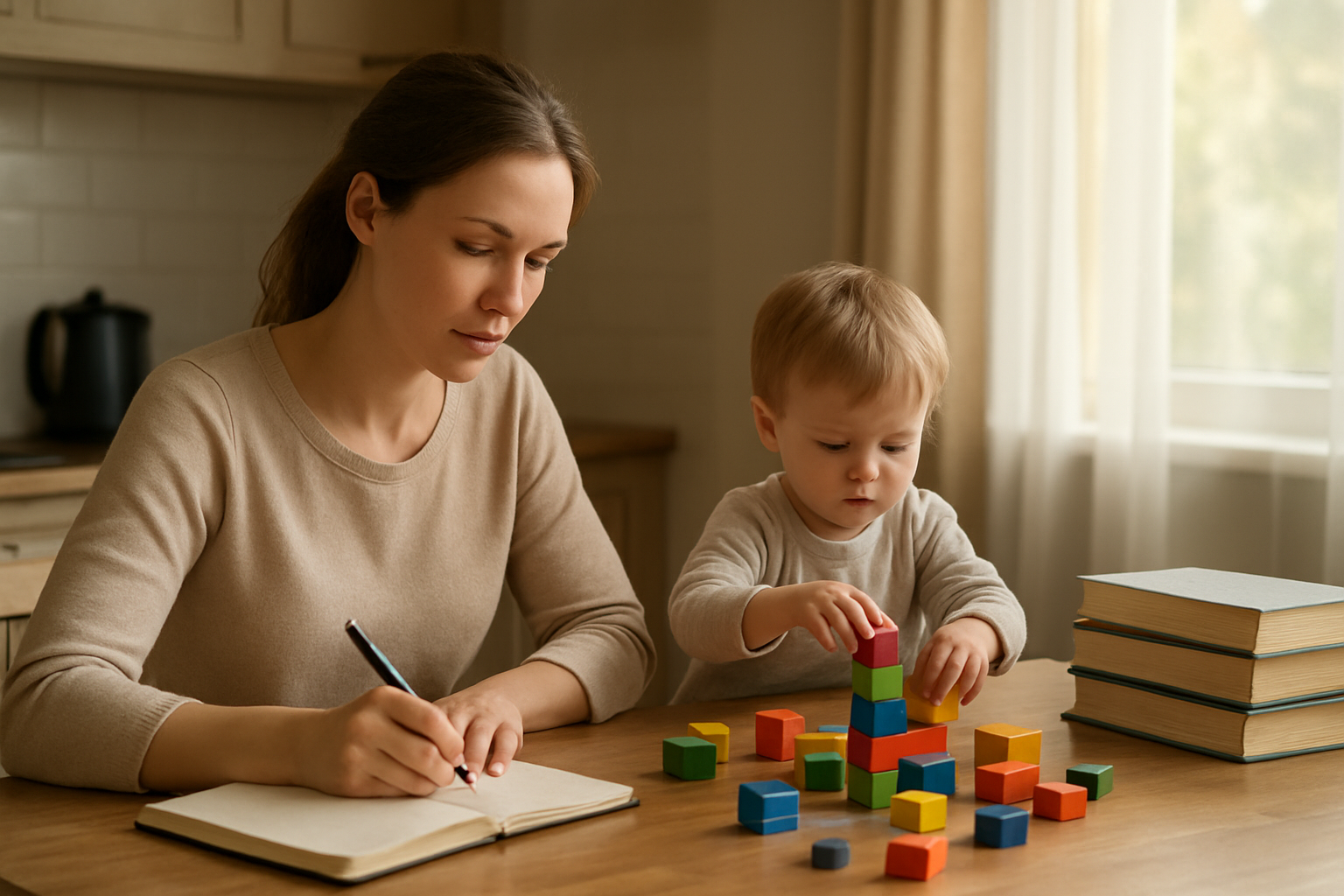
Motherhood transforms you into a master juggler almost overnight. You quickly learn to fold laundry while supervising toddler playtime, respond to emails during naptime, and somehow squeeze in a shower between feeding schedules. This constant balancing act develops your ability to prioritize tasks instantly and switch between responsibilities without missing a beat.
Your brain adapts to processing multiple streams of information simultaneously. You can monitor your child's safety, plan dinner, and have a phone conversation all at once - skills that often translate beautifully into professional settings. Many mothers discover they've become incredibly efficient at work because they've mastered the art of maximizing every available minute.
Time takes on new meaning when you're responsible for another human being. You learn to accomplish in 20 minutes what previously took an hour. Grocery shopping becomes a strategic mission, and you develop an almost supernatural ability to predict how long tasks will take. This pressure-cooker environment forces you to eliminate time-wasters and focus on what truly matters.
Building Emotional Intelligence Through Child Rearing
Raising a child becomes your crash course in emotional intelligence. You learn to read non-verbal cues, interpret different types of crying, and understand needs that can't be verbally expressed. This heightened awareness extends beyond your child to other relationships in your life.
Your patience grows exponentially as you navigate tantrums, sleep regressions, and developmental phases. You develop strategies for managing your own emotions while helping your child process theirs. This emotional regulation becomes a superpower that serves you well in challenging situations throughout life.
The empathy muscle gets a serious workout through motherhood. You begin seeing situations from multiple perspectives, understanding that behavior often stems from unmet needs. This deeper emotional understanding enriches all your relationships and makes you a more compassionate friend, partner, and colleague.
Gaining Confidence in Decision-Making for Your Family
Motherhood forces you to become the CEO of your family's well-being. Every day brings decisions about nutrition, safety, education, and development. You research car seats, evaluate pediatricians, and choose childcare providers - all while learning to trust your instincts about what's best for your child.
This constant decision-making builds tremendous confidence in your judgment. You learn to weigh options quickly, seek appropriate advice when needed, and stand firm in choices that feel right for your family. Many mothers discover they've become more decisive in all areas of life, not just parenting.
Your protective instincts sharpen your ability to assess situations and people. You develop a keen sense for identifying potential risks and opportunities. This heightened awareness, combined with your growing confidence in making tough calls, creates a powerful combination that serves you well beyond motherhood.
.png)
Becoming a mother reshapes every part of who you are, from how you see yourself to what matters most in your daily life. Your relationships shift, your body changes, and suddenly you're developing skills you never knew you needed. The woman you were before doesn't disappear, but she transforms into someone stronger and more complex than you ever imagined possible.
While the journey comes with real challenges like losing some independence and adjusting to a new physical reality, it also reveals incredible strength within you. Embrace this evolution rather than fighting it. Give yourself time to grieve the parts of your old life that feel lost, but also celebrate the amazing person you're becoming. Your identity isn't shrinking – it's expanding in ways that will surprise you every single day.
.png)


Comments
Post a Comment