Remembering Mothers Who are No Longer With Us
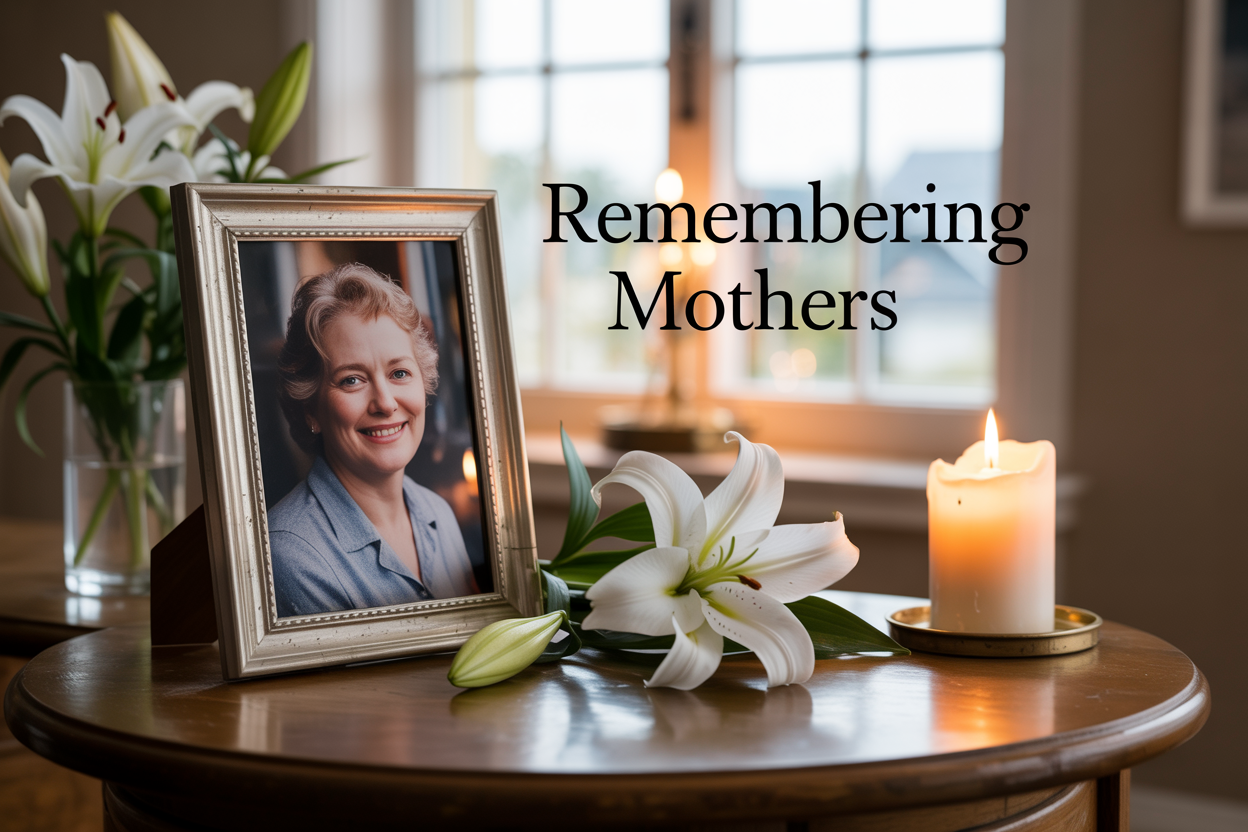
Losing your mother creates a unique kind of grief that touches every part of your life. This guide is for anyone navigating the complex journey of remembering deceased mother while learning to live without her physical presence.
Whether she passed recently or years ago, honoring mother's memory remains an important part of healing from maternal loss. The pain of losing mom doesn't follow a timeline, and finding ways to keep her spirit alive can bring unexpected comfort.
We'll explore how to create meaningful personal rituals that celebrate your mother's unique qualities and values. You'll discover practical approaches for preserving and sharing your mother's legacy with family members and future generations. Finally, we'll discuss healthy ways of coping with mother's death while finding comfort after losing mother through connection with others who understand this profound loss.
Your grief journey is personal, but you don't have to walk it alone. These strategies can help transform your pain into a lasting tribute to late mother that brings healing and hope.
Honoring Your Mother's Memory Through Personal Rituals

Creating meaningful daily remembrance practices
Daily rituals can provide profound comfort when remembering deceased mother figures. Start each morning by lighting a candle in her honor while sipping her favorite tea or coffee blend. This simple act creates a peaceful moment of connection before facing the day ahead.
Consider wearing a piece of her jewelry or carrying something that belonged to her - perhaps a handkerchief, small trinket, or photo in your wallet. These tangible reminders help maintain that emotional bond throughout busy days.
Cooking her signature recipes transforms ordinary meals into acts of remembrance. When you prepare her famous apple pie or Sunday roast, you're not just following instructions - you're continuing traditions that keep her presence alive in your kitchen and heart.
Reading her favorite books, tending to plants she loved, or listening to music that reminded her of special times creates daily touchpoints with cherished memories. Some people find peace in journaling to their mother each evening, sharing daily events as if writing her a letter.
Establishing special dates for commemoration
Birthdays, death anniversaries, and holidays naturally become significant when coping with mother's death. Rather than dreading these dates, transform them into meaningful celebration opportunities that honor mother's memory.
Plan specific activities for her birthday - visit her favorite restaurant, donate to causes she supported, or gather family members to share favorite stories. Some families release balloons, plant flowers, or create photo displays showcasing happy moments together.
Mother's Day presents unique challenges but can become powerful healing opportunities. Consider visiting places she loved, preparing her favorite meal for family gatherings, or volunteering for maternal causes that would have mattered to her.
Death anniversaries don't have to be somber occasions. Many people find strength in celebrating the life lived rather than mourning the loss. Organize memorial gatherings, create scholarship funds, or participate in activities that reflect her passions and values.
Developing personalized tribute activities
Creating tribute to late mother activities should reflect her unique personality and your special relationship. If she loved gardening, establish a memorial garden with her favorite flowers and plants. Each bloom becomes a living reminder of her nurturing spirit.
Artistic tributes offer creative outlets for grief expression. Compile photo albums, create memory quilts from her clothing, or commission artwork featuring meaningful symbols. Digital scrapbooks allow you to include videos, voice recordings, and interactive elements that preserve her essence.
Charitable activities aligned with her values create lasting positive impact. Start scholarship funds, organize community service projects, or support causes she championed. These activities channel grief into meaningful action while honoring her legacy.
Consider creating annual traditions like family recipe exchanges, storytelling gatherings, or special outings to places she enjoyed. These activities become anticipated events that bring loved ones together while celebrating her continuing influence.
Building memory preservation routines
Establishing consistent routines for preserving and sharing your mother's legacy ensures her memory remains vibrant over time. Designate monthly sessions for organizing photos, letters, and memorabilia into accessible formats for future generations.
Record family members sharing their favorite memories, funny stories, and life lessons she taught. These audio or video recordings become priceless treasures that capture her impact on different people's lives.
Create digital archives using cloud storage to preserve important documents, photos, and recordings. Organize materials by themes like holidays, family gatherings, or life milestones to make retrieval easy for family members.
Regular family sharing sessions encourage ongoing dialogue about her influence. Schedule monthly coffee dates with siblings or cousins specifically dedicated to sharing new memories or discoveries about her life. These conversations often reveal previously unknown stories that enrich everyone's understanding of who she was.
Document her recipes, household tips, and family traditions in detail before they're forgotten. Include the stories behind each tradition - why she started certain holiday customs or where family recipes originated. This documentation ensures future generations understand not just what she did, but why these practices held meaning.
Preserving and Sharing Your Mother's Legacy
Documenting family stories and wisdom
Your mother's stories hold irreplaceable treasures that deserve to live on long after she's gone. Start by gathering the tales she shared about her childhood, her parents, and the family history that shaped who she became. Record these stories in whatever format feels most natural - write them down in a journal, create voice recordings, or compile them into a digital scrapbook with photos.
Don't overlook the everyday wisdom she shared. Those life lessons she offered while cooking dinner or driving you to school often contain the most profound insights. Write down her favorite sayings, the advice she gave during tough times, and the unique perspective she brought to solving problems. These gems of wisdom become guideposts for navigating life without her physical presence.
Consider creating a family cookbook featuring her favorite recipes, but go beyond just ingredients and instructions. Include the stories behind each dish - why she made her famous apple pie for every birthday, or how she learned to cook from her own mother. These recipe stories become a beautiful way of honoring mother's memory while passing down practical traditions.
Interview other family members about their memories of her. Siblings, cousins, and longtime friends often remember different aspects of her personality and share stories you've never heard. This creates a fuller picture of who she was as a person beyond just being your mom.
Continuing her cherished traditions
The traditions your mother established or participated in become living memorials when you carry them forward. Whether she hosted elaborate holiday dinners, had a special way of celebrating birthdays, or maintained weekly phone calls with family members, these rituals can continue as powerful ways of remembering deceased mother.
Think about the seasonal traditions she loved most. Maybe she planted the same flowers every spring, decorated the house in a particular way for holidays, or had special customs around family milestones. These traditions don't need to be replicated exactly - adapt them to fit your current life while keeping the spirit alive.
Small daily or weekly traditions often hold the most meaning. If she always sent birthday cards with handwritten notes, continue that practice. If she had a special way of setting the table for Sunday dinner, carry that forward. These seemingly simple acts become profound connections to her memory and ways of keeping her presence felt in everyday life.
Don't feel pressured to maintain every tradition perfectly. Choose the ones that bring comfort and joy, and feel free to modify them as your family grows and changes. The goal isn't rigid preservation but rather honoring the love and intention behind the traditions she created.
Teaching her values to future generations
Your mother's values and principles represent one of the most important aspects of mother's legacy preservation. Take time to identify the core beliefs that guided her decisions and shaped how she treated others. Was she known for her generosity, her work ethic, or her ability to see the best in people? These character traits deserve intentional passing down.
Share specific examples of how she lived these values rather than just talking about them in abstract terms. Tell your children or younger family members about the time she helped a neighbor in need, how she handled conflict with grace, or the way she balanced work and family responsibilities. Real-life examples make her values tangible and relatable.
Create opportunities to practice her values together as a family. If she was passionate about helping others, volunteer together at causes she cared about. If she valued education, establish family reading times or learning traditions. If she believed in the importance of gratitude, start family practices around expressing thankfulness.
Consider establishing awards or recognition within your family that celebrate when someone demonstrates her key values. This could be as simple as acknowledging when a child shows her characteristic kindness or perseverance. These moments of recognition keep her influence active in shaping future generations while creating positive family dynamics that reflect her lasting impact.
Finding Comfort in Grief and Healing
Acknowledging the natural stages of loss
Grief doesn't follow a timeline, and there's no "right" way to process the loss of your mother. You might find yourself cycling through different emotions - denial, anger, bargaining, depression, and acceptance - but not necessarily in that order. Some days you'll feel like you're making progress, while others might bring waves of fresh sorrow that catch you completely off guard.
The journey of grief after losing mom is deeply personal. You might experience physical symptoms like fatigue, changes in appetite, or difficulty sleeping. Emotional ups and downs are completely normal too. One moment you're laughing at a funny memory, the next you're crying because you can't call her to share good news. These contradictory feelings don't mean you're "doing grief wrong" - they're part of the complex process of learning to live without someone so important.
Many people find comfort knowing that grief isn't something to "get over" but rather something to grow around. Your relationship with your mother doesn't end with her death; it transforms. The sharp edges of pain often soften over time, allowing space for gratitude and cherished memories to coexist with the sadness.
Seeking support from others who understand
Connecting with people who've walked this same difficult path can provide immense comfort during your darkest moments. Friends and family members who haven't lost their mothers might offer well-meaning advice, but sometimes you need someone who truly gets what you're going through.
Consider joining grief support groups specifically for those who've lost their mothers. These groups, whether in-person or online, create safe spaces where you can share your feelings without judgment. Members understand the unique pain of losing the person who brought you into this world, raised you, and likely knew you better than anyone else.
Online communities dedicated to maternal loss offer 24/7 support when grief strikes at 3 AM. Social media groups, forums, and dedicated websites connect you with others sharing similar experiences. You'll discover you're not alone in feeling overwhelmed by Mother's Day commercials or struggling with decisions your mom used to help you make.
Professional counseling can also provide valuable support. Therapists specializing in grief and loss understand the complexities of mourning a parent and can offer coping strategies tailored to your specific needs. They create judgment-free environments where you can express anger, guilt, regret, or any other difficult emotions that arise.
Practicing self-compassion during difficult moments
Be gentle with yourself as you navigate this new reality without your mother. Grief can make you feel like you're failing at basic tasks or letting others down. Instead of harsh self-criticism, try speaking to yourself the way your mother would - with love, understanding, and patience.
Some days, just getting through the day is enough. Don't pressure yourself to maintain your usual productivity levels or social commitments. Healing from maternal loss takes tremendous energy, leaving less available for everyday activities. Give yourself permission to rest, to say no to invitations, and to take breaks when you need them.
Create a toolkit of self-care practices that bring you comfort. This might include taking warm baths, going for walks in nature, listening to music your mom loved, or spending time with pets. Keep these options readily available for particularly difficult moments when grief feels overwhelming.
Remember that taking care of yourself honors your mother's memory. She wanted you to be happy and healthy. By prioritizing your well-being during this challenging time, you're continuing to show yourself the love and care she would have wanted for you.
Embracing both sadness and joy in memories
Your memories of your mother don't have to be purely sorrowful. It's perfectly healthy - and healing - to laugh while reminiscing about her quirky habits, funny sayings, or embarrassing moments you shared together. Joy and sadness can coexist in your heart as you remember her.
Allow yourself to smile when you think about her terrible cooking, her obsession with a particular TV show, or the way she always worried about you wearing enough layers in winter. These lighter moments don't diminish your love or grief - they celebrate the full, complex person your mother was beyond her role as your parent.
Create space for both tears and laughter when sharing stories about her with family and friends. Some of your most healing conversations might happen when someone shares a funny memory that has you laughing until your sides hurt, followed by a moment of shared sadness that she's no longer here to create new memories.
Finding comfort after losing mother often comes in these mixed moments of joy and sorrow. Your mother's influence on your life included happiness, laughter, and love alongside the deeper bonds of family connection. Honoring the full spectrum of your relationship - including the difficult times alongside the beautiful ones - creates a more complete picture of who she was and what she meant to you.
Celebrating Her Life and Impact
Recognizing Her Unique Contributions to Your Life
Your mother's influence touched every corner of your existence in ways both big and small. Maybe she taught you to find joy in simple moments – like how she'd hum while cooking dinner or how she always remembered your favorite foods during tough times. Perhaps her strength showed up in quiet moments when she worked extra hours to provide for the family or when she listened patiently to your problems without judgment.
Take time to identify the specific qualities she brought to your relationship. Was she the one who encouraged your creativity when everyone else thought your dreams were too ambitious? Did she have an uncanny ability to know exactly what to say when you felt lost? Some mothers show love through acts of service – always having clean clothes ready or a warm meal waiting. Others express it through words of encouragement or simply being present during life's challenges.
Her contributions might include practical skills she taught you, like how to balance a checkbook or fix a flat tire. But more often, the most meaningful gifts were intangible – her resilience during difficult times, her ability to forgive quickly, or the way she made everyone feel welcomed in her home.
Sharing Stories That Highlight Her Character
Stories become precious treasures when remembering a deceased mother. They capture her essence in ways that simple descriptions never could. Think about the moments that made her laugh until tears streamed down her face, or times when her compassion surprised even you.
Consider creating a collection of these memories:
-
Her quirky habits that seemed annoying then but feel endearing now
-
Moments of unexpected wisdom when she knew exactly what you needed to hear
-
Times she went above and beyond for family, friends, or even strangers
-
Her reactions during major life events – graduations, relationships, career changes
-
Small daily rituals that showed her love and care
Share these stories with family members, friends, or even write them down for future generations. Each person who knew her will have different memories that reveal various facets of her personality. Your sister might remember her terrible singing voice during car rides, while your father recalls her determination to learn new skills well into her adult years.
Don't shy away from stories that show her human side – the times she burned dinner while trying a new recipe, or when she got lost driving to familiar places. These imperfect moments make the memories more real and relatable.
Acknowledging How She Shaped Who You Are Today
The woman you've become carries forward pieces of your mother's spirit, often in ways you might not immediately recognize. Look at your own reactions during stressful situations – do you hear her voice guiding you through challenges? Notice how you interact with others – her lessons about kindness, boundaries, or standing up for what's right likely influence your daily choices.
Your mother's legacy lives on through your:
| Area of Influence | Examples of Her Impact |
|---|---|
| Values and Beliefs | How you treat others, what you prioritize, your sense of right and wrong |
| Communication Style | Whether you're direct or diplomatic, how you handle conflict |
| Life Skills | Financial habits, organizational methods, problem-solving approaches |
| Relationships | How you love others, set boundaries, show affection |
| Resilience | Your coping mechanisms, optimism levels, perseverance |
Sometimes her influence shows up in unexpected ways. Maybe you catch yourself using her exact words when comforting a friend, or you find yourself drawn to volunteer work because she modeled compassion for others. Perhaps you've inherited her stubborn streak that helps you push through difficult projects, or her ability to find humor during tough times keeps you grounded.
Even traits you once resisted might now feel like gifts. Her tendency to worry might have taught you to be prepared and think ahead. Her high standards could have instilled a work ethic that serves you well professionally.
Recognizing these connections doesn't mean you're living in her shadow – instead, you're honoring your mother's memory by letting the best parts of who she was continue to make the world a little better through your own actions and choices.
Connecting with Others Who Share Similar Loss
Building Supportive Relationships with Fellow Grievers
Finding others who understand the specific pain of coping with mother's death creates a unique form of healing. These connections often begin unexpectedly – perhaps through a friend of a friend, a coworker who notices your struggle, or someone you meet at a support group. When you meet another person navigating grief after losing mom, there's an immediate understanding that doesn't require explanation.
Start conversations slowly. Share small memories first, like how your mother made her coffee or her favorite song. These gentle exchanges help gauge comfort levels and build trust. Many people find that talking with someone who's experienced maternal loss feels safer than discussing feelings with well-meaning friends who still have their mothers.
Online platforms also offer meaningful connections. Facebook groups, Reddit communities, and specialized grief forums provide spaces where you can share at your own pace. Some people prefer the anonymity of online interaction, while others value face-to-face conversations. Both approaches work – choose what feels right for your personality and needs.
Participating in Memorial Communities and Groups
Grief support groups specifically for those remembering deceased mother figures offer structured environments for healing. Many hospitals, religious centers, and community organizations host regular meetings where participants share stories, coping strategies, and comfort.
Look for groups that match your comfort level:
-
Traditional support groups: Weekly meetings with a facilitator
-
Walking groups: Gentle exercise combined with conversation
-
Creative workshops: Art therapy, memory books, or craft projects
-
Holiday-specific gatherings: Support during Mother's Day, birthdays, or anniversaries
-
Online communities: Virtual meetings for those with scheduling conflicts or mobility issues
Memorial communities often organize annual events like butterfly releases, tree plantings, or charity walks. These activities provide meaningful ways to honor your mother while connecting with others who share similar experiences. Many participants find that volunteering for these events helps transform their grief into purposeful action.
Offering Comfort to Others Experiencing Mother Loss
Helping others work through their grief after losing mom can become a powerful part of your own healing journey. Your experience, no matter how recent or distant, gives you insight that can genuinely help someone earlier in their grief process.
Small gestures make enormous differences. Send a text on difficult days, share a helpful book, or simply listen without trying to fix their pain. Many people find that cooking a meal, delivering flowers, or sending a handwritten note provides comfort that lasts beyond the immediate gesture.
Consider becoming a mentor in grief support groups once you feel emotionally ready. Your story of survival and growth offers hope to others who might feel stuck in their pain. Remember that helping doesn't require having all the answers – sometimes the most valuable gift is showing someone that life can continue meaningfully after such a significant loss.
Creating Bonds Through Shared Experiences
Shared experiences create lasting bonds that extend far beyond initial grief connections. Many people discover that relationships formed through maternal loss become some of their strongest friendships. These connections understand the continuing love for someone no longer physically present.
Plan activities that honor both your mothers' memories. Visit places your mothers loved, cook their favorite recipes together, or share photo albums and stories. Some groups organize annual traditions like planting gardens, hosting charity events, or creating memory quilts.
These relationships often evolve naturally into broader support systems. People who initially connected over loss frequently become travel companions, confidants, and chosen family members. They understand the bittersweet nature of holidays, the difficulty of Mother's Day, and the joy found in keeping your mother's spirit alive through everyday moments.
The beauty of these connections lies in their authenticity – bonds formed through shared vulnerability and understanding create relationships built on genuine care and mutual support.

Losing your mother leaves an emptiness that never fully disappears, but finding meaningful ways to honor her memory can bring peace and healing to your grieving heart. Creating personal rituals, sharing her stories with others, and celebrating the lasting impact she made on your life helps keep her spirit alive. Whether you choose to preserve family traditions she started, volunteer for causes she cared about, or simply take quiet moments to remember her wisdom, these acts of remembrance become bridges between your past and present.
The journey through grief doesn't have to be walked alone, and connecting with others who understand this profound loss can provide unexpected comfort and strength. Your mother's love, lessons, and legacy live on through you and the countless ways she shaped who you've become. Take time to grieve, but also make space to celebrate the beautiful gift of having had her in your life, knowing that the bond between a mother and child transcends even death itself.


.png)
Comments
Post a Comment