The Different Types of Mothers Around the World
.png)
Motherhood looks incredibly different depending on where you live in the world. Types of mothers around the world vary dramatically based on cultural traditions, economic realities, and deeply held beliefs about raising children.
This guide is perfect for expecting parents, cultural enthusiasts, and anyone curious about global parenting approaches beyond their own experience. You'll discover how geography and tradition create vastly different mothering experiences across continents.
We'll explore traditional mothering across continents — from the communal child-rearing practices in parts of Africa to the intensive parenting styles common in East Asia. You'll also learn about modern parenting philosophies that are reshaping motherhood in urban centers worldwide, and how cultural parenting differences influence everything from sleep routines to educational expectations.
Get ready to see how mothers around the globe navigate the universal challenge of raising children while honoring their unique regional parenting traditions.
Traditional Mothering Styles Across Continents
Asian Tiger Mothers and Academic Excellence Focus
Asian tiger mothers have gained worldwide recognition for their intense focus on educational achievement and structured discipline. This parenting style, prominent in countries like China, South Korea, and Singapore, centers around pushing children to excel academically through rigorous study schedules, extensive tutoring, and high expectations.
These mothers often sacrifice their own time and resources to ensure their children receive the best education possible. They view academic success as the primary pathway to future prosperity and social mobility. Daily schedules typically include multiple hours of homework, music lessons (particularly piano or violin), and weekend study sessions. Traditional mothering across continents varies significantly, but the Asian approach emphasizes delayed gratification and long-term planning.
Key characteristics of tiger mothering include:
-
Strict adherence to study schedules
-
Limited recreational activities until academic goals are met
-
High expectations for grades and test scores
-
Early introduction to competitive environments
-
Strong emphasis on respect for authority and discipline
While critics argue this approach can create stress and limit creativity, supporters point to impressive academic outcomes and strong work ethics in children raised under this system. Many Asian mothers balance this intensity with deep emotional support and unwavering commitment to their children's future success.
African Community-Based Child Rearing Approaches
African mothering traditions emphasize collective responsibility and community involvement in raising children. This global mothering style recognizes that children belong not just to their biological mothers, but to the entire village or extended family network. From Nigeria to Kenya to South Africa, mothers rely on grandmothers, aunts, siblings, and neighbors to share child-rearing duties.
Children learn through observation and participation in daily community life rather than formal instruction. They help with household chores, care for younger siblings, and participate in cultural ceremonies from an early age. This approach builds strong social skills, cultural identity, and practical life knowledge.
Community-based mothering features:
-
Shared responsibility among multiple female figures
-
Children learn through hands-on experience
-
Strong emphasis on respect for elders
-
Cultural traditions passed down orally
-
Collective problem-solving for child-related challenges
African mothers often carry babies on their backs while working, keeping infants close while maintaining productivity. This practice strengthens mother-child bonds while allowing mothers to contribute economically to their families. The approach creates resilient, socially aware children who understand their place within larger community structures and cultural heritage.
European Balanced Independence and Structure Methods
European mothers across countries like Germany, Netherlands, and Scandinavian nations practice a balanced approach that combines structured routines with age-appropriate independence. This cultural parenting difference emphasizes teaching children self-reliance while maintaining clear boundaries and expectations.
Children are encouraged to walk to school alone, play outside without constant supervision, and make age-appropriate decisions. Yet this freedom comes within well-established frameworks of safety, respect, and responsibility. European mothers often prioritize outdoor time regardless of weather, believing fresh air and physical activity are essential for healthy development.
European mothering principles include:
-
Early independence training
-
Outdoor play in all weather conditions
-
Structured daily routines
-
Open communication about emotions and problems
-
Balance between freedom and responsibility
Many European mothers return to work relatively quickly after childbirth, supported by comprehensive childcare systems and parental leave policies. They model work-life balance while teaching children that both parents contribute to family welfare. This approach creates confident, self-sufficient children who can navigate independence while respecting social structures and expectations.
Latin American Family-Centered Nurturing Traditions
Latin American mothers from Mexico to Argentina prioritize strong family bonds and emotional connection in their parenting approach. This maternal behavior emphasizes warmth, physical affection, and maintaining close relationships throughout children's lives, even into adulthood.
Familismo, the cultural value placing family needs above individual desires, guides daily decisions. Mothers often live in multi-generational households where grandmothers, aunts, and other female relatives actively participate in child care. Children learn to prioritize family loyalty, respect for elders, and collective well-being over personal ambitions.
Key aspects of Latin American mothering:
-
Extensive physical affection and emotional closeness
-
Multi-generational family involvement
-
Strong emphasis on respect and obedience
-
Cultural and religious tradition preservation
-
Gender role modeling through daily activities
These mothers frequently make significant personal sacrifices for their children's benefit, often working multiple jobs or delaying their own goals to ensure family stability. They teach children through storytelling, religious practices, and cultural celebrations that reinforce family values and cultural identity. This nurturing approach creates children with strong emotional intelligence and deep family connections that last throughout their lives.
Modern Parenting Philosophies by Geographic Region
Scandinavian Free-Range Parenting Benefits
Nordic mothers embrace a parenting philosophy that trusts children's natural ability to learn through exploration and independence. This approach, deeply rooted in global parenting approaches, gives kids remarkable freedom to roam, play, and make decisions from an early age.
Swedish and Norwegian mothers regularly send their toddlers outside in sub-zero temperatures, believing fresh air strengthens both body and character. Children as young as three walk to school alone or play unsupervised in forests for hours. This isn't neglect – it's intentional cultural parenting differences that build resilience and self-reliance.
Danish mothers practice "hygge" parenting, creating cozy environments while maintaining clear boundaries. They prioritize emotional well-being over academic pressure, allowing children to fail safely and learn naturally. This balanced approach produces confident, emotionally intelligent adults who handle stress effectively.
The benefits are measurable: Scandinavian children show higher levels of creativity, problem-solving skills, and emotional regulation compared to their more supervised counterparts. They develop strong risk assessment abilities and rarely experience the anxiety common in over-protected children.
Japanese Minimalist Child Development Strategies
Japanese mothers follow the principle of "less is more" in child-rearing, focusing on quality interactions rather than material abundance. This modern parenting philosophy emphasizes character building through simplicity and mindfulness.
The concept of "ikigai" – finding purpose in life – starts early in Japanese households. Mothers create calm, uncluttered environments where children can focus deeply on single activities. Instead of overwhelming kids with toys and activities, they provide carefully selected items that encourage imagination and concentration.
Maternal behaviors by culture in Japan include teaching children to clean up after themselves from age two, preparing their own school lunches, and taking responsibility for classroom maintenance. These practices build intrinsic motivation and respect for shared spaces.
Japanese mothers also practice "watching over" rather than constant interaction. They observe their children's natural development patterns and intervene only when necessary. This approach allows kids to develop internal motivation and self-discipline without external pressure.
The minimalist approach extends to scheduling – Japanese children have unstructured time for independent play and reflection, creating space for creativity and emotional processing.
Australian Outdoor Adventure Mothering Styles
Australian mothers raise their children with a deep connection to the natural world, viewing the outdoors as the ultimate classroom. This regional parenting tradition transforms everyday activities into adventures that build physical strength and mental toughness.
Beach days aren't just fun – they're lessons in water safety, marine ecology, and weather awareness. Australian mums teach their kids to read rip currents, identify dangerous wildlife, and respect the power of nature. Children learn practical survival skills while developing a healthy respect for their environment.
The "she'll be right" attitude prevalent in Australian culture translates into parenting that encourages calculated risks. Mothers support their children in climbing trees, exploring bushland, and trying challenging physical activities. This builds confidence and teaches kids to assess danger realistically.
Types of mothers around the world vary greatly, but Australian mothers stand out for their emphasis on outdoor education. They organize camping trips, hiking expeditions, and beach excursions as regular family activities, not special occasions.
Weekend adventures might include rock climbing, surfing lessons, or wilderness camping. These experiences teach children to be adaptable, resourceful, and comfortable in challenging situations. The result is a generation of young people who are physically capable, environmentally conscious, and mentally resilient.
This outdoor-focused parenting style produces children who are comfortable with uncertainty, skilled at problem-solving, and deeply connected to their natural heritage.
Cultural Values That Shape Maternal Behaviors
Collectivist Societies and Extended Family Support Systems
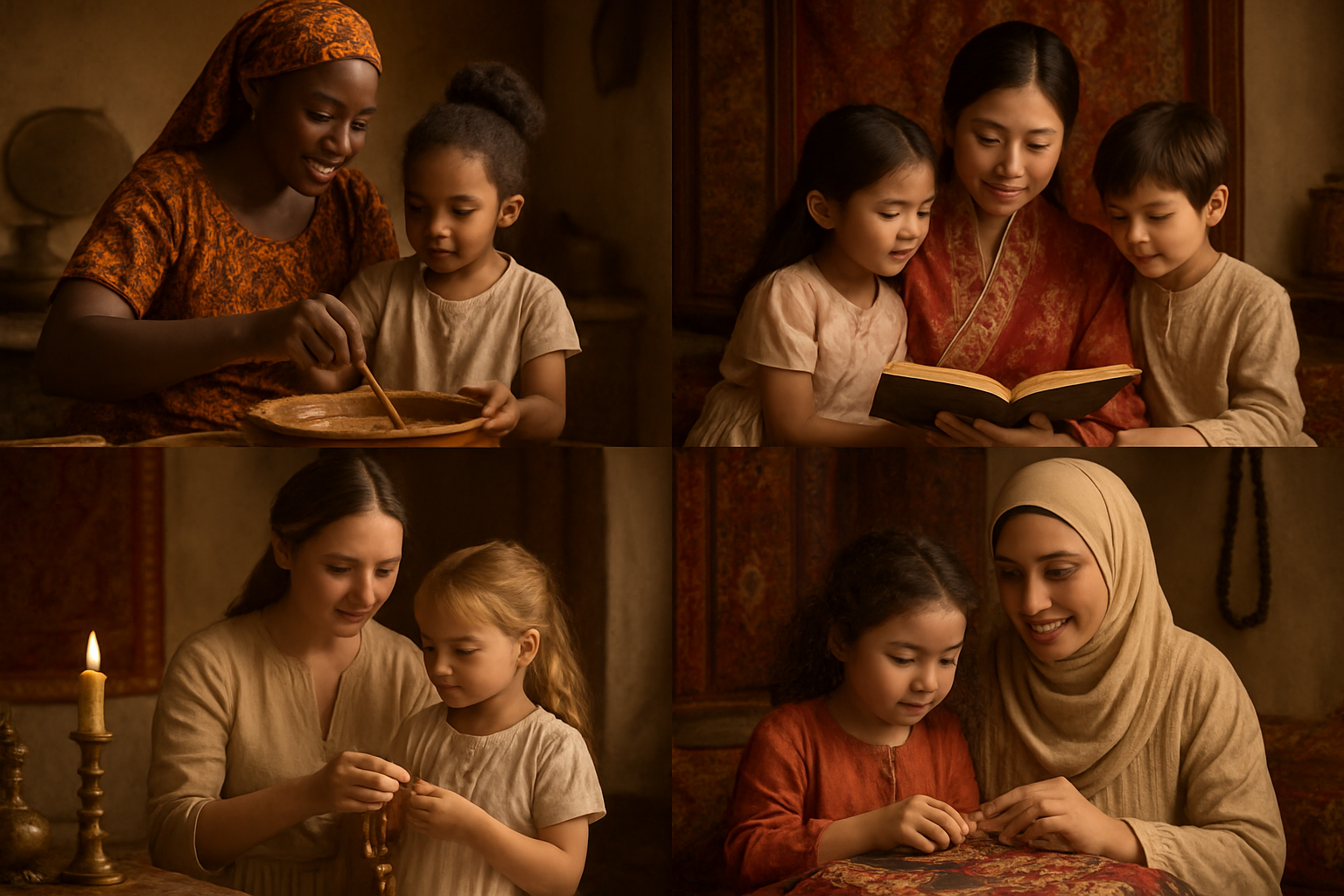
In many Asian, African, and Latin American cultures, motherhood becomes a shared responsibility that extends far beyond the nuclear family. Chinese mothers often rely on grandparents for daily childcare, with the concept of "tiger grandmothers" playing active roles in academic supervision and discipline. This multi-generational approach to raising children creates a support network that allows mothers to maintain careers while ensuring children receive constant guidance.
African mothering traditions frequently involve the entire village in child-rearing responsibilities. In countries like Nigeria and Ghana, aunts, older siblings, and family friends naturally step into caregiving roles. This communal approach means children learn from multiple maternal figures, each contributing different skills and perspectives to their development.
Mexican and other Latin American cultures emphasize "familismo," where extended family members live close together and share parenting duties. Grandmothers, known as "abuelas," often serve as secondary mothers, providing wisdom, cultural knowledge, and practical childcare support. This system allows mothers to work or pursue education while maintaining strong family bonds.
The collectivist approach creates unique advantages: children develop stronger social skills, mothers experience less isolation, and traditional knowledge passes down through generations. However, it can also mean less autonomy for individual mothers in making parenting decisions.
Individualist Cultures and Self-Reliance Teaching Methods
Western cultures, particularly in North America and Northern Europe, emphasize independence and self-sufficiency in their mothering approaches. American mothers often focus on building their children's confidence through personal achievement and individual problem-solving. From early ages, children learn to sleep alone, make their own decisions, and take responsibility for their actions.
Scandinavian mothers practice a unique blend of independence and support. Danish and Norwegian parenting styles encourage children to explore nature independently from young ages, with concepts like "friluftsliv" (outdoor life) being central to childhood development. Swedish mothers often implement "lagom," a balanced approach that teaches moderation and self-regulation.
| Culture | Independence Focus | Key Practice |
|---|---|---|
| American | Personal achievement | Individual goal-setting |
| Danish | Nature exploration | Outdoor independence |
| German | Self-discipline | Structured responsibility |
| Canadian | Problem-solving | Critical thinking skills |
These individualist mothering styles produce children who are comfortable with personal responsibility and decision-making. The downside can be increased pressure on mothers to handle parenting challenges alone, without the built-in support systems found in collectivist societies.
Religious Influences on Daily Parenting Decisions
Religious beliefs significantly shape maternal behaviors across different cultures, influencing everything from feeding practices to educational choices. Muslim mothers worldwide follow Islamic principles that emphasize respect for parents, with many practicing extended breastfeeding periods and teaching children daily prayers from infancy.
Hindu mothers in India often consult astrological charts for important decisions like naming ceremonies and educational timing. The concept of "sanskara" (cultural values) guides their approach to character building, with emphasis on respect for elders and spiritual development alongside academic achievement.
Christian mothering varies widely across denominations and regions. Catholic mothers in the Philippines and Mexico often prioritize religious education and community involvement, while Protestant mothers in the American South might focus on biblical principles in daily discipline and moral teaching.
Jewish mothers across different countries maintain kosher households and teach Hebrew language and traditions. The emphasis on education and questioning as learning tools creates distinct parenting approaches focused on intellectual development and cultural preservation.
Buddhist mothers in countries like Thailand and Myanmar teach mindfulness and compassion from early childhood, incorporating meditation practices into daily routines and emphasizing non-violent conflict resolution.
Economic Factors Driving Motherhood Approaches
Financial circumstances dramatically influence global parenting approaches and maternal behaviors. In developing countries, mothers often prioritize basic survival needs, with children contributing to household income from young ages. Rural mothers in countries like Bangladesh and Peru teach practical skills like farming and handicrafts alongside traditional academic subjects.
Urban mothers in emerging economies like Brazil and India face unique challenges balancing traditional family values with modern career demands. Many employ domestic helpers or rely on family networks to manage childcare while pursuing economic opportunities that previous generations couldn't access.
Wealthy mothers in developed nations can afford specialized childcare, private education, and enrichment activities that shape distinctly different parenting approaches. These mothers often focus on competitive advantages through music lessons, sports training, and academic tutoring.
Middle-class mothers worldwide share similar challenges regardless of location: balancing work and family life, managing educational expenses, and providing opportunities for their children's advancement. Economic pressures create similar coping strategies across cultures, from shared childcare arrangements to dual-career household management.
The economic divide also influences long-term planning approaches. Mothers in economically stable environments can focus on emotional development and creative expression, while those facing financial uncertainty prioritize immediate practical skills and economic contribution from their children.
Working Motherhood Models Around the Globe
Northern European Generous Maternity Leave Systems
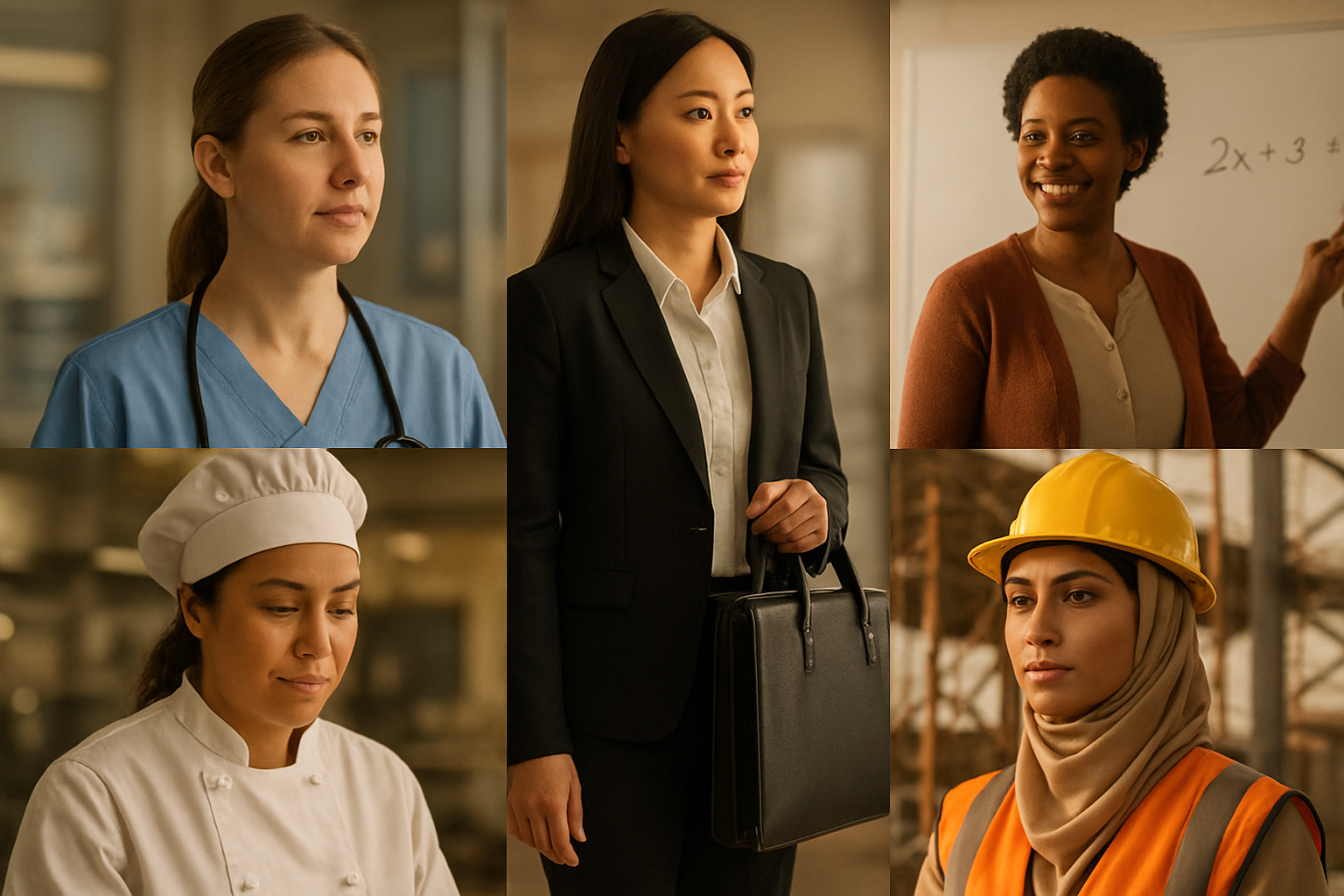
Scandinavian countries set the gold standard for supporting working mothers worldwide through their comprehensive parental leave policies. Sweden offers 480 days of paid leave that can be shared between parents, while Norway provides 49-59 weeks of paid leave depending on the benefit level chosen. These global mothering styles create an environment where women don't have to choose between career advancement and family life.
Danish mothers enjoy up to 52 weeks of maternity leave with full pay, followed by flexible return-to-work options including part-time schedules and job-sharing arrangements. The cultural expectation in these regions supports mothers taking extended time off without career penalties. Finnish mothers benefit from nearly 17 months of family leave, with the understanding that investing in early childhood development strengthens society as a whole.
These policies reflect deeply ingrained values about gender equality and child welfare. Northern European working mothers worldwide often return to work gradually, maintaining their professional identities while prioritizing family bonding. The social safety net includes subsidized childcare, making the transition back to work smoother and more affordable for families.
American Entrepreneurial Mom Culture Benefits
The United States presents a unique landscape for working mothers worldwide, where limited federal maternity leave policies have sparked innovative entrepreneurial solutions. American mothers often create flexible income streams through online businesses, freelancing, and remote work opportunities that align with their family schedules.
The "mompreneur" movement has exploded across America, with mothers launching everything from e-commerce stores to consulting businesses from home. This entrepreneurial spirit stems partly from necessity, as the U.S. lacks guaranteed paid maternity leave, pushing mothers to find creative ways to balance income generation with childcare responsibilities.
American mom culture celebrates multitasking and hustle mentality. Social media platforms showcase mothers building successful businesses while homeschooling children or managing household responsibilities. This cultural parenting differences approach emphasizes individual responsibility and resourcefulness over collective support systems.
The gig economy has particularly benefited American mothers, offering flexible scheduling for ride-sharing, delivery services, and online tutoring. Many mothers piece together multiple income sources, creating customized work arrangements that traditional employment might not allow.
Asian Work-Life Integration Strategies
Types of mothers around the world vary significantly across Asian cultures, with distinct approaches to balancing professional and maternal responsibilities. Japanese mothers often follow the traditional pattern of leaving the workforce after childbirth, then returning to part-time or contract positions once children are school-aged. This reflects the cultural concept of "ikuji," prioritizing intensive child-rearing during early years.
South Korean mothers face intense pressure in a highly competitive society where children's academic success reflects maternal dedication. Many Korean mothers become "helicopter parents," dedicating themselves full-time to managing their children's education, tutoring schedules, and extracurricular activities as their primary "career."
Chinese mothers in urban areas increasingly embrace dual-career households, relying heavily on grandparents for childcare support. The multi-generational approach to child-rearing allows mothers to maintain professional trajectories while ensuring children receive family-based care. This international motherhood practices model creates unique family dynamics where traditional wisdom meets modern career ambitions.
Singapore and Hong Kong mothers often employ domestic helpers, creating a system where professional mothers can maintain demanding careers while ensuring quality childcare. This arrangement reflects pragmatic solutions to expensive urban living where dual incomes are necessary for family financial stability.
Developing Nations Survival-Focused Parenting
Mothers in developing countries face regional parenting traditions shaped by economic necessity and limited resources. In rural Africa, mothers often carry infants while working in agricultural fields, integrating childcare with subsistence farming activities. This hands-on approach creates strong mother-child bonds while ensuring family survival through food production.
Latin American mothers frequently operate small businesses from home, selling food, crafts, or services to neighbors while supervising children. These microenterprises represent maternal behaviors by culture that prioritize family economic stability over career advancement in formal employment sectors.
In parts of Asia and Africa, mothers organize informal childcare cooperatives where women take turns watching multiple children while others work. These community-based solutions reflect resourcefulness and mutual support systems that don't exist in more individualistic societies.
Many mothers in developing nations work in informal economies - selling goods at markets, providing domestic services, or engaging in piece-work manufacturing. Their global parenting approaches focus on immediate needs like food security, education access, and health care, with long-term career planning being a luxury few can afford. Despite challenging circumstances, these mothers often display remarkable resilience and innovation in providing for their families while maintaining strong cultural traditions and values.
Unique Regional Mothering Practices and Traditions
Indigenous Wisdom-Based Child Guidance Methods
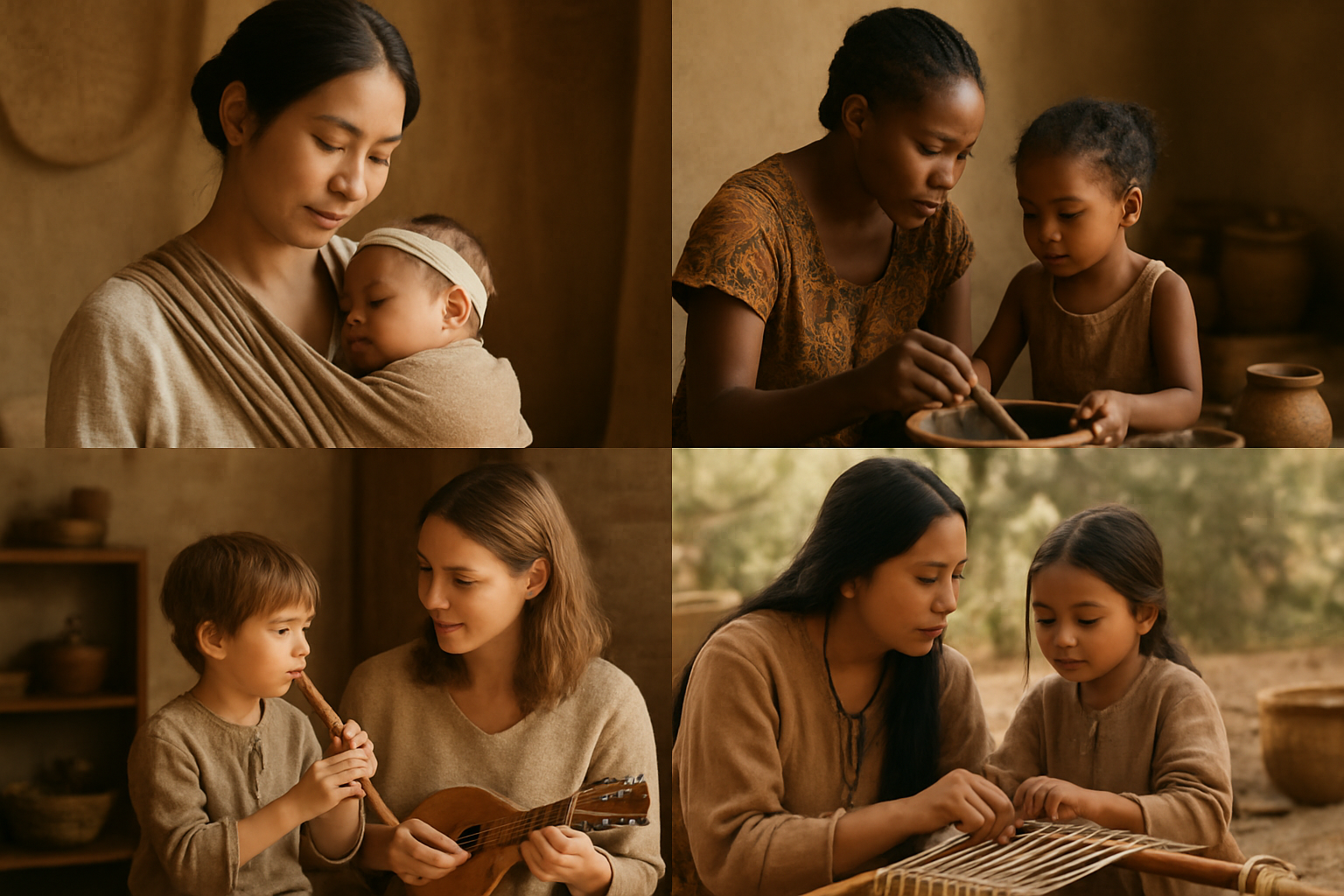
Native communities worldwide have developed sophisticated child-rearing approaches that prioritize observation, storytelling, and experiential learning over formal instruction. Among the Inuit of the Arctic, mothers practice isuma - the development of good judgment through patient guidance rather than direct commands. Children learn by watching adults handle real-life situations, with mothers offering gentle redirection only when necessary.
Aboriginal Australian mothers employ the Dadirri principle, teaching children deep listening and quiet observation of their environment. This regional parenting tradition involves extended periods of silent contemplation in nature, where children develop intuition and connection to the land. The Yarning Circle method allows children to share experiences and learn from community stories, with mothers serving as facilitators rather than lecturers.
Indigenous mothers in the Amazon rainforest practice plant-based wisdom teaching, where children learn about healing properties and environmental balance through hands-on experience. These cultural parenting differences emphasize respect for natural rhythms and seasonal cycles, with mothers adjusting their guidance styles based on lunar phases and agricultural calendars.
Island Nations Ocean-Connected Upbringing Styles
Mothers in Pacific island communities raise children with an intrinsic understanding of ocean rhythms and maritime survival skills. In Polynesia, mothers teach wave-reading techniques to toddlers through water play, gradually building confidence and respect for oceanic forces. These types of mothers around the world demonstrate unique adaptation to their geographical environment.
Hawaiian mothers practice Ho'oponopono, a restorative approach where children learn conflict resolution through family circles and emotional healing rituals. The ocean serves as both classroom and spiritual guide, with mothers incorporating tidal patterns into daily routines and decision-making processes.
In the Maldives, mothers develop swimming abilities in infants through gentle water introduction ceremonies, believing that early ocean connection builds physical resilience and emotional stability. Children learn traditional fishing techniques alongside mothers, developing practical skills while maintaining cultural heritage.
Desert Communities Resilience-Building Techniques
Desert-dwelling mothers across Africa and Asia have perfected water conservation mindsets and heat adaptation strategies that shape their child-rearing approaches. Berber mothers in the Sahara teach children to read sand patterns and wind directions, developing navigation skills essential for survival in harsh environments.
Bedouin mothers practice resource-sharing principles, where children learn community interdependence through shared responsibilities and collective child-care systems. These maternal behaviors by culture emphasize mental toughness and adaptability, with mothers creating challenging scenarios that build problem-solving capabilities.
Australian Aboriginal mothers in desert regions use Dreamtime narratives to teach survival skills, embedding practical knowledge within spiritual stories. Children learn water location techniques, edible plant identification, and extreme weather preparation through immersive storytelling experiences that connect physical survival with cultural identity.
.png)
Mothers across the globe share the universal goal of raising healthy, happy children, yet their approaches vary dramatically based on cultural traditions, economic realities, and regional values. From the attachment-focused practices of Scandinavian countries to the community-centered child-rearing seen in many African cultures, each mothering style reflects deep-rooted beliefs about family, independence, and success. Modern working mothers continue to adapt these traditional approaches while balancing career demands and evolving social expectations.
Understanding these diverse mothering styles reminds us that there's no single "right" way to raise children. Each approach offers valuable insights that can enrich our own parenting journey, whether that's embracing the Danish concept of outdoor play, adopting the extended family support systems common in Latin America, or finding inspiration in the educational priorities of East Asian cultures. Take time to explore what resonates with your family's values and don't be afraid to blend the best practices from different cultures to create your own unique mothering style.
.png)


Comments
Post a Comment