Why We Celebrate Mother's Day
.png)
Mother's Day brings families together every second Sunday in May, but many people don't know the fascinating story behind this beloved holiday. This guide is perfect for anyone curious about Mother's Day history and why we celebrate Mother's Day in the first place - whether you're a parent, student, or simply want to understand the deeper meaning behind the flowers and cards.
The Mother's Day origins stretch back over a century, rooted in both ancient traditions and modern activism that transformed a simple idea into a worldwide celebration. We'll explore how this holiday evolved from historical movements into today's global tradition, examine the cultural significance that makes Mother's Day meaningful across different societies, and discover the real psychological benefits of acknowledging maternal contributions to our lives.
You'll also learn practical ways to celebrate Mother's Day meaningfully that go beyond store-bought gifts, helping you create lasting memories that truly honor the mothers in your life.
Historical Origins That Started a Global Tradition
Anna Jarvis's Campaign to Honor Her Mother's Legacy
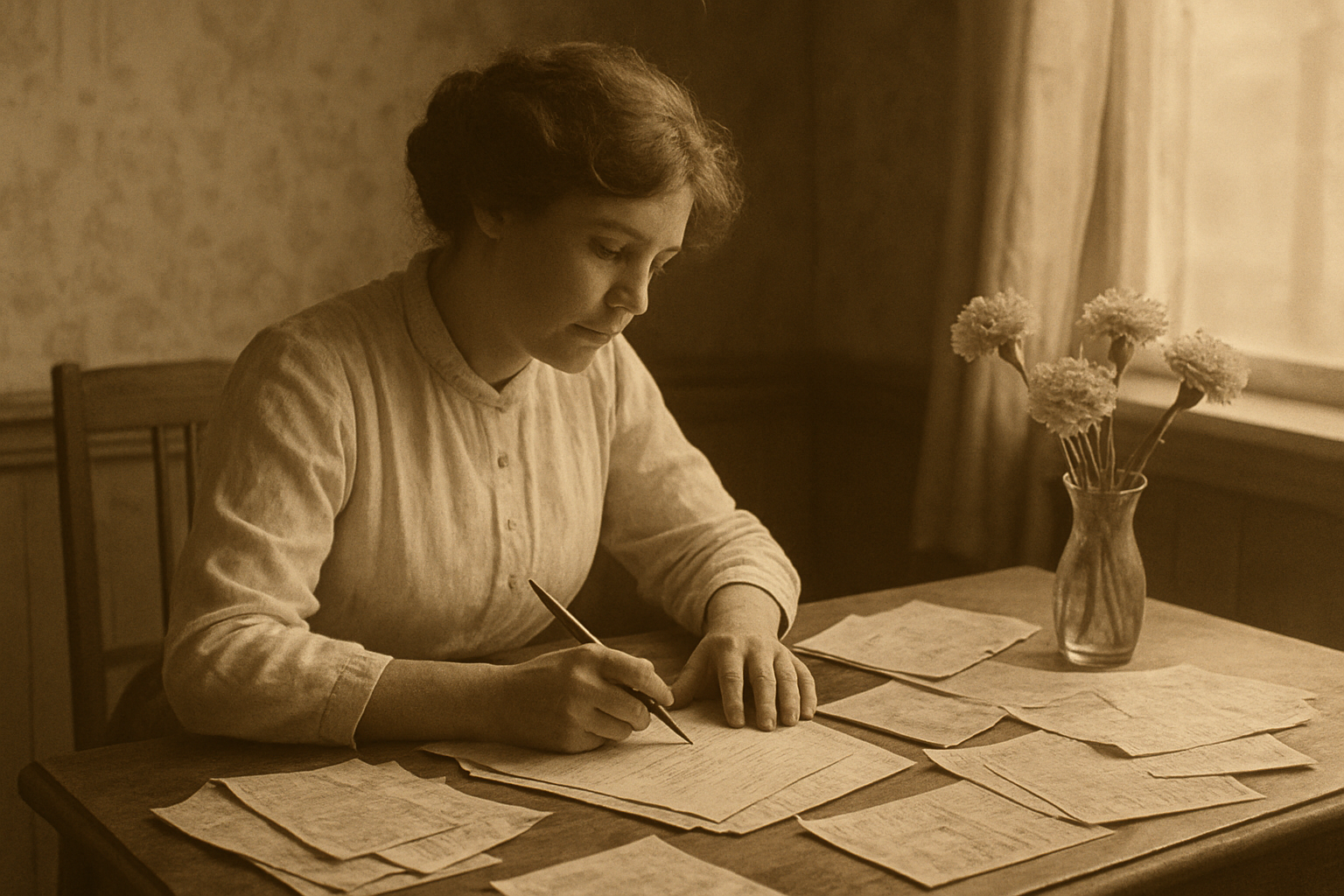
Anna Jarvis single-handedly transformed a personal tribute into a national celebration that would spread across the globe. After her mother Ann Reeves Jarvis passed away in 1905, Anna felt compelled to create a day dedicated to honoring mothers everywhere. Her mother had been a community activist who organized "Mother's Day Work Clubs" during the Civil War to improve sanitary conditions and care for wounded soldiers from both sides of the conflict.
Anna's campaign began with a simple memorial service at Andrews Methodist Episcopal Church in Grafton, West Virginia, on May 10, 1908. She distributed 500 white carnations to attendees, choosing this flower because it represented the purity, strength, and endurance of motherly love. The white carnation became the official Mother's Day flower, with red carnations later representing living mothers and white ones honoring deceased mothers.
Her relentless letter-writing campaign targeted politicians, business leaders, and newspaper editors. Anna believed that American holidays honored men's achievements while overlooking women's contributions to society. She wanted Mother's Day to recognize the person "who has done more for you than anyone else in the world."
The First Official Mother's Day Proclamation in 1914
President Woodrow Wilson signed the official Mother's Day proclamation on May 8, 1914, designating the second Sunday in May as a national holiday. This milestone came after six years of Anna Jarvis's tireless advocacy and growing public support across multiple states.
The proclamation established Mother's Day as a time for Americans to show "our love and reverence for the mothers of our country." Wilson's declaration emphasized the holiday's purpose: honoring the woman who bore and raised each citizen, recognizing her sacrifices and unconditional love.
Interestingly, Anna Jarvis later became disillusioned with how commercialized the holiday became. She spent her later years fighting against what she called the "charlatans, bandits, pirates, racketeers, kidnappers and other termites" who profited from Mother's Day. She even organized boycotts and threatened to copyright the phrase "Mother's Day" to protect its original meaning.
How Ancient Greek and Roman Festivals Influenced Modern Celebrations
Long before Mother's Day became official, ancient civilizations celebrated maternal figures through elaborate festivals and religious ceremonies. The Greeks honored Rhea, the mother of the gods, during spring festivals that celebrated fertility and motherhood. These celebrations included offerings of flowers, honey cakes, and precious gifts to honor the divine feminine.
Roman festivals dedicated to Cybele, known as the "Mother of the Gods," took place from March 15-18 each year. Citizens would present flowers and gifts while expressing gratitude for maternal protection and guidance. The Roman celebration "Matronalia" on March 1st specifically honored married women and mothers, with husbands giving gifts and children showing special respect to their mothers.
Early Christian traditions also influenced Mother's Day origins through "Mothering Sunday" in Britain, which fell on the fourth Sunday of Lent. This day originally honored the "mother church" but evolved to include honoring actual mothers. Domestic servants received the day off to visit their families, often bringing flowers and special cakes called "simnel cakes."
Evolution from Religious Observance to Secular Holiday
Mother's Day transformed from primarily religious observance to a secular celebration that transcends faith boundaries. Early Christian celebrations focused on the Virgin Mary and the church as spiritual mother, but Anna Jarvis intentionally created a non-denominational holiday that could unite people regardless of their religious beliefs.
The shift happened gradually as communities embraced the holiday's universal appeal. While many churches still hold special Mother's Day services, the celebration expanded beyond religious institutions into schools, workplaces, and homes. This evolution allowed the holiday to reach diverse populations and become a truly global phenomenon.
Modern Mother's Day maintains some spiritual elements but emphasizes personal relationships rather than religious doctrine. The day celebrates biological mothers, adoptive mothers, stepmothers, grandmothers, and maternal figures who provide nurturing and guidance. This inclusive approach reflects society's evolving understanding of family structures and the many forms motherhood can take.
The holiday's secular nature enabled its adoption across different cultures and countries, each adding their own traditions while maintaining the core message of maternal appreciation. Today, over 40 countries celebrate some version of Mother's Day, proving that honoring mothers resonates across cultural and religious boundaries.
Cultural Significance Across Different Societies
How Different Countries Express Maternal Appreciation
Mother's Day cultural significance varies dramatically around the world, with each nation developing unique ways to honor mothers that reflect their values and traditions. In Mexico, Día de las Madres on May 10th transforms entire communities into celebrations, with mariachi bands serenading mothers in the streets and families gathering for elaborate feasts. Children wake their mothers with singing and flowers, creating a day-long festival atmosphere.
Japan celebrates Mother's Day with remarkable subtlety and grace. Children craft handmade cards and gifts, often spending weeks preparing small tokens of appreciation. The Japanese tradition emphasizes thoughtful gestures over grand displays, with many families enjoying quiet picnics under cherry blossoms or sharing tea ceremonies that honor the maternal bond.
Ethiopia's Mother's Day traditions worldwide showcase one of the most vibrant celebrations during their three-day Antrosht festival. Families reunite from across the country, with children bringing ingredients that mothers use to prepare massive communal feasts. The celebration combines food, music, and storytelling, creating an immersive experience that strengthens family bonds across generations.
In the United Kingdom, Mothering Sunday originally encouraged servants to return home to visit their mothers and attend church together. This tradition evolved into a day where children surprise mothers with breakfast in bed and handpicked wildflowers, maintaining a connection to the holiday's humble, heartfelt origins.
Traditional Gifts and Symbols That Represent Motherhood
Flowers remain the most universal symbol of maternal appreciation, though different cultures assign specific meanings to various blooms. Pink carnations represent a mother's undying love, while white carnations honor mothers who have passed away. In ancient Greece, mothers received laurel wreaths symbolizing honor and victory in raising their children.
| Country | Traditional Gift | Symbolic Meaning |
|---|---|---|
| India | Gold jewelry | Prosperity and protection |
| France | Lily of the valley | Return of happiness |
| Thailand | Jasmine garlands | Purity and maternal love |
| Peru | Handwoven textiles | Family heritage and warmth |
Food gifts carry deep symbolic weight across many cultures. Italian families prepare elaborate Sunday dinners featuring mothers' favorite dishes, while Korean children present beautifully arranged fruit platters that represent abundance and health. These culinary offerings go beyond simple gifts – they represent time, effort, and the continuation of family recipes passed down through generations.
Handmade crafts hold special significance because they represent personal investment and creativity. Children across cultures create photo albums, painted pottery, and embroidered items that mothers treasure for decades. These gifts often become family heirlooms, carrying emotional value that far exceeds their monetary worth.
Religious and Spiritual Connections to Maternal Reverence
Religious traditions have shaped how societies view and celebrate motherhood for thousands of years. Christianity honors the Virgin Mary as the ultimate maternal figure, with many Mother's Day traditions worldwide incorporating prayers and church services that celebrate both earthly and heavenly mothers. Catholic communities often organize special masses where mothers receive blessings and recognition for their sacrificial love.
Hindu traditions celebrate the divine feminine through various goddess festivals that honor maternal energy. Durga Puja and Devi Navratri celebrate the protective, nurturing aspects of the divine mother, while earthly mothers receive special reverence during these times. Families perform prayers together, seeking blessings for maternal health and wisdom.
Buddhism emphasizes the concept of maternal debt – the idea that children can never fully repay their mothers' kindness. This philosophy transforms Mother's Day into a spiritual practice where children perform acts of service and meditation dedicated to their mothers' wellbeing. Many Buddhist communities organize temple visits where families make offerings and seek merit for their mothers.
Islamic traditions honor mothers through the teaching that "paradise lies at the feet of mothers." This reverence creates year-round respect for maternal figures, with special emphasis during religious holidays. Muslim families often combine Mother's Day celebrations with charitable acts performed in their mothers' names, creating a spiritual connection between honoring mothers and serving the broader community.
Psychological Benefits of Acknowledging Maternal Contributions
Strengthening Family Bonds Through Intentional Recognition
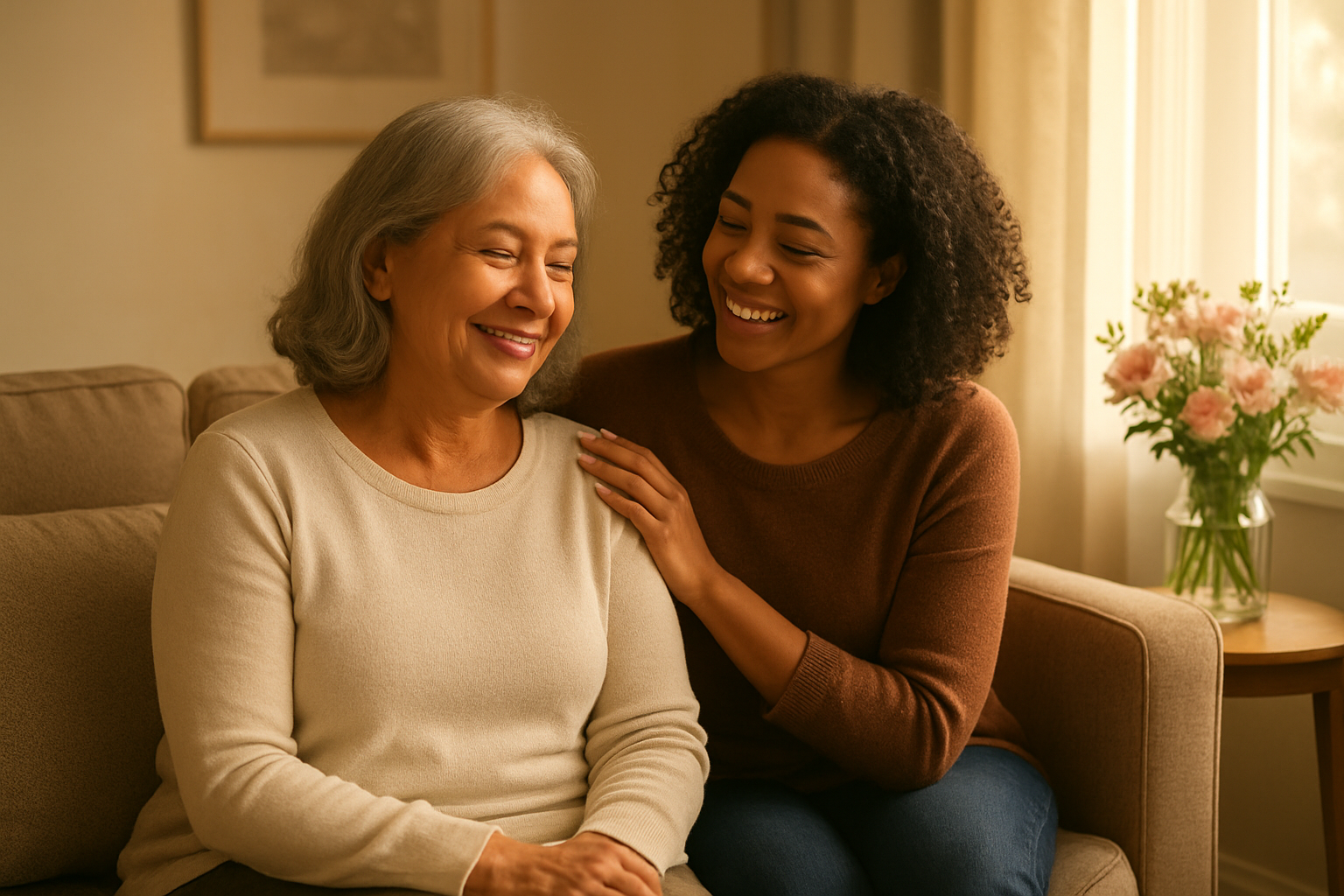
When families take time to acknowledge maternal contributions, something magical happens between family members. Recognition creates a deeper emotional connection that goes beyond everyday interactions. Children who see their parents actively appreciating their mother learn valuable lessons about respect and gratitude that shape their own relationships.
Research shows that families who practice intentional appreciation report stronger communication patterns and increased trust. The benefits of honoring mothers extend far beyond a single day, creating ripple effects throughout the entire family dynamic. When mothers feel genuinely valued, they're more likely to express warmth and patience, which creates a positive feedback loop that strengthens every relationship in the household.
Regular acknowledgment also helps family members notice the small, daily sacrifices mothers make. From managing schedules to providing emotional support, these contributions often go unnoticed until families make a conscious effort to recognize them.
How Gratitude Expression Improves Mental Health for Both Mothers and Children
The psychological impact of expressing gratitude creates measurable improvements in mental well-being for entire families. Mothers who receive regular appreciation experience reduced stress levels and increased feelings of self-worth. This maternal appreciation psychology demonstrates how recognition acts as a powerful antidote to the overwhelming demands of motherhood.
Children benefit equally from practicing gratitude toward their mothers. When kids learn to articulate appreciation, they develop stronger emotional regulation skills and experience increased life satisfaction. Studies reveal that children who express gratitude regularly show:
-
Improved mood stability - Less prone to emotional outbursts and negativity
-
Enhanced empathy - Better understanding of others' feelings and perspectives
-
Greater resilience - Stronger ability to bounce back from challenges
-
Increased optimism - More positive outlook on life experiences
The act of giving thanks triggers the release of dopamine and serotonin, creating natural mood boosters that benefit both the giver and receiver of appreciation.
Building Emotional Intelligence Through Appreciation Practices
Celebrating mothers provides natural opportunities for families to develop emotional intelligence skills. When children observe and articulate what makes their mother special, they practice identifying emotions, understanding motivations, and recognizing the impact of caring behaviors.
These appreciation practices teach children to look beyond surface-level observations and recognize the emotional labor involved in daily caregiving. They learn to identify feelings like dedication, sacrifice, and unconditional love, expanding their emotional vocabulary and understanding.
Mothers also develop emotional intelligence through receiving thoughtful recognition. When family members share specific examples of appreciation, mothers gain insights into how their actions affect others, creating greater self-awareness and emotional maturity.
Creating Positive Family Memories That Last Generations
The memories created through maternal appreciation become treasured family stories that pass down through generations. Children who experience meaningful Mother's Day traditions worldwide often recreate similar practices with their own families, establishing lasting legacies of gratitude and respect.
These positive memories serve as emotional anchors during difficult times. When families face challenges, they can draw strength from recollections of love, appreciation, and connection. The importance of celebrating mothers creates a foundation of positive family history that children carry into adulthood.
Multi-generational celebration practices also connect children with their heritage and family values. When grandmothers, mothers, and children participate together in appreciation activities, they create shared experiences that strengthen family identity and belonging across age groups.
Modern Ways to Honor Mothers Beyond Commercial Expectations
Meaningful Gestures That Cost Nothing But Time
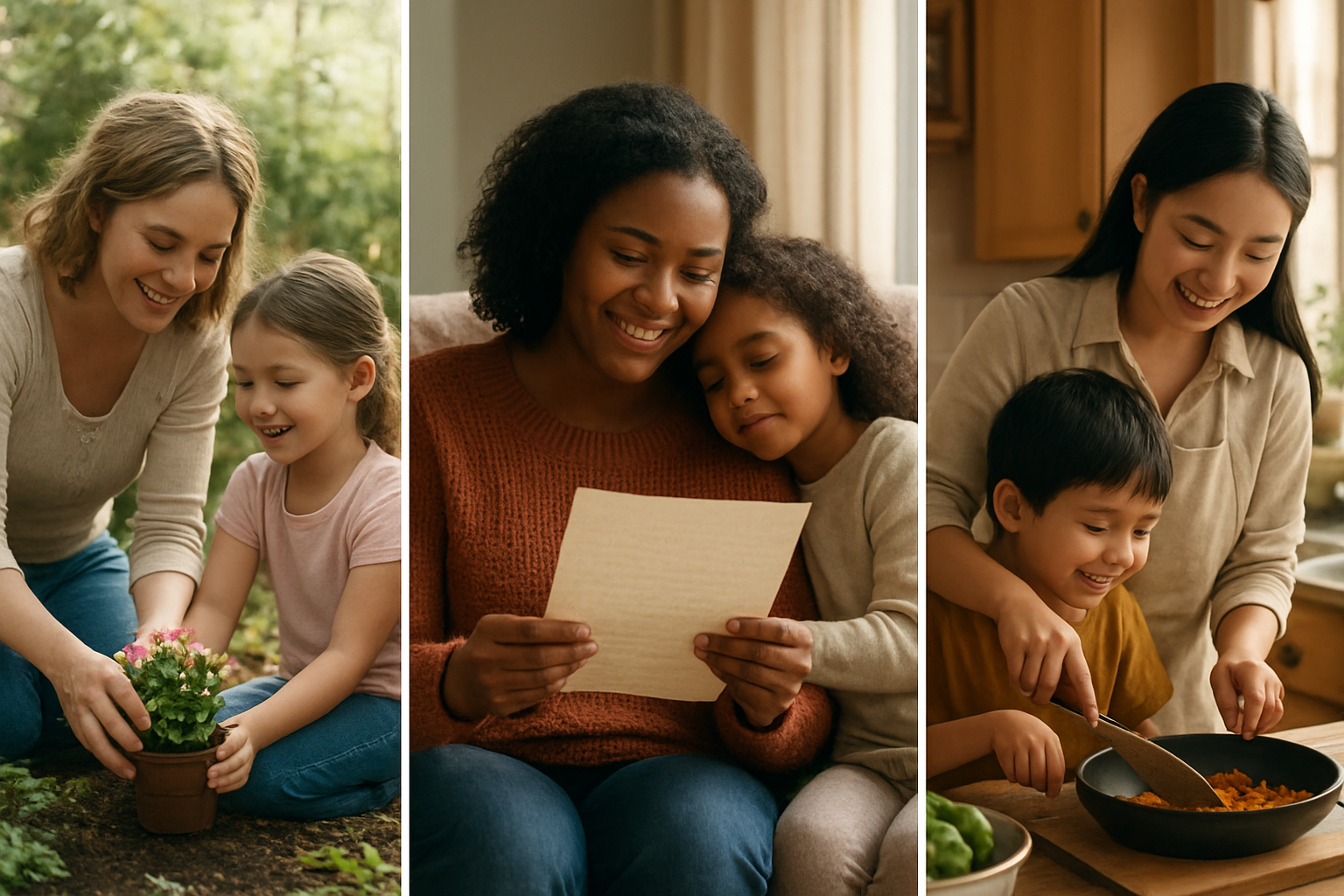
The most powerful way to celebrate Mother's Day meaningfully involves giving the gift of presence rather than presents. Writing a heartfelt letter expressing specific memories and gratitudes creates lasting impact far beyond any store-bought item. Take time to cook her favorite meal from scratch, or better yet, learn the family recipe she's been meaning to teach you. Offering to tackle household tasks she typically handles gives her genuine relief and shows practical appreciation.
Consider creating a photo album or scrapbook filled with family memories, or record yourself reading her favorite poem. These personal touches demonstrate thoughtfulness and effort that money can't buy. Simply spending uninterrupted quality time together - whether sharing coffee and conversation, taking a nature walk, or watching her favorite movie - often means more than expensive gifts.
Supporting Mothers in Your Community Who Need Recognition
Many mothers in our communities go unnoticed despite their daily sacrifices. Single mothers, foster mothers, and those caring for children with special needs often lack support systems during holidays. Reach out to mothers you know who might be isolated or struggling. Offer to babysit so they can have a few hours of self-care, or organize meals for new mothers in your neighborhood.
Consider volunteering at local shelters or community centers that serve families. Many organizations need help with childcare during Mother's Day events. You might also adopt a mother in need through local charities, providing practical support like groceries or household items rather than traditional gifts.
Teaching Children the Value of Everyday Appreciation
Moving beyond once-yearly celebration helps children understand that maternal appreciation psychology works best as an ongoing practice. Encourage kids to notice daily acts of care their mothers provide - packing lunches, helping with homework, or listening to their problems. Create family rituals where everyone shares something they appreciate about mom during dinner conversations.
Help children develop habits of gratitude by having them write thank-you notes for small gestures throughout the year. Teach them to offer help with chores or surprise mom with breakfast in bed on random weekends. These practices build emotional intelligence and strengthen family bonds while showing children how to celebrate Mother's Day meaningfully year-round.
Balancing Traditional Celebration with Personal Family Values
Not every family connects with conventional Mother's Day traditions, and that's perfectly okay. Some families prefer active adventures over quiet brunches, while others might focus on service projects rather than personal celebration. The key lies in identifying what genuinely resonates with your family's values and lifestyle.
Religious families might incorporate prayers of thanksgiving or attend special services. Environmentally conscious families could plant gardens together or participate in community clean-up efforts. Families dealing with loss might honor deceased mothers through memorial activities or by supporting other mothers in need. The goal is creating authentic experiences that feel right for your unique situation.
Creating New Traditions That Reflect Contemporary Family Structures
Today's families come in many forms, and Mother's Day traditions should reflect this diversity. Single-parent households might celebrate with chosen family members or close friends who provide maternal support. Blended families can honor multiple mother figures, including stepmothers, grandmothers, and mother-in-laws equally.
LGBTQ+ families with two mothers might create special traditions that acknowledge each parent's unique contributions. Adoptive families could incorporate gratitude for birth mothers alongside celebration of adoptive mothers. Families with children who've lost their mothers might focus on honoring memory while celebrating other maternal figures in their lives.
Consider starting annual traditions like family volunteering, creating time capsules, or taking trips to meaningful locations. Document these new traditions through photos and stories to build your family's unique legacy around maternal appreciation.

Mother's Day has grown from a simple idea into a worldwide celebration that touches hearts across cultures. What started as one woman's campaign has become a meaningful tradition that helps us pause and recognize the countless sacrifices, love, and guidance our mothers provide every day. The psychological boost that comes from expressing gratitude isn't just good for moms – it strengthens family bonds and reminds us of what truly matters.
The best part about honoring mothers is that it doesn't have to cost a fortune or follow anyone else's script. Whether you write a heartfelt letter, cook her favorite meal, or simply spend quality time together, the gesture itself carries more weight than any store-bought gift. Take a moment this Mother's Day to show appreciation in your own authentic way – your mom will treasure the thought and effort far more than anything money can buy.
.png)


Comments
Post a Comment