Qualities of a Good father Every Child Needs
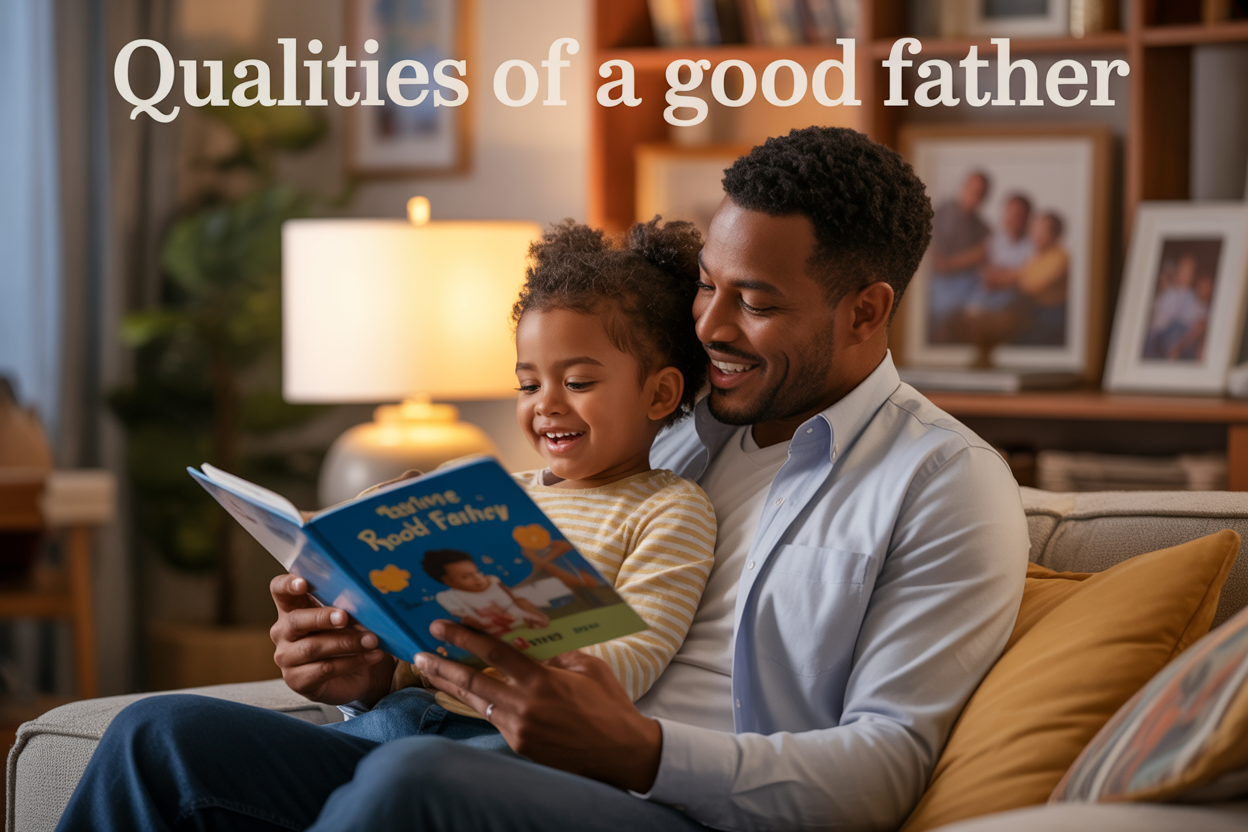
Being a father means so much more than just providing for your family. The qualities of a good father shape how children see themselves, their relationships, and the world around them. Whether you're a new dad, expecting your first child, or looking to strengthen your bond with your kids, understanding what makes a good dad can transform your entire approach to parenting.
This guide is for fathers at any stage of their journey who want to build deeper connections with their children and create lasting positive impacts. We'll explore the emotional intelligence in fathers that helps kids understand and express their feelings in healthy ways. You'll also discover how consistent presence creates the security children need to thrive, and learn communication techniques that build unshakeable trust between you and your kids.
Every child deserves a father who shows up emotionally, communicates with love and respect, and provides the steady foundation they need to grow into confident, capable adults.
Emotional Intelligence That Builds Strong Bonds
.png)
Active listening skills that make children feel valued
Fathers who master active listening create powerful connections with their children that last a lifetime. This means putting down the phone, turning away from the TV, and giving your child your complete attention when they speak. Good fathers understand that listening goes beyond just hearing words - they pick up on tone, body language, and the emotions behind what their child is saying.
When your child comes to you with a problem, resist the urge to immediately offer solutions. Instead, reflect back what you're hearing: "It sounds like you felt really frustrated when your friend didn't include you in the game." This simple technique shows your child that their feelings matter and that you're truly paying attention.
Eye contact plays a huge role in active listening. Getting down to your child's level, making gentle eye contact, and nodding as they speak sends the message that their thoughts and experiences are important to you. Children who feel heard by their fathers develop stronger self-confidence and are more likely to come to them with bigger issues as they grow older.
Empathy that helps understand your child's perspective
Emotional intelligence in fathers shows up most clearly through empathy - the ability to step into your child's shoes and see the world through their eyes. A good father remembers what it felt like to be seven years old and face the social dynamics of the playground, or to be a teenager dealing with peer pressure and changing emotions.
When your child melts down over something that seems trivial to you, empathy helps you recognize that their reaction makes perfect sense from their perspective. Maybe losing their favorite toy feels devastating because their whole world is smaller and that toy represents security. Maybe failing a test feels earth-shattering because they don't yet have the life experience to know that one grade doesn't define them.
Empathetic fathers validate their children's emotions before addressing behavior. Instead of saying "Stop crying, it's not a big deal," try "I can see you're really upset about this. That must feel awful." This approach doesn't mean you accept all behavior, but you acknowledge the feelings driving that behavior.
Emotional regulation that models healthy responses
Children learn how to handle their emotions primarily by watching their parents. Good father characteristics include the ability to manage your own emotional responses, especially during stressful or challenging moments. Your child is always watching how you react when you're angry, disappointed, or overwhelmed.
When you lose your temper and then take responsibility for it, you're teaching your child that everyone makes mistakes and that it's possible to repair relationships after we mess up. When you take deep breaths before responding to frustrating situations, you're showing them a practical tool they can use in their own lives.
Fathers who model emotional regulation don't hide all their emotions from their children - that would be unrealistic and unhelpful. Instead, they show appropriate emotional responses and explain their thought processes. "I'm feeling really frustrated right now because I had a tough day at work. I'm going to take a few minutes to calm down, and then we can talk about your day."
Patience that creates a safe space for growth
Patience might be one of the most challenging good parenting skills for fathers to develop, especially in our fast-paced world. Children develop at their own pace, and they need time and space to learn, make mistakes, and try again. Patient fathers understand that growth happens gradually and that rushing the process often backfires.
This patience shows up in small daily moments - when your child takes forever to tie their shoes, when they ask "why" for the hundredth time, or when they struggle with homework that seems simple to you. Patient fathers see these moments as opportunities to connect rather than obstacles to overcome.
Creating a safe space for growth means your child knows they can come to you with mistakes without fear of explosive anger or harsh judgment. They understand that while there might be consequences for poor choices, your love and support remain constant. This safety net encourages children to take healthy risks, try new things, and develop resilience when things don't go as planned.
Patient fathers also understand that building father child relationship trust takes time. Children test boundaries and relationships to see if they're truly secure. Your consistent, patient responses during these testing periods build the foundation for a strong, lasting bond with your child.
Consistent Presence That Provides Security
Reliable Daily Routines That Create Stability
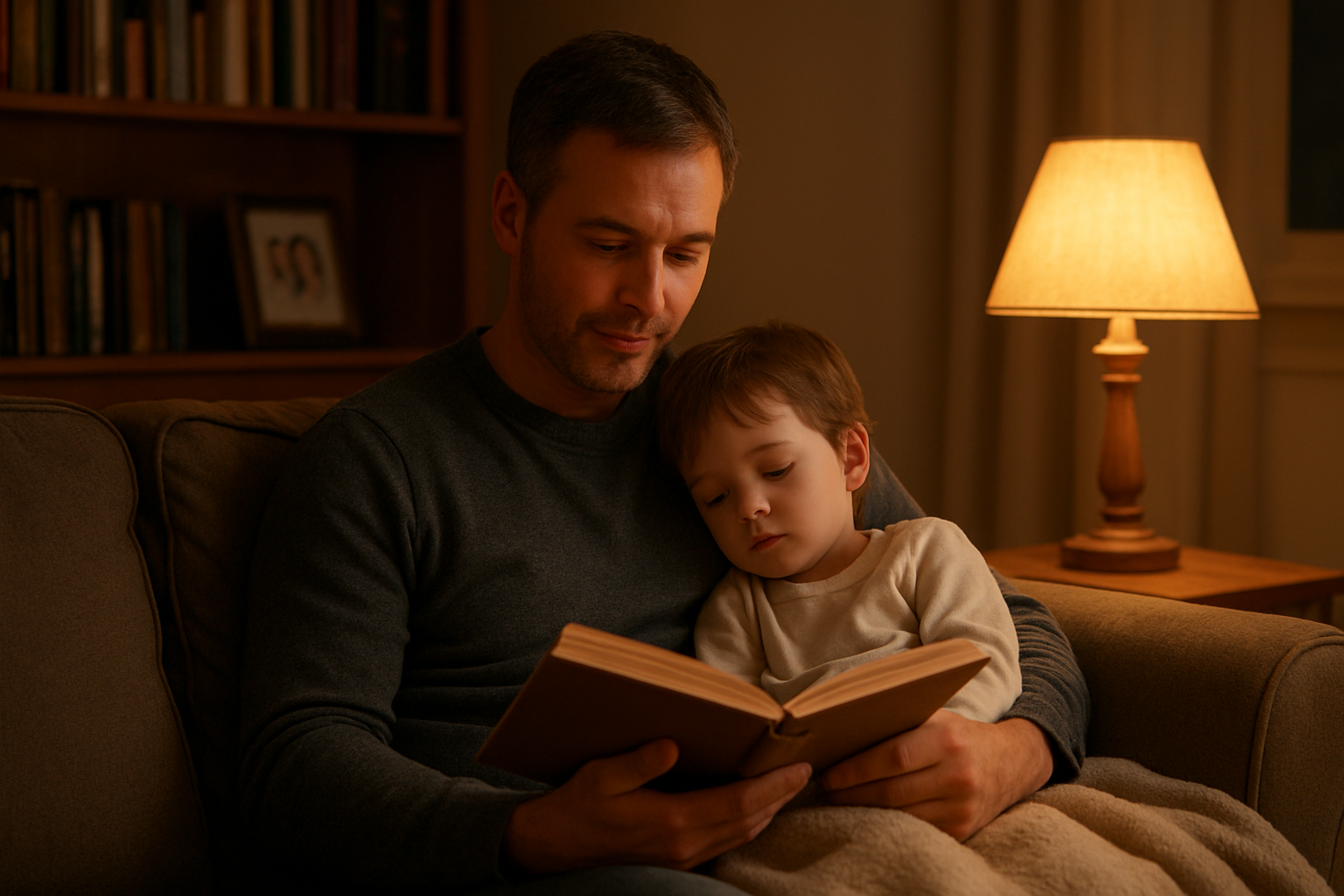
Children thrive on predictability, and fathers who establish consistent daily routines become the steady anchor their kids desperately need. When a dad shows up for bedtime stories every single night, helps with homework at the same time each day, or maintains regular meal times, he's building something far more valuable than habit – he's creating security.
These good father qualities shine brightest in the small, everyday moments. A father who wakes up early to make breakfast before school starts sends a powerful message: "You matter enough for me to be here." Kids internalize this consistency and carry it forward as emotional stability throughout their lives.
Daily routine benefits for children:
-
Reduced anxiety and stress levels
-
Better sleep patterns and emotional regulation
-
Increased sense of safety and belonging
-
Development of time management skills
-
Stronger family bonds and traditions
The magic happens when dads stick to these routines even during challenging times. Missing one bedtime story might seem insignificant, but children notice everything. Consistency in small actions builds trust in bigger promises.
Quality Time That Strengthens Father-Child Connection
What makes a good dad isn't the quantity of hours spent together, but the intentional quality of those moments. A father who puts away his phone during dinner conversations creates space for real connection. Twenty minutes of undivided attention often beats hours of distracted presence.
Quality time looks different for every family, but the core principle remains the same: being fully engaged with your child. Whether it's throwing a football, building with blocks, or simply talking about their day, these moments become the foundation of trust and emotional security.
Meaningful quality time activities:
-
One-on-one adventures tailored to each child's interests
-
Device-free meal conversations
-
Bedtime talks without rushing
-
Participating in their hobbies and games
-
Creating special father-child traditions
Smart fathers recognize that children communicate differently at various ages. A toddler might need physical play and silly songs, while a teenager requires deeper conversations and respect for their growing independence. Adapting your approach while maintaining consistent presence shows emotional intelligence and strengthens the father child relationship.
Being Mentally Present During Interactions
Physical presence without mental engagement creates a hollow experience for children. When dads are thinking about work during playtime or scrolling through emails during conversations, kids feel the disconnection immediately. True presence means bringing your full attention to the moment with your child.
Mental presence requires intentional effort in our distraction-heavy world. Children can tell when their father's mind is elsewhere, and they often interpret this as being unimportant or not worth attention. The good father characteristics that matter most center around making children feel seen, heard, and valued.
Signs of mental presence:
-
Making eye contact during conversations
-
Asking follow-up questions about their stories
-
Remembering details from previous conversations
-
Responding appropriately to their emotions
-
Setting aside distractions during family time
When fathers practice mindful presence, they model healthy relationship skills and emotional intelligence. Children learn that meaningful connections require genuine attention and care. This sets them up for success in their own relationships and teaches them to value quality interactions over superficial exchanges.
Being mentally present also means recognizing your child's emotional needs in the moment. Sometimes they need encouragement, other times they need space to process feelings. A present father reads these cues and responds accordingly, creating an environment where children feel safe to express themselves honestly.
Communication Skills That Foster Trust
Age-appropriate conversations that encourage openness
Great dads know how to match their communication style to their child's developmental stage. When talking to a three-year-old, effective fathers use simple words and concrete examples. They might say "You seem sad about your toy breaking" rather than diving into complex emotional discussions. As children grow, these conversations evolve naturally.
With teenagers, quality father child relationship building means discussing more abstract concepts while respecting their growing independence. Smart dads ask open-ended questions like "How did that make you feel?" instead of yes-or-no questions that shut down conversation. They create safe spaces where kids feel comfortable sharing without fear of immediate judgment or punishment.
The best fathers also recognize when their children are ready for certain topics. They don't force conversations about serious subjects when kids aren't developmentally prepared, but they also don't avoid important discussions when the timing is right.
Clear expectations that guide behavior
Good father characteristics include the ability to set boundaries that children can actually understand and follow. Effective dads explain the "why" behind rules rather than simply demanding compliance. Instead of saying "Because I said so," they offer age-appropriate explanations that help children internalize values.
These expectations remain consistent across different situations. Children feel secure when they know what's expected of them at home, in public, and with friends. Quality fathers also model the behavior they expect, showing rather than just telling their children how to act.
When rules need adjustment as children mature, thoughtful dads involve their kids in the conversation. This approach teaches decision-making skills while maintaining parental authority.
Constructive feedback that builds confidence
Fathers who want to strengthen their parenting skills learn to give feedback that motivates rather than discourages. They focus on effort rather than just outcomes, saying things like "I noticed how hard you practiced piano this week" instead of only commenting on the final performance.
When correction is needed, skilled dads address the behavior without attacking the child's character. They might say "That choice didn't work well" rather than "You always mess up." This approach helps children separate their actions from their worth as people.
Great fathers also celebrate small wins along the way. They recognize progress in homework habits, friendship skills, or personal responsibility, helping children build confidence through acknowledgment of their growth.
Open dialogue that welcomes questions and concerns
The most effective fathers create environments where children feel safe bringing up any topic. They respond to questions with patience, even when asked the same thing repeatedly. Rather than dismissing concerns as silly or unimportant, they validate their child's feelings while providing guidance.
These dads also share appropriate parts of their own experiences, helping children realize that everyone faces challenges. They might talk about their own struggles with friendship or school, showing that difficulties are normal parts of growing up.
Good fathers make themselves available during natural conversation moments - car rides, bedtime, or while doing activities together. They put away distractions and give their full attention, showing through actions that their children's thoughts and feelings matter deeply.
Leadership Qualities That Guide Development
Setting Positive Examples Through Personal Actions
Children learn far more from what they observe than what they're told. A father who demonstrates integrity, respect, and kindness in his daily interactions teaches his children how to navigate the world with moral clarity. When dad treats his spouse with respect, shows compassion to strangers, and maintains his composure during stressful situations, he's providing a living blueprint for good character.
Good father qualities shine through in these everyday moments. Whether it's admitting mistakes, showing patience in traffic, or helping a neighbor without being asked, these actions become the foundation of a child's understanding of right and wrong. Children notice when their father keeps his promises, takes responsibility for his errors, and treats service workers with courtesy.
Teaching Problem-Solving Skills for Independence
Strong fathers resist the urge to immediately fix every problem their children encounter. Instead, they guide their kids through the process of thinking critically and finding solutions independently. This approach builds confidence and develops essential life skills that will serve children well into adulthood.
Effective fathers ask questions like "What do you think might work?" or "What happened when you tried that before?" rather than jumping in with ready-made answers. They create safe spaces for their children to experiment, fail, and learn from those experiences. This good parenting skill for fathers helps children develop resilience and self-reliance.
Encouraging Responsibility and Accountability
Great fathers understand that building character requires teaching children to own their actions and decisions. They create age-appropriate opportunities for their kids to take on responsibilities, from simple chores for younger children to more complex commitments for teens.
When children make mistakes, these fathers focus on learning rather than punishment. They help their kids understand the impact of their choices while maintaining support and love. This balance teaches children that they can face consequences with dignity and grow from their experiences.
Providing Guidance Without Controlling Decisions
What makes a good dad is knowing when to step in and when to step back. Wise fathers offer guidance and share their wisdom while allowing their children to make age-appropriate decisions. They understand that making choices – even poor ones – is how children learn to exercise good judgment.
These fathers serve as advisors rather than dictators, presenting options and discussing potential outcomes without forcing their preferred choice. They recognize that their children are individuals who need to develop their own decision-making muscles through practice and experience.
Instilling Values That Shape Character
The best fathers are intentional about passing down values that will guide their children throughout their lives. They don't just lecture about honesty, compassion, and perseverance – they weave these principles into everyday conversations and activities.
These fatherhood qualities include helping children understand why certain values matter and how they contribute to a meaningful life. Whether through family traditions, meaningful conversations during car rides, or discussions about current events, they consistently reinforce the importance of character over achievement and relationships over material success.
Unconditional Love That Builds Self-Worth
Acceptance of your child's unique personality
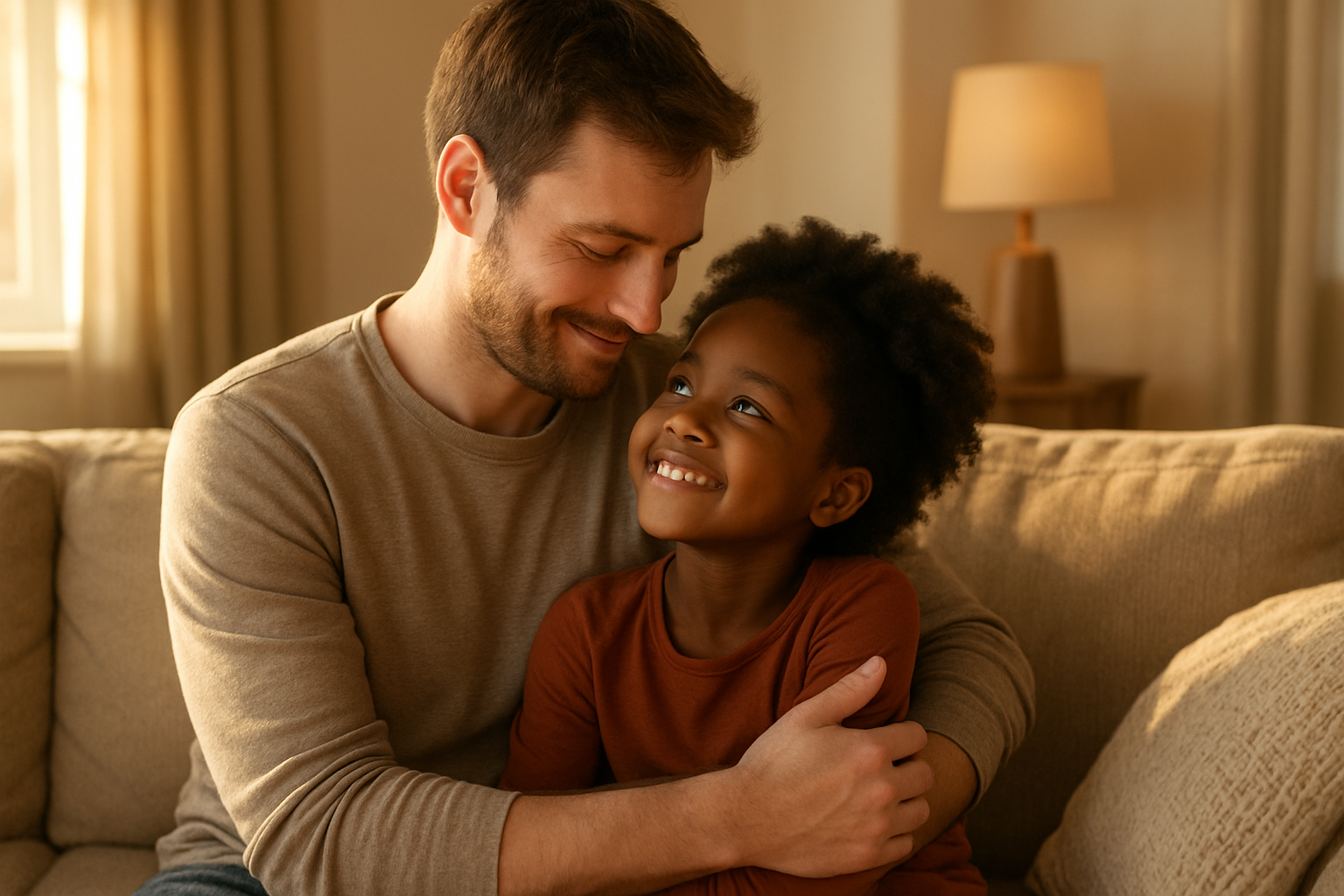
Every child comes into this world with their own distinct personality, quirks, and ways of seeing things. A good father recognizes that his job isn't to mold his child into a carbon copy of himself or someone else's expectations. Instead, he celebrates what makes his child special and different.
When fathers practice unconditional love from father to child, they create space for their kids to be authentically themselves. This means supporting the quiet, bookish child just as enthusiastically as the outgoing athlete. It means appreciating the artistic dreamer alongside the logical problem-solver. Good father characteristics include seeing past societal pressures and really understanding who their child is at their core.
This acceptance doesn't mean fathers become pushovers or avoid guidance. Rather, they learn to work with their child's natural tendencies while helping them develop areas where they might struggle. A father who demonstrates these qualities of a good father knows that trying to force a square peg into a round hole only damages both the peg and the hole.
Support during failures and mistakes
Kids mess up. They fail tests, make poor choices, disappoint themselves and others. How a father responds in these moments shapes his child's self-worth for years to come. What makes a good dad isn't perfection or having all the answers - it's showing up with love and support when things go wrong.
Good parenting skills for fathers include teaching children that mistakes are learning opportunities, not character flaws. When a child comes home with a failing grade or admits to making a poor decision, a loving father's first response focuses on understanding and problem-solving rather than punishment or disappointment.
This support looks different depending on the situation. Sometimes it means sitting quietly while your child processes their emotions. Other times it involves brainstorming solutions together or helping them understand the consequences of their actions. The key lies in maintaining that foundation of love and acceptance even when behavior needs correction.
Children who receive this kind of support develop resilience and aren't afraid to take healthy risks or try new things. They learn that their worth isn't tied to their performance, which builds confidence that lasts a lifetime.
Celebration of achievements both big and small
Recognition matters deeply to children, and fathers play a crucial role in helping their kids understand their own value and capabilities. Good father qualities include the ability to notice and celebrate progress, effort, and achievement at every level.
This celebration shouldn't be reserved only for major milestones like graduation or winning the championship game. A father who wants to be a better father pays attention to the small victories too - the first time riding a bike without training wheels, finally mastering a difficult math concept, or showing kindness to a friend who's struggling.
The way fathers celebrate matters just as much as what they celebrate. Genuine enthusiasm and specific acknowledgment of effort often mean more than generic praise. Instead of saying "good job," a thoughtful father might say, "I noticed how you kept practicing that piano piece even when it was frustrating. Your persistence really paid off."
These fatherhood qualities help children develop an internal sense of accomplishment and motivation. When kids feel seen and valued for their efforts, they're more likely to continue pushing themselves and taking on new challenges. They learn that their father believes in them, which teaches them to believe in themselves.
Protective Instincts That Ensure Safety

Physical Protection From Harm and Danger
Good fathers possess an instinctive drive to shield their children from physical harm. This protective nature goes beyond just keeping kids away from obvious dangers like busy streets or sharp objects. A truly protective father stays alert to potential risks in every environment, whether that's ensuring proper safety gear during sports activities or teaching children about stranger danger without creating unnecessary fear.
Modern protective instincts also include digital safety. Fathers who demonstrate good father qualities understand that protecting children today means monitoring online activities, setting appropriate screen time limits, and having honest conversations about internet safety. These good parenting skills for fathers involve staying current with technology trends while maintaining age-appropriate boundaries.
Physical protection also means teaching children how to protect themselves. Rather than hovering constantly, effective fathers equip their kids with knowledge and skills to navigate the world safely. This includes basic self-defense awareness, understanding personal boundaries, and knowing when to seek help from trusted adults.
Emotional Support During Difficult Times
What makes a good dad truly shine is his ability to provide emotional sanctuary when life gets tough. Children face countless emotional challenges - from playground conflicts to academic pressures to social anxieties. A father's protective instincts extend far beyond physical safety to include being an emotional fortress for his child.
During difficult times, protective fathers create safe spaces where children can express their feelings without judgment. They listen actively, validate emotions, and help their kids process complex feelings. This emotional protection builds resilience and teaches children that experiencing difficult emotions is normal and manageable.
The father child relationship deepens when dads show up consistently during emotional storms. Whether it's comforting a heartbroken teenager or helping a frustrated toddler navigate big feelings, these moments define protective fatherhood. Children learn they can trust their father to be their emotional anchor when everything feels overwhelming.
Advocacy for Your Child's Needs and Rights
Protective fathers serve as their child's first and strongest advocate. This means speaking up when teachers misunderstand a child's learning style, ensuring medical professionals take concerns seriously, or standing firm when coaches push too hard. Good father characteristics include the courage to be the voice for children who can't yet advocate for themselves effectively.
Advocacy also means fighting for opportunities and resources that help children thrive. This might involve researching the best educational programs, finding specialists when learning differences emerge, or simply ensuring their child gets fair treatment in group settings. Fathers who advocate effectively teach their children to value themselves and expect respectful treatment from others.
Sometimes advocacy requires difficult conversations with other adults - whether that's addressing bullying with school administrators or setting boundaries with family members who don't respect the child's needs. These actions demonstrate to children that their wellbeing matters and that someone will always fight for their rights.
Creating Boundaries That Promote Healthy Development
Protective boundaries differ significantly from restrictive control. Fathers with strong protective instincts understand that healthy boundaries actually create freedom for children to explore and grow safely. These boundaries include clear expectations, consistent consequences, and age-appropriate limits that evolve as children mature.
Fatherhood qualities include knowing when to say no, even when it makes you temporarily unpopular. This might mean refusing to buy that expensive gadget everyone else has, limiting social media access until maturity develops, or maintaining bedtime routines even when kids resist. These boundaries protect children from making choices they're not developmentally ready to handle.
Effective boundary-setting also involves explaining the reasoning behind rules. Children who understand the protective purpose behind boundaries are more likely to internalize these values and make good decisions independently. This approach builds trust while maintaining necessary structure for healthy development.

The foundation of great fatherhood rests on these six essential qualities that shape a child's entire world. When fathers bring emotional intelligence to their relationships, maintain consistent presence, and communicate with genuine openness, they create an environment where children can thrive. Strong leadership combined with unwavering love gives kids the confidence to face challenges while knowing they have a safe harbor to return to.
Every child deserves a father who shows up both physically and emotionally, someone who listens without judgment and protects without stifling growth. These qualities don't require perfection – they require intention and effort. Start today by focusing on one area where you can strengthen your connection with your children. The investment you make in developing these qualities will pay dividends in your child's confidence, relationships, and overall well-being for years to come.
.png)


Comments
Post a Comment