The Emotional Side of Fatherhood (that's hardly talked about)
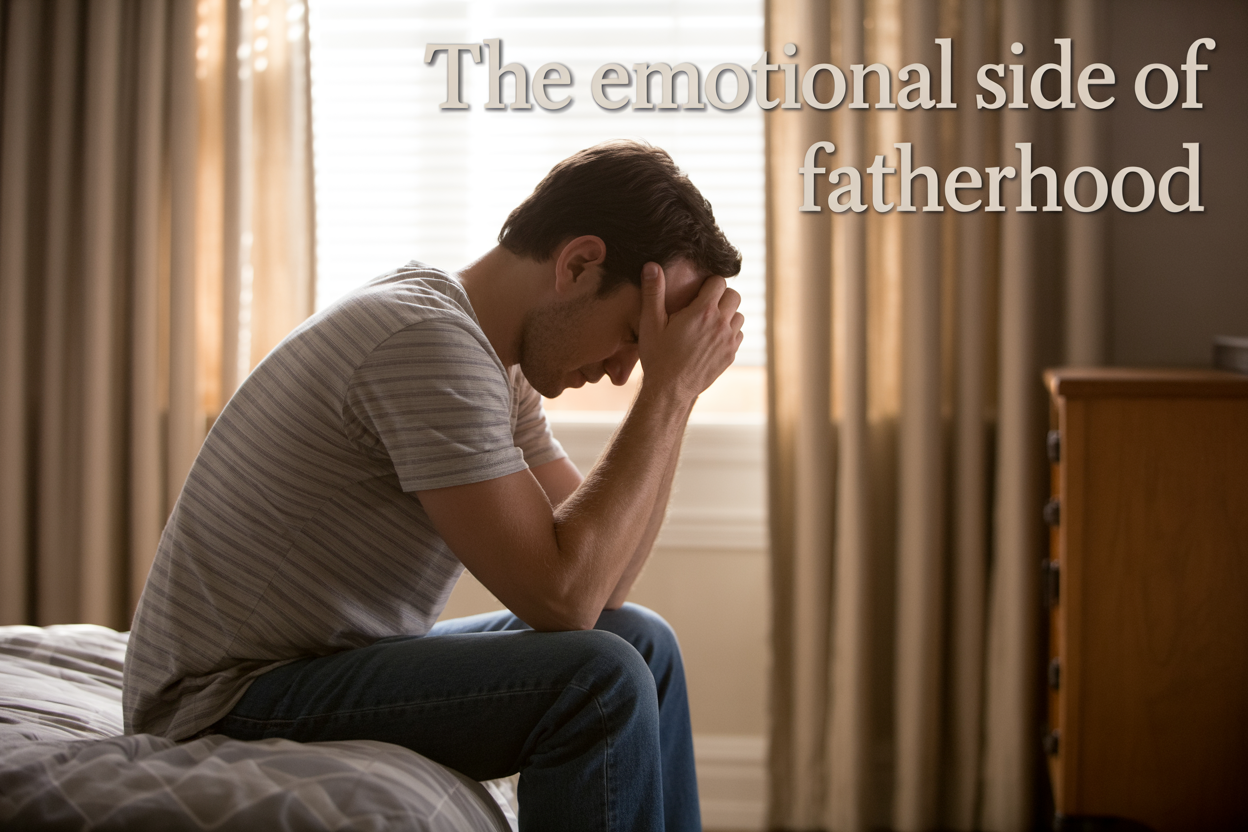
Becoming a dad changes everything—including your mental health in ways nobody prepares you for. The emotional side of fatherhood remains one of parenting's best-kept secrets, leaving countless men struggling silently with feelings they don't understand and can't talk about.
This article is for fathers at any stage—whether you're expecting, navigating those overwhelming early months, or years into parenthood wondering why you still feel disconnected. It's also for partners, family members, and friends who want to understand what the dads in their lives might be going through.
We'll break down the silence surrounding father's mental health and explore why men's mental health parenting issues get swept under the rug. You'll learn about the hidden struggles that start during pregnancy and early parenthood, including how postpartum depression in fathers is more common than most people realize. We'll also dive into the loneliness epidemic affecting modern dads and the persistent emotional challenges that can surface throughout your fatherhood journey—plus practical ways to build the emotional resilience you need to thrive as a dad.
Breaking Down the Silence Around Father's Mental Health
Why society expects fathers to suppress emotions
From the moment boys can walk and talk, they're bombarded with messages about what it means to be a man. "Big boys don't cry," "Man up," and "Toughen up" become the soundtrack of childhood. By the time men become fathers, these deeply embedded beliefs have created a emotional straightjacket that's nearly impossible to escape.
Society has built an invisible rulebook for fathers that demands they be the unwavering pillar of strength. Father's mental health gets pushed aside because showing vulnerability is somehow seen as weakness. This toxic mindset creates a generation of dads who smile through their struggles, bottle up their fears, and pretend everything's fine even when they're drowning internally.
The pressure intensifies when a baby arrives. Suddenly, there's this tiny human depending on you, your partner needs support, and everyone expects you to have it all together. The emotional side of fatherhood gets buried under expectations of being the rock that never crumbles.
The cost of the "strong provider" stereotype on mental wellbeing
The strong provider stereotype doesn't just put pressure on men's wallets - it devastates their mental health. When fathers believe their worth is tied solely to their ability to provide financially and emotionally support others without needing support themselves, they create a recipe for burnout, anxiety, and depression.
This stereotype forces fathers into emotional isolation just when they need connection most. New father depression often goes unrecognized because men are expected to celebrate becoming a dad, not struggle with it. The reality? Many fathers experience overwhelming anxiety, sadness, and fear during this life-changing transition.
The "provider first, person second" mentality means fathers often:
-
Work longer hours to prove their dedication, sacrificing sleep and self-care
-
Suppress their own needs to focus entirely on family obligations
-
Avoid seeking help because it feels like admitting failure
-
Experience guilt when they need emotional support or time for themselves
How cultural expectations create emotional isolation
Cultural norms around masculinity create a perfect storm of isolation for fathers. While mothers are encouraged to join mommy groups, attend parenting classes, and openly discuss their struggles, fathers face different expectations. Paternal mental health struggles remain hidden because there's no cultural framework that encourages men to be vulnerable about parenting challenges.
The isolation becomes even more pronounced in diverse communities where cultural traditions may emphasize the father's role as the unshakeable family leader. These expectations, while rooted in positive intentions of family stability, can inadvertently silence fathers who are struggling emotionally.
Dad anxiety and other mental health challenges fester in this isolation. Without safe spaces to express vulnerability, fathers often turn inward, creating a dangerous cycle where mental health deteriorates without anyone noticing. The cultural message remains clear: good fathers handle everything internally.
Recognizing when silence becomes harmful
Silence transforms from coping mechanism to serious threat when it starts affecting daily life and relationships. Warning signs that emotional suppression has become dangerous include persistent irritability, withdrawal from family activities, sleep disturbances, and loss of interest in things that once brought joy.
Father's emotional well-being deteriorates when silence becomes the default response to every challenge. Men who consistently bottle up their emotions may experience physical symptoms like headaches, digestive issues, or chronic fatigue. The mind-body connection means that unexpressed emotional pain often manifests physically.
The most alarming indicator is when fathers begin to feel completely disconnected from their role and family. When the silence becomes so overwhelming that seeking professional help feels impossible, or when thoughts of escape or self-harm emerge, the silence has become life-threatening.
Breaking this harmful silence requires recognizing that asking for help isn't weakness - it's the strongest thing a father can do for his family. Men's mental health parenting deserves the same attention and care that we give to mothers' mental health, and creating that change starts with acknowledging that fathers are human beings who need emotional support too.
The Hidden Struggles During Pregnancy and Early Parenthood

Processing Fear and Anxiety About Becoming a Father
The moment that pregnancy test shows positive, men often experience a whirlwind of emotions that society rarely acknowledges. Father's mental health becomes a silent battleground where excitement mingles with paralyzing fear. Many expectant fathers report lying awake at night, questioning their ability to protect and provide for a child.
These fears aren't unfounded—they're deeply human responses to life-altering responsibility. Will I be a good father? Can I handle sleepless nights? What if something goes wrong during delivery? The dad anxiety that emerges during pregnancy often feels isolating because cultural expectations push men to appear confident and unshakeable.
Physical symptoms frequently accompany this emotional turmoil. Expectant fathers commonly experience:
-
Sleep disturbances and racing thoughts
-
Changes in appetite or eating patterns
-
Increased irritability or mood swings
-
Difficulty concentrating at work
-
Phantom pregnancy symptoms alongside their partners
Feeling Excluded During Pregnancy and Birth Experiences
While partners receive abundant attention, care, and resources during pregnancy, fathers often feel like spectators in their own family's story. Medical appointments focus primarily on the mother and baby, leaving fathers with limited opportunities to express concerns or bond with their unborn child.
This exclusion extends beyond healthcare settings. Pregnancy books, classes, and support groups predominantly target mothers, inadvertently reinforcing the message that fathers play secondary roles. Many men describe feeling helpless watching their partners experience morning sickness, physical discomfort, and emotional changes without knowing how to meaningfully contribute.
During labor and delivery, fathers frequently struggle with overwhelming feelings of powerlessness. They want to ease their partner's pain but can only offer limited comfort. The intensity of the birthing experience can trigger unexpected emotional responses, leaving some fathers feeling traumatized by witnessing their loved one in distress.
Overwhelming Responsibility and Financial Pressure
The emotional side of fatherhood includes grappling with sudden awareness of being responsible for another human life. This realization hits different men at various stages—some during pregnancy, others when holding their newborn for the first time. The weight of this responsibility can feel crushing, especially when combined with societal pressure to be the primary provider.
Financial anxiety intensifies as couples calculate the costs of raising a child. Healthcare expenses, childcare, education, and basic necessities create mounting pressure on fathers who feel obligated to ensure their family's security. Many men take on additional work hours or second jobs, sacrificing personal time and relationships to meet these perceived obligations.
The pressure becomes particularly acute for fathers who experienced financial instability in their own childhoods. They're determined to provide better opportunities for their children, sometimes at the expense of their own emotional well-being.
Identity Crisis as Life Priorities Completely Shift
Becoming a father fundamentally reshapes a man's identity in ways that pregnancy books rarely address. Hobbies, friendships, and personal goals that once defined daily life suddenly feel selfish or unimportant. The paternal mental health struggles that emerge from this identity shift often catch men off guard.
Career ambitions may conflict with desires to be present for their children. Social circles change as childless friends become less relatable, and free time becomes a distant memory. Some fathers describe feeling like they're grieving their former selves while simultaneously trying to embrace their new role.
This identity transformation doesn't happen overnight. It's a gradual process filled with internal conflicts between who they were and who they're becoming. The lack of discussion around these normal adjustments leaves many fathers wondering if their struggles indicate inadequacy rather than natural adaptation to one of life's most significant transitions.
Navigating Postpartum Depression and Anxiety in Fathers
Recognizing symptoms that often go undiagnosed
Postpartum depression in fathers affects up to 25% of new dads, yet most cases slip through the cracks completely unnoticed. Unlike the crying spells or mood swings often associated with maternal postpartum depression, father's mental health struggles show up differently and get dismissed as normal stress.
Irritability becomes the mask that hides deeper pain. You might find yourself snapping at your partner over small things or feeling overwhelmed by the baby's crying. Sleep deprivation gets blamed for everything, but when you're lying awake at 3 AM feeling disconnected from your own life, that's not just tiredness talking.
Physical symptoms hit hard too. Headaches, stomach problems, and that constant feeling of being on edge don't magically appear because you became a dad. Many fathers describe feeling like they're watching their life happen to someone else - going through the motions of diaper changes and feedings while feeling emotionally numb inside.
The scariest part? Most men don't even realize what's happening. Society expects fathers to be strong providers who naturally adapt to parenthood. When new father depression strikes, it gets written off as work stress or normal adjustment challenges. This means countless dads suffer in silence, thinking something's fundamentally wrong with them as fathers when they're actually experiencing a treatable medical condition.
Understanding hormonal changes that affect new fathers
Your body doesn't get a free pass just because you didn't carry the baby. Paternal mental health struggles have real biological roots that nobody talks about in parenting classes.
Testosterone levels drop significantly during pregnancy and early fatherhood - sometimes by as much as 30%. This isn't your body giving up on masculinity; it's evolution preparing you for nurturing behaviors. But lower testosterone combined with sleep deprivation creates the perfect storm for mood changes, decreased energy, and yes, depression.
Cortisol, your stress hormone, skyrockets during this period. While some stress helps you stay alert for middle-of-the-night baby needs, chronic elevation wreaks havoc on your mental state. You're basically running on high alert 24/7, which exhausts your emotional reserves faster than you can replenish them.
Oxytocin, the bonding hormone, increases in new fathers too. Sounds great in theory, but when combined with other hormonal shifts, it can intensify anxiety about your baby's safety and your ability to protect your family. That protective instinct, amplified by hormonal changes, transforms into overwhelming worry about everything that could go wrong.
These aren't temporary inconveniences - they're significant biological changes that directly impact your brain chemistry and emotional regulation. Understanding this helps explain why becoming a father feels so much harder than anyone prepared you for.
Breaking the myth that only mothers experience postpartum struggles
The biggest lie we tell new parents is that postpartum depression exclusively affects mothers. This myth damages families and leaves fathers drowning without a life preserver.
Dad anxiety and depression aren't rare exceptions - they're common experiences that get ignored because we've decided only women struggle after childbirth. Research shows that when mothers experience postpartum depression, fathers are 2.5 times more likely to develop it too. Yet support systems, screening tools, and treatment resources remain almost entirely focused on mothers.
Fathers face unique challenges that intensify these struggles. You're expected to be the rock while your partner recovers, but who supports you when you're falling apart? The pressure to earn income, maintain household stability, and provide emotional support creates an impossible standard that sets men up for failure.
Cultural messaging makes everything worse. "Man up," "be strong for your family," and "this is what you signed up for" become toxic mantras that shame fathers into hiding their struggles. Meanwhile, women receive (rightfully) compassionate understanding for postpartum difficulties, while men get told to suck it up.
The truth is that emotional challenges of being a dad start the moment you become responsible for another human life. Your world changes just as dramatically as your partner's, your sleep disappears just as completely, and your hormones shift just as significantly. Recognizing that fathers deserve the same mental health support and understanding as mothers isn't taking anything away from women - it's acknowledging that healthy families need healthy fathers too.
The Loneliness Epidemic Among Modern Fathers
Loss of friendships and social connections after becoming a parent
When you become a father, your social circle often shrinks faster than you'd expect. The guys you used to grab drinks with after work suddenly feel like strangers when your evenings are filled with diaper changes and bedtime routines. Many fathers report losing touch with close friends within the first year of parenthood, not because anyone wants it to happen, but because life simply takes different directions.
The shift happens gradually. You start declining invitations because you're exhausted, need to help with the baby, or simply can't stay out late anymore. Your friends, many of whom might not have kids yet, don't always understand why you can't just "get a babysitter" or why you're always talking about sleep schedules. What once felt like natural, effortless friendships now require careful planning and energy you don't have.
This isolation hits particularly hard because men often struggle to maintain friendships that aren't built around shared activities. When you can no longer hit the gym together, play pickup basketball, or go to concerts, many of these connections fade. The father's mental health often suffers as these support systems disappear right when you need them most.
Difficulty forming meaningful relationships with other fathers
Meeting other dads should be easy, right? You're all going through similar experiences, dealing with sleepless nights, and navigating the emotional challenges of being a dad. Yet many fathers find it surprisingly difficult to form genuine connections with other men in their situation.
Part of the challenge stems from how men typically build relationships. We often bond through shared activities rather than deep conversations about feelings or struggles. At the playground, most interactions stay surface-level – quick chats about kids' ages, favorite toys, or weekend plans. Moving beyond small talk into real friendship territory feels awkward for many men who weren't raised to be emotionally open with other guys.
Dad groups and parenting classes exist, but they can feel forced or uncomfortable. Some fathers worry about appearing incompetent or vulnerable in front of other dads. The competitive nature that society instills in men doesn't magically disappear when you become a parent – if anything, it extends to parenting itself. Who has the better-behaved kid? Who's handling the transition better? This underlying competition makes authentic connection harder.
Many lonely fathers describe feeling like they're surrounded by other dads but still emotionally isolated. They see other men who seem to have it all figured out, making their own struggles feel more shameful and isolating.
Workplace isolation when prioritizing family time
The workplace presents its own unique challenges for fathers trying to balance family priorities with professional responsibilities. Many men find themselves caught between two worlds – wanting to be present for their families while maintaining their career trajectory and workplace relationships.
When you start leaving the office at 5 PM to make it home for dinner, you might notice you're no longer included in those after-work drinks where real bonding and networking happen. Colleagues who used to invite you to happy hours stop asking when you consistently decline. The spontaneous conversations that build workplace relationships become harder to maintain when you're rushing home to relieve your partner or help with bedtime routines.
Some fathers report feeling judged by childless colleagues who don't understand why they can't work late or travel as frequently. Others worry about being perceived as less committed to their careers, even when they're more productive during regular hours. This creates a form of workplace isolation where you're physically present but emotionally disconnected from the social fabric of your professional environment.
The situation becomes more complex when paternal mental health struggles affect work performance. Dad anxiety or new father depression can impact concentration and energy levels, making it harder to engage with colleagues naturally. Many men feel they can't discuss these challenges at work due to stigma around men's mental health parenting issues.
Managing the gap between expectations and reality of fatherhood
Perhaps the most profound source of loneliness comes from the disconnect between what you thought fatherhood would be like and what it actually feels like day-to-day. Social media, movies, and well-meaning advice create images of fathers who are naturally nurturing, always patient, and effortlessly balance work and family life.
The reality often involves feeling overwhelmed, questioning your abilities, and sometimes resenting the loss of freedom and identity that comes with becoming a parent. These feelings are normal but rarely discussed openly, leaving many fathers feeling like they're the only ones struggling with such thoughts.
When you expected to feel instant joy and connection but instead feel anxious, tired, or even detached from your baby, the shame can be overwhelming. The emotional side of fatherhood includes moments of doubt, frustration, and sadness that don't match the "blessed and grateful" narrative society expects from new parents.
This expectation gap creates internal isolation – you feel alone with feelings that seem wrong or shameful. Many fathers describe putting on a happy face for friends and family while internally battling doubts about their parenting abilities or struggling with the massive life changes that parenthood brings.
The silence around these experiences perpetuates the cycle. When fathers don't hear other men discussing similar struggles, they assume their experience is unique or abnormal, deepening their sense of isolation and potentially impacting their emotional well-being for years to come.
Emotional Challenges That Persist Throughout Fatherhood

Dealing with guilt over work-life balance decisions
The struggle between providing for your family and being present for them creates a constant emotional tug-of-war that many fathers face daily. Missing bedtime stories for late meetings, traveling during important milestones, or working weekends while your kids play outside can trigger intense feelings of guilt and self-doubt.
Modern fathers often find themselves trapped between societal expectations to be both successful providers and emotionally available parents. This dual pressure creates what many describe as an impossible choice: career advancement often requires time and energy that directly competes with family time. The guilt intensifies when fathers realize they're following the same patterns their own fathers might have, despite wanting to do things differently.
Common guilt triggers include:
-
Missing school events or sports games
-
Working during family vacations
-
Feeling mentally preoccupied with work during family time
-
Choosing career opportunities that require more time away from home
-
Not being able to help with daily routines like homework or dinner prep
The challenge becomes even more complex when fathers enjoy their work or feel passionate about their careers. This can create additional shame - feeling guilty about finding fulfillment outside the home while simultaneously feeling guilty about not being present enough at home.
Processing grief when children grow up and become independent
Father's mental health often takes an unexpected hit when children reach major developmental milestones or eventually leave home. This grief is rarely acknowledged or discussed, leaving many fathers confused about their emotional responses to what should be celebrated as successful parenting.
The gradual loss of being needed in the same way creates a unique type of mourning. Fathers who built their identity around being protector, teacher, and daily presence in their children's lives can feel lost when those roles naturally diminish. The little boy who once ran to dad for comfort now handles problems independently. The daughter who used to seek approval for every decision now makes her own choices.
Signs of this often-overlooked grief include:
-
Feeling unexpectedly emotional during milestones like first days of school or graduations
-
Struggling with empty nest syndrome when children move out
-
Difficulty adjusting to reduced daily interaction with kids
-
Questioning your value and purpose as your children need you less
This type of grief differs from other losses because it represents successful parenting - your children becoming independent means you've done your job well. Yet the emotional impact remains real and significant, deserving recognition and processing rather than dismissal.
Managing anger and frustration without healthy outlets
Fathers often lack socially acceptable ways to express and process anger, leading to emotional buildup that affects both mental health and family relationships. The pressure to remain calm and controlled, especially in front of children, can create internal pressure that eventually needs release.
Daily frustrations from parenting - dealing with defiant behavior, managing sibling conflicts, handling tantrums, or navigating teenage attitudes - can accumulate without proper emotional outlets. Many fathers were raised with limited emotional vocabulary and few examples of healthy anger expression, making this challenge even more difficult.
Unhealthy anger patterns often include:
-
Bottling up frustration until it explodes inappropriately
-
Using work, alcohol, or other escapes to avoid dealing with emotions
-
Becoming overly critical or harsh with family members
-
Withdrawing emotionally from the family when feeling overwhelmed
The isolation that many fathers experience compounds this problem. Without friends or family members to talk through frustrations, anger can fester and grow. Traditional male social interactions often avoid deep emotional discussions, leaving fathers without natural support systems for processing these normal but challenging feelings.
Coping with feelings of inadequacy as a parent
The emotional challenges of being a dad often include persistent self-doubt about parenting abilities. Unlike mothers who typically have more social support and resources focused on their parenting journey, fathers frequently navigate parenthood feeling unprepared and judged by different standards.
Social media and comparison culture amplify these feelings of inadequacy. Seeing other fathers who appear to have everything figured out - from perfect family photos to stories of their children's achievements - can trigger deep insecurities about your own parenting choices and capabilities.
Common inadequacy triggers for fathers:
-
Feeling less intuitive about children's needs compared to their partner
-
Struggling with traditional "masculine" expectations while trying to be emotionally available
-
Comparing their own parenting to idealized versions seen online or in media
-
Dealing with criticism from family members about parenting choices
-
Feeling unprepared for emotional conversations or situations with children
These feelings often intensify during challenging phases like the teenage years, when even the most confident fathers can feel completely out of their depth. The lack of honest conversation about parental struggles means many fathers assume they're the only ones feeling this way, which only deepens the sense of isolation and inadequacy.
Men's mental health parenting challenges require recognition that these feelings are normal parts of the fatherhood journey, not signs of personal failure or weakness.
Building Emotional Intelligence and Resilience as a Father
Creating safe spaces to express vulnerability
The journey toward emotional resilience starts with giving yourself permission to feel. Many fathers struggle with father's emotional well-being because they've been conditioned to suppress their emotions rather than process them. Creating a safe space begins internally – acknowledging that experiencing anxiety, sadness, or confusion doesn't make you weak or less capable as a father.
Physical spaces matter too. Designate a quiet corner of your home where you can decompress without judgment. This might be your garage workshop, a corner of the bedroom, or even your car during lunch breaks. The key is consistency – having a go-to place where vulnerability feels acceptable.
Consider keeping an emotional journal specifically for fatherhood experiences. Write down moments of doubt, overwhelming joy, or confusion without censoring yourself. This practice helps identify patterns in your emotional challenges of being a dad and creates clarity around what triggers specific responses.
Developing healthy coping mechanisms for stress and overwhelm
When stress hits hard – and it will – having a toolkit of healthy responses makes all the difference. Physical movement often provides immediate relief. Whether it's a quick walk around the block, push-ups in the living room, or a weekend hike, exercise releases tension that builds up from daily parenting pressures.
Breathing exercises might sound simple, but they're remarkably effective for managing acute stress. The 4-7-8 technique (inhale for 4 counts, hold for 7, exhale for 8) can calm your nervous system within minutes when your toddler is having a meltdown or work deadlines are crushing you.
Time management becomes crucial for preventing overwhelm. Block out 15-20 minutes daily for activities that recharge you – reading, listening to podcasts, or working on hobbies. Protecting this time isn't selfish; it's essential maintenance that improves your capacity to show up for your family.
Sleep hygiene deserves special attention since father's mental health often suffers when exhaustion compounds daily stressors. Create a wind-down routine, limit screen time before bed, and communicate with your partner about sharing nighttime responsibilities fairly.
Finding supportive communities and professional help when needed
Isolation amplifies every emotional challenge fathers face. Actively seek connections with other dads who understand your experiences. Local playgroups, parenting classes, or sports leagues provide natural opportunities to build friendships while your children socialize.
Online communities can bridge gaps when geographic or schedule limitations make in-person connections difficult. Forums dedicated to men's mental health parenting offer 24/7 access to peers facing similar struggles. Look for groups that encourage honest conversation rather than just sharing highlight reels.
Professional support becomes necessary when coping strategies aren't enough. Signs that warrant professional help include persistent sadness lasting weeks, anxiety that interferes with daily functioning, anger that feels uncontrollable, or thoughts of harming yourself or others. Postpartum depression in fathers affects up to 10% of new dads, making professional intervention crucial for recovery.
Therapy options vary widely. Cognitive-behavioral therapy helps identify and change negative thought patterns. Group therapy connects you with other fathers facing similar challenges. Some men prefer male therapists who understand masculine socialization patterns, while others benefit from different perspectives.
Don't wait for a crisis to establish support systems. Building these connections during calmer periods creates a foundation you can lean on when challenges intensify.
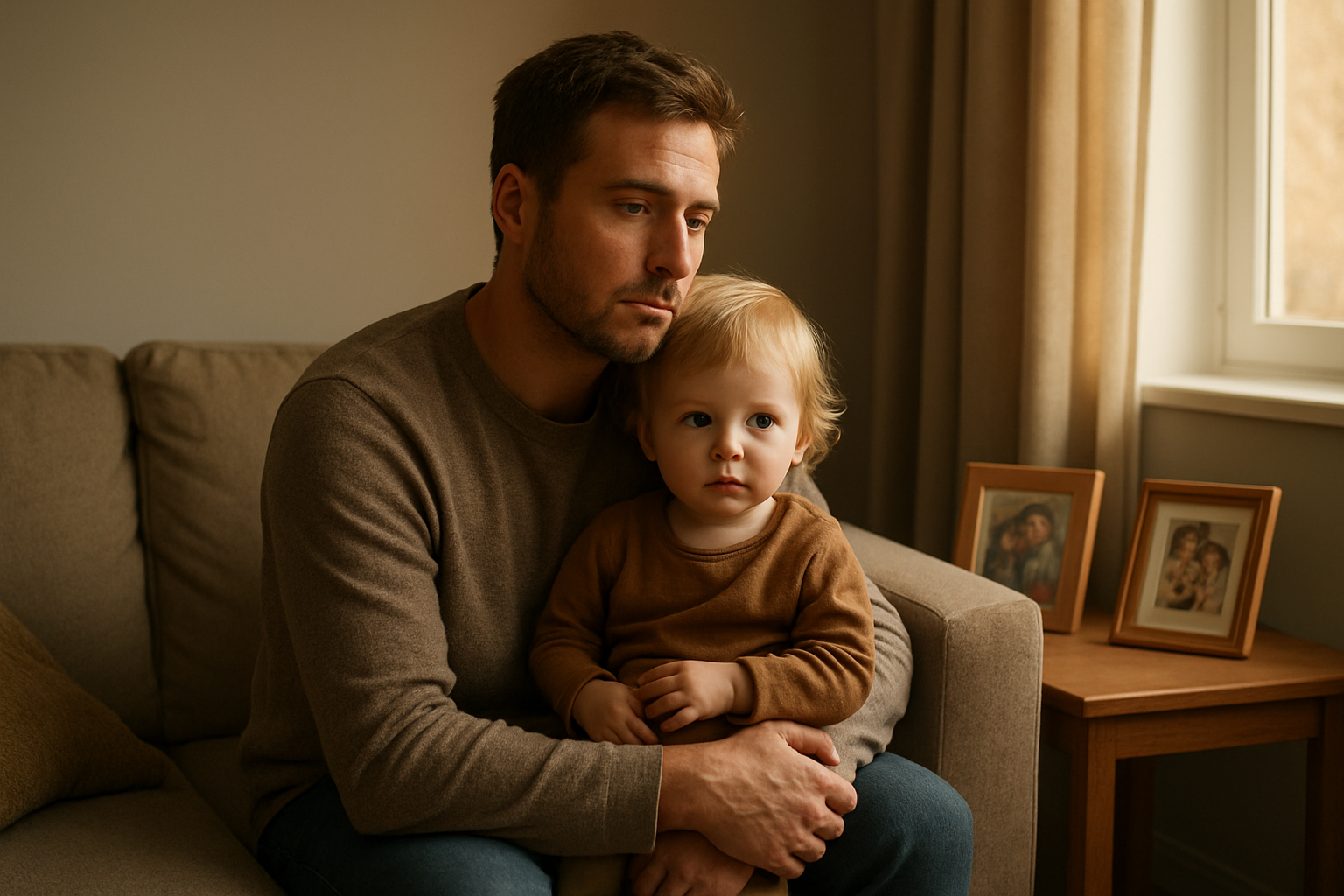
Fatherhood brings a wave of emotions that society rarely prepares men for. From the overwhelming anxiety during pregnancy to the isolation that can follow, dads face real mental health challenges that deserve attention and support. The silence around these struggles only makes things harder, leaving many fathers feeling like they're failing when they're actually just being human.
The good news is that acknowledging these feelings is the first step toward building emotional strength. Talk to other dads, reach out to professionals when needed, and remember that taking care of your mental health makes you a better father, not a weaker one. Your emotional well-being matters just as much as your partner's and your child's. Start the conversation, break the silence, and give yourself permission to feel everything that comes with this incredible journey.
.png)


Comments
Post a Comment