Why We Celebrate Father's Day

Father's Day brings families together every third Sunday in June, but many people don't know the real story behind this beloved holiday. This guide is perfect for parents, children, and anyone curious about Father's Day history and why we celebrate Father's Day in the first place.
You'll discover the fascinating Father's Day origins that started with one daughter's mission to honor her father, plus how different cultures around the world have embraced this celebration. We'll also explore how modern fatherhood roles have changed over time and why recognizing fathers matters more than ever for families and society.
From heartfelt Father's Day traditions to creative Father's Day gift ideas, understanding the importance of fathers and the deeper reasons behind this holiday will help you celebrate in more meaningful ways.
The Historical Origins of Father's Day
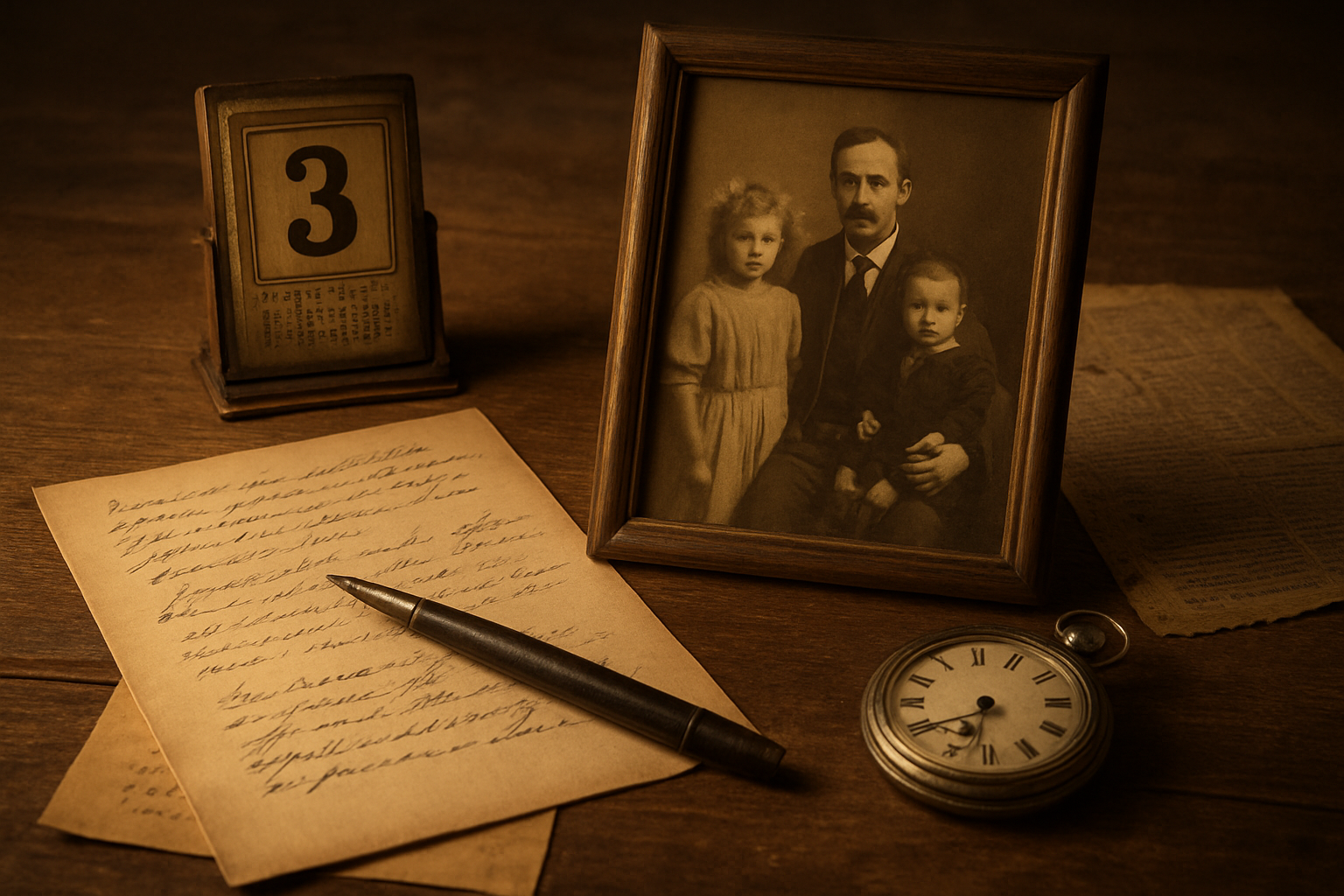
Sonora Smart Dodd's inspiring initiative to honor her father
Sonora Smart Dodd stands as the remarkable woman who transformed a simple idea into what would become Father's Day history. Growing up in Spokane, Washington, Sonora witnessed her father William Jackson Smart raise six children single-handedly after her mother died during childbirth. When she heard a Mother's Day sermon at church in 1909, she couldn't shake the feeling that fathers deserved equal recognition for their sacrifices and dedication.
William Smart, a Civil War veteran, had demonstrated extraordinary strength and love while managing both farm work and parenting duties. Sonora watched him wake before dawn to tend crops, then return home to help with homework, mend clothes, and comfort his children through their struggles. His unwavering commitment left such a deep impression on Sonora that she felt compelled to create a special day honoring fathers everywhere.
The young woman approached local church leaders and the YMCA with her proposal, suggesting that fathers receive the same appreciation mothers enjoyed on their designated day. Her persistence and heartfelt explanation of her father's sacrifices resonated with community leaders, who agreed to support her vision of celebrating paternal love and dedication.
First official Father's Day celebration in Spokane, Washington 1910
June 19, 1910, marked the world's first official Father's Day celebration, taking place across Spokane's churches and community centers. Sonora had specifically chosen this date to coincide with her father's birthday, making the inaugural celebration even more meaningful for the Dodd family.
The event featured special church services where ministers delivered sermons about the importance of fathers in family life and society. Local businesses supported the initiative by creating special displays and offering Father's Day merchandise. Red roses became the symbol for living fathers, while white roses honored deceased fathers - a tradition that continues today.
Community response exceeded all expectations, with families gathering for special meals and children presenting handmade gifts to their fathers. The Spokane celebration included outdoor activities, family picnics, and public recognition of outstanding fathers in the community. Local newspapers covered the event extensively, spreading awareness about this new holiday dedicated to paternal appreciation.
Presidential recognition and national adoption process
The journey from local celebration to national holiday took over six decades to complete. President Calvin Coolidge first supported the idea in 1924, encouraging states to observe Father's Day, though he stopped short of making it a national proclamation. This presidential endorsement helped legitimize the celebration and encouraged other states to adopt their own Father's Day observances.
President Lyndon Johnson issued the first presidential proclamation honoring Father's Day in 1966, designating the third Sunday in June for the celebration. This move gave Father's Day official federal recognition and encouraged nationwide participation. Finally, President Richard Nixon signed legislation in 1972 making Father's Day a permanent national holiday, cementing its place in American culture.
The path to national recognition faced various obstacles, including cultural resistance and competing dates proposed by different organizations. Some groups worried that commercializing fatherhood might diminish its authentic meaning, while others questioned whether fathers needed special recognition for fulfilling their natural duties.
How early celebrations differed from modern traditions
Early Father's Day celebrations emphasized religious and community elements rather than commercial gift-giving. Families attended church services specifically designed to honor fathers, with pastors delivering sermons about paternal responsibility and love. The day focused on quiet family time, often featuring home-cooked meals and simple, handmade gifts from children.
Gift-giving traditions were modest compared to today's elaborate presents. Children typically offered homemade cards, drew pictures, or performed small acts of service like polishing their father's shoes or helping with chores. Store-bought gifts were rare, reflecting the economic realities of the early 1900s and the emphasis on personal gestures over material items.
Modern Father's Day celebrations have evolved into significant commercial events, with families spending billions on electronics, tools, clothing, and dining experiences. Social media has transformed how people share Father's Day appreciation, with photos and messages replacing the intimate, private celebrations of earlier generations. Today's celebrations often include elaborate parties, expensive gifts, and public displays of affection that would have seemed foreign to Sonora Smart Dodd's original vision of quiet family appreciation.
Cultural Significance Across Different Societies
Ancient traditions of honoring fathers and patriarchs
Throughout history, societies have developed rich traditions to honor paternal figures that stretch back thousands of years. Ancient Rome celebrated fathers through the festival of "Parentia," where families gathered to pay respect to deceased ancestors, particularly father figures who shaped their lineage. Roman culture deeply valued the concept of "paterfamilias" - the male head of household who held absolute authority and responsibility for his family's welfare.
In ancient Egypt, fathers received reverence during religious ceremonies dedicated to Ptah, the creator god often depicted as a father figure. Egyptian hieroglyphs frequently portrayed fathers alongside their children, emphasizing the sacred bond between generations. These depictions weren't just artistic choices - they reflected a society that viewed fatherhood as divinely blessed.
China's Confucian traditions established filial piety as one of the most important virtues, with children expected to honor and obey their fathers throughout their lives. The practice of ancestor worship placed deceased fathers at the center of family spiritual life, with elaborate ceremonies and offerings performed regularly to ensure their continued blessing on the family.
Celtic cultures honored father figures through seasonal festivals, particularly during the summer solstice when communities celebrated the "Oak King" - a paternal deity representing strength, protection, and wisdom. These celebrations involved gift-giving, storytelling, and communal feasts that strengthened family bonds.
Religious influences on paternal celebration customs
Religious traditions have profoundly shaped how different societies approach Father's Day cultural significance and paternal celebration customs worldwide. Christianity introduced the concept of God as the ultimate father figure, creating a spiritual foundation for honoring earthly fathers. Many Christian communities celebrate fathers during special church services, drawing parallels between divine and human paternity.
The Catholic Church's devotion to Saint Joseph, the earthly father of Jesus, has influenced Father's Day traditions in numerous countries. March 19th, Saint Joseph's Day, serves as an alternative Father's Day in several Catholic nations, where families attend special masses and share traditional meals. This religious observance emphasizes the virtues of protection, sacrifice, and quiet strength that fathers embody.
Islamic traditions honor fathers through the principle of "birr al-walidayn" - kindness to parents. The Quran explicitly commands respect for fathers, stating that paradise lies at the feet of parents. Muslim communities often incorporate Quranic verses about paternal respect into their Father's Day celebrations, creating a blend of modern custom and ancient religious wisdom.
Judaism's emphasis on the father's role in religious education has shaped Jewish Father's Day observances. Fathers traditionally lead Sabbath prayers and pass down religious knowledge to their children. Many Jewish families use Father's Day as an opportunity to strengthen these spiritual connections through study and prayer.
How different countries celebrate fatherhood uniquely
Father's Day traditions vary dramatically across cultures, reflecting unique local values and customs. Germany celebrates "Vatertag" on Ascension Day, where fathers traditionally embark on hiking expeditions with friends, pulling wagons filled with food and beer. This celebration emphasizes male camaraderie and outdoor adventure, differing significantly from the family-centered approach common in North America.
Thailand honors fathers on December 5th, the birthday of the beloved late King Bhumibol Adulyadej, who was considered the father of the nation. Thai children present their fathers with canna flowers, whose yellow petals symbolize masculinity and respect. The day includes merit-making activities at Buddhist temples and public displays of affection for paternal figures.
Brazil's "Dia dos Pais" falls on the second Sunday of August, coinciding with the Catholic feast of Saint Joachim, father of the Virgin Mary. Brazilian families gather for elaborate barbecues called "churrascos," where fathers take center stage as grill masters. The celebration emphasizes food, family unity, and the father's role as provider and protector.
| Country | Date | Unique Traditions |
|---|---|---|
| Germany | Ascension Day | Hiking expeditions with beer wagons |
| Thailand | December 5 | Canna flower gifts, temple visits |
| Brazil | Second Sunday in August | Family barbecues (churrascos) |
| South Korea | May 8 | Combined Parents' Day with carnations |
| Nepal | August-September | Gokarna Aunsi festival with special foods |
South Korea combines Mother's and Father's Day into "Parents' Day" on May 8th, where children pin carnations on their parents' chests and perform traditional songs. This unified approach reflects Korean values of family harmony and collective honor.
These diverse celebrations show how Father's Day traditions adapt to local customs while maintaining the universal goal of honoring paternal love and sacrifice.
The Modern Father's Role and Its Evolution
Shift from traditional breadwinner to involved caregiver
The image of the father as the distant provider who worked long hours while mom handled everything at home has largely become a thing of the past. Today's dads are rolling up their sleeves and diving headfirst into daily parenting duties that previous generations might have considered "women's work."
Modern fathers are changing diapers, attending parent-teacher conferences, braiding hair, and staying up all night with sick kids. They're not just weekend playmates anymore – they're full partners in the parenting journey. This shift reflects how society now values emotional availability and hands-on involvement from fathers just as much as financial support.
Research shows that children benefit tremendously when dads take active roles in their daily care. These involved fathers help create stronger family bonds and contribute to better developmental outcomes for their kids. The modern father's role expansion represents a fundamental change in what we consider good parenting.
Breaking down gender stereotypes in parenting
Old-fashioned ideas about "mom jobs" versus "dad jobs" are crumbling fast. Today's fathers are proving that nurturing, comforting, and caregiving aren't tied to gender – they're simply part of being a loving parent.
You'll find dads confidently navigating baby stores, organizing playdates, and having deep conversations about feelings with their teenagers. They're showing up to dance recitals just as enthusiastically as soccer games, and they're equally comfortable kissing scraped knees and teaching life lessons.
This breakdown of stereotypes benefits everyone in the family. Kids get to see that both parents can be strong and gentle, providers and nurturers. They learn that love and care come in many forms, setting them up for more balanced relationships in their own futures.
Rise of stay-at-home dads and work-life balance priorities
The number of stay-at-home dads has grown dramatically over the past two decades. Some choose this path because their partner has better career opportunities, others because they genuinely want to be the primary caregiver, and many because it makes the most financial sense for their family.
These fathers are redefining what success looks like. Instead of measuring their worth solely by their paycheck, they're finding fulfillment in school pickup lines, playground adventures, and being present for every milestone. They're proving that career ambition and family devotion aren't mutually exclusive – sometimes one just takes priority for a while.
Work-life balance has become a major consideration for modern fathers. They're negotiating flexible schedules, working from home when possible, and some are even turning down promotions that would require excessive travel or overtime. The importance of fathers in daily family life is now widely recognized, changing how employers think about supporting working parents.
Technology's impact on father-child relationships
Technology has revolutionized how fathers connect with their children, especially when work or other commitments keep them apart. Video calls let deployed military dads read bedtime stories, and divorced fathers can help with homework over FaceTime. These digital connections help maintain strong bonds despite physical distance.
However, technology also presents new challenges. Many fathers struggle with balancing screen time and quality time, both for themselves and their kids. The constant ping of notifications can interrupt precious family moments, and some dads find themselves competing with devices for their children's attention.
Smart fathers are learning to use technology as a tool rather than letting it become a barrier. They're playing video games with their kids, sharing memes that make them laugh, and using apps to stay organized with family schedules. The key is being intentional about when and how technology enters family time, ensuring it enhances relationships rather than replacing genuine connection.
Psychological Benefits of Celebrating Fathers

Strengthening family bonds through recognition
Celebrating Father's Day creates meaningful opportunities for families to pause and acknowledge the vital role fathers play in their children's lives. This annual recognition goes far beyond gift-giving—it opens doors for honest conversations, shared memories, and deeper connections between family members.
When children take time to express gratitude toward their fathers, something powerful happens. The act of recognition itself becomes a bonding experience that strengthens the emotional foundation of the family. Children learn to identify and articulate the positive qualities they appreciate in their fathers, from daily acts of love to major life lessons taught along the way.
Fathers also benefit tremendously from this focused appreciation. Many men work tirelessly behind the scenes, providing for their families while questioning whether their efforts truly matter. Father's Day validation reassures them that their contributions are seen, valued, and remembered. This emotional boost often motivates fathers to continue being present and engaged in their children's lives.
The celebration creates a safe space for vulnerable moments that might not otherwise occur. Families share stories, reminisce about favorite memories, and express feelings they might typically keep private. These interactions build lasting emotional bridges that strengthen family relationships throughout the year.
Boosting children's emotional development and security
Research consistently shows that children with involved, celebrated fathers demonstrate stronger emotional stability and better psychological outcomes. When we celebrate Father's Day and highlight the importance of fathers, we're actually supporting children's mental health and development in profound ways.
Children who see their fathers being honored and appreciated develop a deeper sense of security about their family structure. They witness firsthand that their father's role matters, which helps them understand their own place within the family unit. This recognition builds confidence and emotional resilience that carries into other areas of their lives.
The benefits of celebrating fathers extend to children's social development as well. Kids learn to express gratitude, practice empathy, and understand the value of acknowledging others' contributions. These emotional intelligence skills serve them well in friendships, school relationships, and future romantic partnerships.
Father's Day celebrations also provide children with positive memories they can draw upon during challenging times. The security of knowing their father is valued and appreciated becomes an anchor point during adolescence and young adulthood when family relationships might face natural tensions.
Encouraging positive male role models in society
Father's Day celebrations shine a spotlight on positive masculinity and healthy fathering practices throughout communities. When we publicly celebrate fathers who are loving, present, and emotionally available, we're essentially promoting these qualities as desirable traits for all men.
Young men without strong father figures in their own lives can observe celebrated fathers around them and learn what healthy masculinity looks like. They see examples of men who balance strength with tenderness, who provide both security and emotional support, and who take pride in nurturing their families.
Communities that actively celebrate Father's Day often see increased father engagement in local activities, school events, and youth programs. When society values and recognizes good fathering, more men step up to fill that role—whether as biological fathers, stepfathers, mentors, or community leaders.
The celebration also challenges outdated stereotypes about masculinity and parenting roles. By highlighting fathers who are emotionally present, actively involved in childcare, and committed to their families' wellbeing, Father's Day helps normalize a more complete vision of what modern fatherhood can look like. This cultural shift benefits everyone by creating more supportive families and stronger communities overall.
Economic Impact and Gift-Giving Traditions

Retail Industry Growth Around Father's Day
Father's Day has become a significant economic driver, generating billions in retail sales annually. The National Retail Federation reports that Americans spend over $20 billion each year on Father's Day celebrations, making it the fourth-largest gift-giving holiday in the United States. This spending surge typically begins in late May and peaks during the week leading up to the third Sunday in June.
Major retailers capitalize on this opportunity by launching targeted marketing campaigns, offering special promotions, and creating dedicated Father's Day sections both in-store and online. Department stores, electronics retailers, and specialty shops all experience notable sales increases during this period. The holiday has proven particularly beneficial for smaller businesses specializing in men's accessories, craft items, and personalized gifts.
Popular Gift Categories That Show Appreciation
The most popular Father's Day gift categories reflect modern fathers' diverse interests and roles. Clothing and accessories consistently rank highest, with ties, shirts, and watches being traditional favorites. Technology gifts have surged in popularity, including smartphones, tablets, smart home devices, and fitness trackers that support active lifestyles.
Experience-based gifts are increasingly popular among families seeking meaningful ways to celebrate. These include:
-
Outdoor activities: Fishing trips, golf outings, camping equipment
-
Hobby-related items: Tools, grilling accessories, sports memorabilia
-
Food and beverage: Specialty coffee, craft beer, gourmet food baskets
-
Personal care: Grooming kits, cologne, spa treatments
-
Home improvement: Power tools, garden supplies, workshop equipment
Personalized gifts continue to hold strong appeal, with custom photo books, engraved items, and handmade crafts representing the emotional connection families want to express.
Budget-Friendly Ways to Celebrate Meaningfully
Celebrating Father's Day doesn't require expensive purchases to create lasting memories. Many families find that thoughtful, low-cost gestures often mean more than costly gifts. Homemade cards created by children remain treasured keepsakes for years to come.
Quality time activities offer excellent alternatives to traditional gift-giving:
-
Cooking dad's favorite meal together
-
Organizing a family game night or movie marathon
-
Taking a nature walk or visiting a free local attraction
-
Creating a photo slideshow or memory book
-
Planning a picnic in the park or backyard camping adventure
DIY gifts showcase creativity and effort, such as handmade picture frames, painted mugs, or compiled playlists of meaningful songs. These personal touches often carry more sentimental value than store-bought items.
How Commercial Aspects Support Family Connection
While some critics argue that commercialization diminishes the authentic spirit of Father's Day, the retail focus actually serves important social functions. The widespread marketing and product availability remind busy families to pause and acknowledge fathers' contributions to their lives.
Commercial Father's Day celebrations create shared cultural moments that strengthen family bonds. Gift-giving becomes a tangible way for family members to express appreciation that might otherwise go unspoken. Children learn the value of gratitude and recognition through participating in these Father's Day traditions.
The economic impact extends beyond individual purchases, supporting local businesses and creating seasonal employment opportunities. Restaurants, entertainment venues, and service providers all benefit from increased Father's Day traffic, contributing to community economic health while facilitating family celebrations.

Father's Day has grown from a simple idea to honor dads into a meaningful celebration that spans cultures and generations. What started as one woman's desire to recognize her father's sacrifices has become a global tradition that acknowledges how fatherhood continues to evolve. Today's fathers take on more diverse roles than ever before, and celebrating them helps strengthen family bonds while supporting their mental well-being.
This special day does more than just boost greeting card sales or fill restaurants with families. It creates space for gratitude, opens conversations between generations, and reminds us that good parenting deserves recognition. Take time this Father's Day to show appreciation for the father figures in your life - whether that's through a heartfelt conversation, a thoughtful gesture, or simply spending quality time together. The gift of acknowledgment often means more than any store-bought present ever could.
.png)


Comments
Post a Comment